Exploring "The Orphanage": A Visual Journey Through Cambodian Resilience
| Shelf | Photo Techniques |
|---|---|
| Date in | |
| Readers | 490 |
Discover "The Orphanage" chapter from the book "Cambodia: Darkness & Light," showcasing children's resilience amid challenging conditions through stunning imagery.

Introduction to "The Orphanage"
"The Orphanage" serves as a poignant chapter in Nick DeMarco's book, "Cambodia: Darkness & Light." Through captivating visuals and powerful narratives, this segment captures the essence of life within a Cambodian orphanage, striking a balance between harsh realities and the enduring spirit of children. The chapter isn't just a series of photographs and captions; it’s a blend of human stories that evoke empathy and understanding about the complexities faced by young lives in care facilities.
Setting the Scene
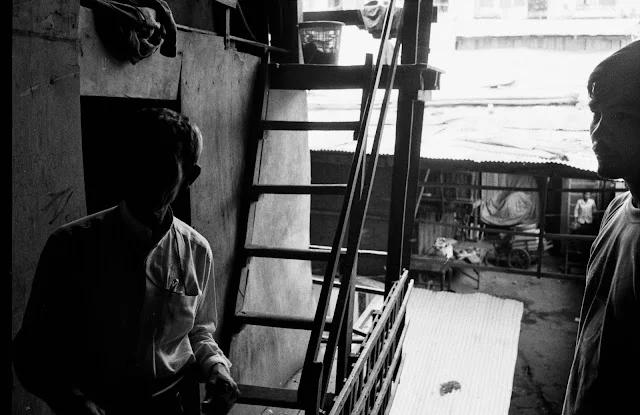
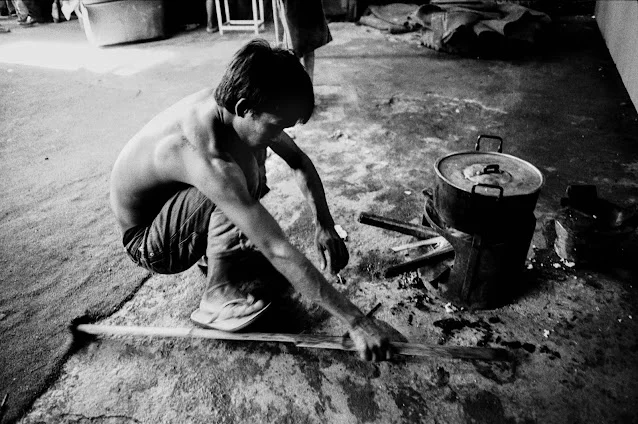
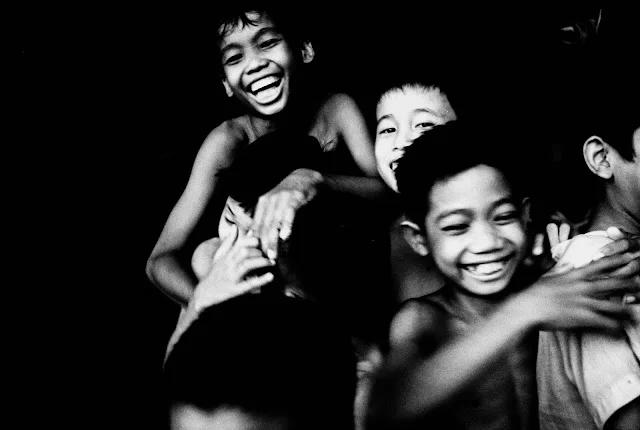
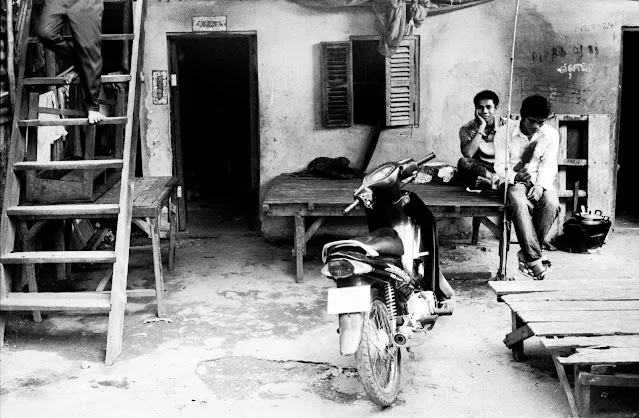
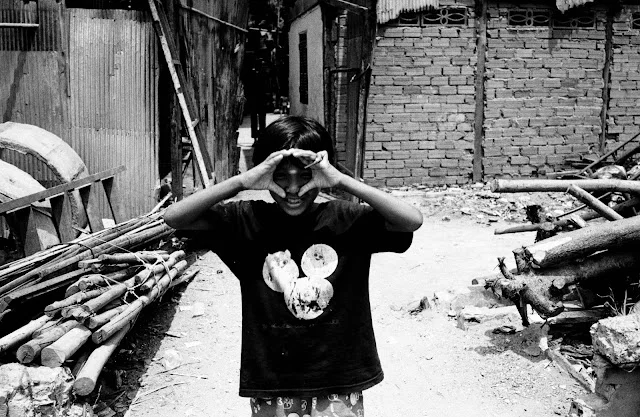
The narrative begins with a stark contrast: a makeshift slum where laughter and hardship coexist. DeMarco sets the scene with vivid imagery, introducing readers to a community where children are immersed in daily activities—playing, eating, and even learning. "Between the cracks of the bloated makeshift slum, a child beckoned me towards this community," he writes, immediately drawing in the audience with an invitation to witness this world. This juxtaposition isn't coincidental; it serves to remind us that within despair, there's often a glimmer of joy. These children live full, vibrant lives shaped by their specific circumstances. This complex coexistence of happiness and hardship represents a microcosm of many societal issues faced across the globe.
The Visual Impact
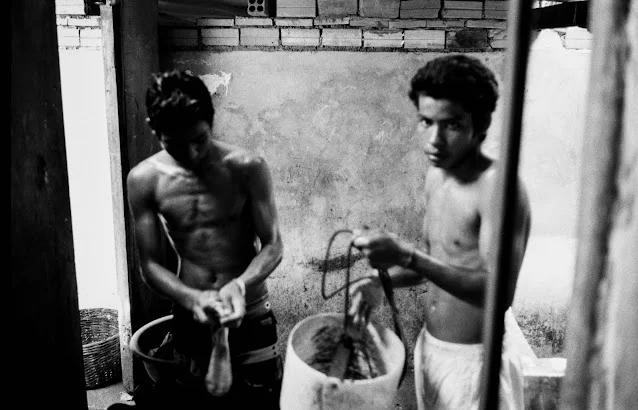
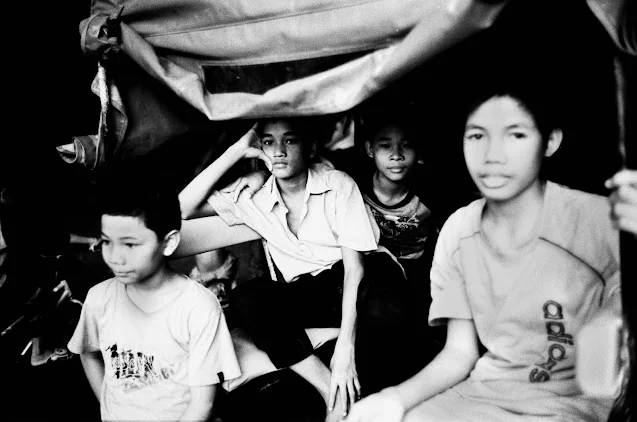
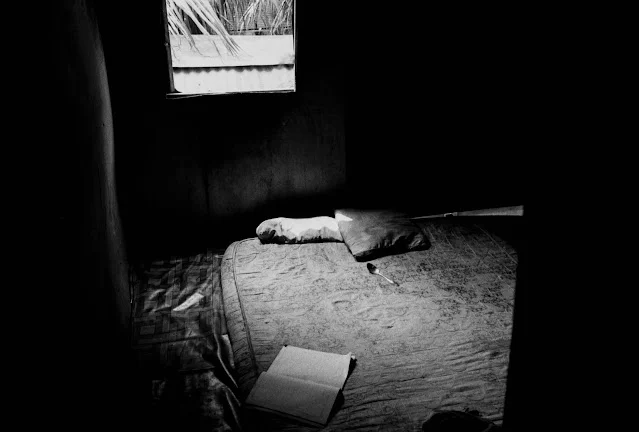
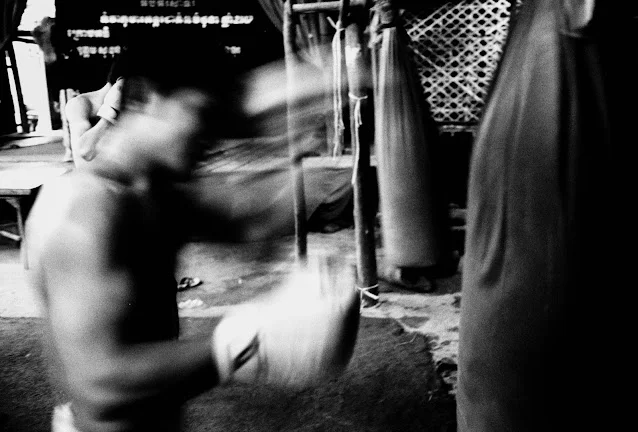
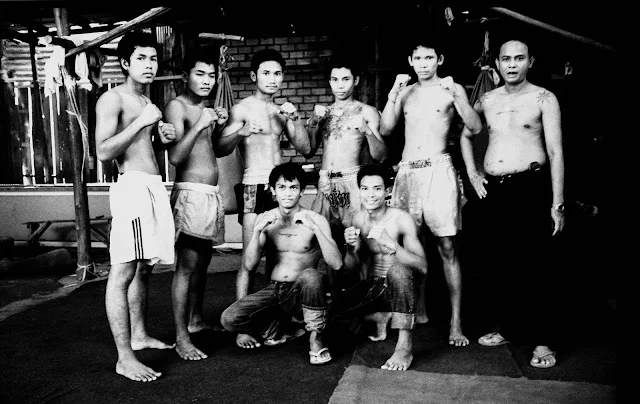
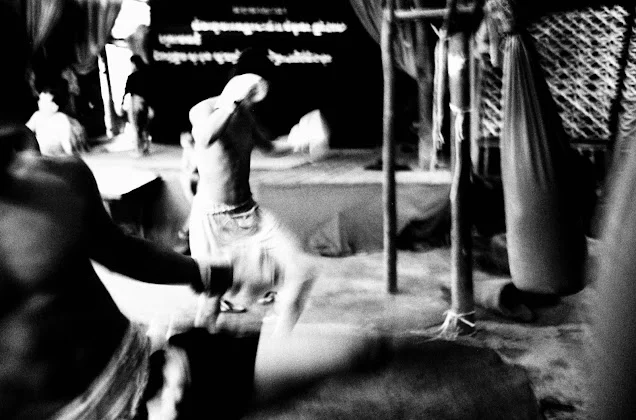
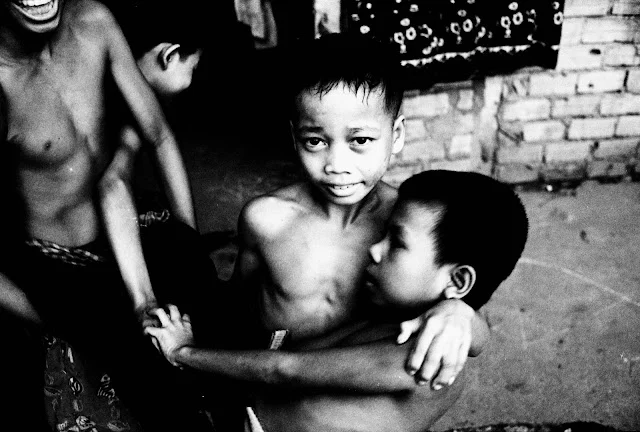
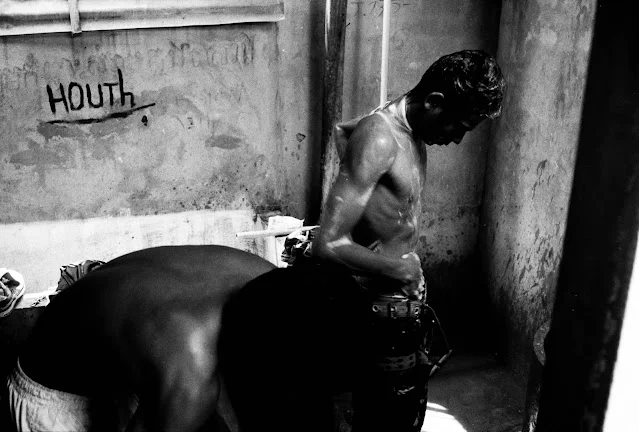
DeMarco’s photography highlights the warmth and vibrancy of these children’s lives, juxtaposed against their challenging environment. The photographs included in this chapter encapsulate various aspects of life in the orphanage, from playful moments to quiet contemplation. For instance, images depicting children engaged in boxing, communal meals, and playful interactions evoke an emotional connection to their day-to-day experiences. This emotional honesty creates a reflective space where viewers can consider not just the conditions of the orphanage, but also the rich inner lives of its young residents. The lens, while sometimes framed to present the struggle, often humanizes and elevates the subjects, challenging preconceived stereotypes of orphanages as solely places of suffering.

Interpreting the Experience
This chapter doesn't just portray the external conditions of the orphanage; it encourages a deeper reflection on the emotional landscapes inhabited by these children. DeMarco marvels at how "The light of the Children eclipsed the darkness of their condition." This phrase embodies the resilience and joy found within the orphanage’s walls, creating a profound narrative of hope amidst adversity. Such reflections compel the reader to think critically about their own assumptions regarding orphanages. When one considers these children's stories, it's evident that their experiences are multifaceted; the narrative pushes against the binary of victimhood and resilience, suggesting that they coexist in a dynamic way.
Photography Techniques
For photographers looking to capture similar narratives, there are several techniques highlighted in DeMarco's work. Firstly, the use of natural light is prominent; this can dramatically affect the emotional tone of the photographs. Shoot during golden hours—either early morning or late afternoon—to accentuate the warmth and vibrancy of your subjects. This technique not only enhances visual appeal but also mirrors the internal emotional states of the children, suggesting that their joy can radiate like the sun.
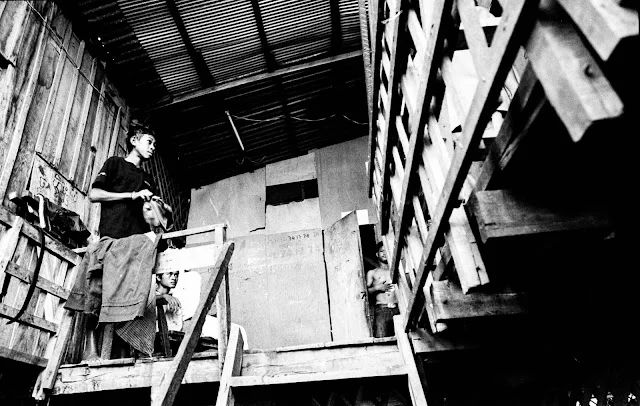
In addition, composition plays a crucial role. DeMarco effectively employs framing to draw attention to the children, using elements of the environment to create context. For example, low angles can emphasize the child’s perspective, showcasing their world through their eyes. Photographers should consider not just the physical proximity to subjects but also the stories they want to tell through their imagery. When photographing intimate moments, consider getting close to your subjects to capture genuine expressions and emotions. This closeness can create an almost visceral connection with the viewer, inviting them to witness vulnerabilities they might otherwise overlook.
A Broader Context
DeMarco's depiction of the orphanage is part of a larger narrative that spans various Cambodian locations, including earlier chapters that focus on Angkor and Phnom Penh. Each chapter contributes to a broader understanding of Cambodia, illustrating both beauty and struggle. This structural choice emphasizes how interconnected various aspects of life in Cambodia are, challenging readers to draw parallels between these different experiences. To explore the previous chapters, visit the links provided for Angkor here and Phnom Penh here.
Implications of the Work
The significance of DeMarco's work extends beyond mere observation; it meets the ethical dimensions of representation in documentary photography. By presenting a more nuanced view of orphanages, he raises questions about societal roles, the impact of external interventions, and the importance of context in storytelling. If you’re working in this space, it’s essential to consider how your work influences public perception. The implications for policy and human rights are profound; advocating for a deeper understanding can pave the way for meaningful change. The emotional connections established through photography have the power to inspire action, whether that means direct support for the children, policy reevaluations, or increased interest in their stories through art.
Conclusion: A Journey of Reflection
"The Orphanage" functions not only as a documentation of life in a Cambodian orphanage but also as an invitation to reflect on our perceptions of childhood, resilience, and community. DeMarco’s work impels viewers to consider how light and darkness exist simultaneously in our world, and how, even in squalor, the human spirit can shine brightly. This chapter, rich in both imagery and emotion, remains a significant reminder of the stories that can be told through the lens of a camera and the heart of a storyteller.
For more insights and visuals, follow along DeMarco's journey through his flickr gallery, where all photographs from the book can be viewed here.