Exploring Photography with Leica: A Journey Through Thermidor
| Shelf | Cameras & Lenses |
|---|---|
| Date in | |
| Readers | 552 |
Nick's photography project "Thermidor" combines the use of Leica cameras during a summer trip to Italy, showcasing rich visuals and insightful reviews.

As the month of Thermidor unfolds, I find myself deeply invested in this photography project inspired by the French Republican Calendar. This 11th month spans from July 19 to August 18, coinciding with the hottest period of the year, aptly named due to its etymological roots from 'thermos', signifying heat. The choice to engage with this unique calendar not only enriches my work but also serves as a reminder of the historical ties photography has with time and the passage of seasons.
Week 1: Capturing East London with Film
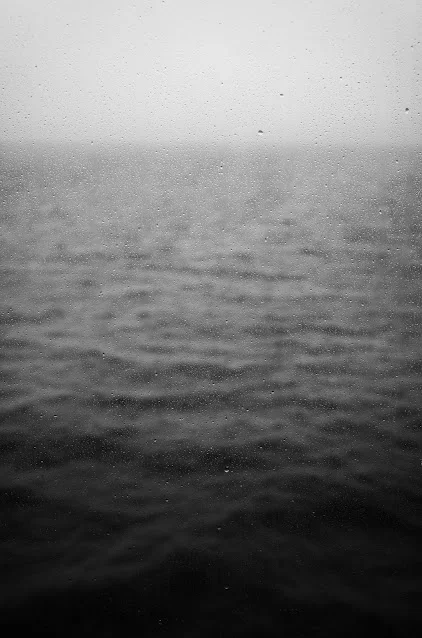
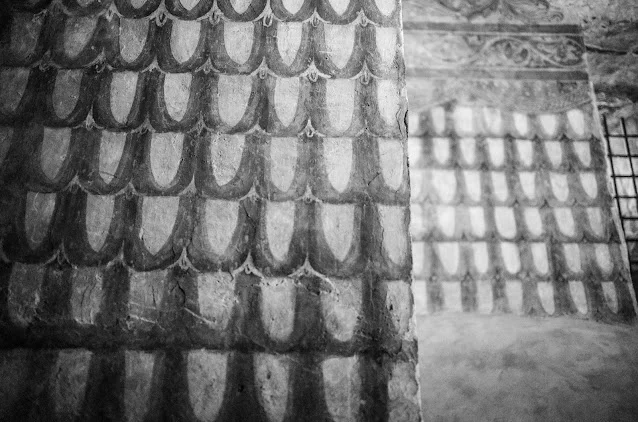
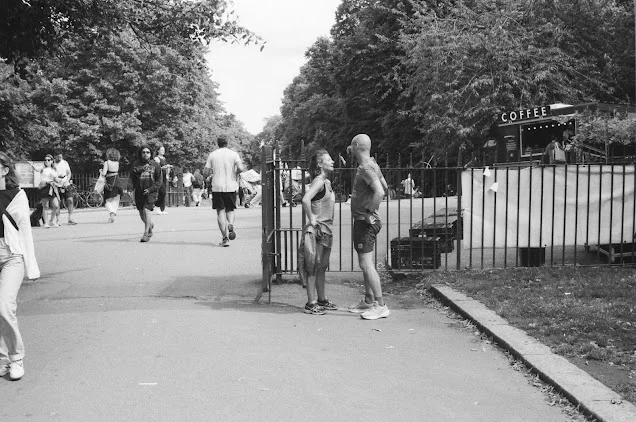
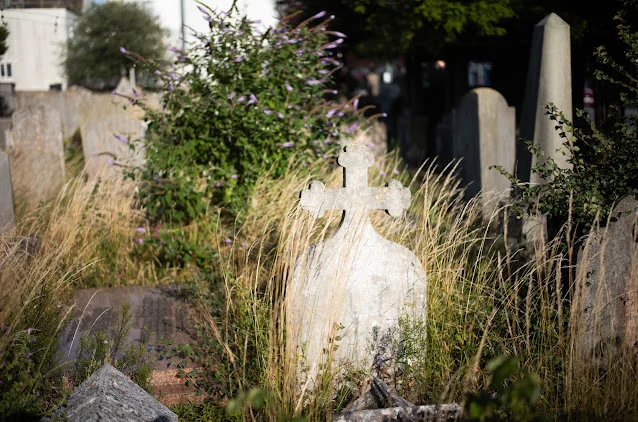
During the initial week, I employed the Leica M7 film rangefinder alongside a 50mm Canon f1.4 LTM lens. The choice of black and white film, likely Ilford HP5, helped capture the unique essence of East London. This choice of medium is deliberate. Film has a way of rendering reality with a distinct texture and depth that digital sometimes lacks. Each image reflects the atmosphere and character of the surroundings, unfolding a narrative that only film can articulate. This narrative aspect transforms the project from a simple photo collection into a visual storytelling endeavor, where each frame carries a piece of the environment's history. Here's a glimpse of one of those moments:

Transitioning to Digital: The Leica Q2
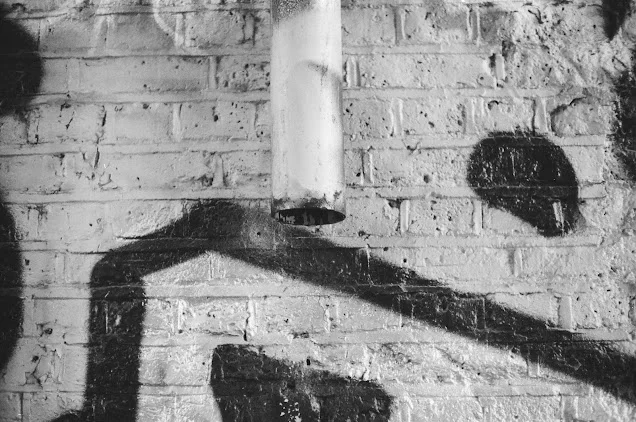
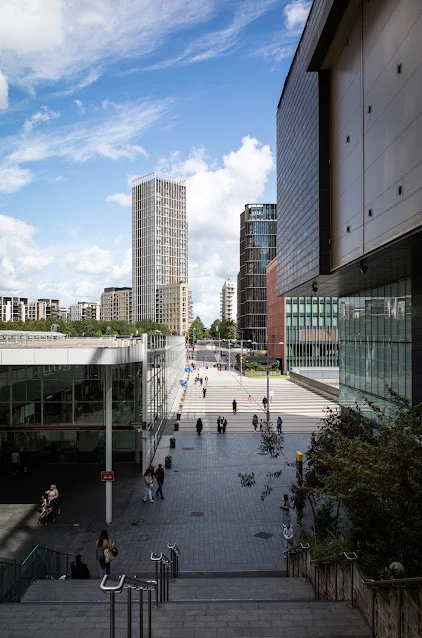
For subsequent shots, I transitioned to the digital realm with the Leica Q2. Owning the original Q for years, I never felt the urge to upgrade until the Q3's release led to a noticeable drop in Q2 prices, making it a compelling acquisition. The choice to switch was not merely financial; it was also about exploring technology that can enhance one's creative vision. The moment I began using the Q2, I was struck by the superior image quality, enhanced megapixels allowing for more flexible cropping, and the overall speed and reliability of the camera. The colors produced by the Q2 are particularly vivid. Such performance often leads photographers to reconsider their existing setups. What I found here contrasted notably with the Fuji X series cameras I've used in the past — the Q2's images seem to leap off the screen. Here's one of my favorite captures from the week:

Week 2: Revisiting the M10-R
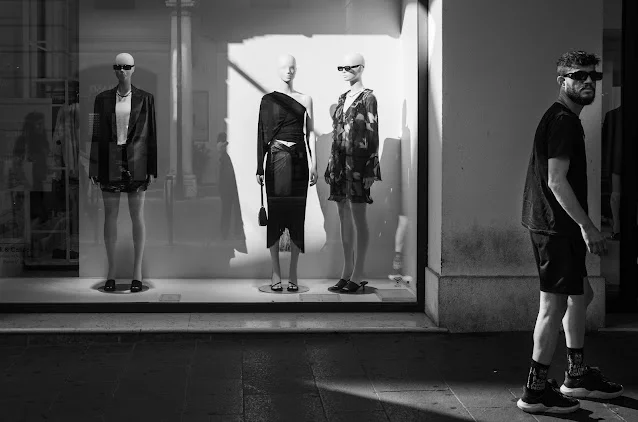
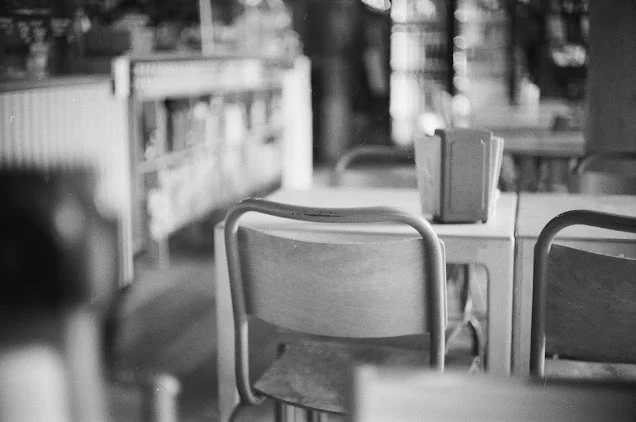
In the second week, I returned to the Leica M10-R, a critical component of my growing collection of Leica cameras, which now includes the M10 Monochrom and Q2. The decision to sell my previous models, the M240 and M Monochrom, illustrates a broader trend in photography where upgrading to more advanced tools becomes a necessity rather than a luxury. I’ve experienced the M10-R's capabilities firsthand, and its performance is nothing short of impressive. Here's one of the first images taken during that week using the M10-R:
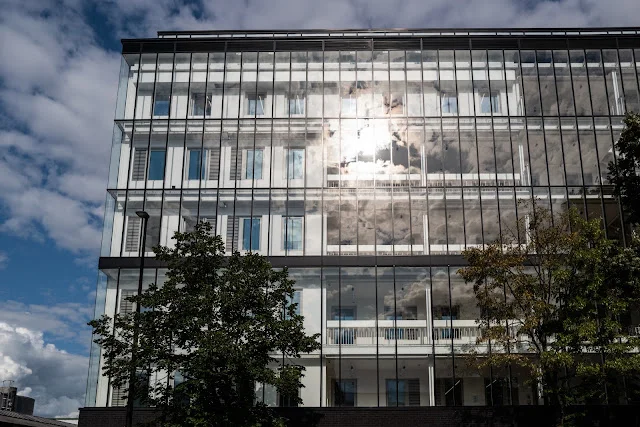

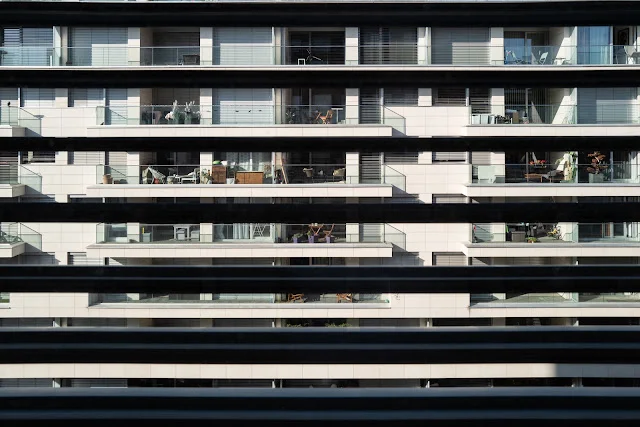
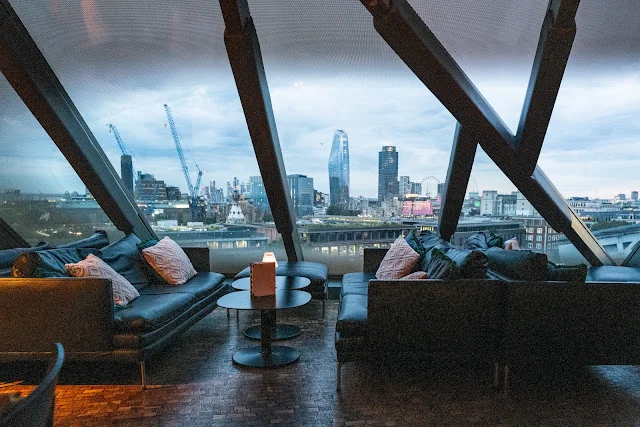
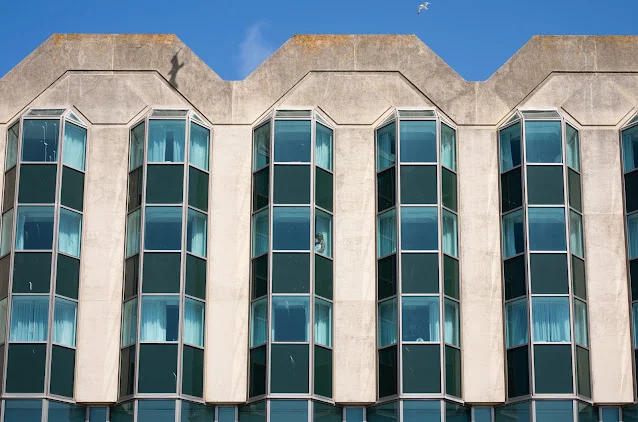
Utilizing the Leica 50mm Summilux f1.4 ASPH lens, I ventured into Brighton and Hove before returning to East London for further captures. The M10-R, combined with its optics, performs brilliantly in diverse lighting situations. The images I captured reflect a blend of architectural beauty and everyday life, each encapsulating the vibrant scenes around me. One notable image features the versatility of the Elmarit 28mm f2.8 ASPH lens, showcasing how each lens has its own strengths that can be highlighted depending on the scene. This aspect of photography, choosing the right tool for a specific moment, can make or break a project:

Week 3: Road Trip to Italy (Part 1)
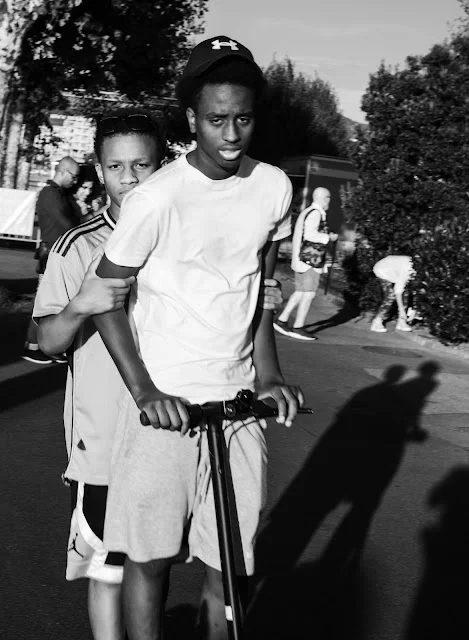
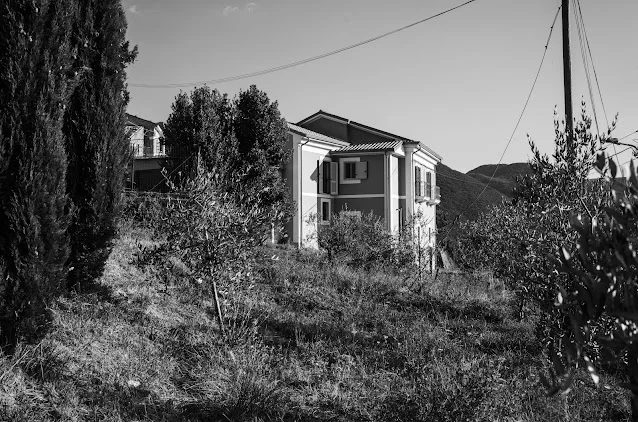
Week three brought with it an exciting adventure: our annual road trip to Colleruta in Italy. This journey spans three days, taking us from London through France and into picturesque Italy. For this leg of the project, I packed both the Leica Q2 for vibrant color shots and the M10-Monochrom for classic black-and-white photography. It's a deliberate strategy; carrying two cameras allows me to capture a scene in multiple styles, enriching the narrative I craft:
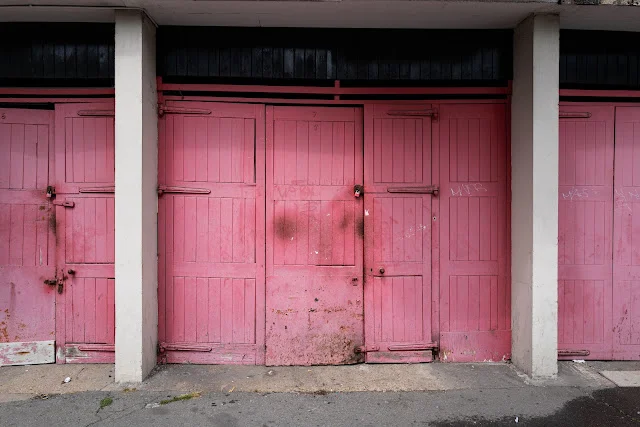

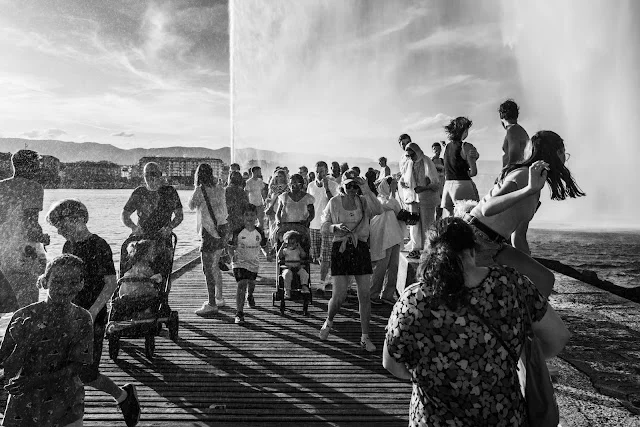
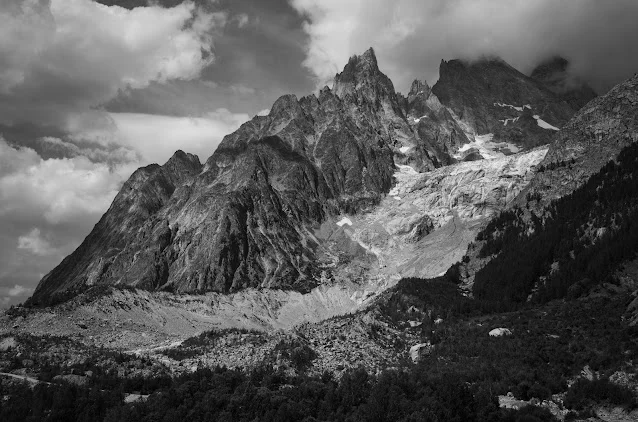
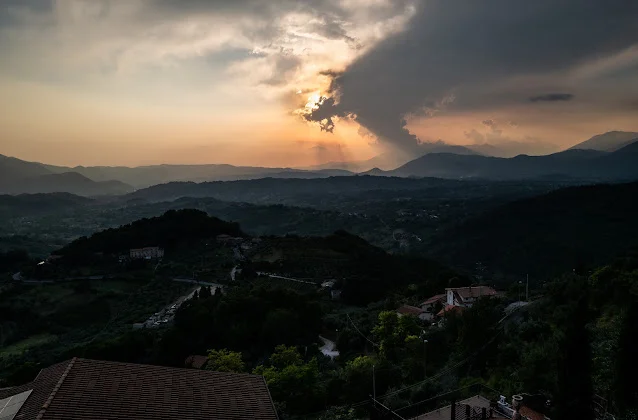
Crossing from Dover to Calais, we made our first stop in northern France before arriving in Geneva, Switzerland for a restful night. The landscapes during the drive provided ample opportunity for photography, showcasing the diversity of regions as we traveled. There's something static about this kind of photography that contrasts with the transient nature of a road trip. The focus shifts from the journey itself to capturing the fleeting beauty encountered along the way. Here’s a glimpse of our surroundings:
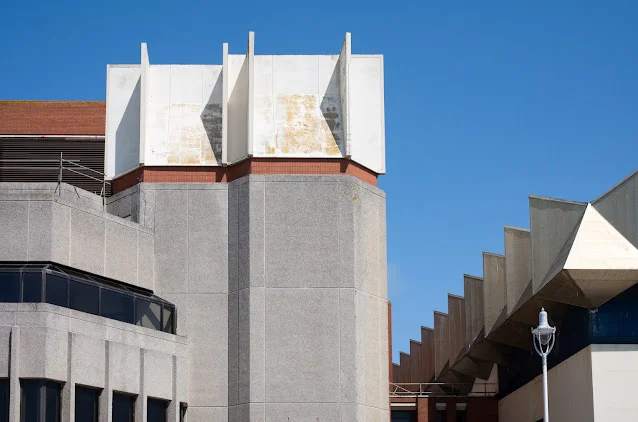

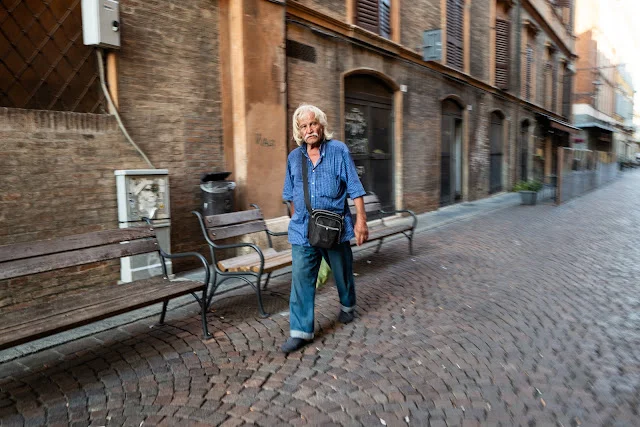
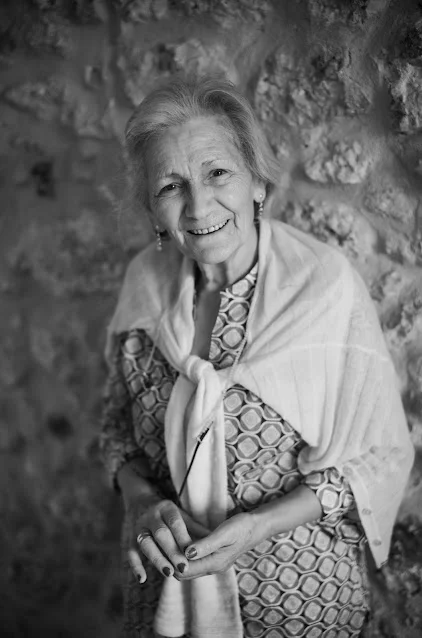
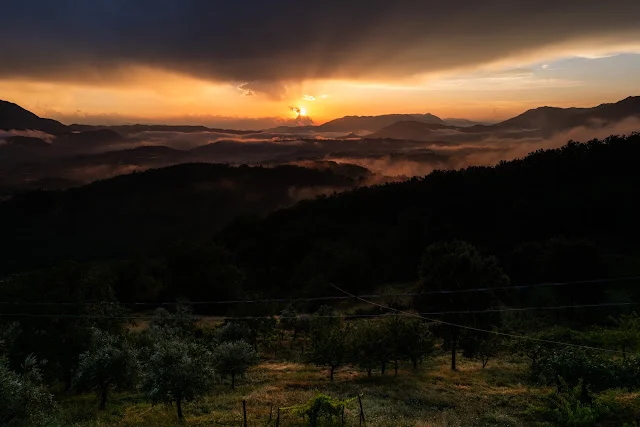
My travels in Italy will be detailed in the next installment of this journey, which I envision separating into multiple blog entries. This allows for sharing experiences in greater depth — and this is the part most people overlook. Each location offers its own unique flavor, so breaking these experiences down enhances not only the narrative but the emotional weight behind each photograph. Before wrapping up this segment on Thermidor, here’s another sight from Modena, a charming city that I found captivating:

Significance and Future Outlook
As I delve deeper into this project, each photograph taken serves not only as a visual memory but as a testament to the capabilities of the Leica cameras I’ve chosen. This experience underscores an important truth in photography: the tools you choose can dramatically impact your creative output and storytelling ability. From the M7 to the Q2 and M10-R, each tool enhances my creative expression, capturing the nuances of life beautifully. If you're working in this space, consider how your equipment not only shapes your process but also your final images. A well-chosen camera system can not only suit your style but can also inspire new approaches to familiar subjects.
To view the full collection of images from Thermidor, visit my Flickr gallery here. Thanks for joining me on this photographic journey!
—Nick