Exploring the Leica M10 Monochrom: A Week of Captivating Black & White Photography
| Shelf | Cameras & Lenses |
|---|---|
| Date in | |
| Readers | 722 |
Join a in-depth look at the Leica M10 Monochrom through captivating imagery taken over a week, revealing its stunning black and white capabilities.

The Leica M10 Monochrom is an impressive testament to black-and-white photography, showcasing remarkable handling and image quality. In the past week, I immersed myself in various shooting scenarios, pushing the limits of this specialized camera.
Introduction to the M10 Monochrom
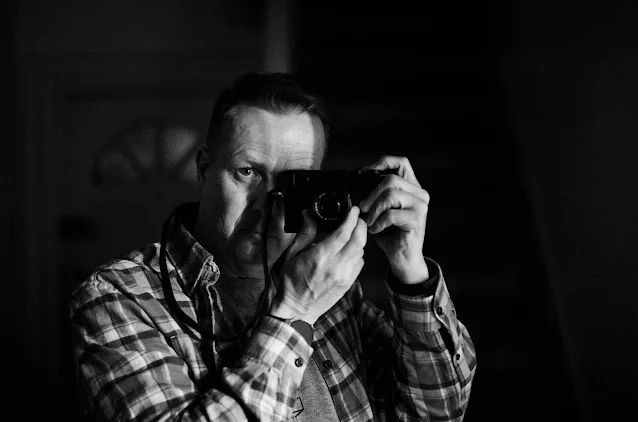
After parting ways with my Leica M246 Monochrom, I acquired a used M10 Monochrom, which allowed me to delve deeper into street photography and portraiture. This camera boasts a 40-megapixel black-and-white sensor that delivers exceptional image quality. The absence of a color filter array allows for finer detail and reduced noise, especially in high ISO conditions.

Shooting Experience and Impressions
In the first few days, I was captivated by the camera's responsiveness and tactile engagement. The combination of its compact size, quiet shutter, and intuitive operation made it perfect for candid shots. I loved setting a fast shutter speed, utilizing zone focusing techniques, and cycling through various apertures to achieve my desired depth of field.
Performance in Different Environments
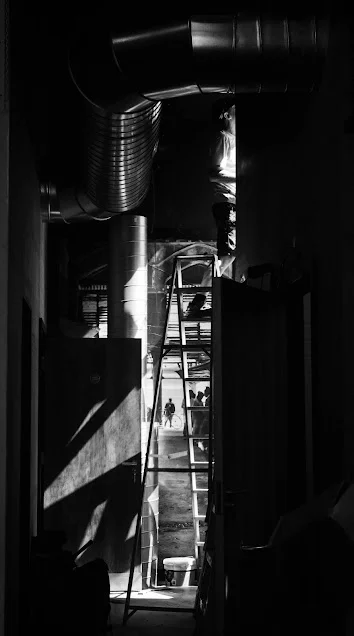
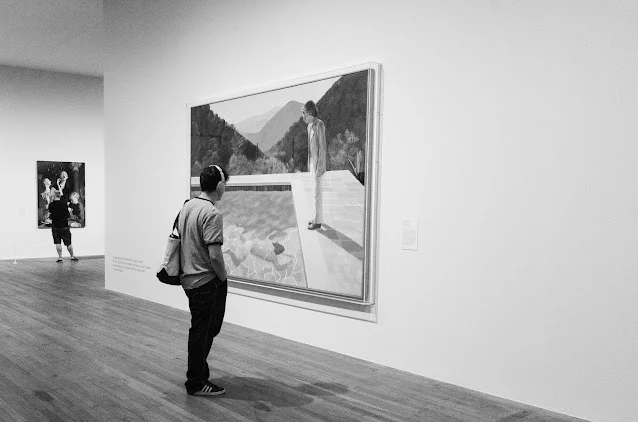
During my time with the M10 Monochrom, I ventured into diverse shooting environments, including urban settings and natural landscapes. The weather was favorable, enhancing the photographic opportunities. The long days of spring allowed for dynamic lighting that complemented the camera's capacity for high-contrast scenes.
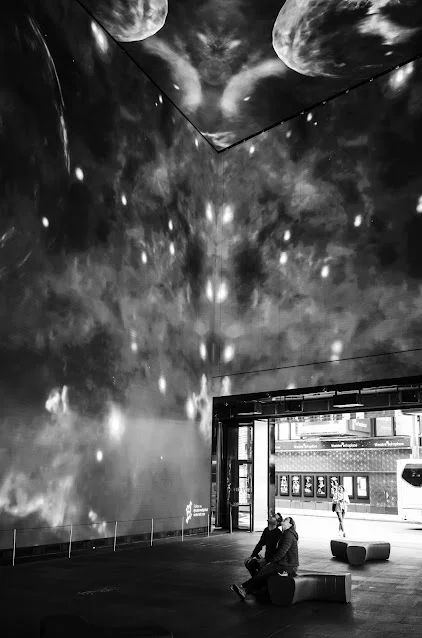
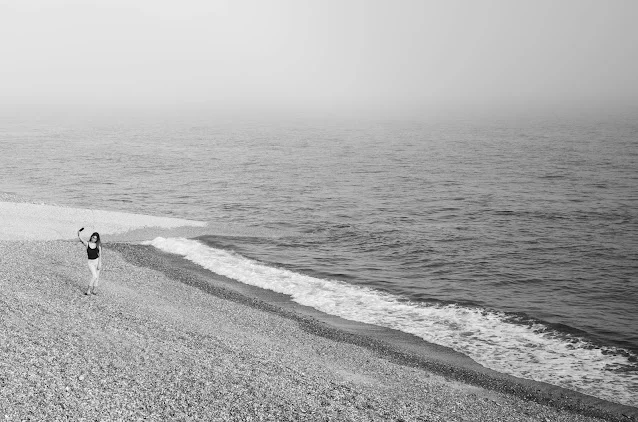
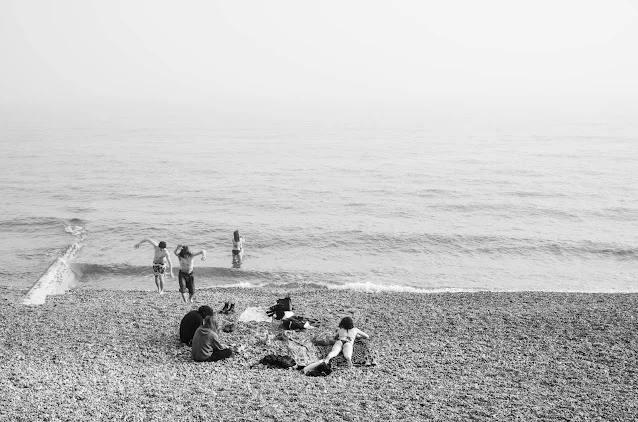
The ISO capabilities of the M10 Monochrom were particularly impressive, allowing for clean images at astonishingly high settings. For instance, I captured a beach selfie at 50,000 ISO, and the results were remarkably usable, with noise levels comparable to a high-contrast 35mm film negative. This remarkable performance at high ISO settings truly sets the M10 Monochrom apart from other cameras.
Technical Insights
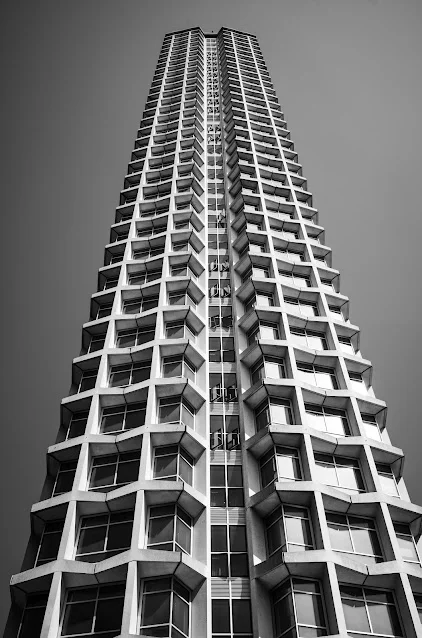
When diving into the specifications, the M10 Monochrom operates seamlessly at ISO settings ranging from 160 to 100,000. The beautiful grain reminiscent of medium format film is achievable while retaining excellent detail, particularly in shadows. For those used to shooting with film, the capacity to shoot at such high ISOs challenges traditional perceptions of what 'high ISO' means in a digital context.
Lens Pairings and Their Effects
Throughout the week, I experimented with multiple lenses, including the 28mm Summicron M f2, 35mm Zeiss Biogon-C, and 50mm Summicron. Each lens brought a unique perspective to black-and-white imagery, from the crisp lines of architecture to the delicate details in nature. For example, using the 50mm lens on a low-light street scene yielded beautifully detailed portraits with rich tonal variations.
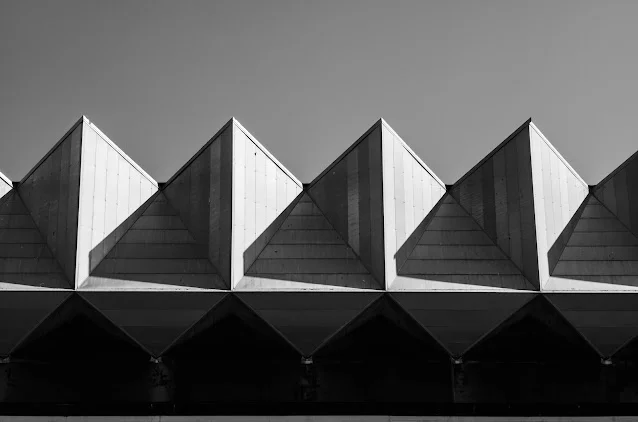
The use of color filters, such as red, yellow, and orange, further intensified contrast and allowed me to explore distinct visual outcomes under varied lighting. The high contrast produced by these filters suited the monochrome format beautifully, enhancing the visual storytelling within each shot.

Candid and Urban Photography
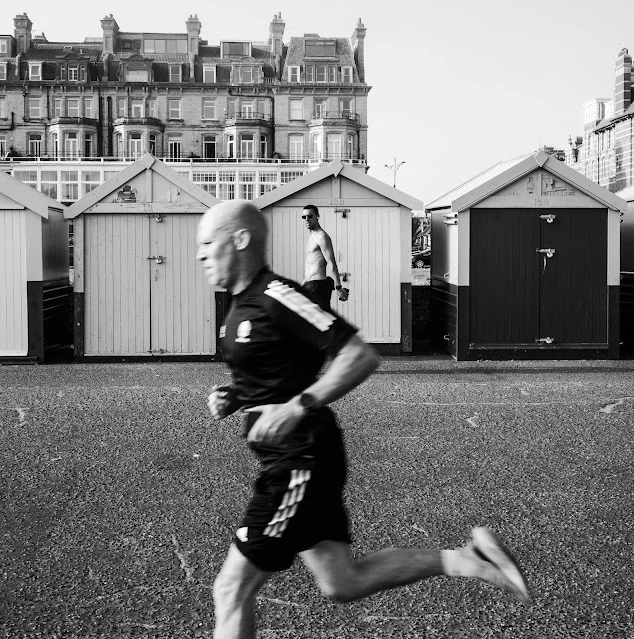
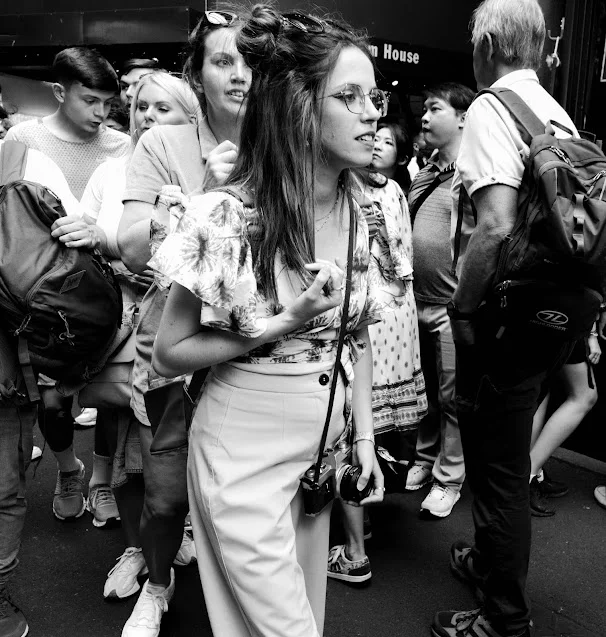
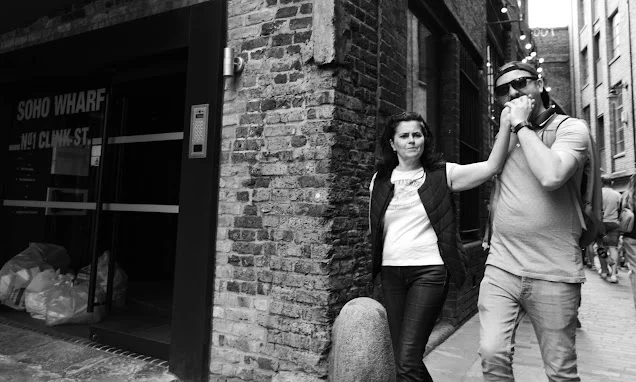
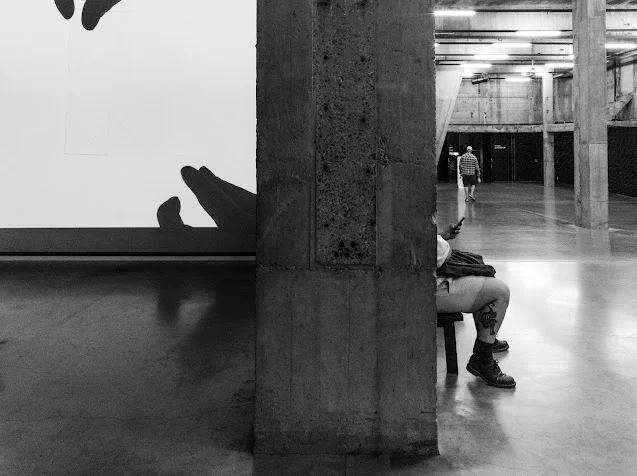
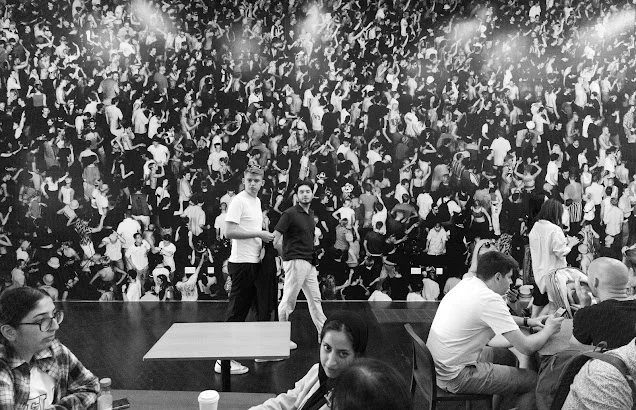
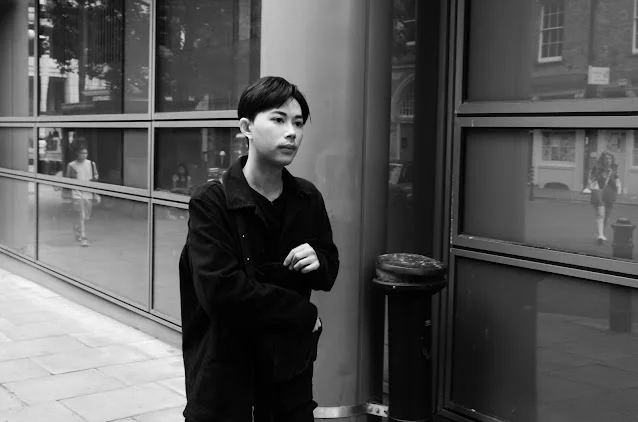
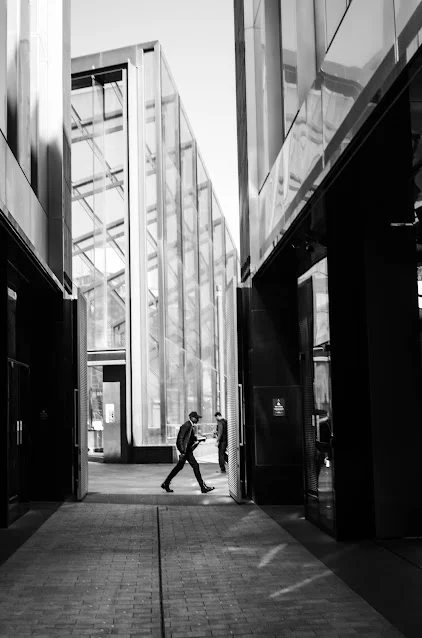
A significant highlight was capturing candid moments within bustling streets; the M10 Monochrom's size and weight made it non-intrusive, allowing me to seamlessly blend into the background. I shot a series of street scenes during my visit to Brighton, where urban dynamics and human interactions came alive through high-contrast blacks and whites.

One memorable moment was an encounter with a group of playful Chihuahuas, perfectly framed against the vibrant street backdrop, showcasing the camera’s combination of speed and depth in a single captivating shot.
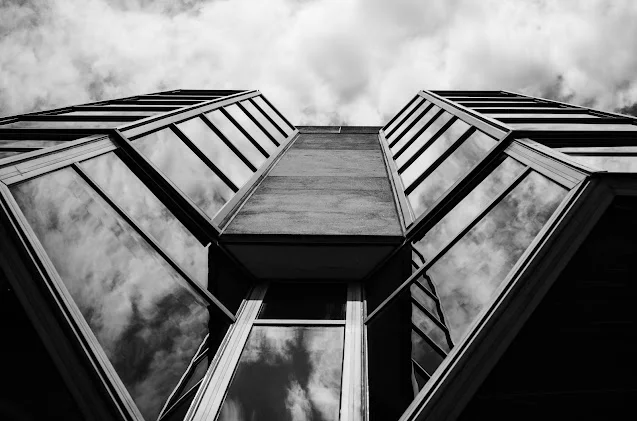
Architectural and Landscape Photography
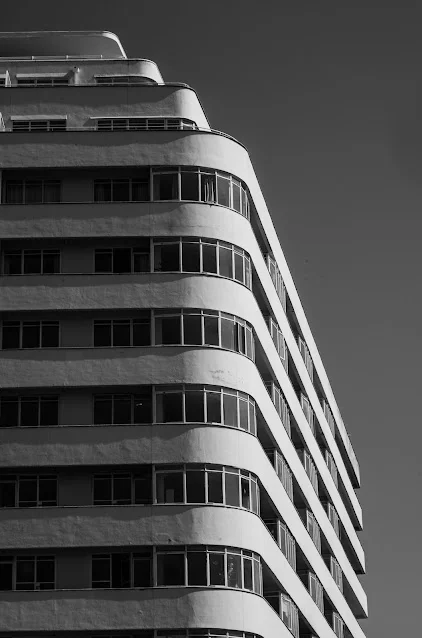
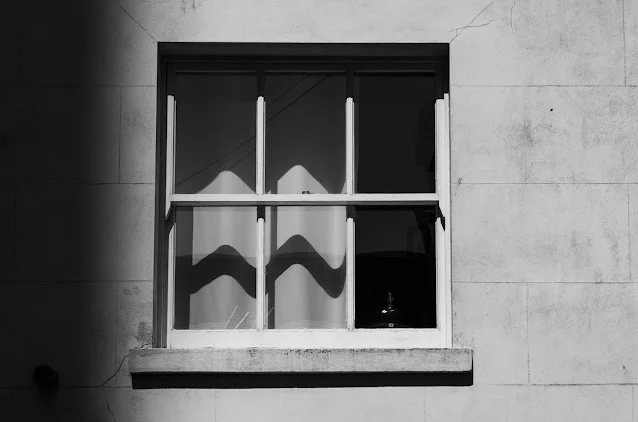
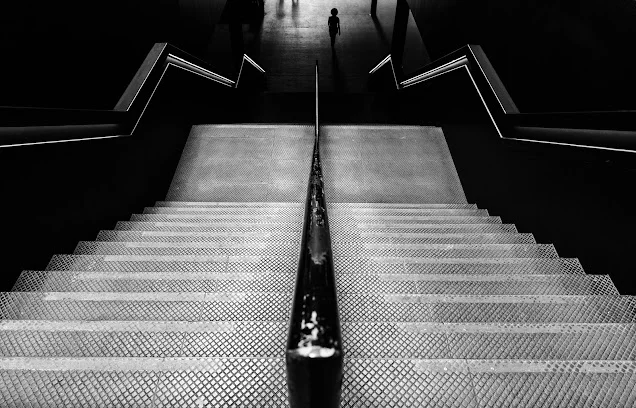
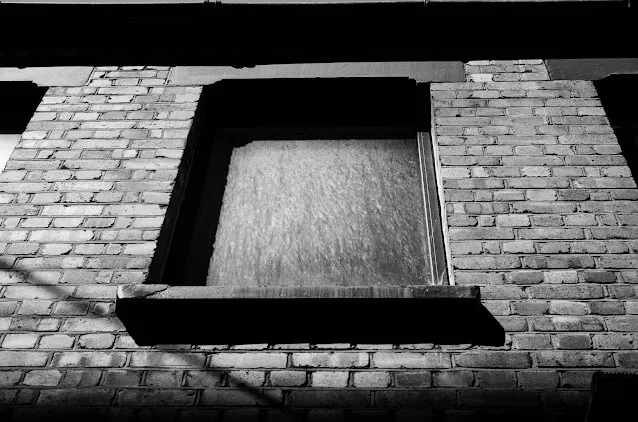
The M10 Monochrom's performance was equally commendable in architectural photography, where precision and detail are key. The ability to maintain clarity and rich gradation across varying shades of black has made it an invaluable tool for landscapes and structures alike.
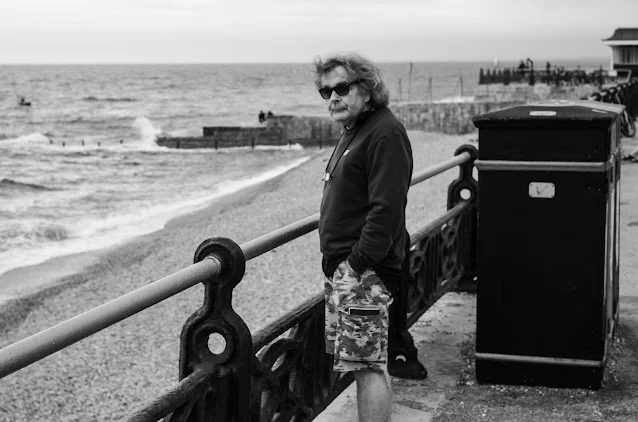
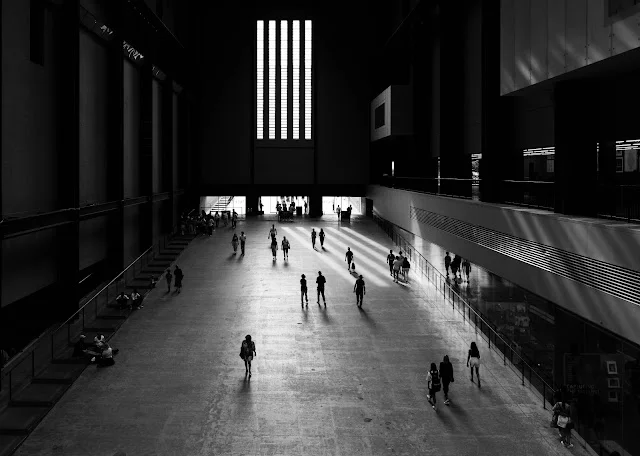
Capturing classic buildings and modern constructions in stark monochrome emphasized the geometry and composition of the scenes, allowing viewers to appreciate form and texture like never before.

Final Thoughts and Future Implications
Though I am deeply satisfied with the M10 Monochrom, I find myself contemplating future camera purchases. My next camera on the radar is the Fujifilm GFX 50R, a medium format option that promises a different style of photography, but I anticipate the M10 Monochrom will remain my go-to for black-and-white work.
The exquisite craftsmanship of this camera, combined with its unparalleled image handling in black-and-white, solidifies its place in my collection. It’s not just a robust tool; it embodies a certain charm, reminiscent of classic photography, making every shot I take feel special.
I look forward to continuing my exploration with this camera and sharing more insights and photographs that truly reflect the beauty and artistry possible with the M10 Monochrom. If you’re interested in viewing the entire series captured over this week, check out my Flickr gallery.