Enhancing Campus Apparel Sales with Ghost Mannequin Photography
| Shelf | Photo Techniques |
|---|---|
| Date in | |
| Readers | 550 |
Ghost mannequin photography offers colleges a way to present their apparel cohesively, improving brand consistency and customer trust in online stores.
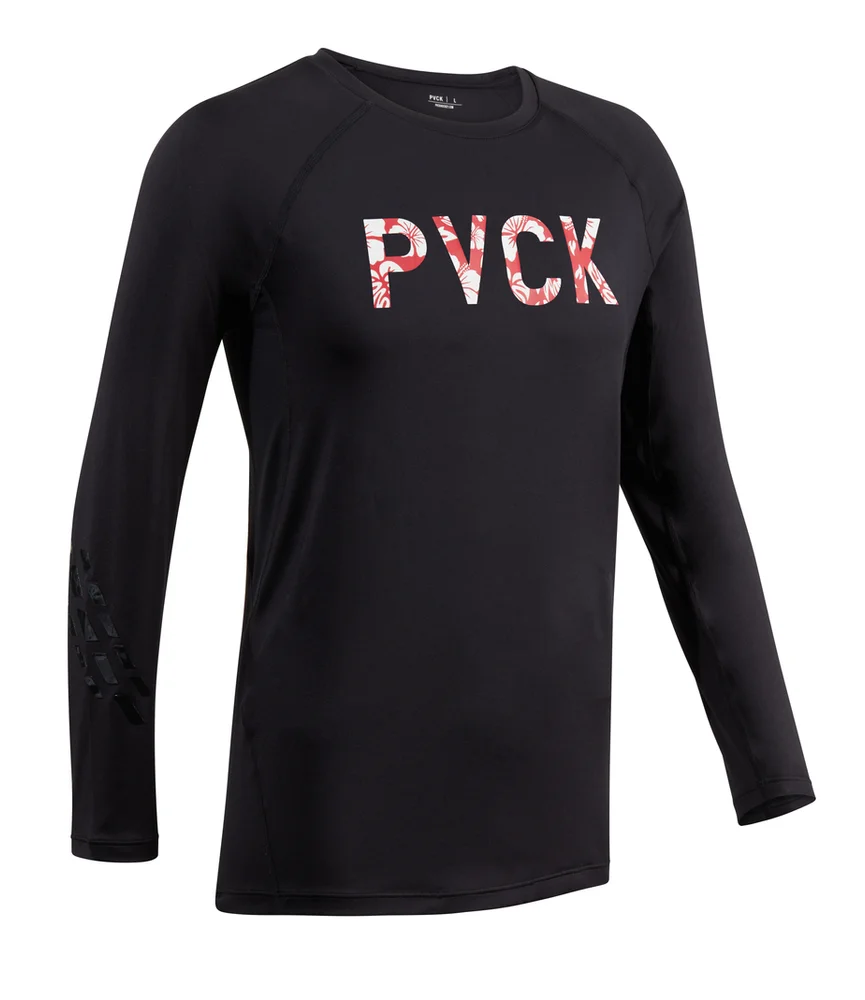
When you step into a campus bookstore, you may notice a striking difference in the presentation of apparel. Some items, like sweatshirts, radiate a premium retail vibe, while others, such as t-shirts, may evoke a dated appearance. This inconsistency often stems from colleges relying on product images provided by different apparel vendors, each with their unique styles and standards.
For institutions that are dedicated to fostering a cohesive brand image, these discrepancies can dilute their professionalism. Rather than reflecting a unified university identity, a hodgepodge of vendor photography can leave a disjointed impression on potential buyers. Ghost mannequin photography presents a solution that not only enhances the visual appeal of products but also strengthens the overall branding of the institution.
The Cons of Vendor-Supplied Apparel Images
While vendor-supplied photography might seem convenient, it's seldom aligned with your bookstore's aesthetics. Different brands employ varied techniques; one might favor a stark white backdrop, while another opts for gray. Presentation formats vary as well—some items are folded, others draped on hangers, and many photographed on live models. These disparities create an unharmonious shopping environment where garments appear out of context, thereby undermining the trust and professionalism that schools strive to portray.
How Ghost Mannequin Photography Enhances the Shopping Experience
Ghost mannequin photography effectively breathes life into apparel by showcasing its shape and structure without the distraction of visible models. Unlike traditional flat-lay photography, which can render garments lifeless, this technique focuses solely on the clothing, presenting a more accurate depiction of how an item will look when worn.
- Unified Aesthetic: Every product maintains a consistent look, enhancing brand coherence.
- Accurate Fit Representation: Shoppers can clearly assess the shape and fit of garments.
- Premium Appearance: The polished look elevates the perception of the school's brand.
- Increased Customer Confidence: A harmonious presentation fosters trust among buyers.
- Brand Visibility: The technique strengthens the visual representation of the university's identity.
This approach is applicable to all types of apparel, whether hoodies, jackets, or t-shirts. By establishing consistency, universities can cultivate a shopping experience reminiscent of major retail brands, ultimately leading to increased sales.
A Case Study: The Coop at Harvard and MIT
Recently, I collaborated with The Coop, the campus bookstore for Harvard and MIT, to photograph their apparel collection. Similar to other college bookstores, they faced the challenge of inconsistent product photography from various vendors. As a remedy, we opted for a phased approach to revamp the photography.
Instead of overhauling thousands of images in one go, we began by addressing the items with the poorest photography. This incremental strategy allows us to replace images gradually as new merchandise arrives, ensuring that every product is shot under identical lighting and styling guidelines, fostering a sense of unity.
This method not only improves the shopping experience immediately but also sets a long-term visual standard for the entire catalog as it evolves.
Understanding the Craft of Ghost Mannequin Photography
The process of creating high-quality ghost mannequin images is meticulous. Preparation often requires more time than the actual photoshoot. Here’s a breakdown of essential steps:
Prepping the Garments
Every item of clothing is thoroughly steamed to eliminate wrinkles and ensure it looks sharp under professional lighting.
Consistent Presentation
Garments are dressed on the mannequin in a uniform manner, with sleeves, collars, and hems carefully adjusted to follow a consistent style across the collection.
Uniform Lighting
Using identical lighting for every shoot is vital. This ensures that products remain visually consistent, even when photographed weeks apart.
Attention to Detail
Many might not realize that additional images are taken to remove the mannequin during editing. Special insert shots capture areas like the collar and neckline, enabling a floating effect that enhances the garment's presentation.
Is the Investment in Ghost Mannequin Photography Justifiable?
If a bookstore carries only a few items, relying on vendor images might suffice. However, for colleges handling dozens or hundreds of apparel SKUs from various brands, investing in ghost mannequin photography transforms the online shopping experience. It fosters a cohesive visual identity crucial for brand representation.
Your apparel isn't just clothing; it's an extension of your college's image. Ensuring that the photography reflects this ethos is paramount. For higher education institutions, implementing a consistent visual identity doesn't have to be a swift process. Initiating improvements with best-selling products or prioritizing those with poorer imagery is often a more sensible strategy.
Over time, these incremental enhancements lead to a professional campus store that instills confidence in shoppers and accurately represents the quality of the institution.