OpenShot 3.1.1 Release: Enhanced Object Detection and Stability Improvements
| Shelf | Photo Techniques |
|---|---|
| Date in | |
| Readers | 560 |
OpenShot Video Editor 3.1.1 brings critical bug fixes and quality-of-life enhancements, elevating user experience with improved performance and features.
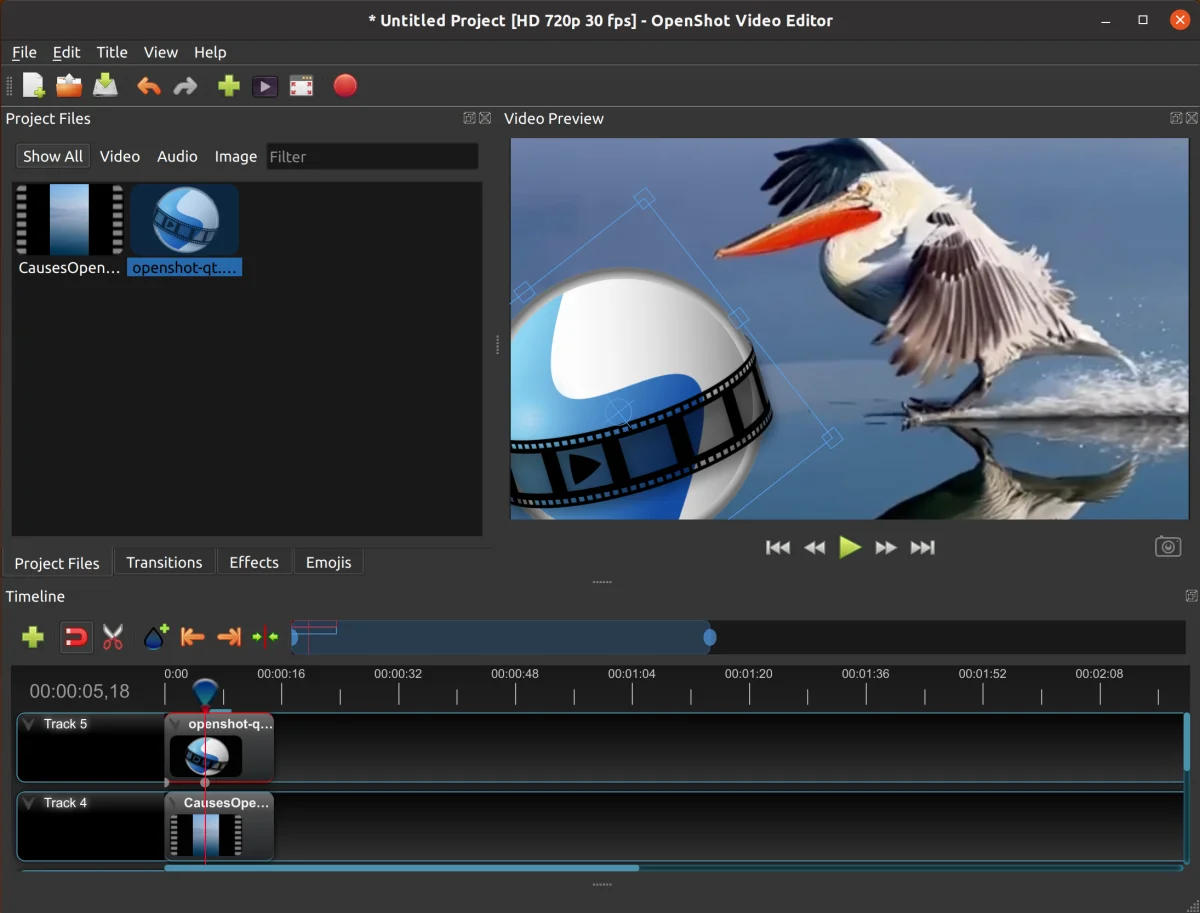
Download the latest version of OpenShot Video Editor 3.1.1, which focuses on refining stability and incorporating numerous quality-of-life improvements based on user feedback.
Key Enhancements and Features
- Significant improvements to the
TrackerandObject Detectioneffects notably enhance property editing capabilities, eliminate crashes, and remove the default black background. This kind of enhancement is often seen in video editing software as users demand more intuitive editing options and efficient workflow. - Changes to the
Parentproperty now simplify context menus and feature a unifiedNoneoption, along with embedded thumbnail images for easier navigation. Visual clarity in user interfaces has a direct impact on productivity, allowing editors to focus on creativity rather than navigating complex menus. - This update prevents the application from freezing upon launch when OpenShot's sample rate is mismatched with the default Windows sample rate, an issue that could frustrate users and deter them from creating projects in the first place.
- A new Profile Search button has been integrated into the Preferences panel, making it simpler to filter and search for default profiles. Although seemingly minor, this function could save users a great deal of time, especially those who work with numerous profiles.
- Resolved an issue related to duplicate Profile names that caused complications when exporting and reopening projects with certain duplicated profiles. This was a persistent headache for many users, underscoring the importance of streamlined operations in editing software.
- Introduced safeguards for the webview timeline that protect against excessive messages from libopenshot, which were leading to crashes in specific scenarios. Such crashes can be devastating during editing, highlighting the significance of stability in software updates.
- Enhanced caching logic surrounding the Property Editor boosts overall performance during clip property adjustments. Efficient caching mechanisms are often a key differentiator in software performance, especially in complex projects.
- This version effectively addresses a large memory leak in the
Clip::Close()method, thereby ensuring the Clip cache is cleared properly. Memory leaks can severely undermine a user's editing experience, making the resolution of this issue particularly valuable. - Implemented a thread lock to prevent crashes associated with the
timeline::SetCachemethod. Such technical barriers are essential to maintain a fluid workflow in real-time editing environments. - Additional logging has been introduced for better tracking during audio device detection and initialization processes, aiding users in troubleshooting any audio issues that may arise.
- Audio-only clips can now be made transparent, revealing underlying video or images. This feature offers more creative freedom, allowing editors to blend audio and visual elements in more dynamic ways.
- Various fixes related to WebM decoding have been applied to reduce instances of freezing and crashes. Effective handling of various codecs is crucial, as it impacts the software's versatility in working with different video formats.
- Corrected a divide by zero error in
AudioWaveformerwhen no amplitude was found. Such errors can be frustrating obstacles to workflow, and this fix is likely to be appreciated by audio-focused editors. - Updated the build scripts and removed the Ubuntu 18.04 builder from GitHub actions, alongside several tweaks. Maintaining updated dependencies is key to security and performance in software development.
- Numerous small refactors and fixes have been made to reduce noisy errors reported by Sentry.io. Developers often face an ongoing challenge in balancing functionality with performance, and these tweaks are a step toward addressing that balance.
- The minimum libopenshot C++ dependency is now set to
0.3.2. Dependency management can directly affect application performance, so users will appreciate a systematic approach to these updates. - Translations for multiple languages have been refreshed, ultimately broadening the software's accessibility. This can foster a more inclusive community of users, essential in today's globalized digital world.
- The credits and donor listings have been updated to acknowledge contributions—recognition often fuels community engagement and support.
User-Focused Quality Enhancements
The development of OpenShot 3.1.1 was heavily influenced by user input gathered from the 3.1.0 release. The team prioritized resolving issues that affected the most users, as well as responding to automated bug reports obtained from platforms like Sentry.io. User feedback is vital in shaping software updates; it aligns development focus with real-world issues experienced by diverse users.
This release successfully remedies various serious problems, including crashes, interface lags, and video compatibility concerns, ensuring a smoother editing experience. This showcases a good practice in software development: responding to direct user engagement can lead to improvements that resonate well within the user community. Many updates are often reactive rather than proactive, stemming from a reaction to previous shortcomings.
Installation Guide
To get started with OpenShot 3.1.1, simply download the latest version and refer to our detailed installation guide. This straightforward process helps users dive into their projects quickly, a necessity in fast-paced editing environments.
Join Our Community
Your contributions can make a real difference! By donating, your name will be displayed on the OpenShot website and in the credits of the next version of the software. For those interested in supporting OpenShot through contributions of any nature, we warmly invite you to become a part of this project. You don’t need coding experience. Reach out to us at hello@openshot.org to get involved. Engaging with the community is more than just support; it’s creating a collaborative environment where ideas can flourish.
Implications and Future Outlook
The updates in OpenShot 3.1.1 reflect an ongoing commitment to user satisfaction and software efficiency. This isn't just another version—it's a signal of deeper involvement with the editorial community. If you're working in this space, consider how receptive developers are to feedback and the adjustments that can result from such communication. These enhancements should lead to fewer disruptions in workflow and a more productive editing atmosphere.
As video editing continues to grow in both professional and amateur realms, software like OpenShot needs to stay adaptable. The trends indicate a rise in demand for real-time collaboration tools and robust performance across varying hardware environments. Thus, future iterations might focus on integrating more collaborative features, or even cloud-based capabilities, to further enhance user flexibility.
In this competitive software market, maintaining a dialogue with users will be essential. The improvements made so far could set the stage for broader adoption, transforming OpenShot into a go-to choice for amateur and professional videographers alike.
Full Changelogs and Resources
- For full details, check out the libopenshot-audio Changelog (Version: 0.3.2, SO: 9).
- Visit the libopenshot Changelog (Version: 0.3.2, SO: 25) for an in-depth look.
- For specifics on the openshot-qt Changelog (Version: 3.1.1), explore here.
- Check our Trello Release Board for ongoing discussions and details about the 3.1.1 release development.


