Explore Angola's Hidden Biodiversity: A Photographic Journey through Untouched Ecosystems
| Shelf | Photo Techniques |
|---|---|
| Date in | |
| Readers | 746 |
Join an expedition uncovering Angola's rich biodiversity and see stunning images that reveal the region's unique microfauna and landscapes.
Into the Heart of Angola's Biodiversity
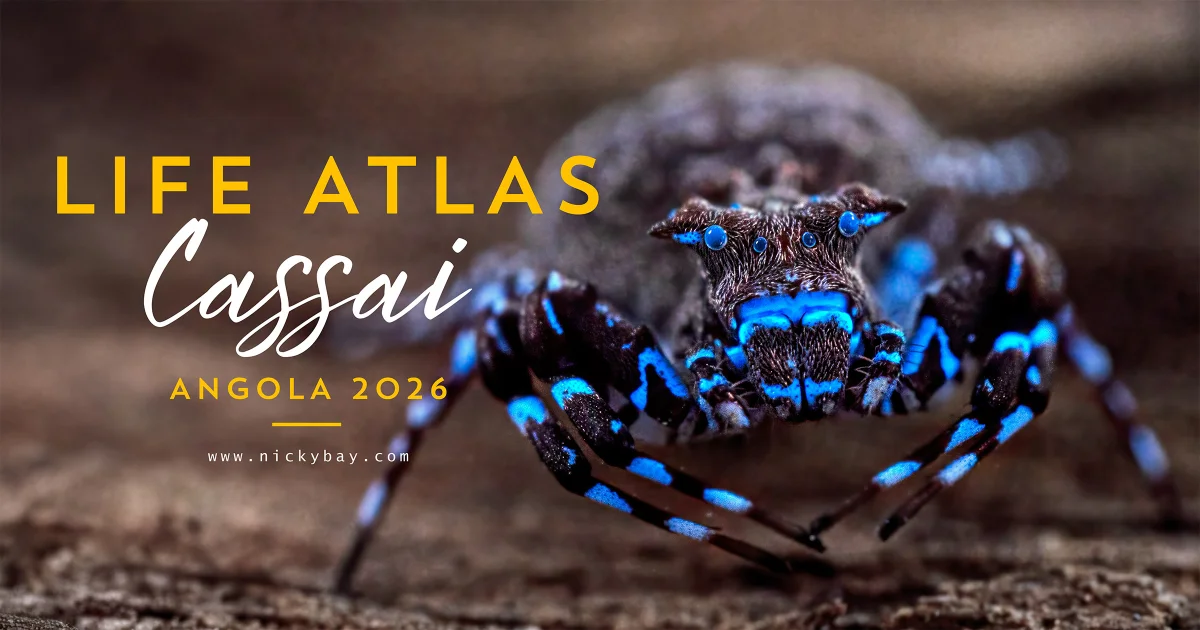
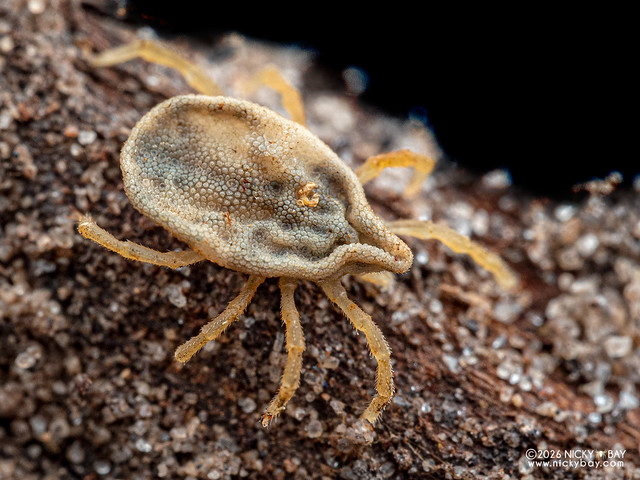
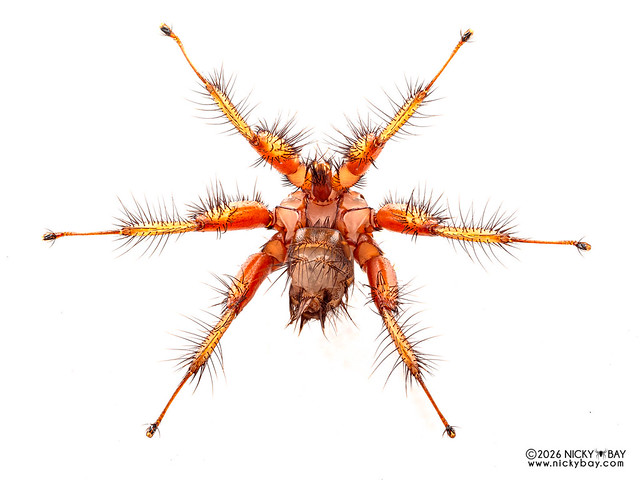
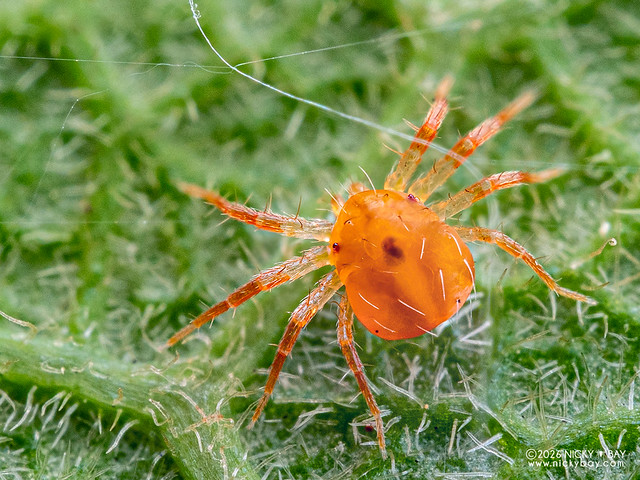
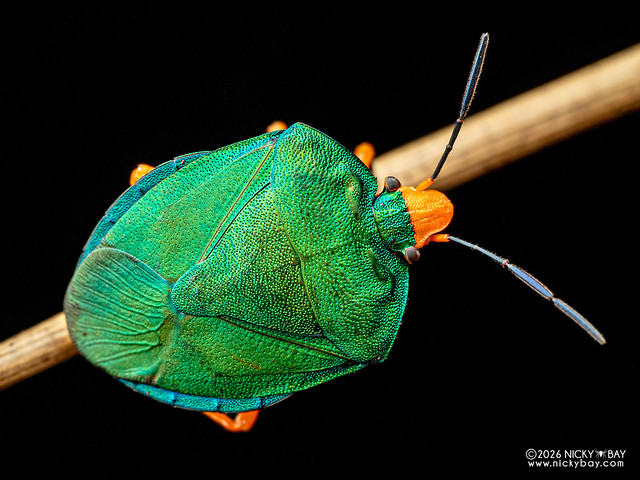
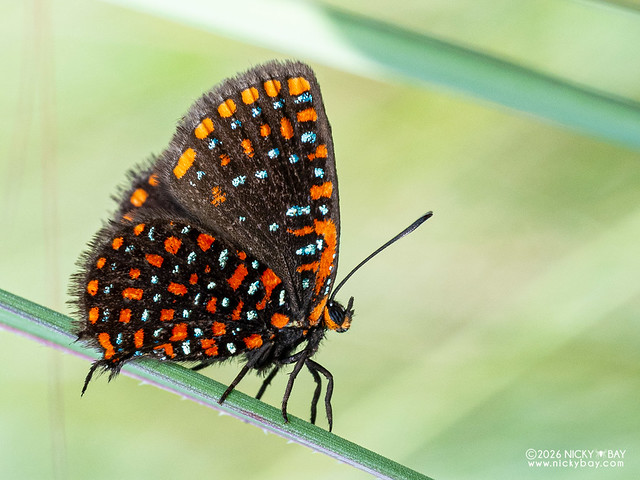
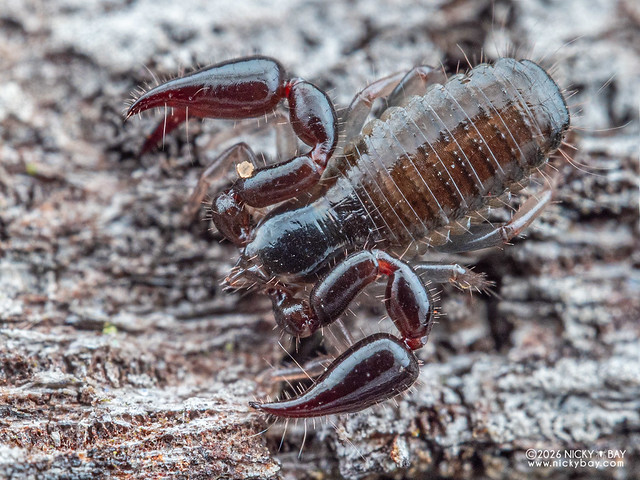
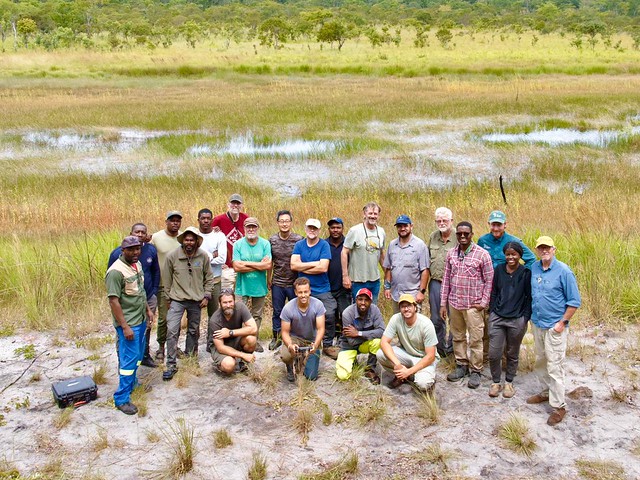
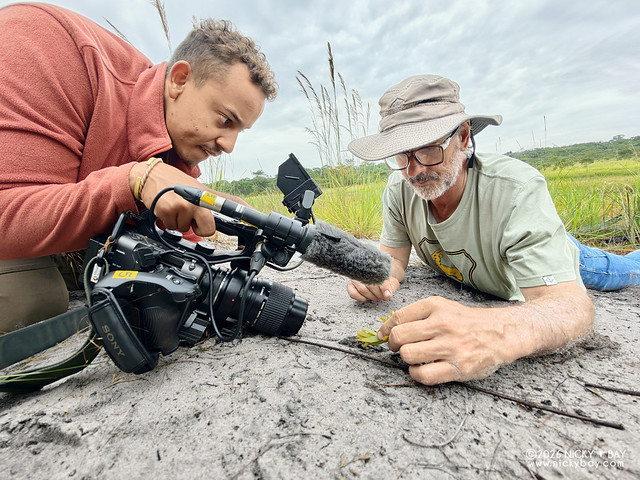
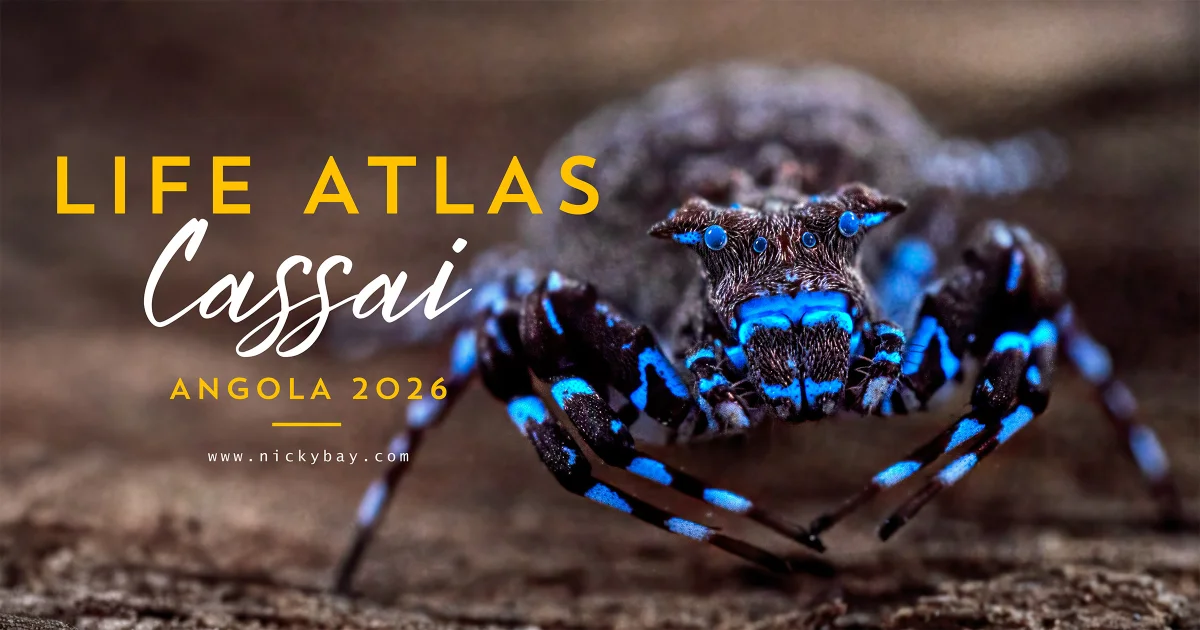
In February 2026, I embarked on an eye-opening journey, plunging into the remote highlands of Angola—an untouched biodiversity hub that feeds major river systems including the Okavango and Zambezi. This mission, known as the Cassai Life Atlas, aimed to survey the area’s rich and largely unexplored natural wealth. Our crew comprised 16 specialists—eight locals and eight international volunteers—ranging from entomologists to botanists. I joined as the expedition’s macro photographer and videographer, equipped with a mission to document the intricate microfauna of the region. Landmines from decades of conflict had kept this plateau largely under the radar of scientific inquiry. With the dedicated efforts of HALO Trust—a mine clearance organization—our path was cleared each day, allowing our diverse team to safely explore and gather crucial data. There’s something both humbling and exhilarating about entering a land so steeped in history yet so rich in opportunities for discovery. What stands out about this mission isn't just the rare species we hoped to catalog, but also the awareness of our precarious navigation through landscapes shaped by violence. As we vented out from our safe zones within meticulously marked corridors, every trap set and specimen collected became a small victory in revealing Angola's hidden treasures. At the end of our survey, we could gauge that we had likely encountered species new to science—a promising sign that much of this ecological marvel remains to be uncovered. To truly appreciate the expedition's essence, here’s a video trailer that encapsulates the experience: [Watch the Expedition Trailer](link).The Expedition Journal
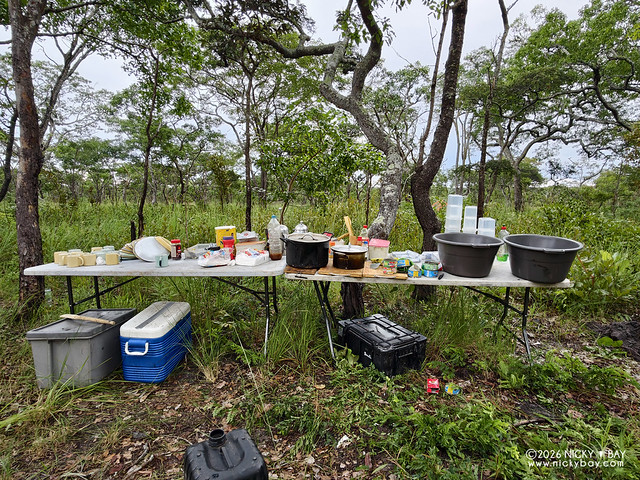
I documented the journey extensively, producing around 12,000 images throughout our time on the expedition. Out of these, around 3,500 images made it online, a mere fraction representing less than 2% of my shots. If you're keen to see more, my work on this project can be explored through my [Angola Flickr Collection](https://www.flickr.com/photos/nickadel/collections/72157724752056733/) or my observations on [iNaturalist](https://www.inaturalist.org/observations?place_id=7100&user_id=nickybay&verifiable=any). This photo journal not only documents our findings but also gives a glimpse of the rugged conditions we faced. The balance between triumph and challenge defined our days as we navigated difficult terrain, confronted vehicle breakdowns, and set up temporary camps, all while searching for the delicate and elusive specimens that showcase Angola’s biodiversity. My hope is that these snapshots convey not just the beauty of the natural world, but the relentless spirit of exploration and research that binds us all together in the quest for knowledge.Documenting Unique Finds in the Rainforest
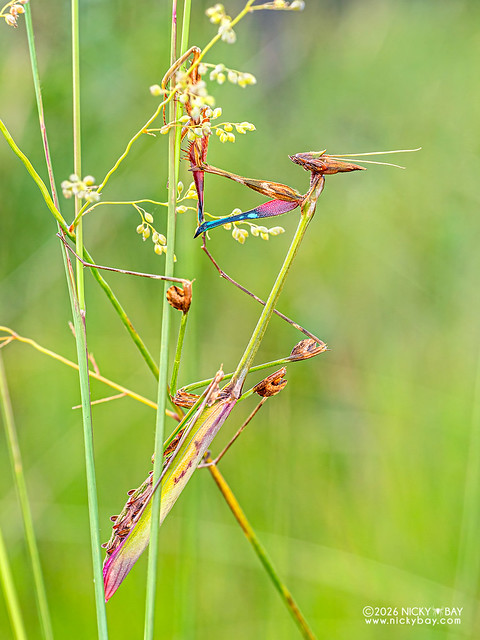
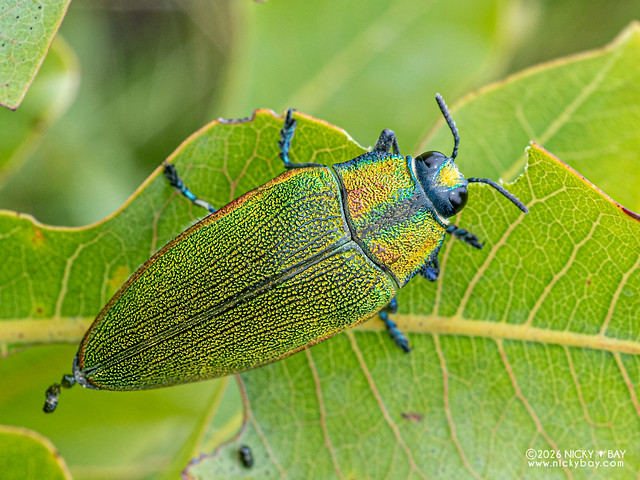
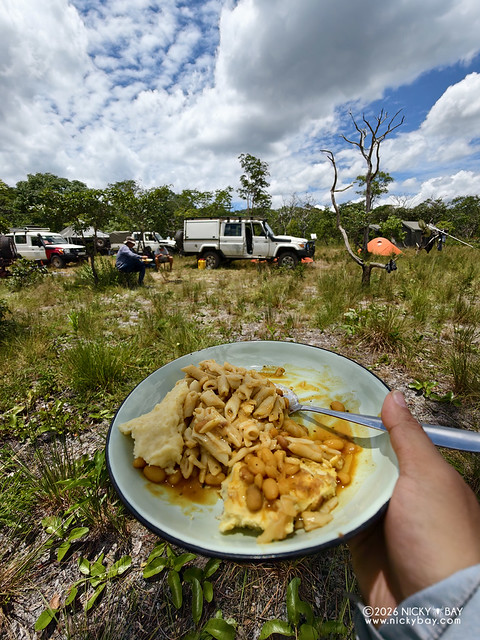
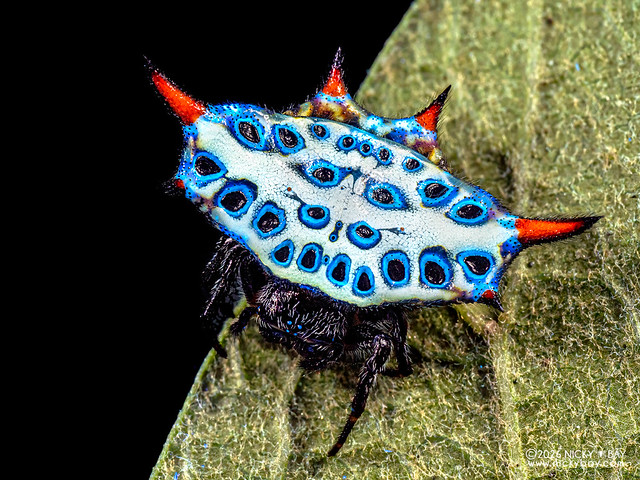
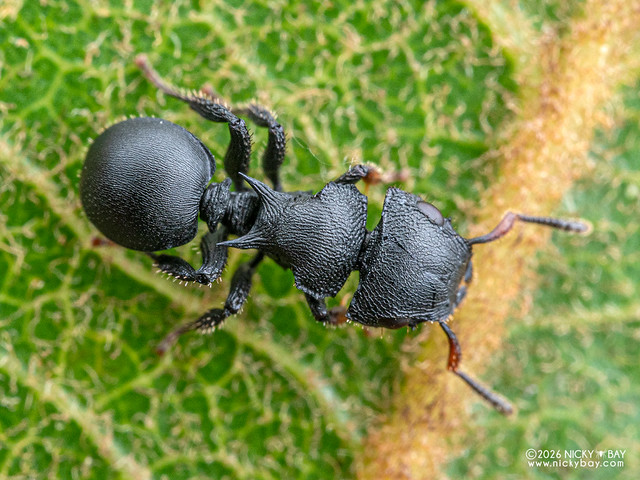
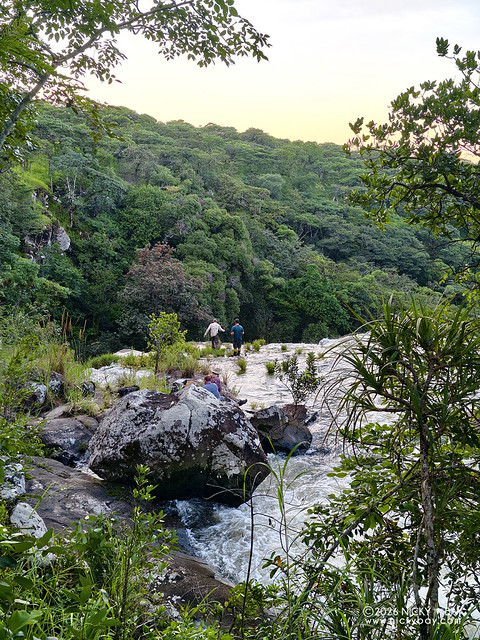
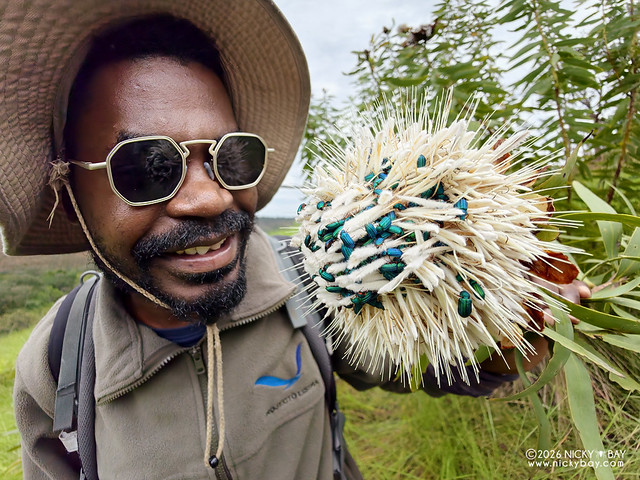
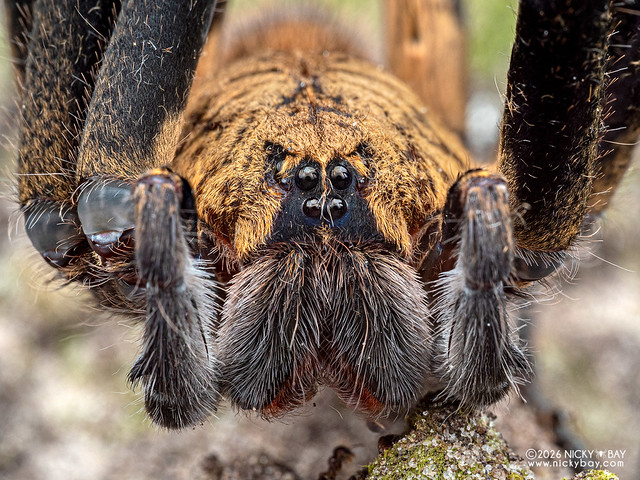
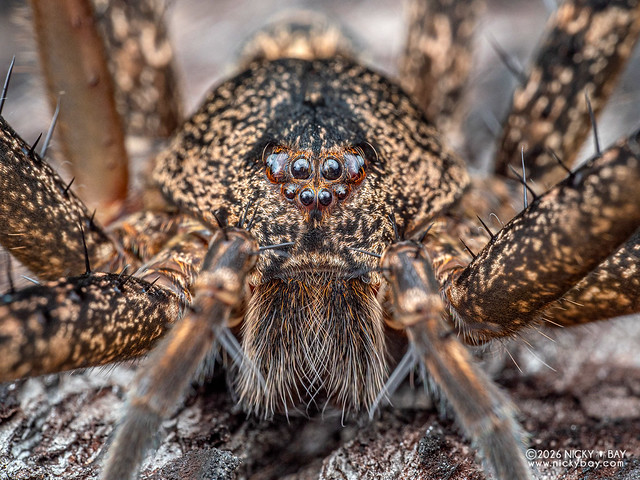
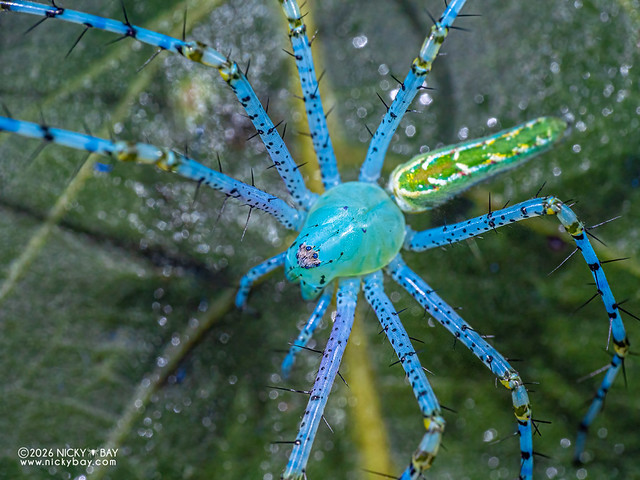
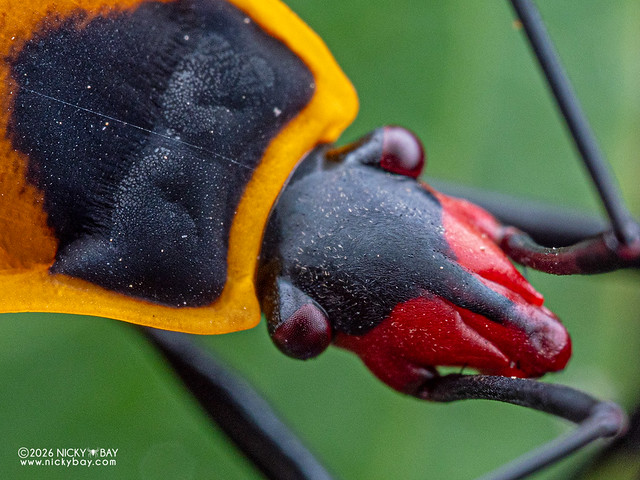
One of the highlights during our expedition was the unexpected encounters with some fascinating insect species. Take the **Goliath fruit beetle** (Mecynorhina confluens). As we were breaking down camp, Eric's keen eye caught sight of these majestic beetles perched high in the trees. Unfortunately, they took flight before we could capture them on camera, but Rob did manage to photograph another specimen later on. Such moments showcase the thrill of exploration and highlight why it's vital to remain observant in the field. Another notable discovery was when Eduardo meticulously scanned the terrain for landmines using advanced thermal imaging drones. This level of precaution is crucial, considering the unpredictable nature of our surroundings and the potential dangers hidden beneath the ground. Such technology not only ensures everyone's safety but also allows us to focus more on our research endeavors. Moving on, we encountered an impressive **ladybird orb weaver** (Isoxya kochi). Initially mistaken for a member of the Paraplectana genus, a closer inspection revealed it had strayed considerably in taxonomic classification. After scrutinizing old references, I found that this species had been shuffled through at least seven different genera over the past century and a half, ultimately landing within the Gasteracanthinae subfamily. Its striking spiny features are rather emblematic of this group, except for this peculiar find, which lacks the typical abdominal protrusions. While navigating through the dense underbrush, Laurinda spotted an **orb weaver spider** that appeared related to Megaraneus gabonensis. Its rounded abdominal tubercles set it apart, emphasizing the incredible biodiversity present in the area. This observation not only adds to our catalog of species but also reiterates the importance of careful morphological analysis in entomology. On the beetle front, a **tortoise beetle** was another intriguing catch, notable for a distinctive notch that reveals its head. Such adaptations are common in this family and highlight the diversity of survival strategies among beetles. As we documented these various species, we couldn’t help but appreciate their unique adaptations and contributions to the ecosystem. The encounter with an **emerald dung beetle** (Kheper vanderkelleni) further embodied the diverse fauna surrounding us. The sounds of their buzzing wings were a regular morning accompaniment. Chasing these large, vibrant beetles proved challenging, but their connection to ancient mythology—their name inspired by a scarab—adds a historical layer to our scientific observations. Never dull, our time in the rainforest was punctuated with moments like a **chill by the river**, where a simple break for lunch became a small adventure in itself. There were times when I’d find myself lost in thought, taking in the surroundings while enjoying the leftovers from previous meals, all while encountering more wildlife and beautiful scenery. As our journey continued, we meticulously documented each significant moment, whether it stemmed from a rare species sighting like the **spiny orb weaver** (Gasteracantha sanguinolenta) or the mere logistics of setting up camp amidst nature. Each day presented new challenges, but with each unique find, we built a deeper understanding of the rich tapestry of life that resides within the rainforest.Reflections from the Expedition
The journey through the wilderness has revealed more than just stunning landscapes and diverse species; it has highlighted the intricate interconnections between researchers and the natural world. Amid the discussions over snake identifications, like the contentious debate over whether a snake was a Boomslang or not, we've witnessed the passion that drives fieldwork. There's camaraderie in those moments, where knowledge is shared and collective curiosity fuels the quest for understanding amidst the serene chaos of nature. During our time at various camps, we've encountered a multitude of species, each encounter steeped in its own story. Take, for example, the moment when Werner was documenting the Two-lined Night Adder — a fleeting opportunity transformed into a memory as we scrambled to capture images. Similarly, the Congo Burrowing Asp, cooperative as it was, offered us a brief moment of connection, a testament to the fleeting nature of wildlife documentation.A Candid Look at Nature and Interactions
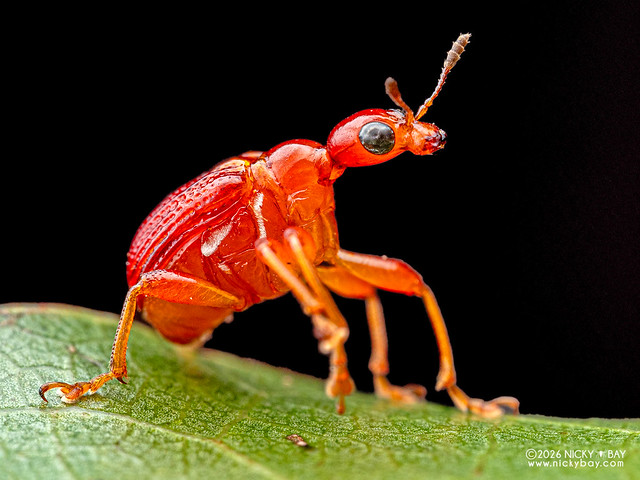
It’s more than just capturing images; it’s about forging relationships — with fellow researchers and the environment. For instance, the interaction with locals while awaiting a guide was a reminder that our exploration is not isolated. The villagers' curiosity mirrored our own, as children watched our every move, a reminder that nature intertwines with community. As we navigated through the wilderness, straddling the line between scientist and observer, we encountered everything from the stunning Emperor Moth to the elusive Blister Beetle. Each species encountered was a thread in the fabric of biodiversity, offering insights into ecological health and the state of our natural world. Photographing these creatures was not only a personal achievement but also a stride toward contributing to greater scientific knowledge.Final Thoughts: The Nature of Discovery
Looking back on this expedition, it’s evident that every moment counts. From the striking waterfall views, where I chose to protect my equipment rather than risk a fall, to the humorous skirmishes with stingless bees, every experience enriches our understanding of the environment. As we share stories and photographs, remember this: the core of exploration lies not just in the data we collect but in the relationships we build and the stories we tell. Let's carry these insights into future projects, pushing the boundaries of our understanding while nurturing our connection with the world around us. What’s next? As we plan future expeditions, consider how to balance scientific rigor with the joy of discovery. After all, the best research often comes from a place of fascination and a genuine respect for nature. So let's keep our lenses sharp and our minds open, ready for whatever comes next.