Discover Borneo's Hidden Macro Photography Gem: Gunung Trusmadi's Borneo Jungle Girl Camp
| Shelf | Photo Techniques |
|---|---|
| Date in | |
| Readers | 369 |
Explore Gunung Trusmadi's biodiversity hotspot, capturing stunning moth species and enhancing macro photography skills in this unique jungle camp.
Exploring the Wonders of Gunung Trusmadi's Moths
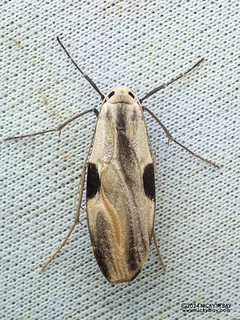
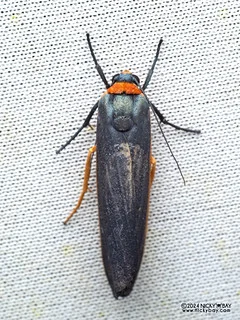
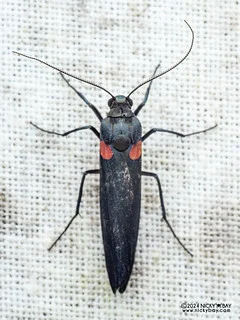
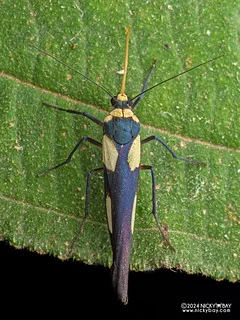
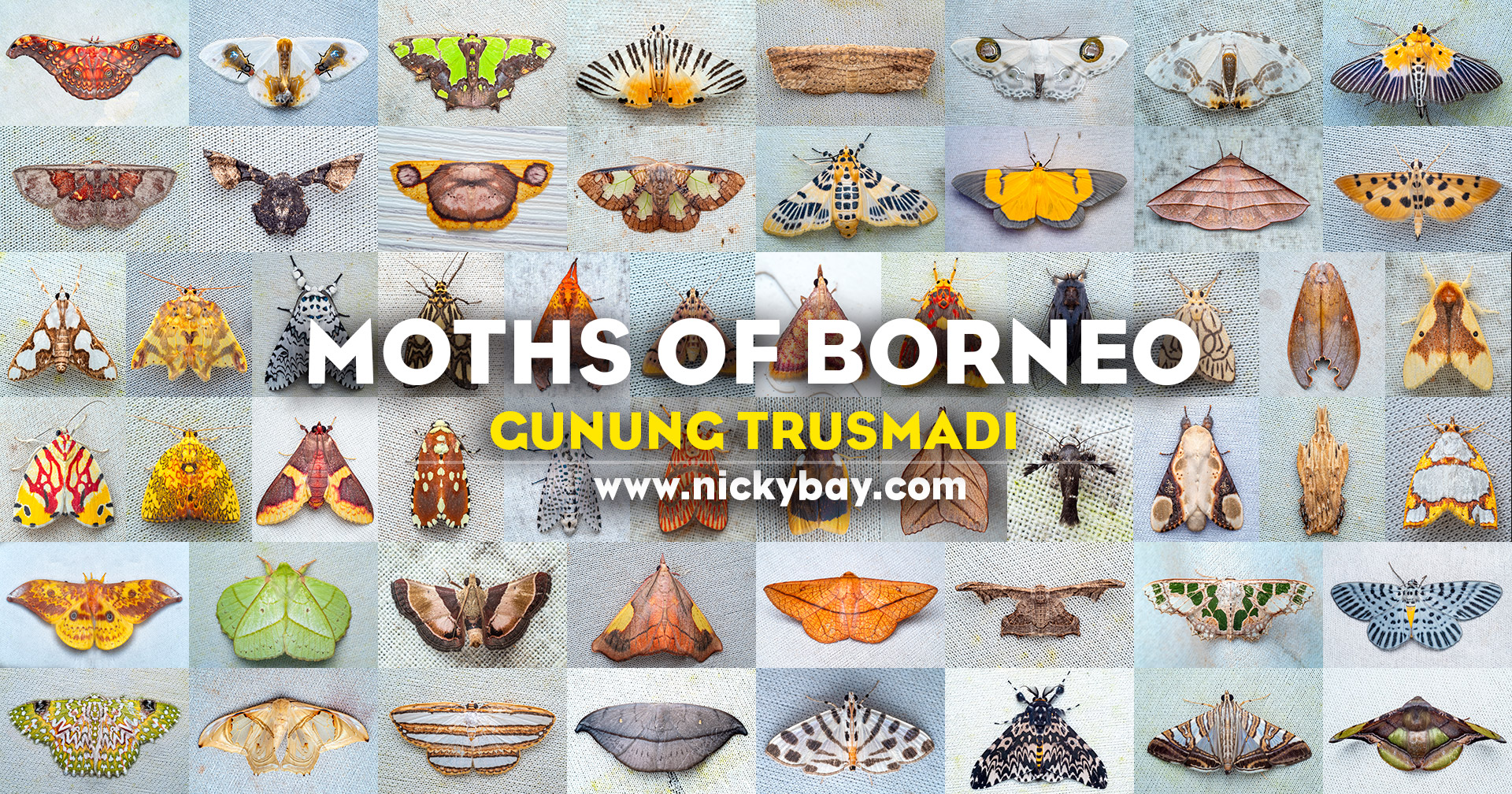
Whether you're an entomology enthusiast or simply curious about the diverse species of Borneo, the Borneo Jungle Girl Camp at Gunung Trusmadi offers an unrivaled haven for macro photography and insect observation. Nestled within one of Malaysia's most pristine forestry reserves, this camp is dedicated to studying and photographing moths and other specialized fauna.Location Insights
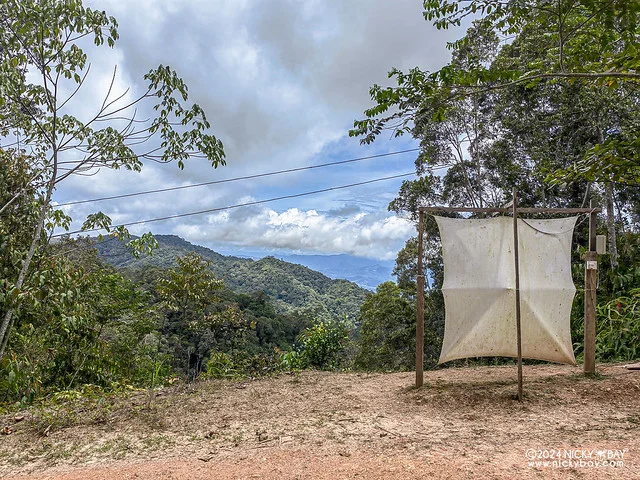
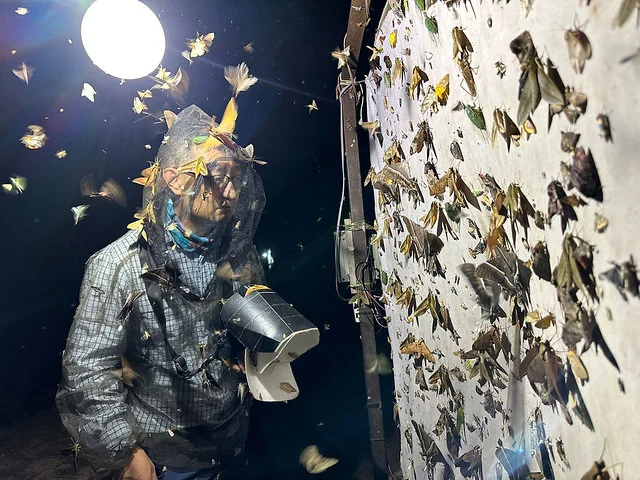
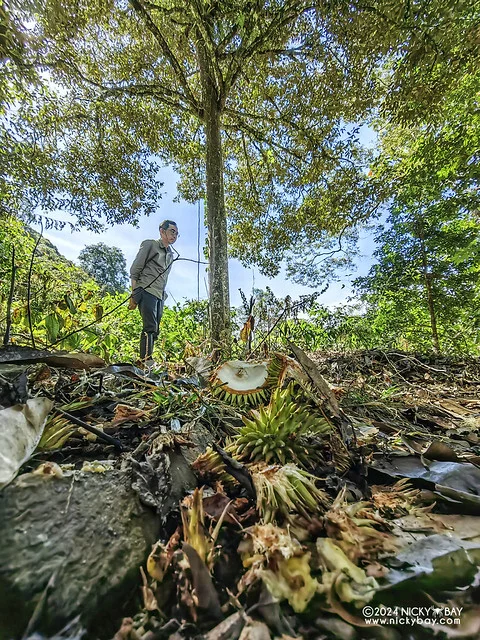
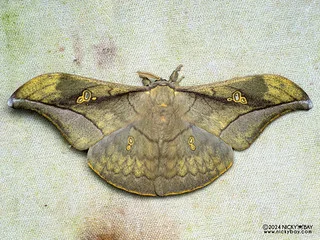
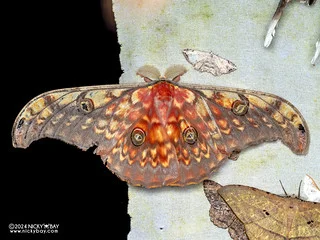
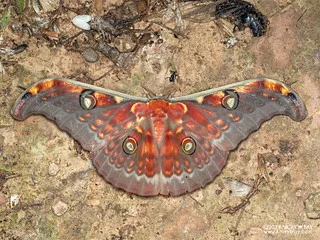
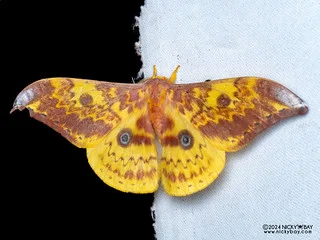
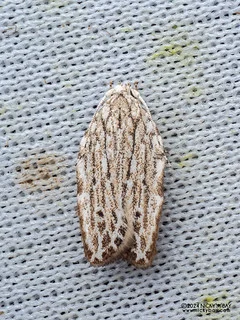
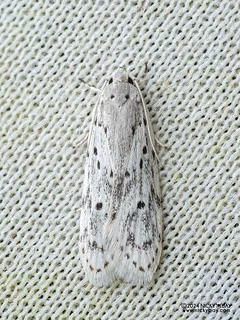
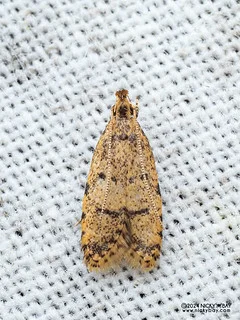
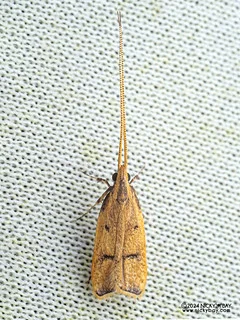
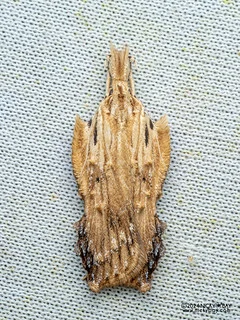
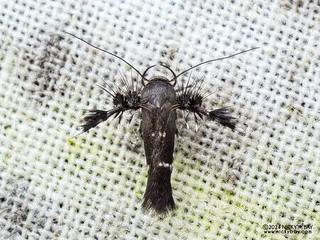
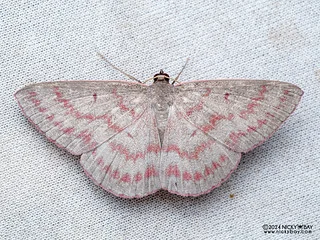
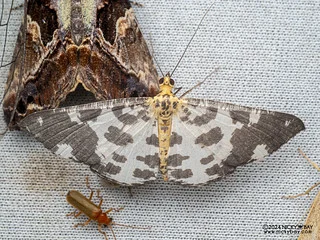
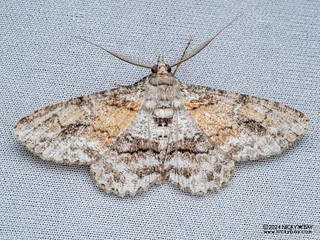
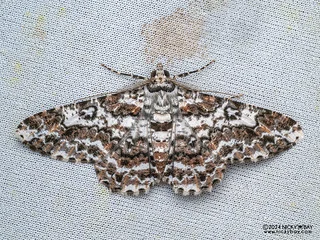
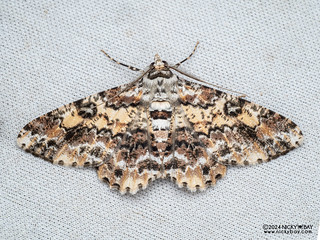
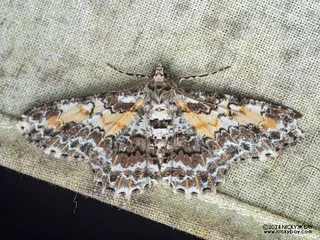
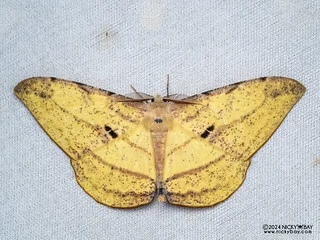
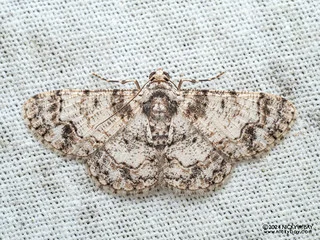
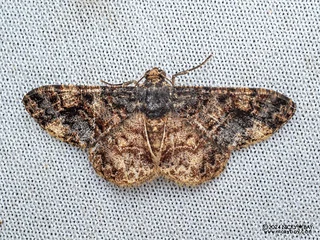
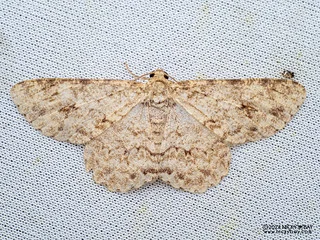
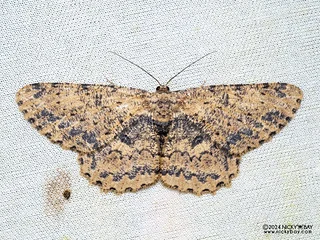
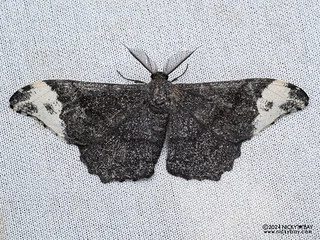
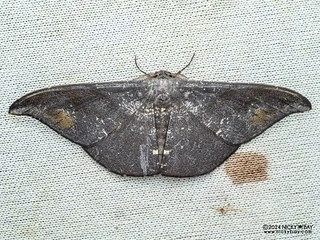
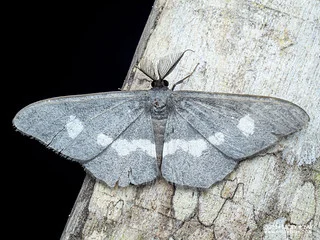
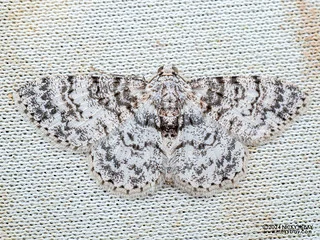
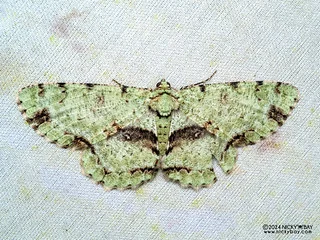
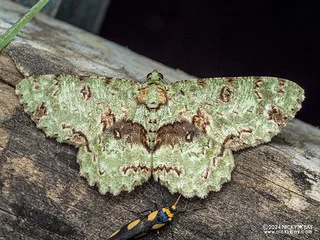
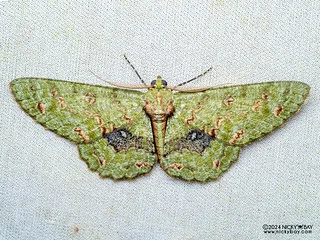
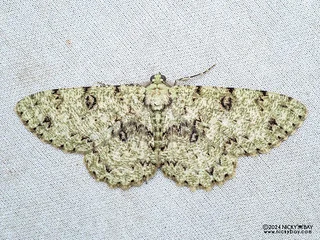
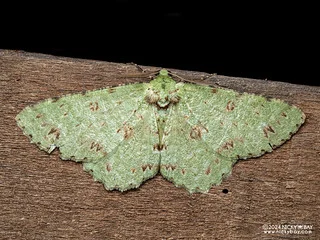
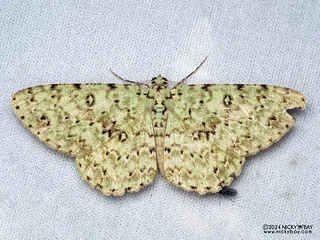
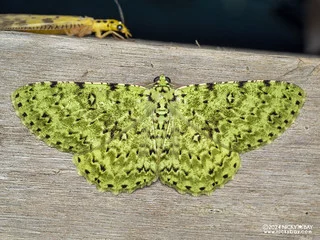
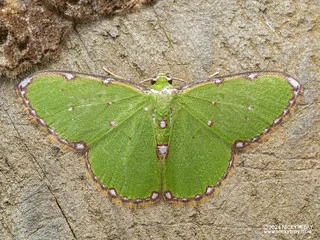
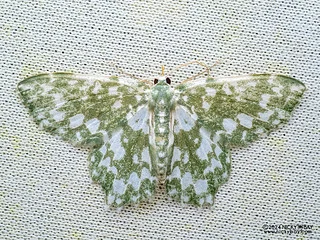
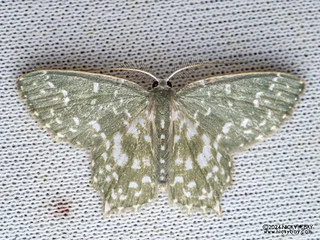
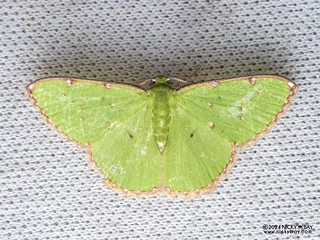
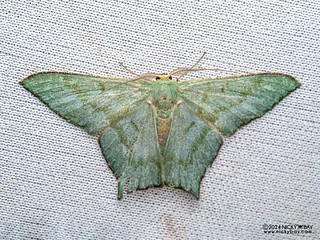
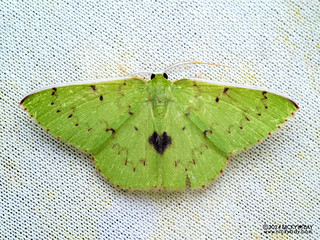
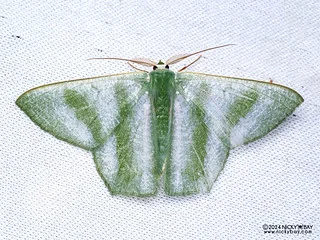
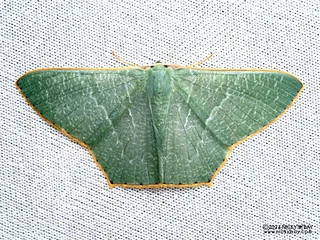
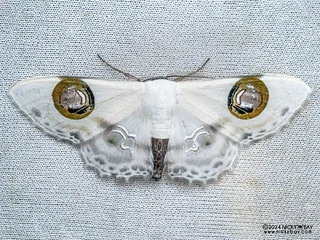
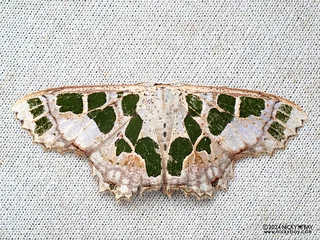
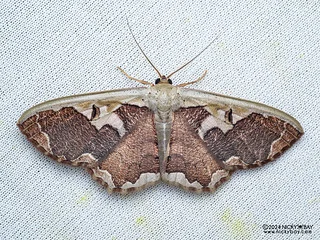
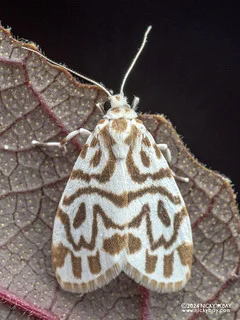
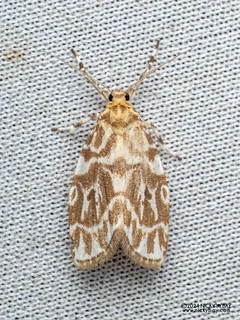
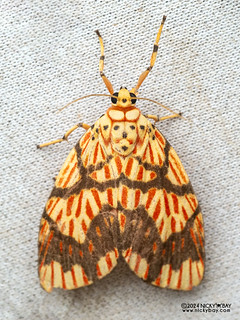
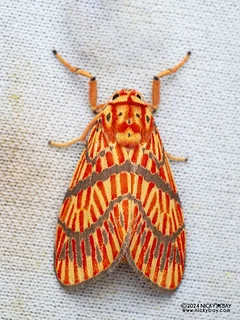
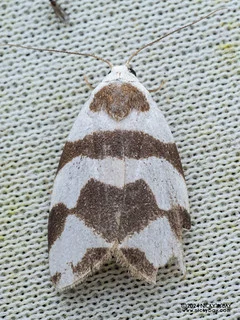
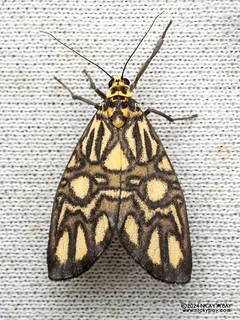
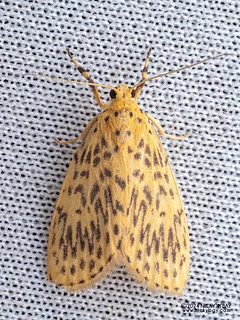
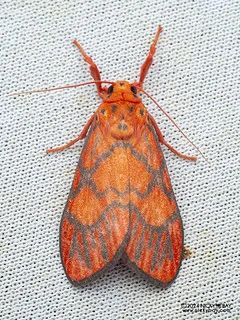
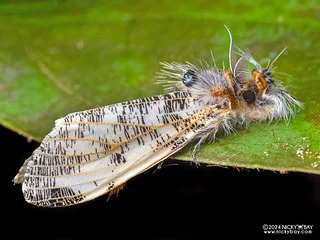
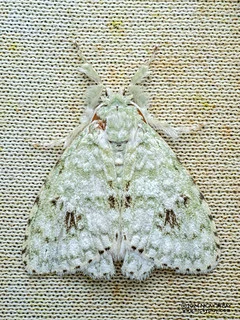
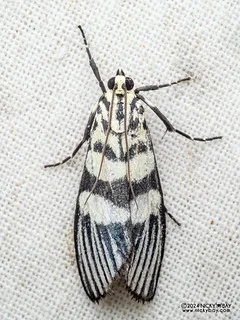
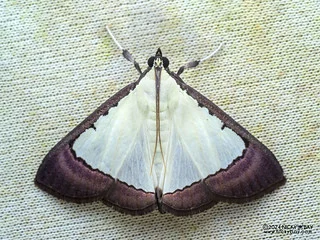
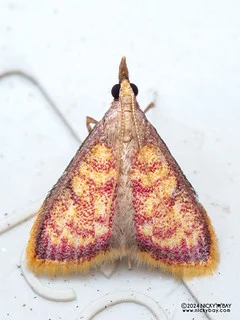
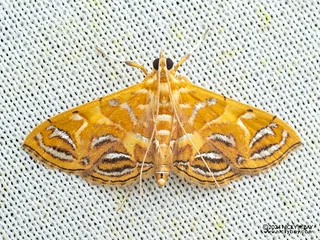
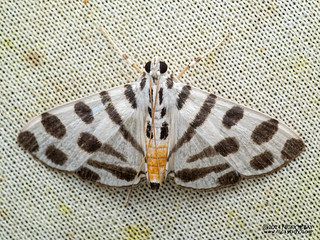
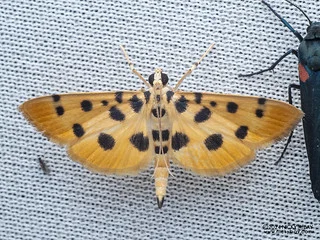
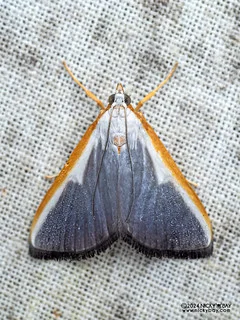
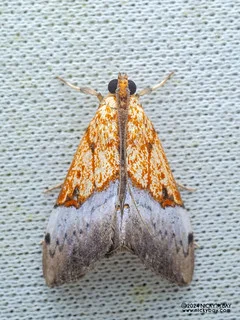
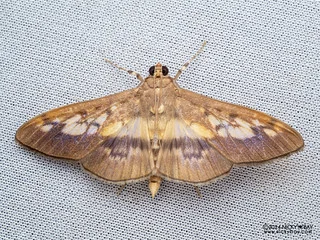
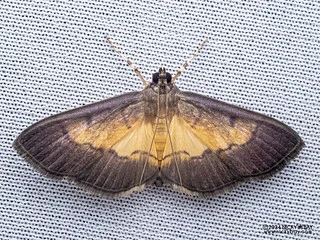
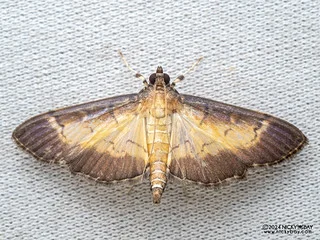
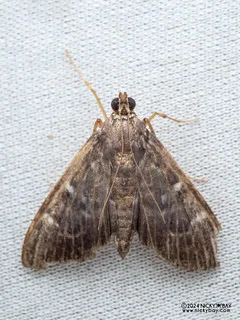
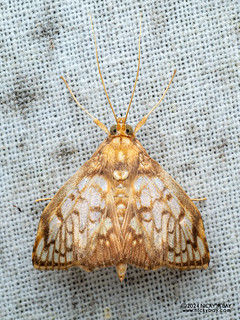
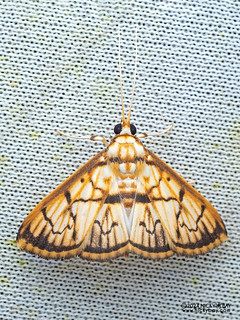
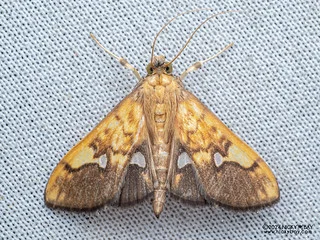
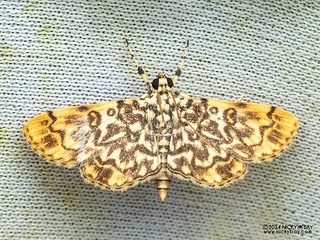
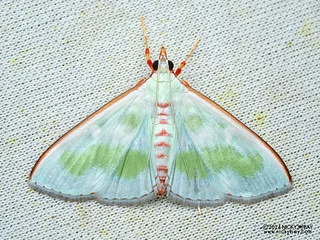
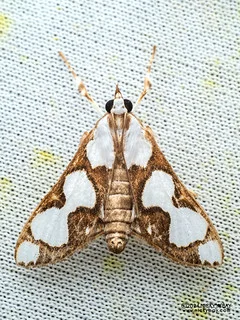
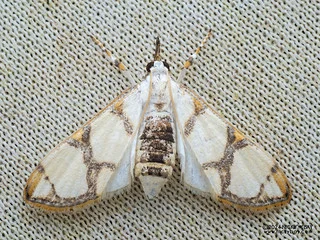
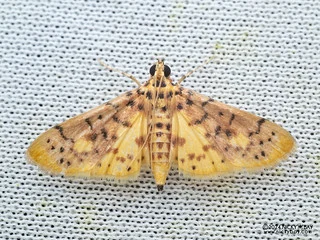
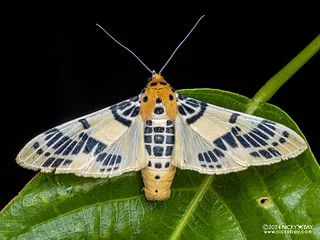
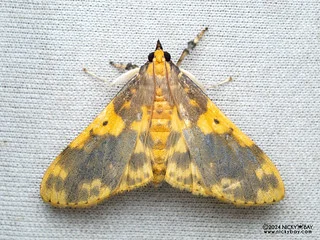
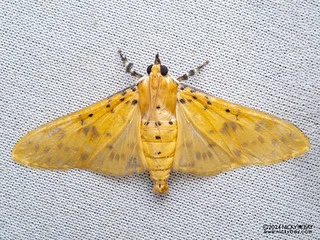
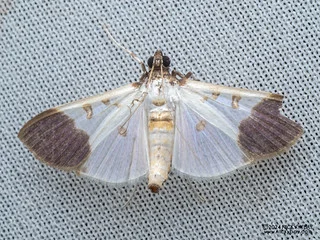
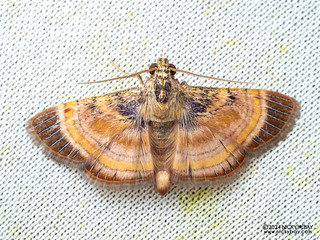
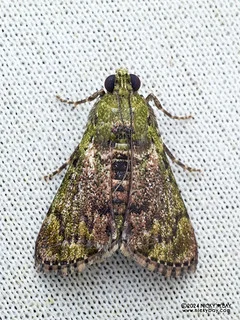
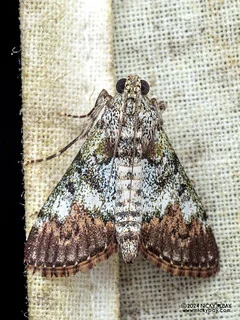
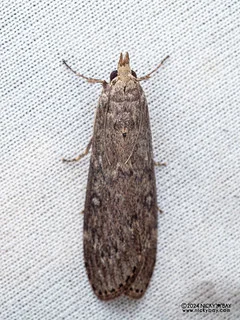
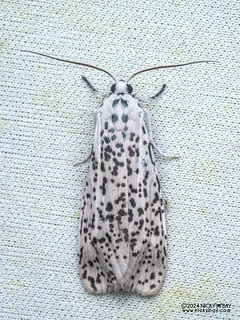
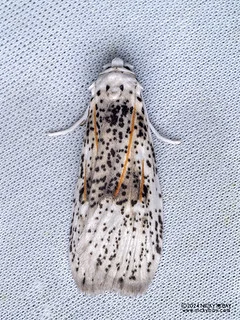
Deep in the forests of Gunung Trusmadi—Sabah's highest peak—lies the Borneo Jungle Girl Camp, set at an impressive altitude of 1,170 meters. This region falls under a Class 1 Fully Protected Forestry Reserve and serves as a rich biodiversity hotspot. During my four-night stay, I captured nearly 7,000 images, documenting around 600 moth species alongside various insects and arachnids. Each evening, the camp utilizes over a dozen well-placed light traps to attract flying invertebrates, securing them against the challenges of wind and weather. These strategically arranged instruments make it possible to draw in a wide array of species—from the ubiquitous common moth to more elusive varieties.The Light Trap Strategy
At the camp, light traps aren't merely a tool—they are a carefully constructed element of the research. Each trap is designed to maximize the catch while minimizing disruption, ensuring that even in strong winds, the sheets remain still enough to attract insects. However, this raises a point of discussion: Are the number of traps too excessive? While some might ponder this, one can argue that their brightness rivals that of car headlights and similar nature lodges, making them necessary for comprehensive sampling. By sunrise, any insects that haven’t survived their nightly gatherings become nourishment for local wildlife, emphasizing the interconnectedness of the ecosystem.History and Evolution of the Camp
The Borneo Jungle Girl Camp's journey began in 1986, as its founders navigated the lengthy permit acquisition process. Finally opening to visitors in 2010, the camp has undergone significant upgrades since its inception, transforming into a hub for students, researchers, and photographers alike. Every guest shares an implicit connection to insect life, making it a distinct experience compared to traditional nature lodges, where the focus typically rests on larger wildlife.Visitor Experience
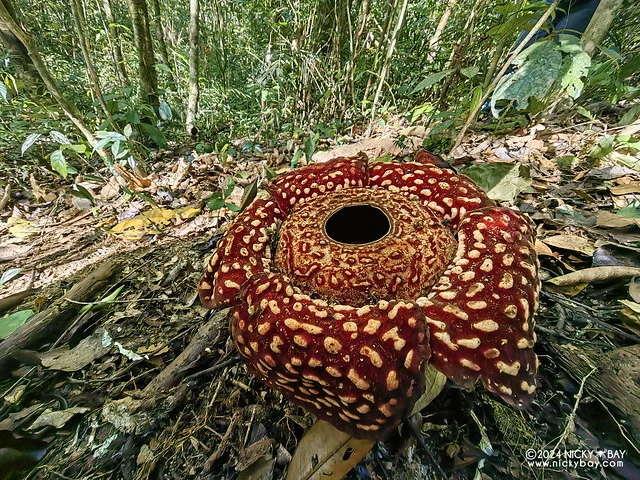
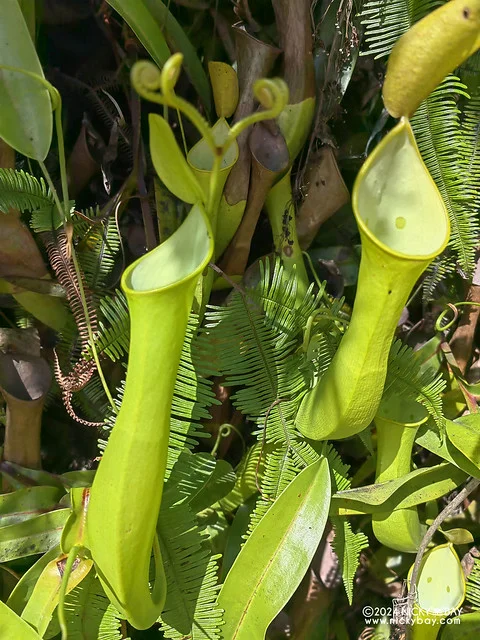
Traveling to the Borneo Jungle Girl Camp can be an adventure in itself. Roughly 160 kilometers from Kota Kinabalu International Airport, the last leg of the journey is a thrilling drive along a rugged gravel path. Guests can engage with the environment, stopping at places like the Rafflesia Information Centre or observing unique flora such as the pitcher plants native to the region. Once at the camp, the facilities accommodate up to 60 guests, offering meals and comfort, although visitors are advised to bring toiletries and ensure they're prepared for the unique challenges of the wilderness. This camp is more than just a place to stay; it’s an extraordinary experience woven into the fabric of the natural world, dedicated to the understanding and appreciation of insects. Your visit here isn’t just about enjoying the beautiful surroundings—it’s about participating in a critical effort to document and preserve the biodiversity that makes Gunung Trusmadi a special location. This unique commitment runs deeper than casual tourism, signifying a purposeful exploration of entomological life in one of the world's oldest biomes.Exploring Moth Diversity
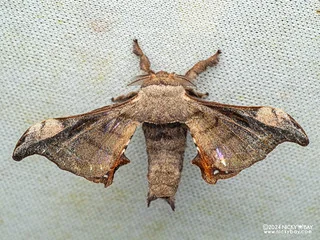
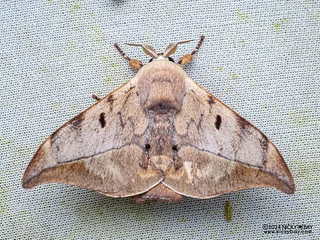
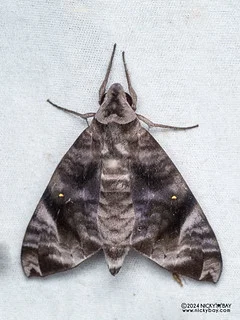
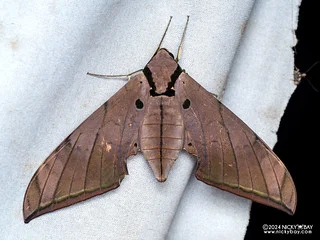
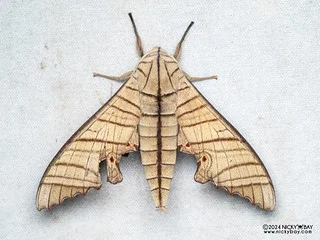
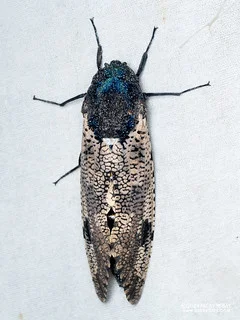
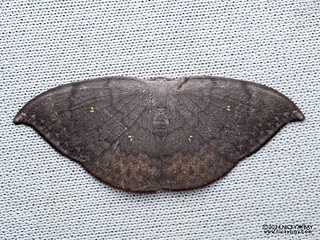
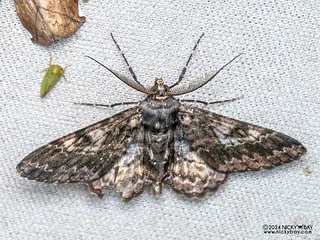
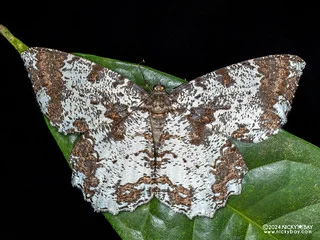
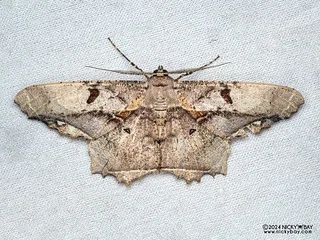
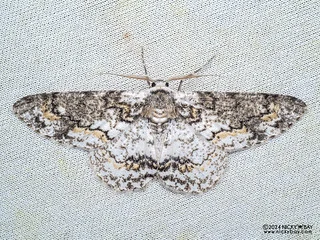
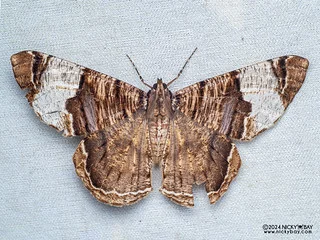
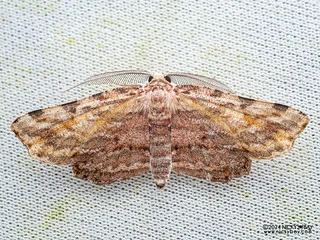
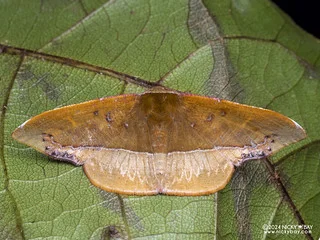
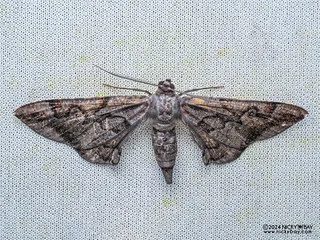
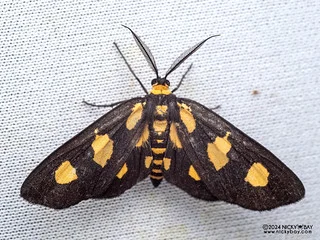
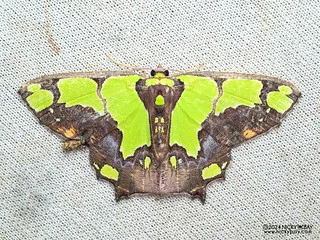
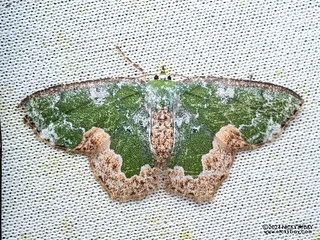
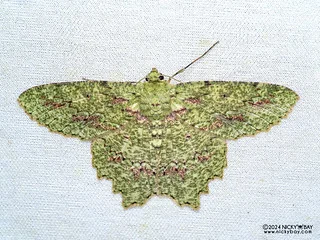
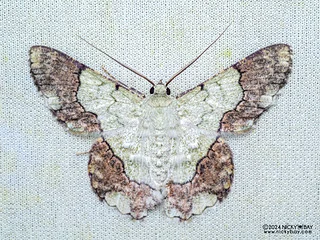
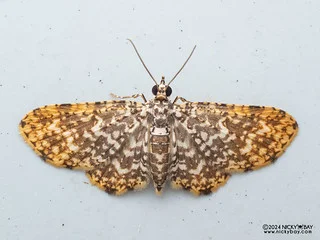
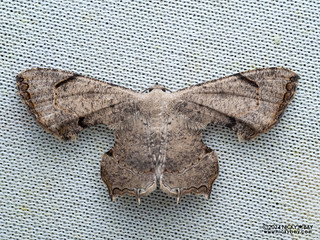
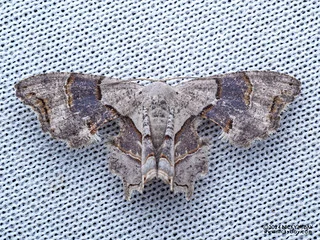
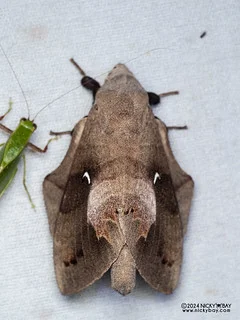
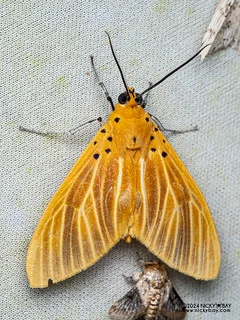
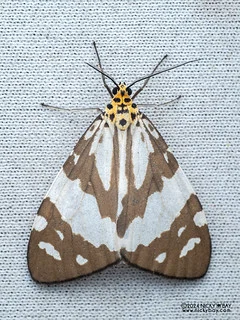
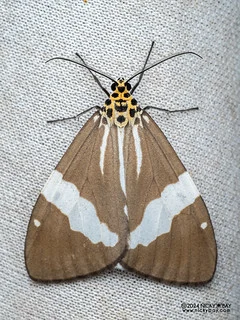
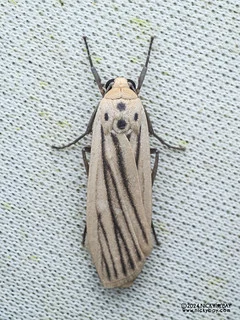
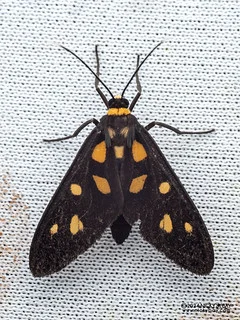
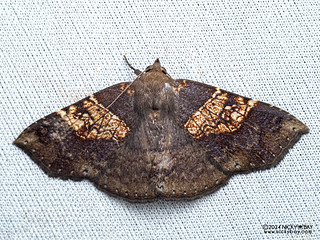
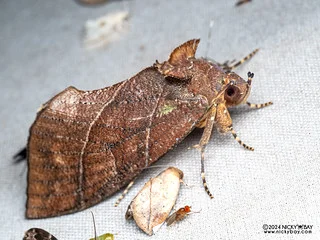
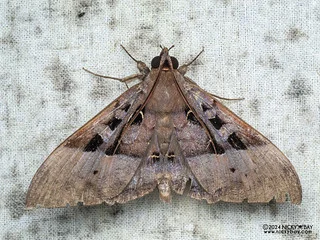
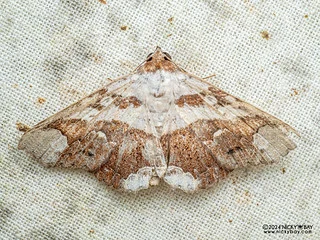
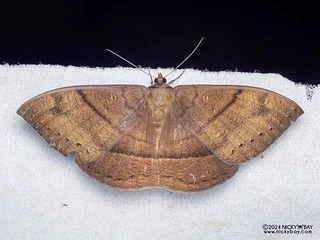
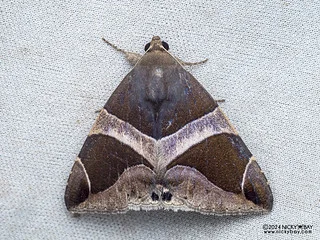
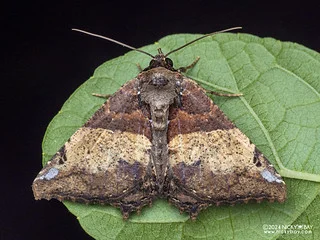
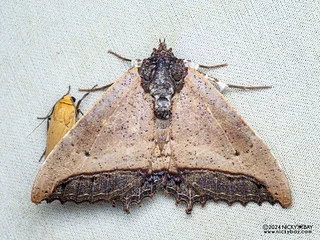
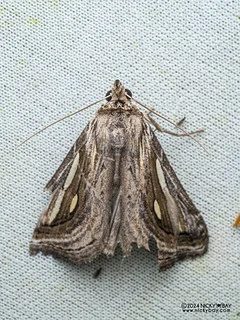
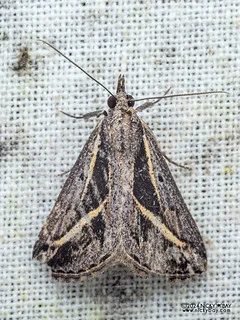
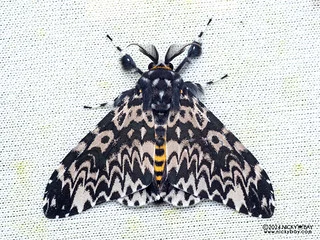
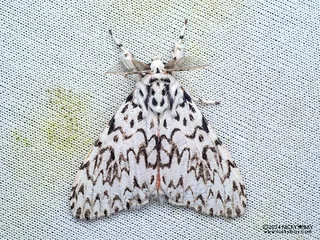
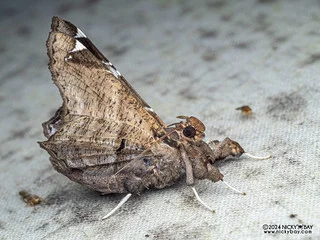
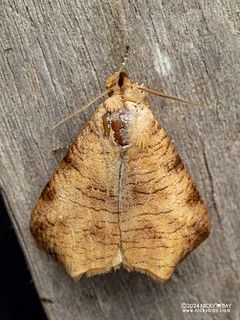
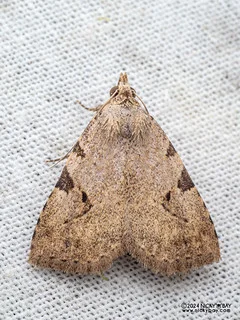
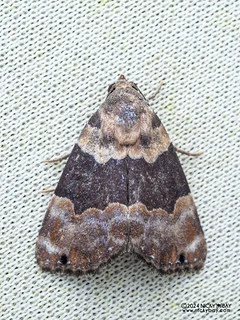
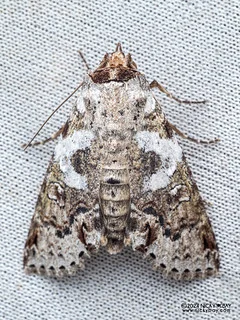
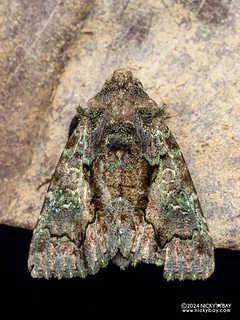
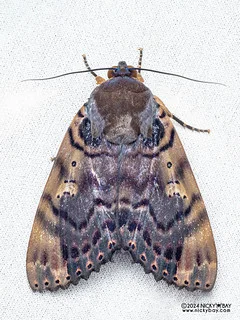
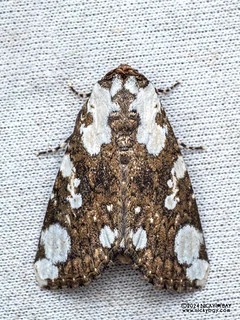
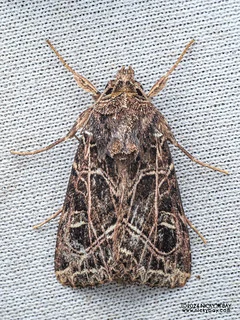
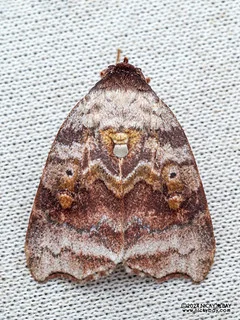
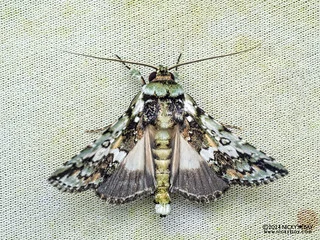
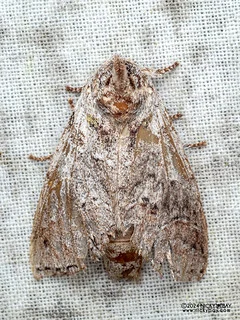
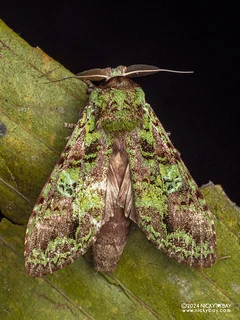
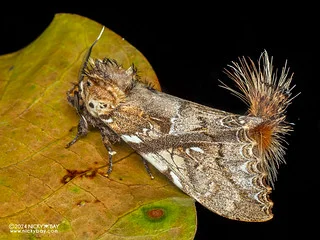
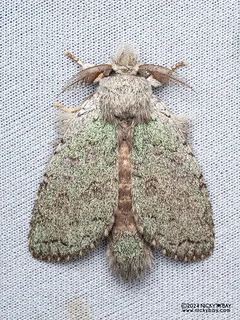
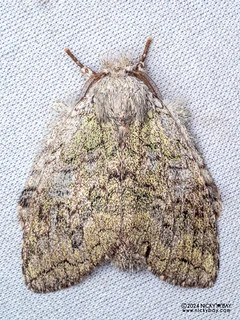
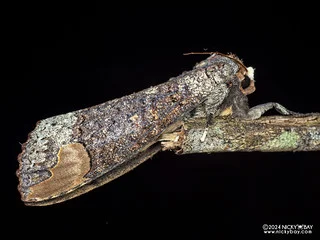
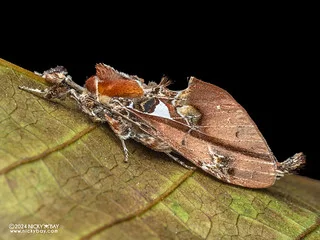
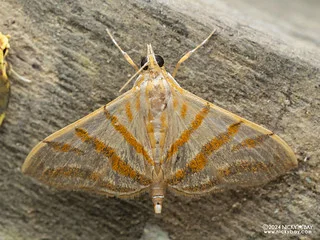
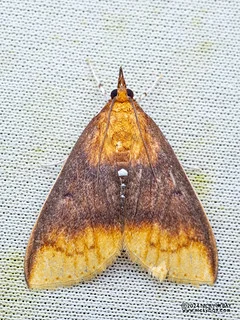
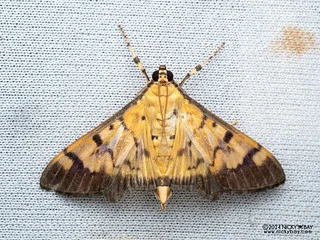
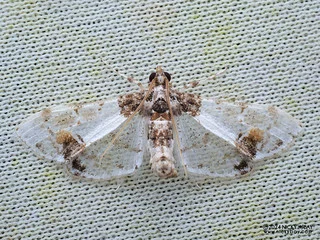
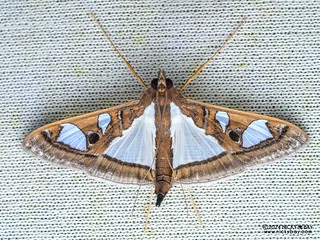
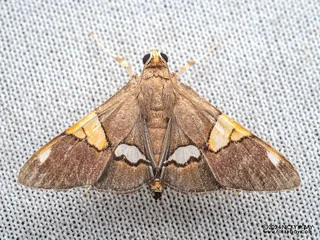
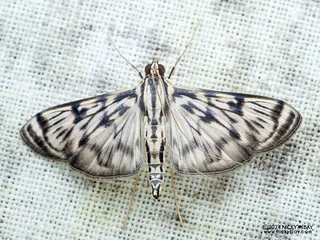
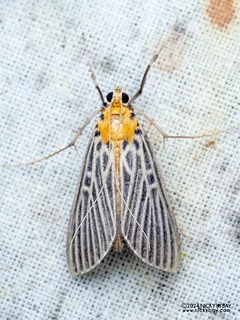
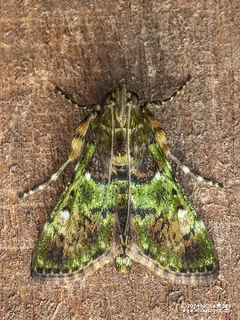
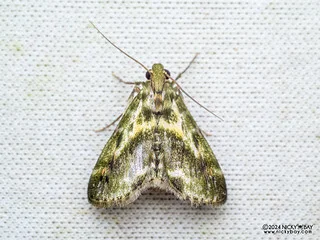
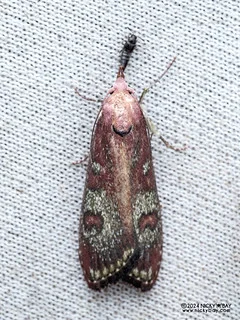
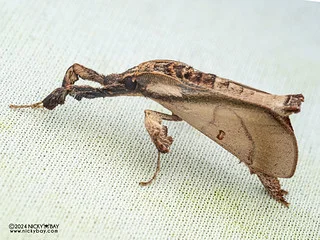
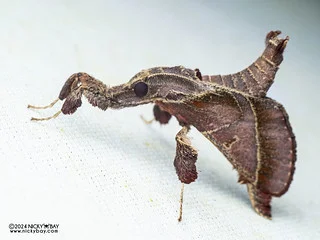
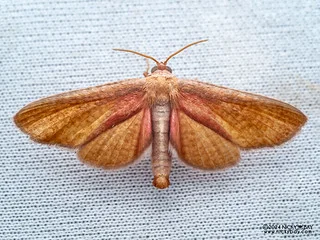
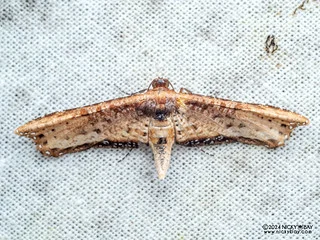
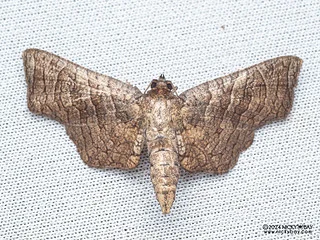
When considering the sheer variety within the moth world, one family stands out for its remarkable diversity: the Sphingidae. Known as hawkmoths, these species exhibit a breadth of forms and behaviors. For instance, observe the stunning Acosmeryx anceus, featured in this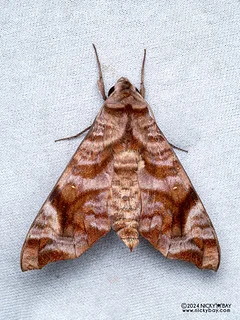 image, which captures its intricate wing patterns that appear almost iridescent in the right light.
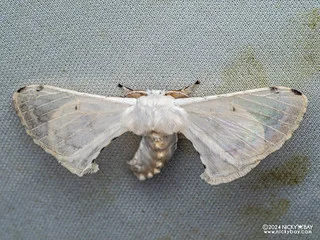
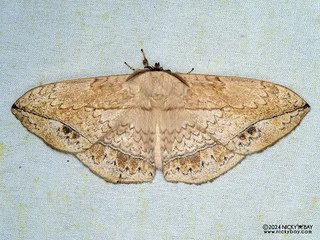
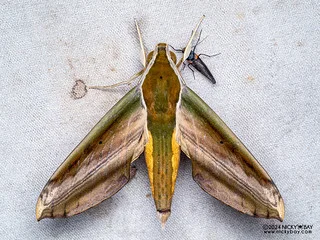
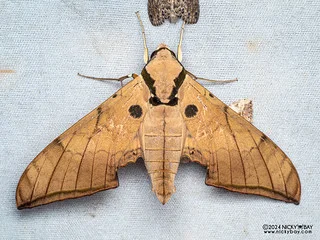
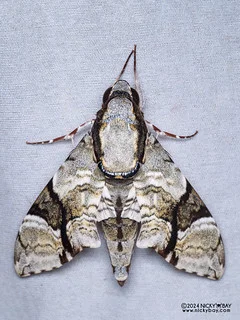
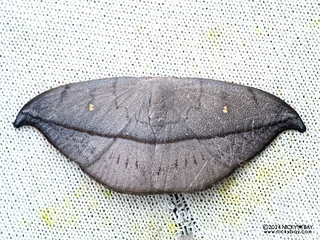
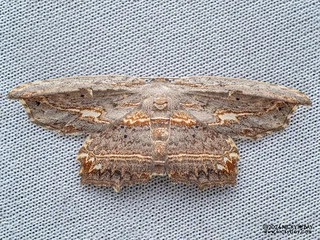
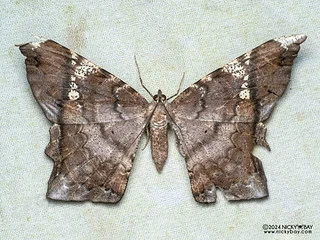
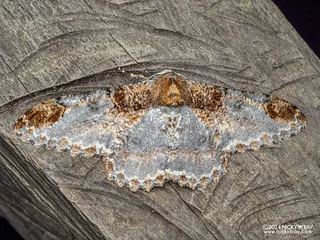
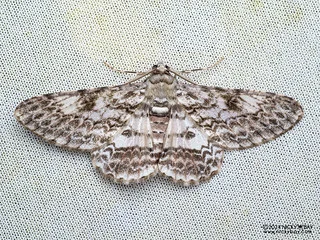
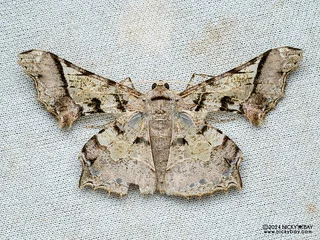
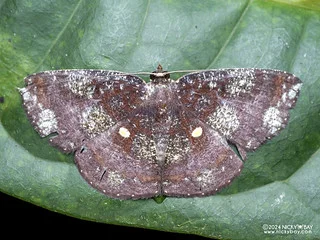
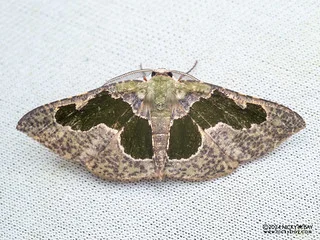
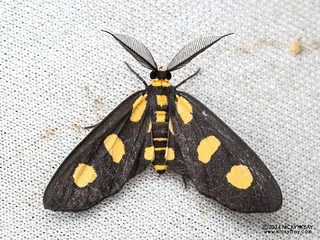
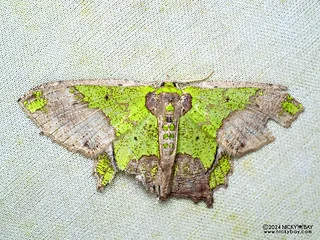
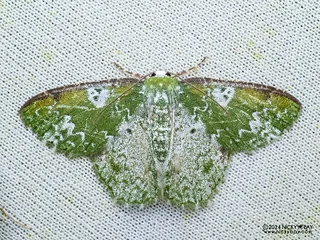
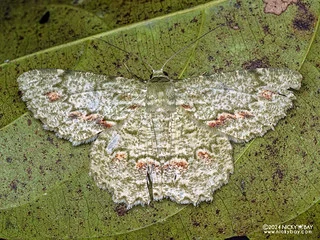
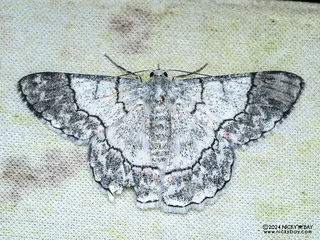
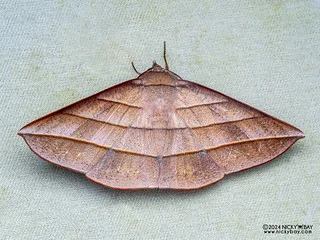
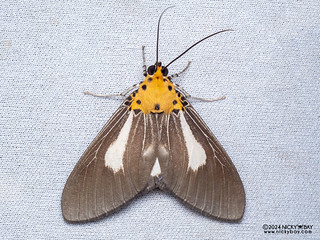
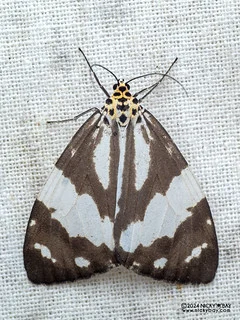
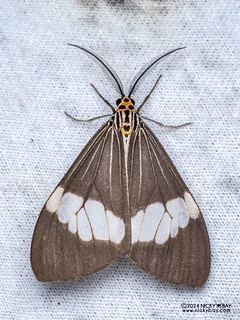
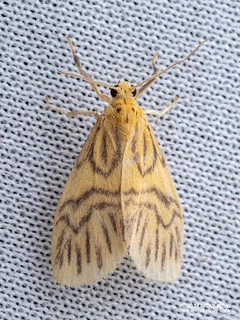
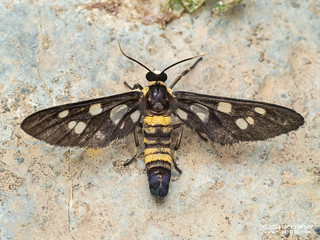
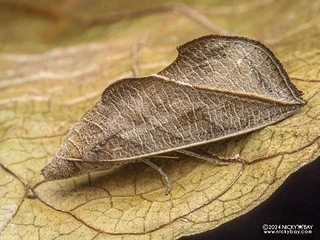
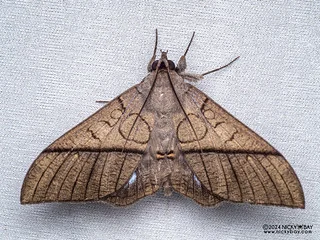
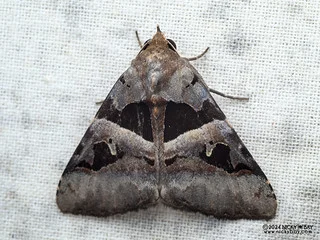
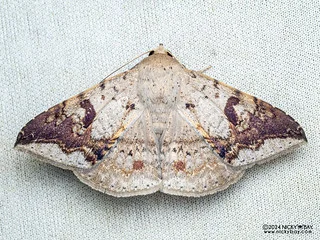
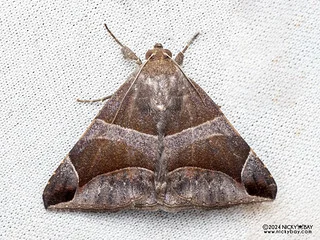
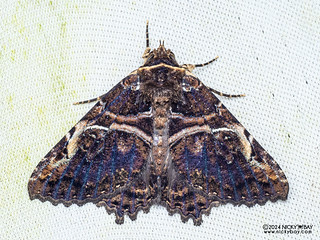
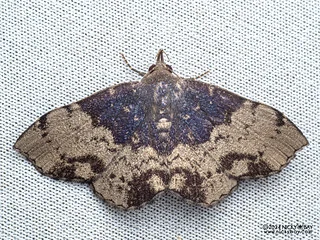
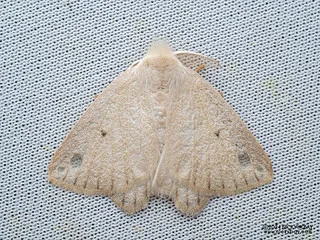
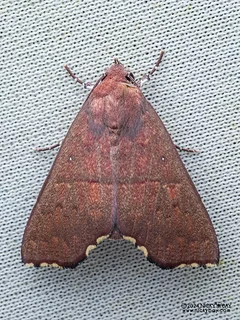
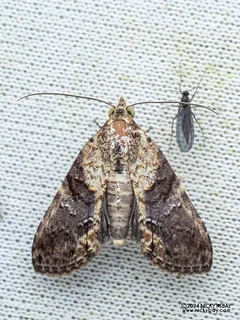
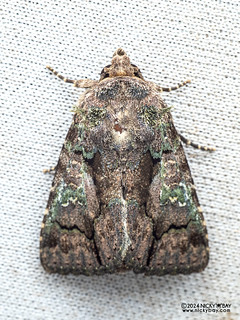
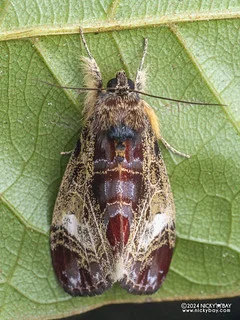
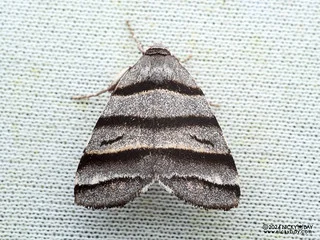
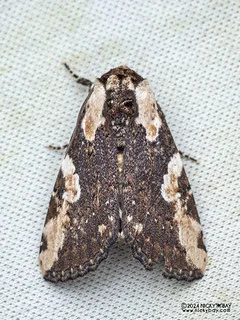
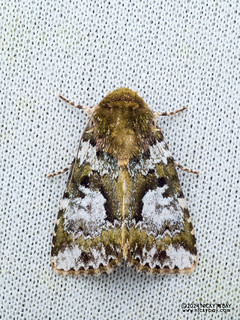
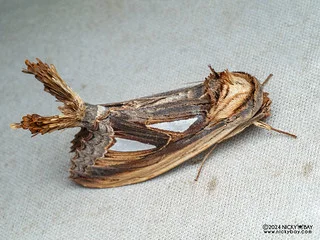
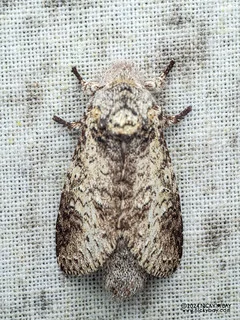
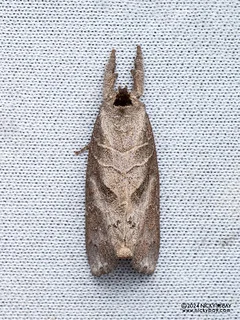
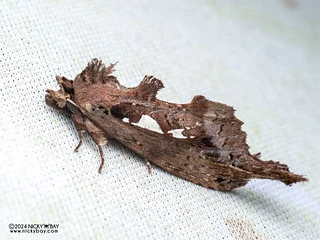
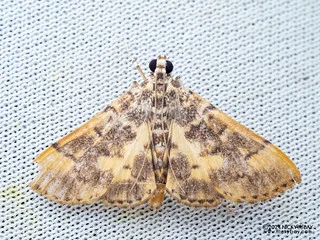
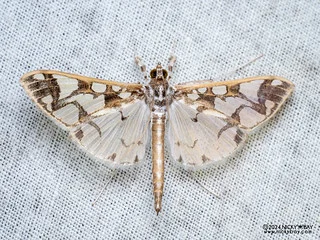
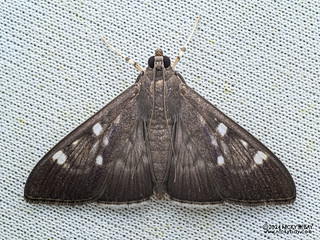
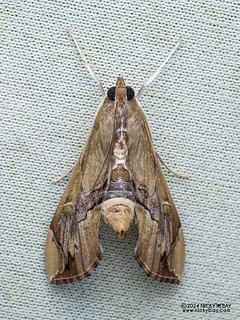
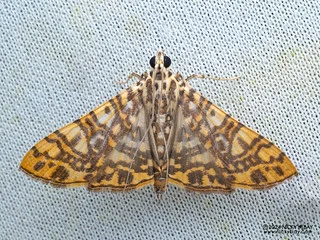
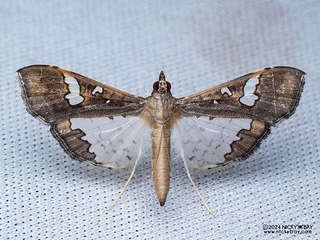
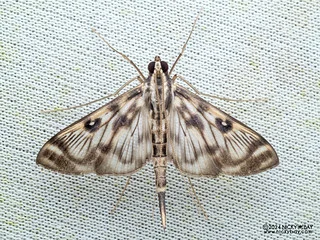
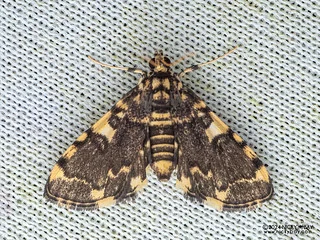
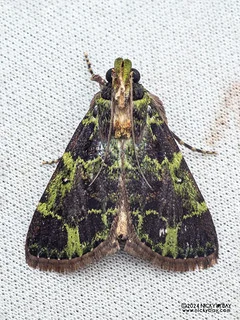
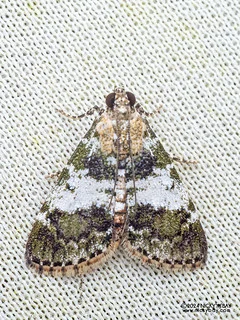
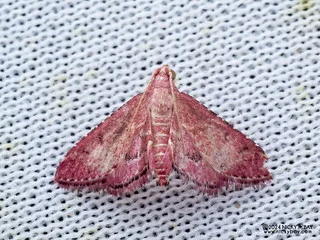
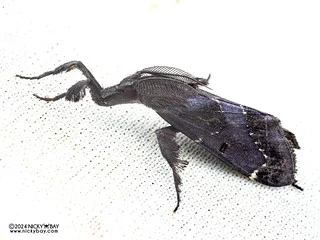
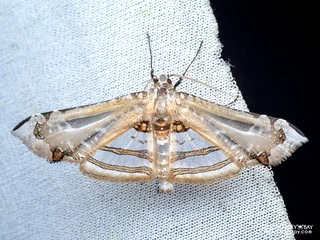
The Sphingidae family branches into subfamilies, with the Macroglossinae and Smerinthinae being of particular interest. Each subfamily houses genera that are remarkable for different reasons. The genus Acosmeryx, which includes several species like Acosmeryx shervillii and Acosmeryx pseudonaga, is known for its unique adaptations that allow it to thrive in varied environments. For example, the adaptations of Acosmeryx shervillii, depicted in another striking
image, which captures its intricate wing patterns that appear almost iridescent in the right light.
The Sphingidae family branches into subfamilies, with the Macroglossinae and Smerinthinae being of particular interest. Each subfamily houses genera that are remarkable for different reasons. The genus Acosmeryx, which includes several species like Acosmeryx shervillii and Acosmeryx pseudonaga, is known for its unique adaptations that allow it to thrive in varied environments. For example, the adaptations of Acosmeryx shervillii, depicted in another striking 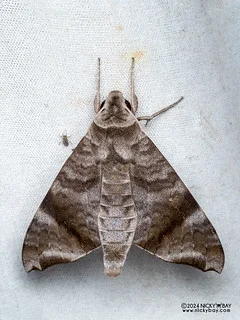 photograph, showcase its ability to navigate urban landscapes.
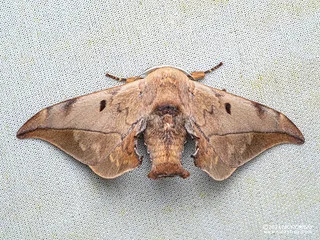
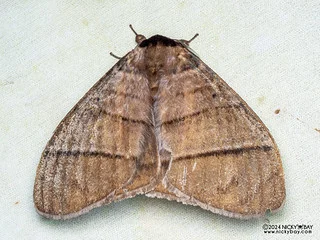
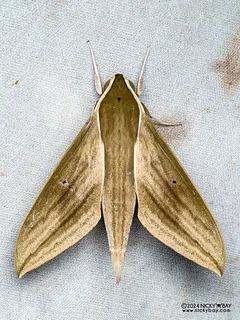
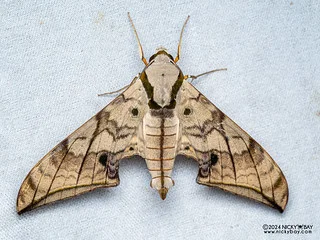
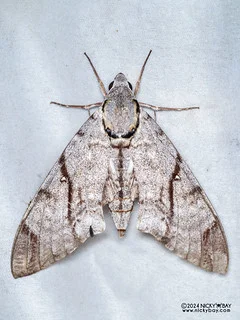
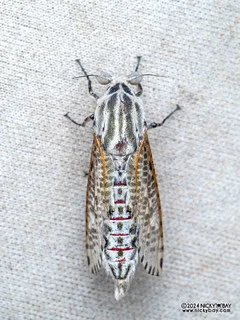
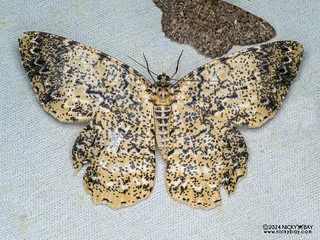
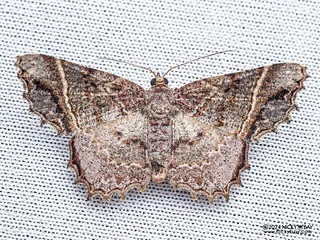
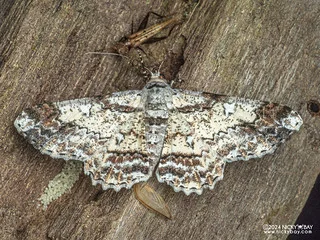
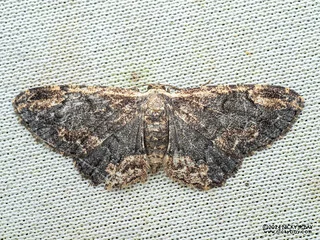
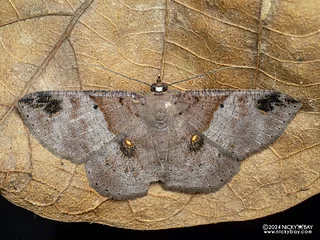
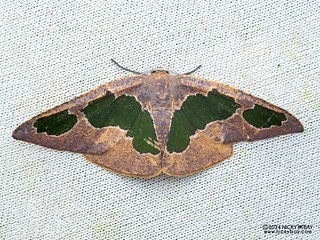
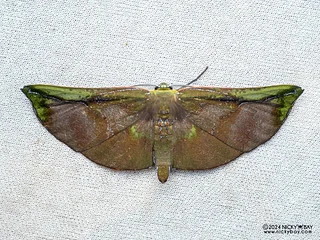
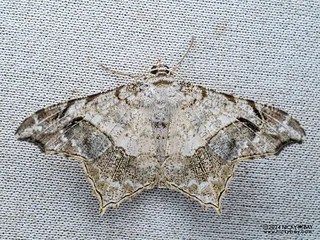
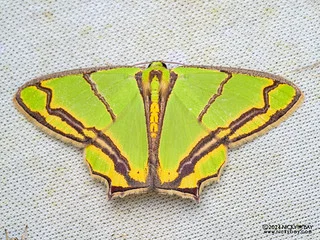
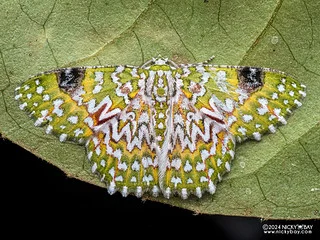
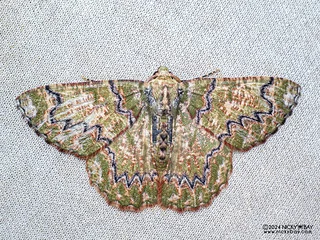
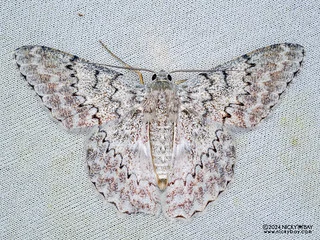
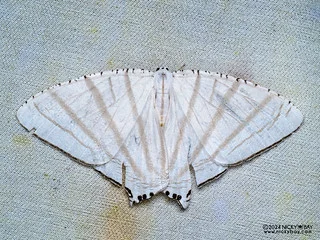
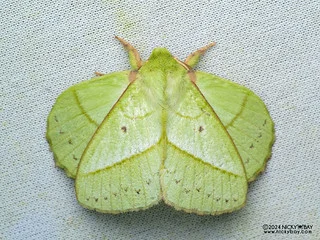
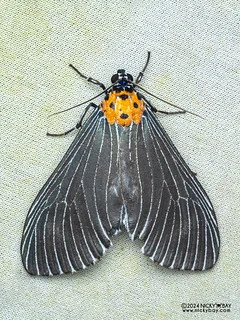
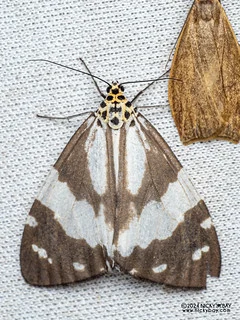
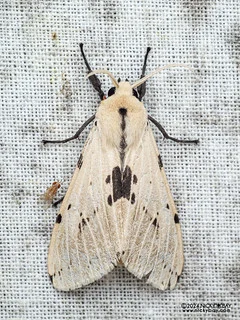
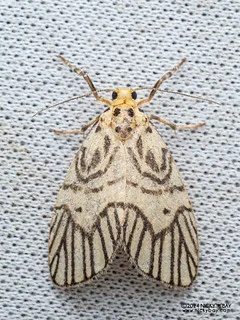
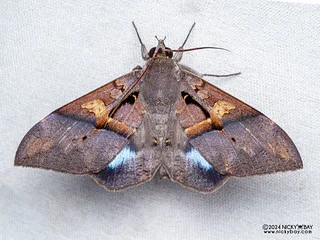
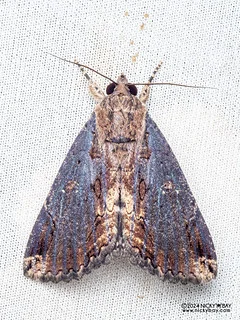
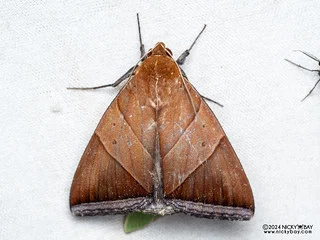
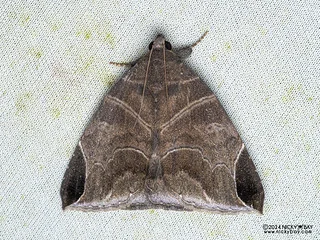
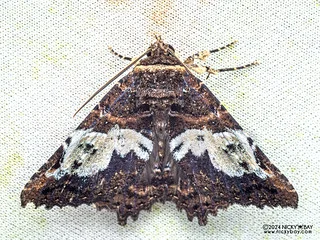
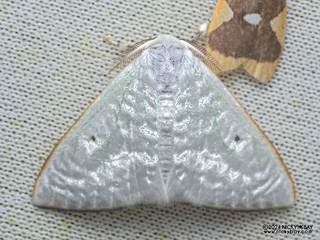
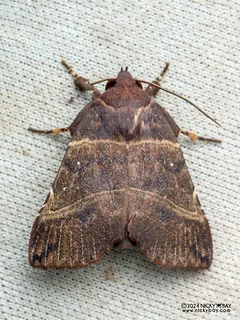
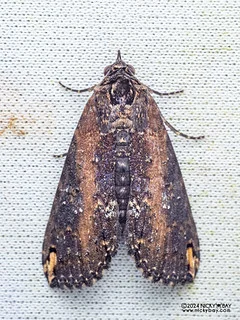
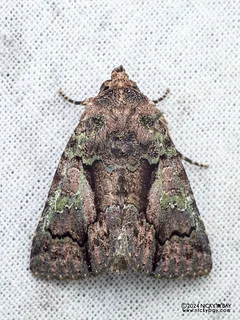
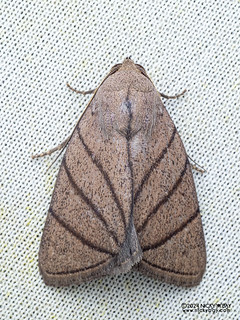
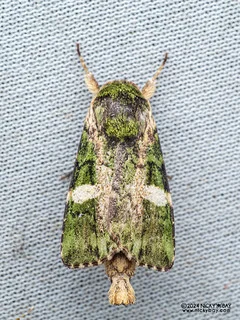
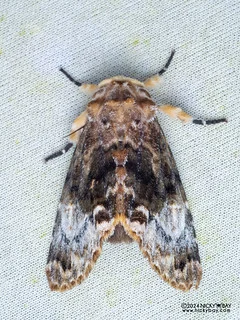
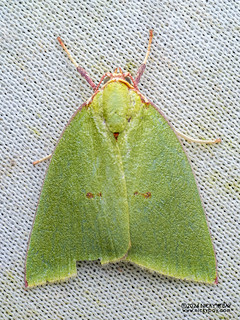
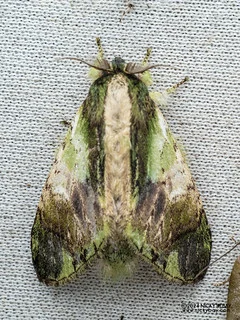
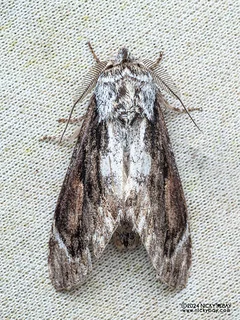
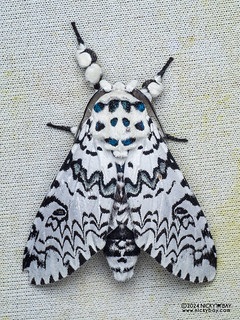
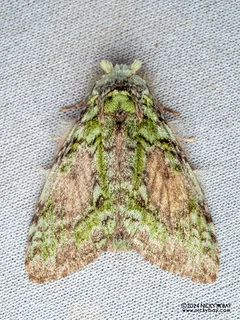
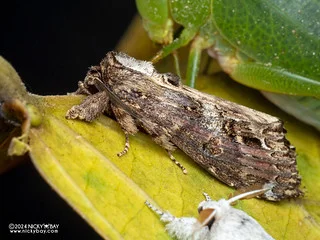
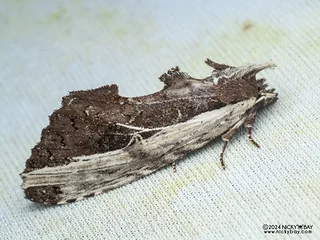
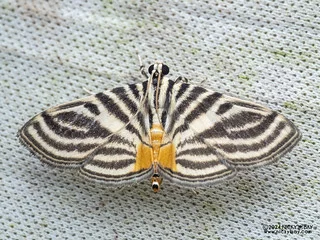
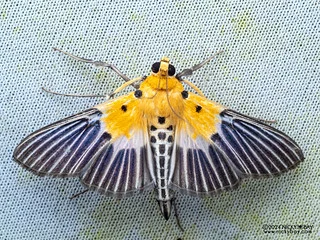
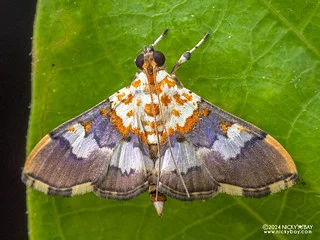
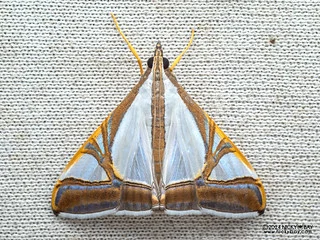
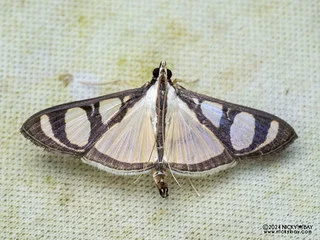
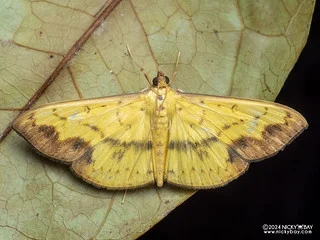
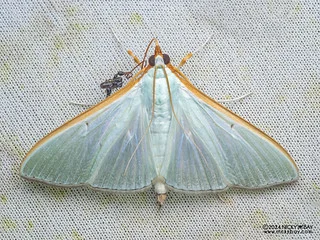
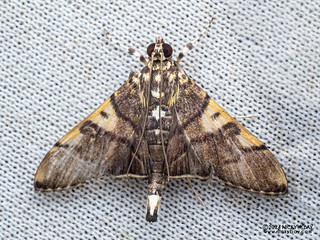
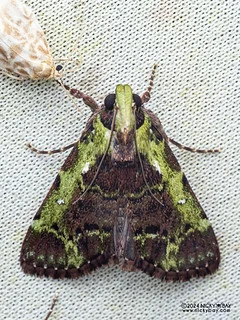
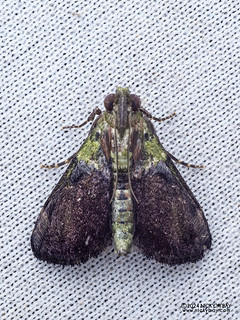
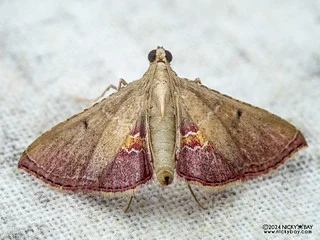
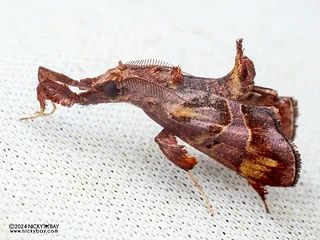
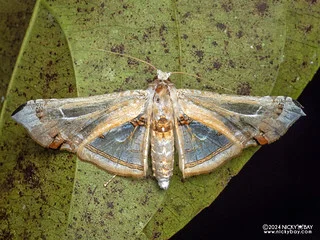
Noteworthy as well is the Cechenena lineosa, also known as the striped green hawkmoth, which brings a vibrant splash of color into any landscape. This species can be vividly seen in the image linked
photograph, showcase its ability to navigate urban landscapes.
Noteworthy as well is the Cechenena lineosa, also known as the striped green hawkmoth, which brings a vibrant splash of color into any landscape. This species can be vividly seen in the image linked 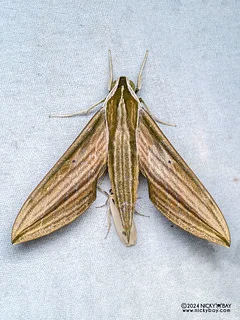 .
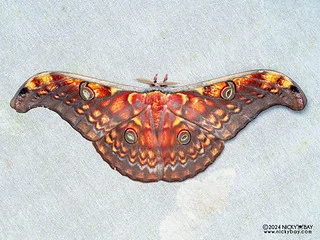
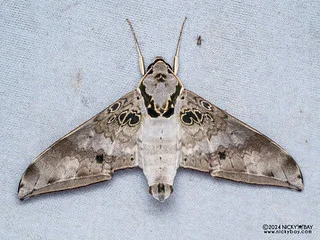
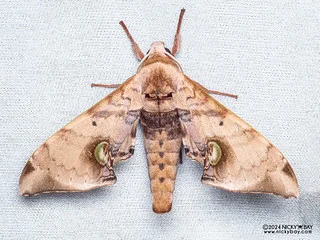
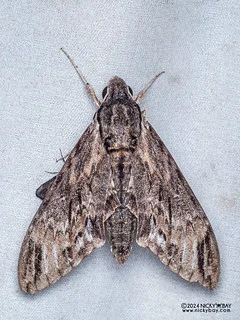
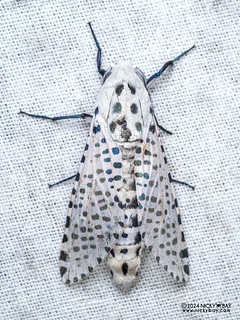
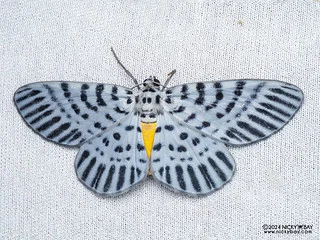
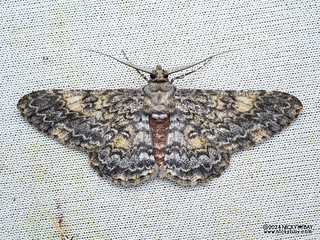
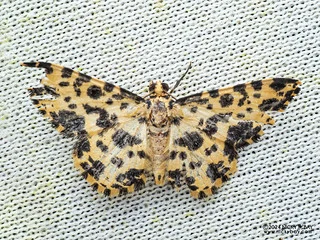
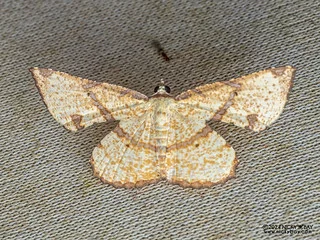
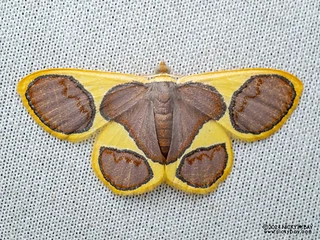
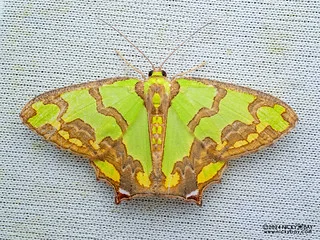
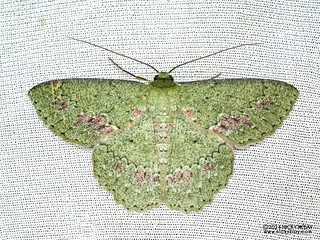
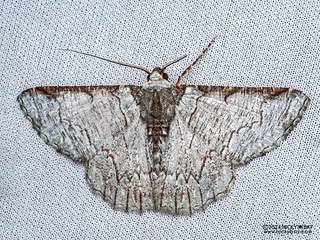
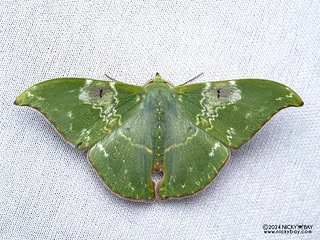
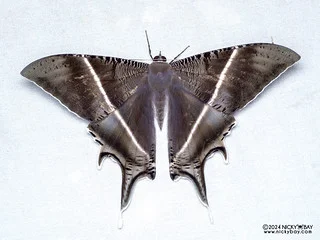
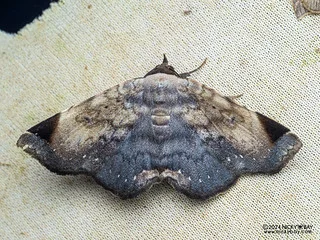
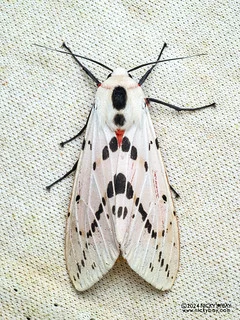
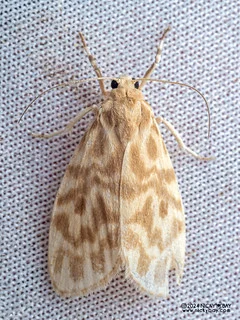
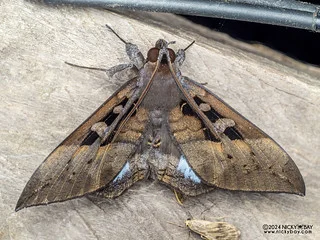
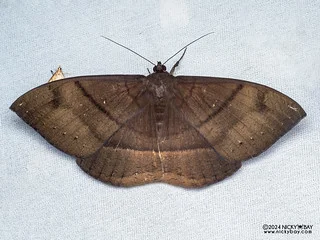
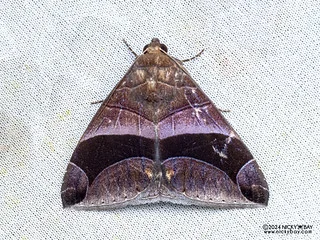
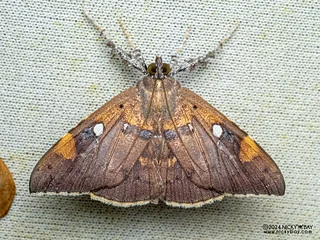
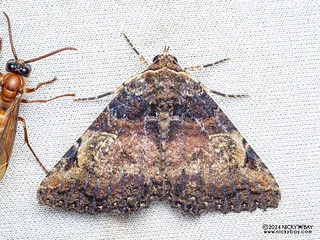
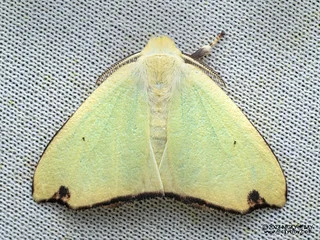
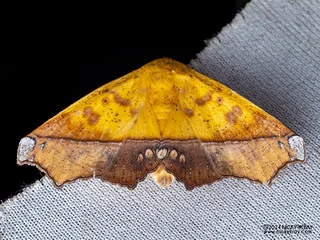
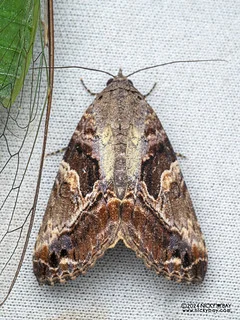
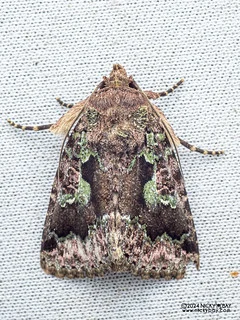
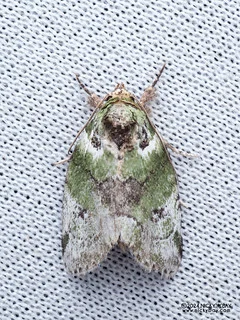
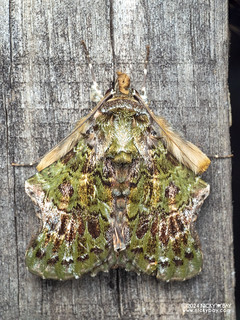
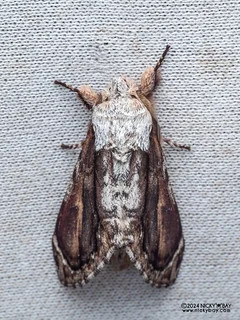
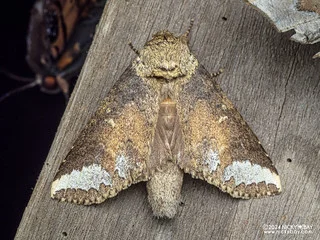
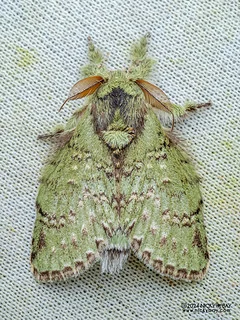
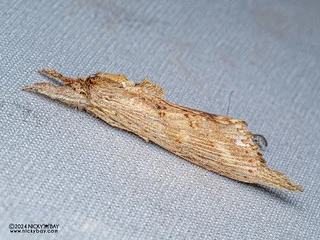
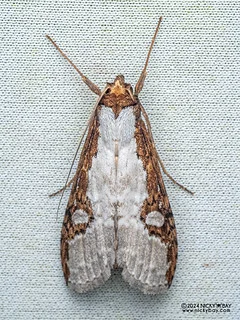
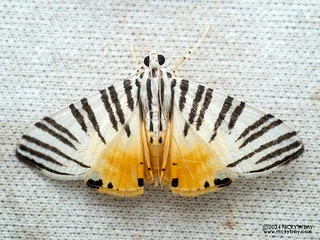
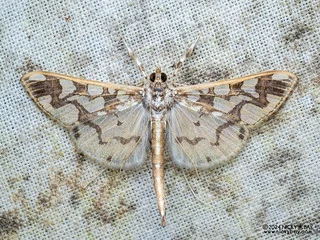
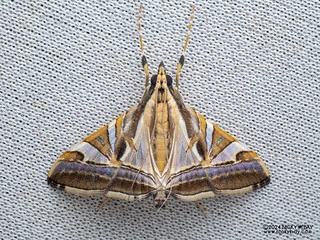
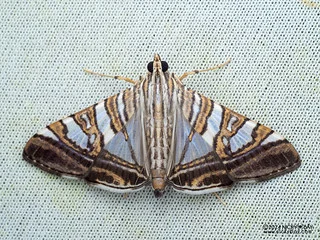
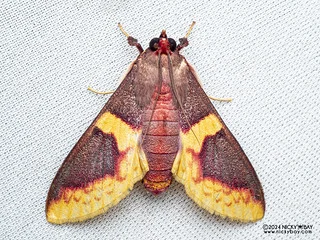
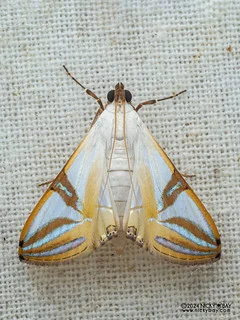
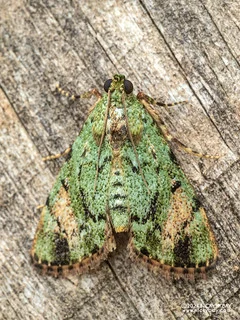
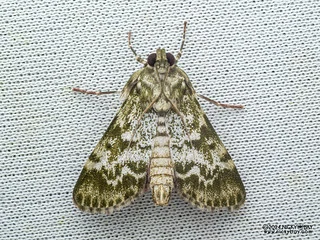
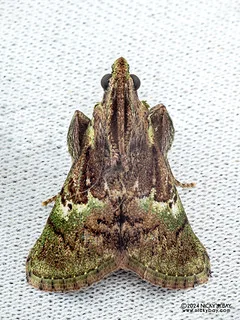
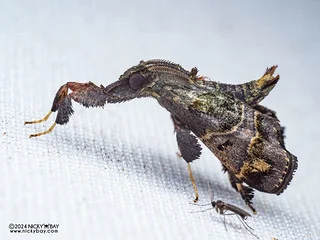
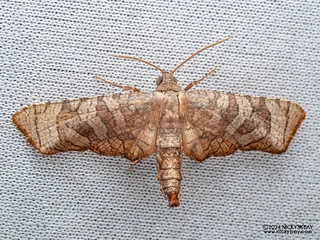
It’s fascinating to see how these creatures not only survive but thrive across varied regions. From the bold, striking patterns of the Daphnis hypothous, captured in this alluring
.
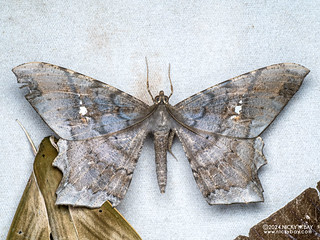
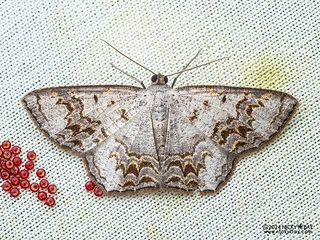
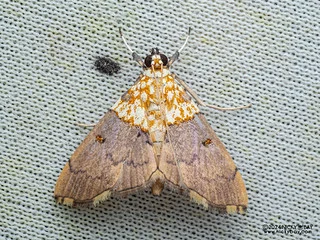
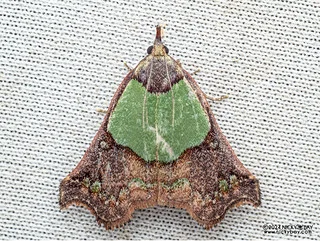
It’s fascinating to see how these creatures not only survive but thrive across varied regions. From the bold, striking patterns of the Daphnis hypothous, captured in this alluring 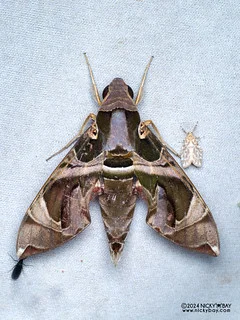 image, to those less flamboyant yet equally important species like Theretra nessus, each contributes to a complex ecological tapestry.
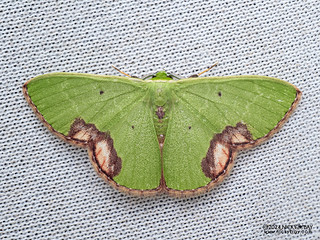
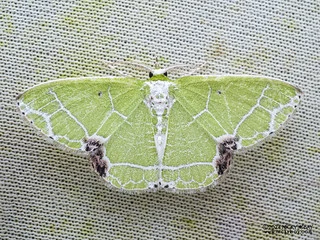
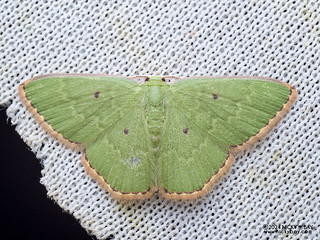
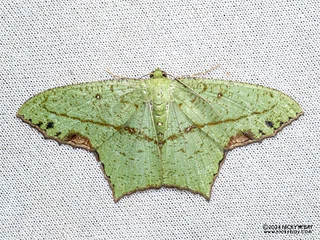
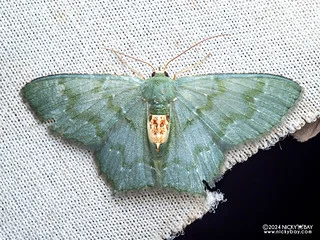
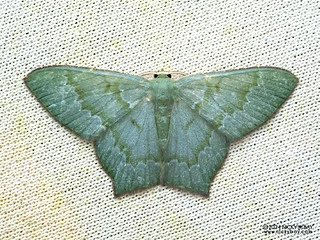
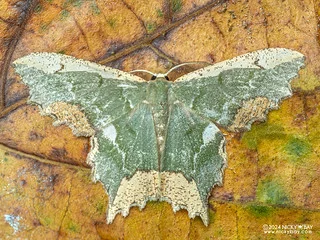
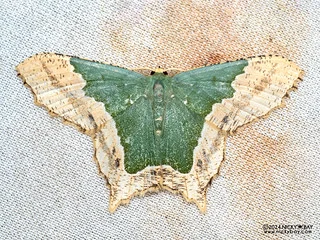
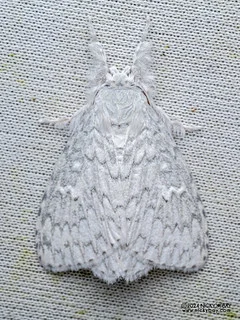
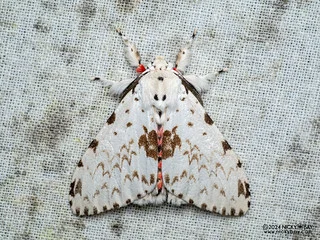
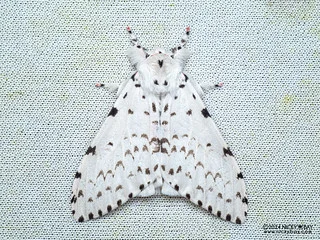
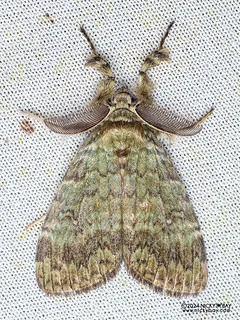
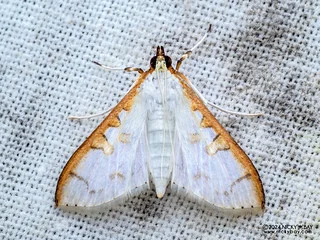
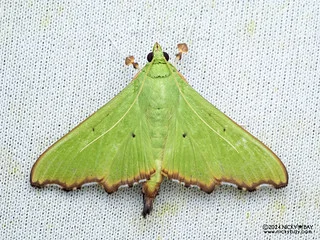
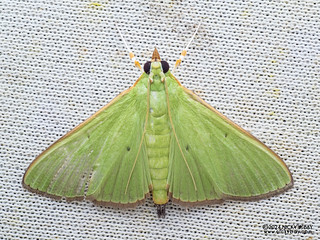
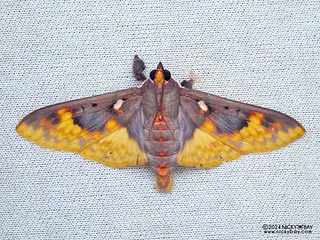
This is more than just a catalog of moths; it signifies the intricate relationships these species have with their environments. These images serve as a reminder of the rich biodiversity that exists all around us, often unnoticed. If you're considering venturing further into entomology or photography, these subjects present an endless source of inspiration and study.### Closing Thoughts on Moth Photography
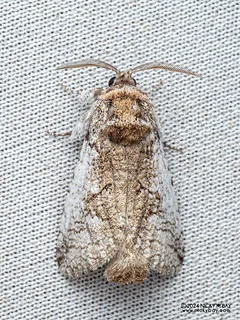
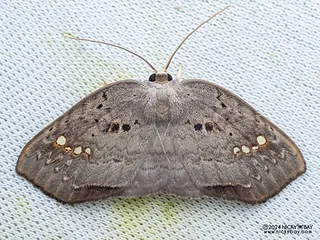
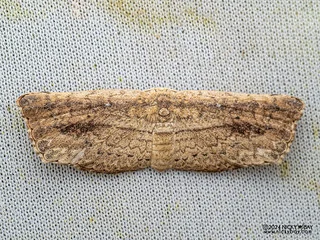
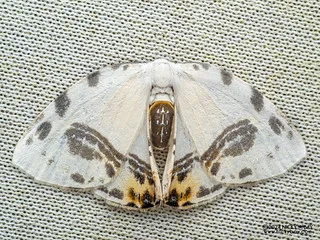
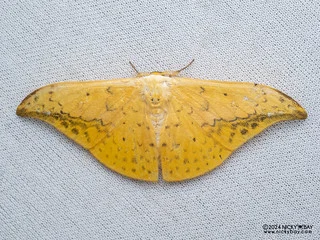
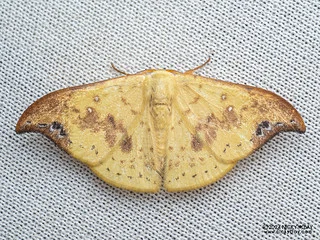
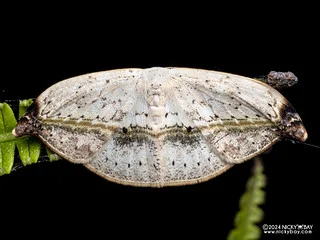
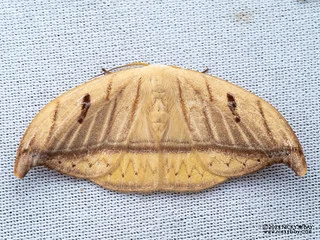
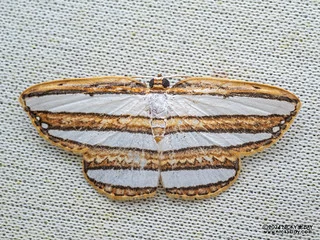
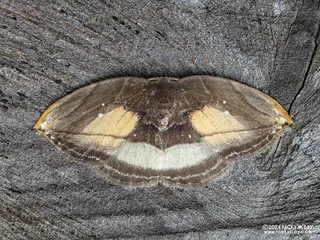
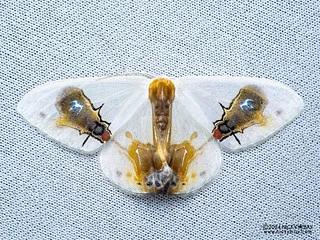
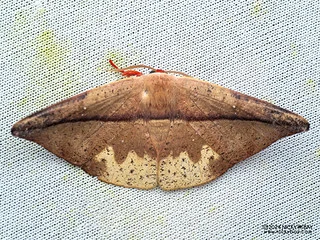
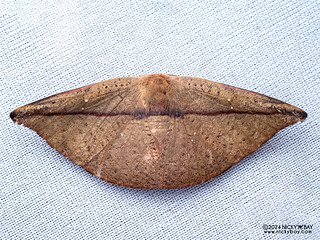
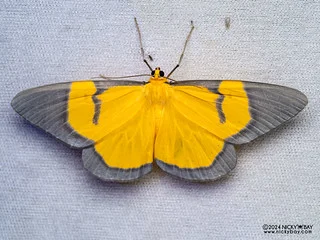
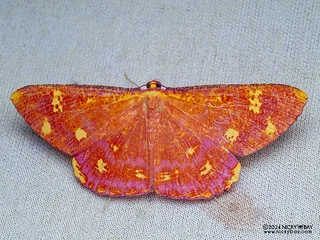
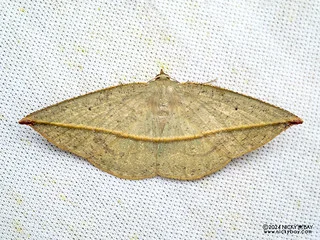
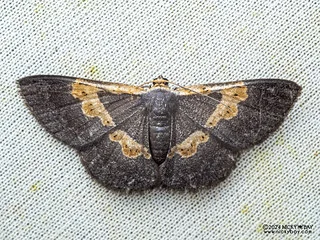
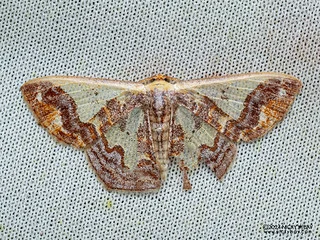
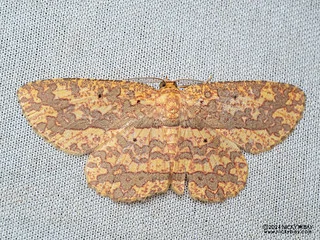
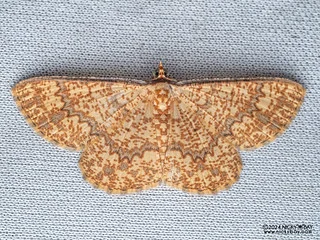
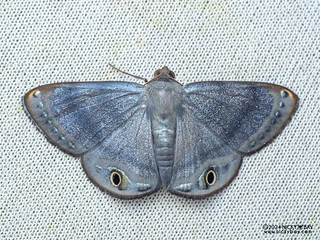
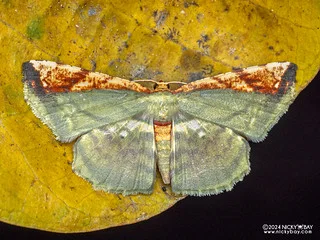
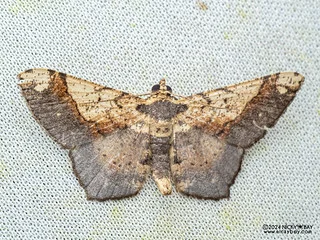
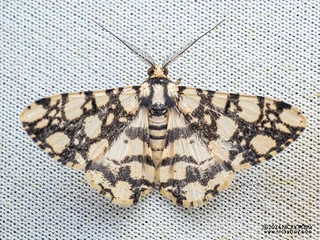
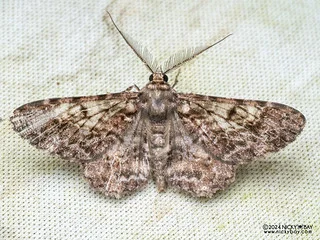
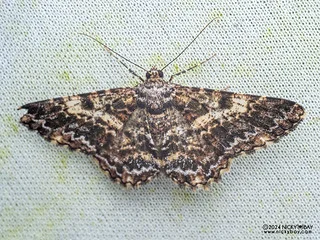
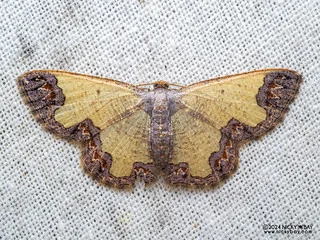
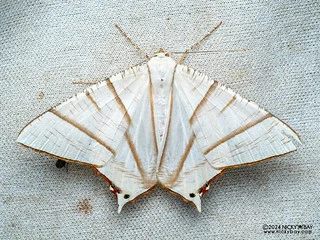
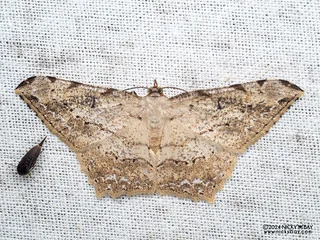
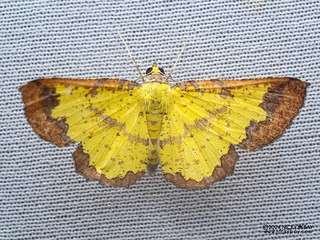
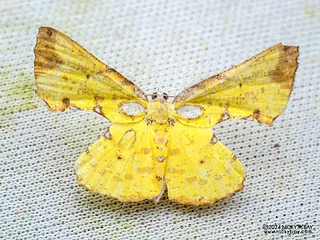
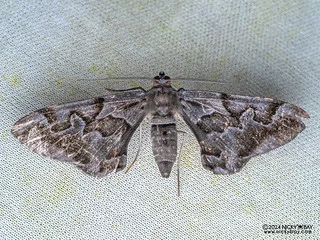
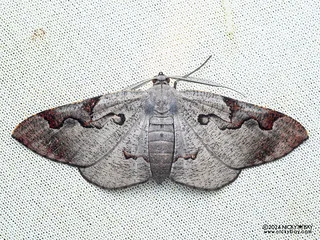
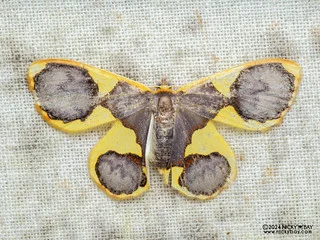
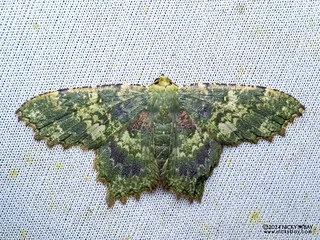
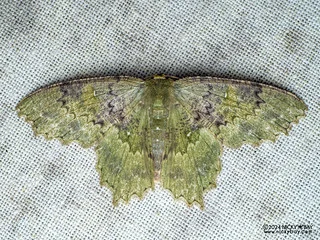
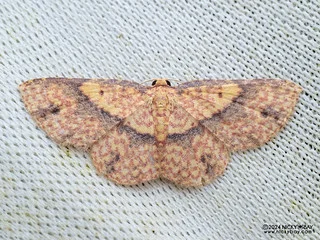
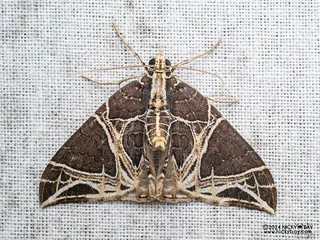
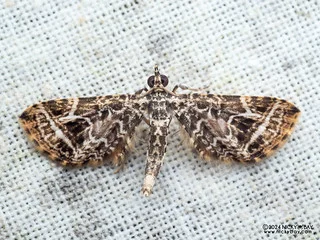
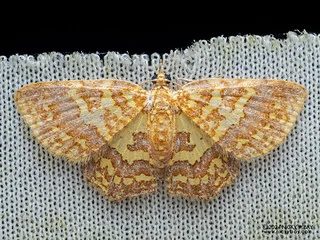
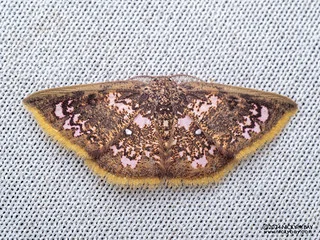
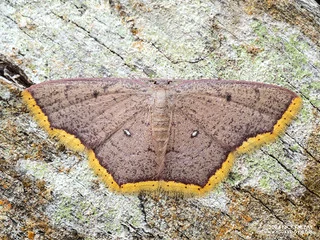
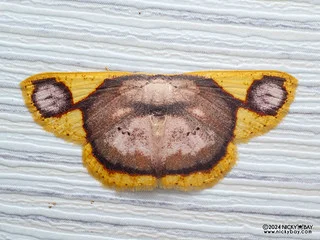
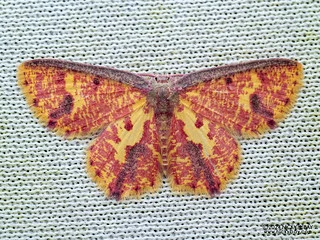
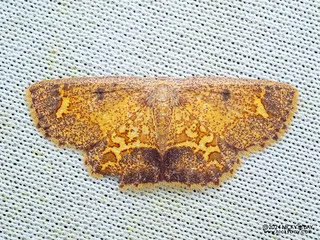
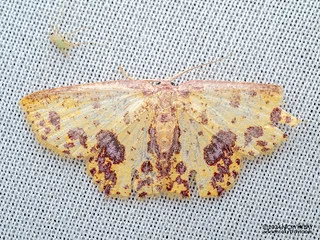
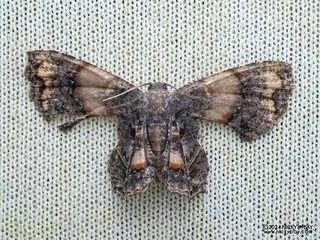
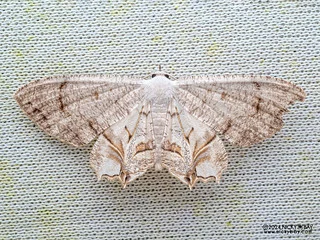
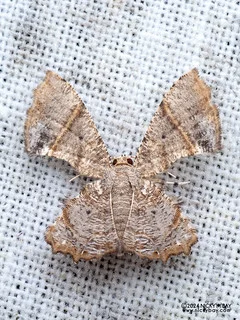
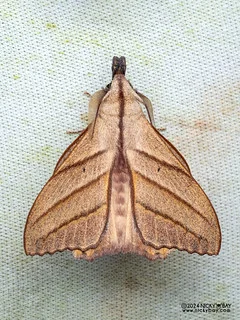
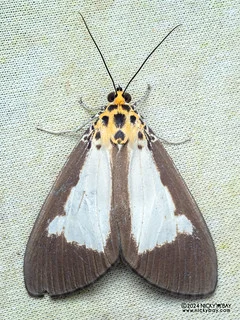
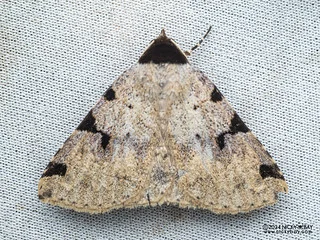
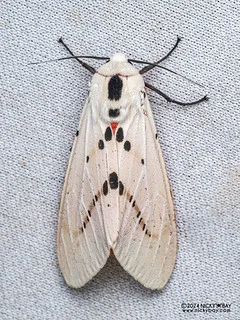
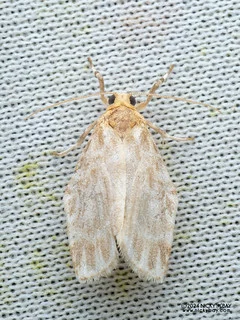
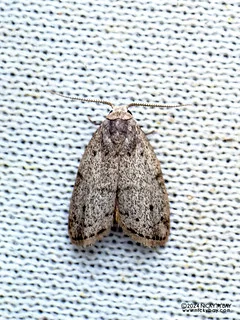
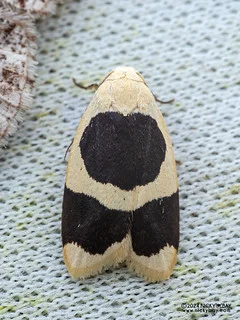
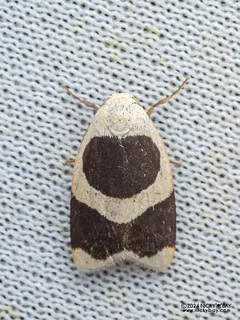
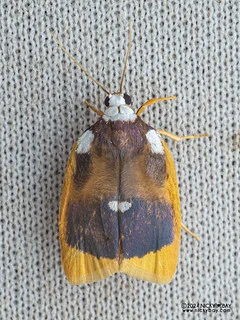
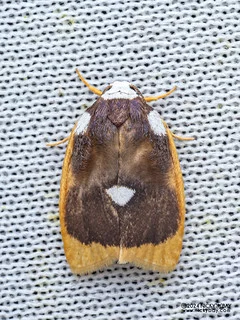
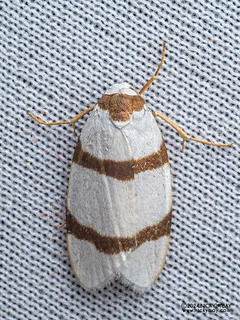
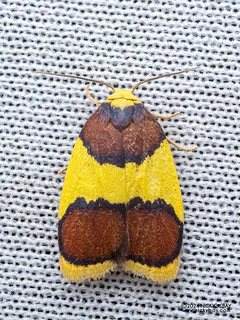
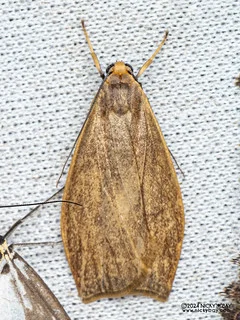
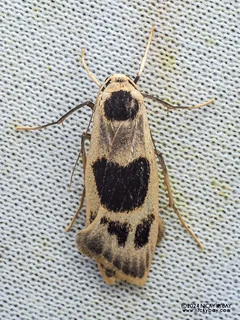
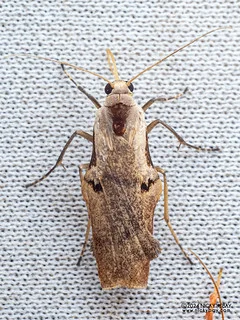
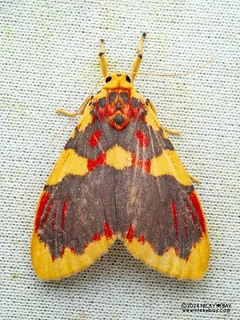
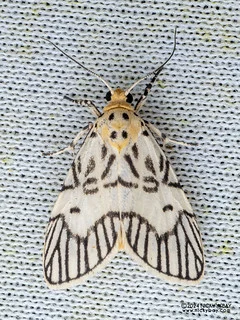
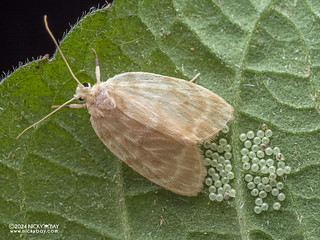
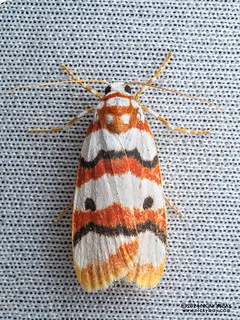
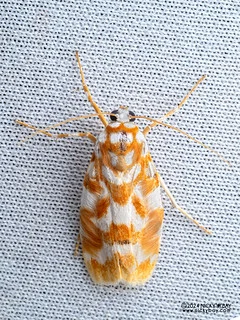
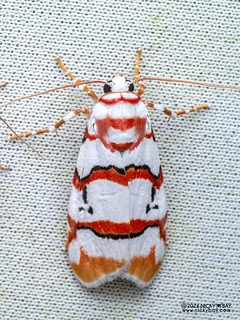
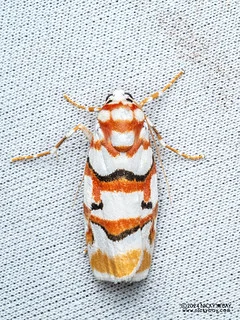
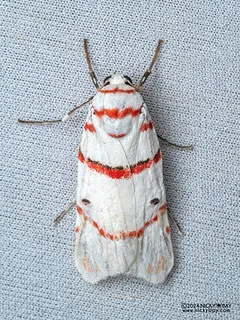
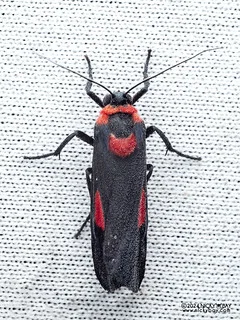
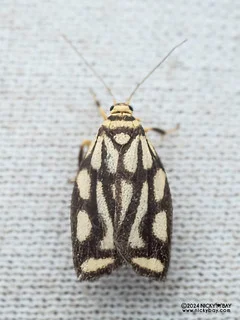
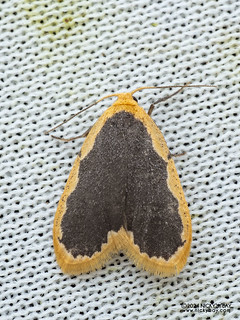
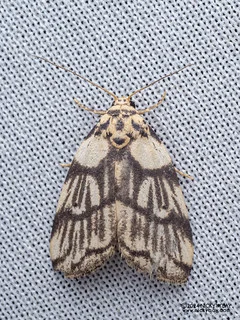
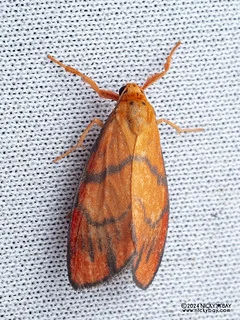
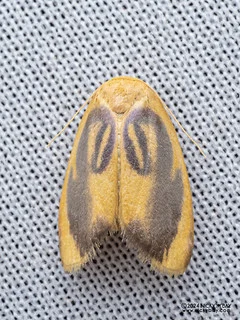
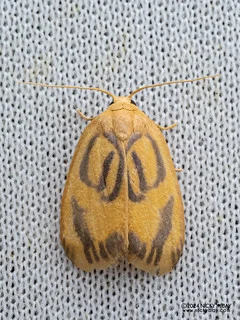
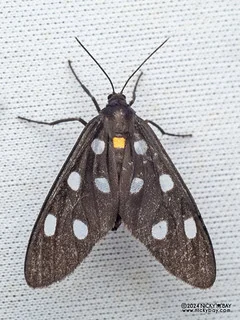
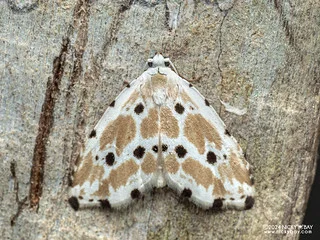
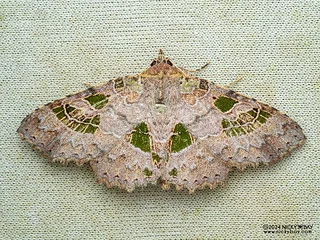
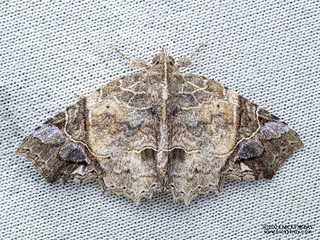
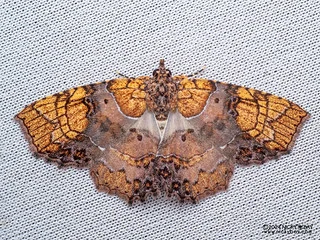
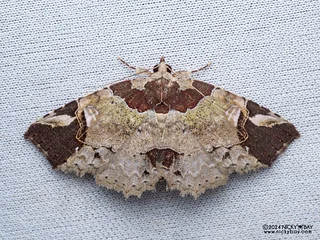
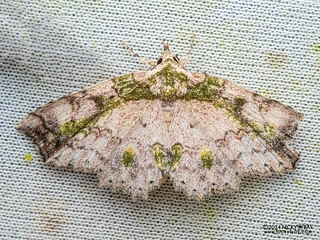
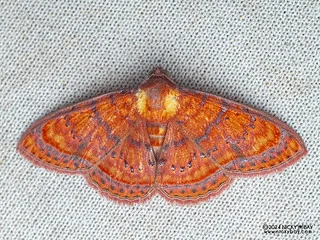
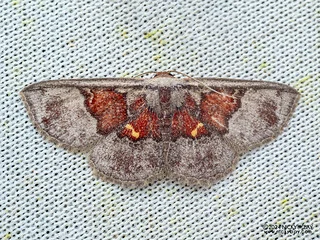
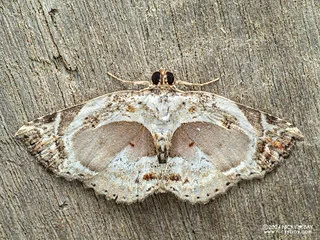
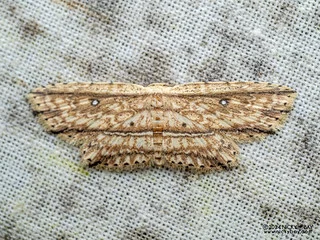
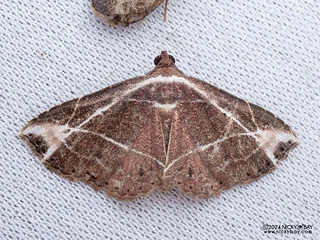
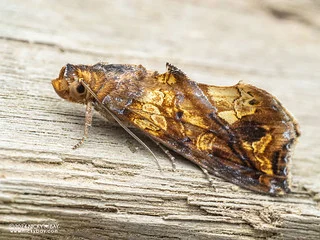
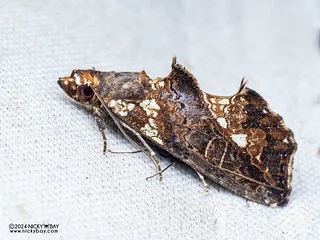
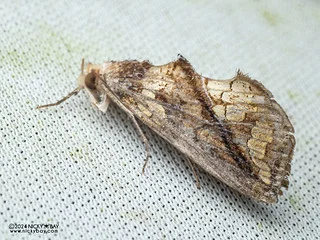
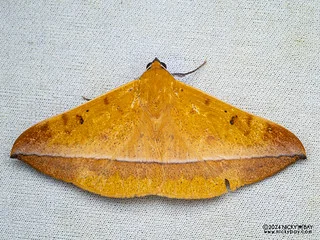
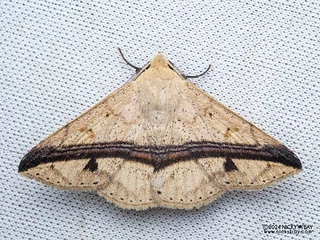
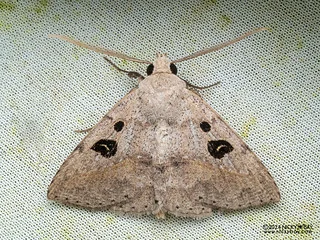
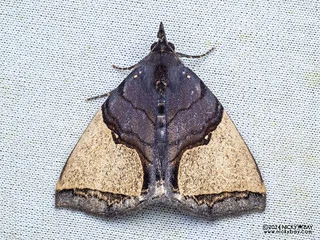
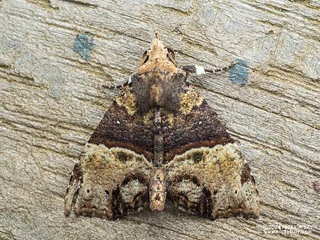
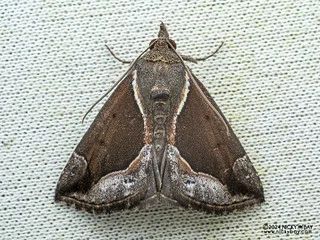
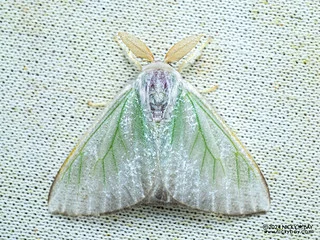
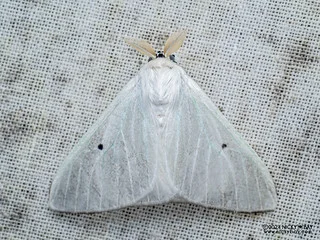
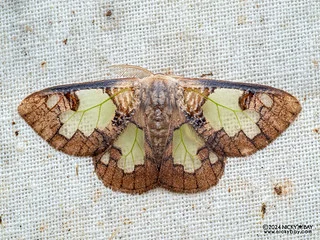
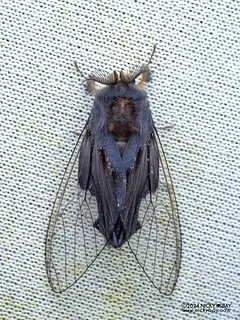
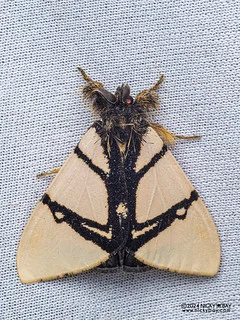
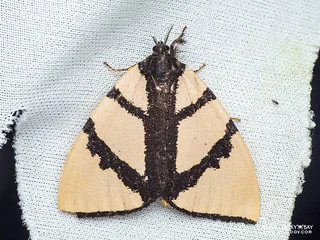
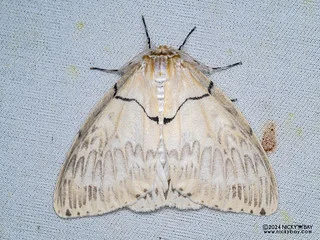
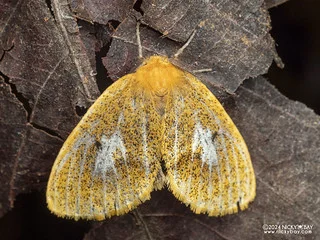
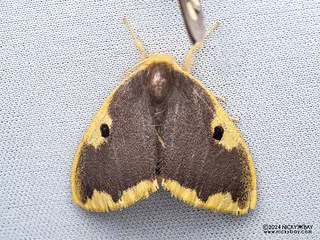
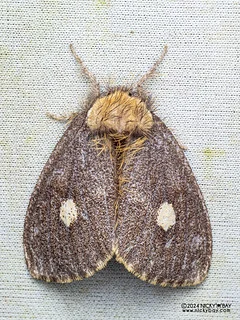
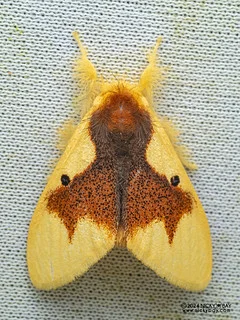
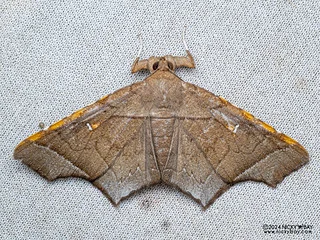
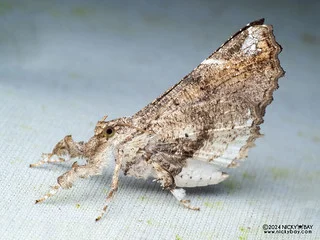
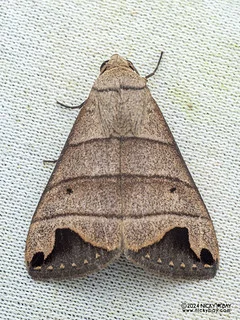
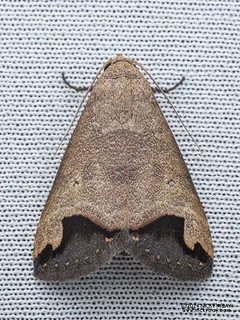
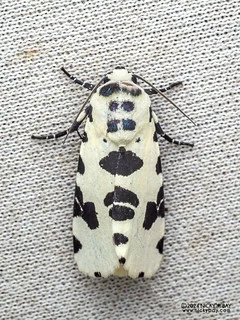
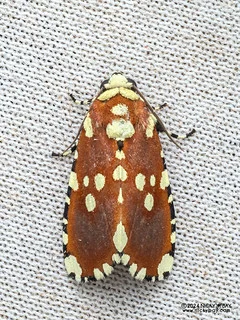
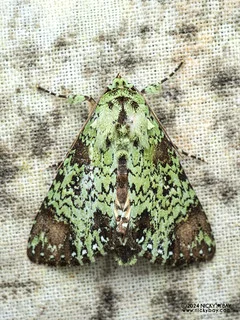
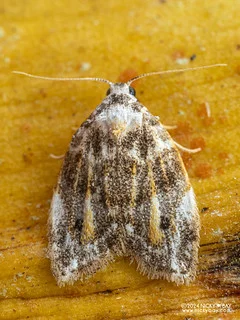
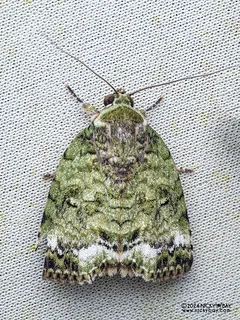
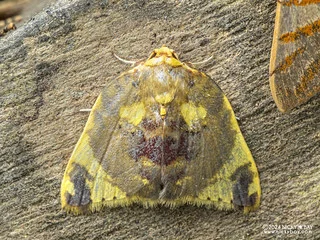
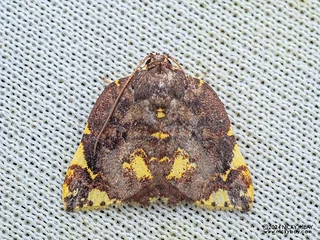
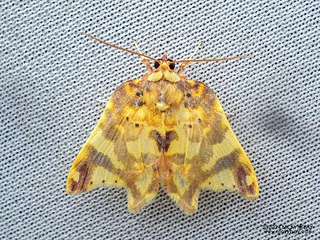
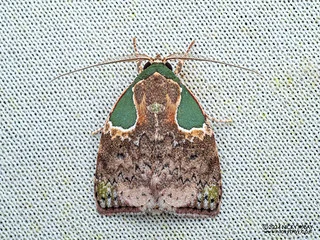
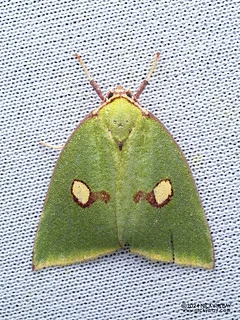
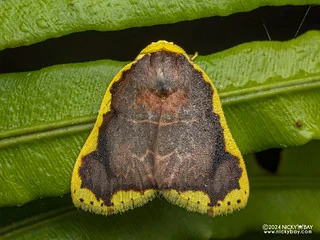
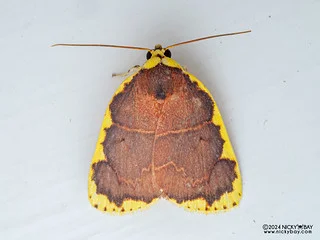
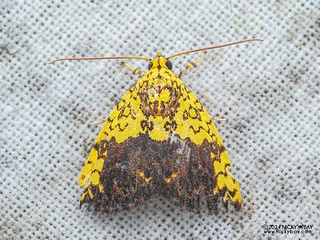
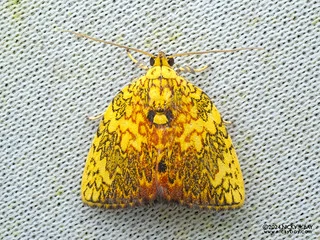
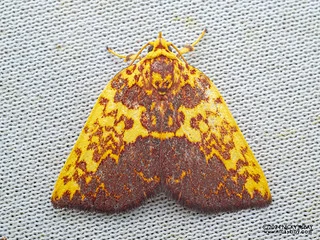
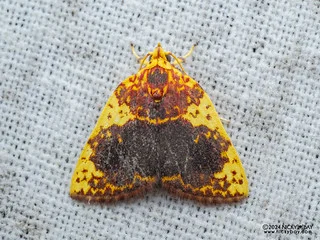
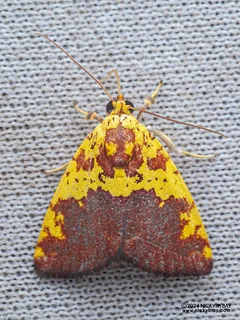
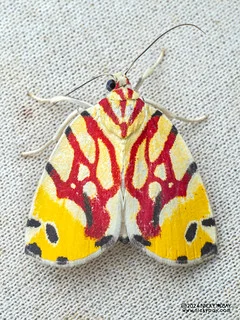
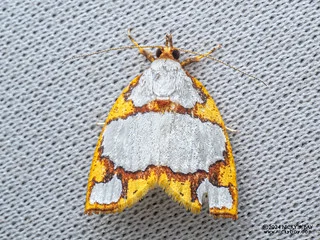
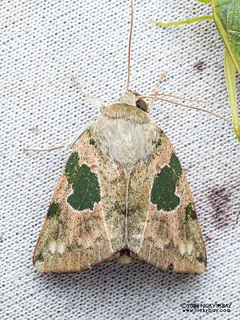
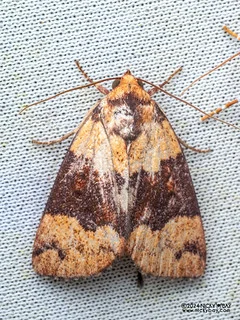
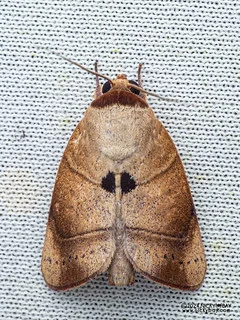
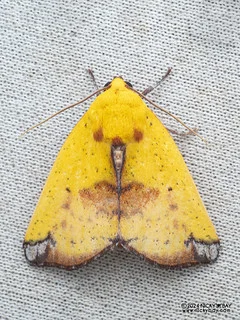
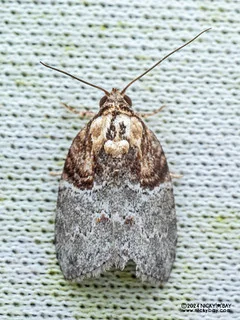
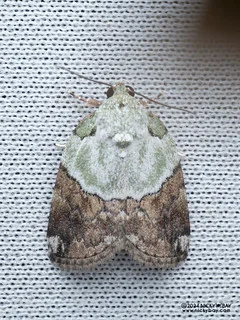
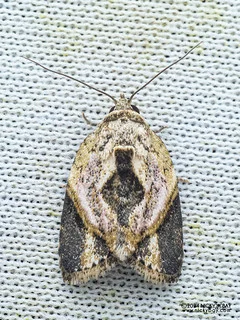
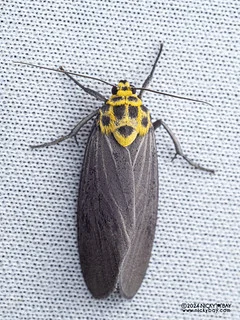
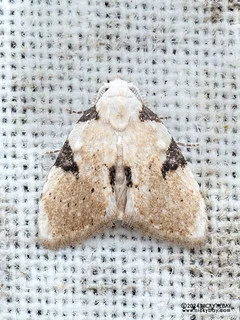
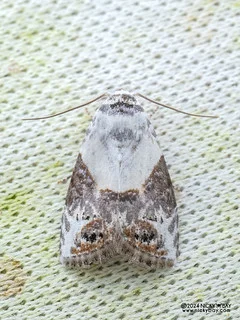
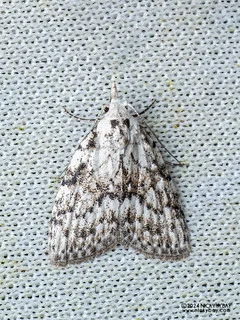
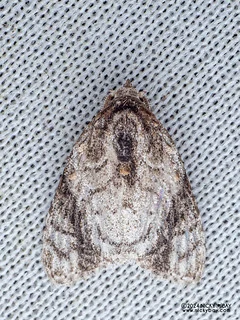
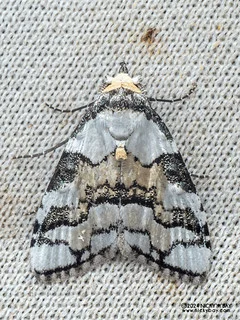
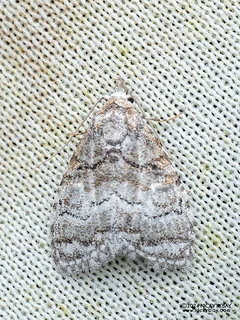
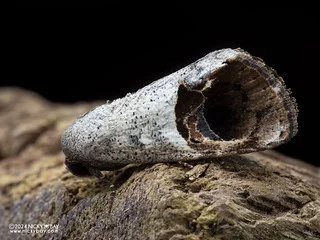
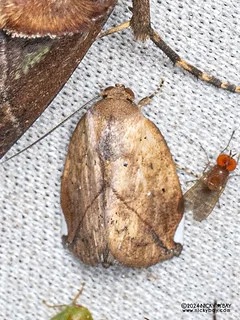
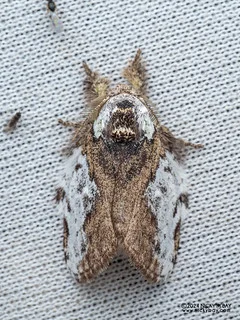
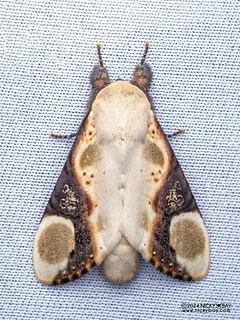
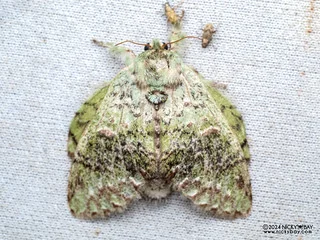
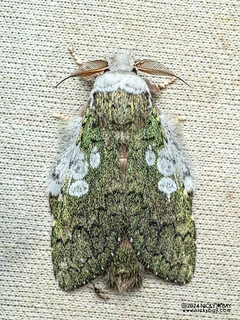
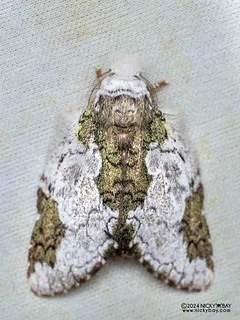
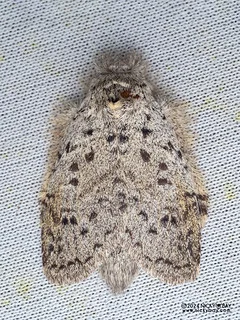
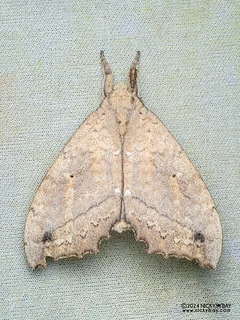
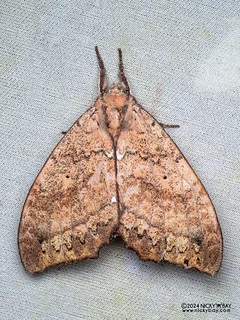
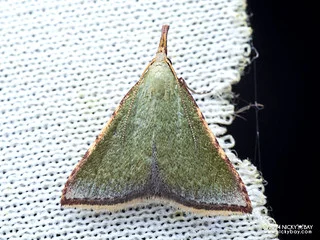
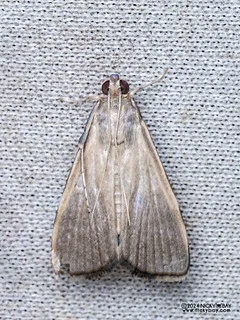
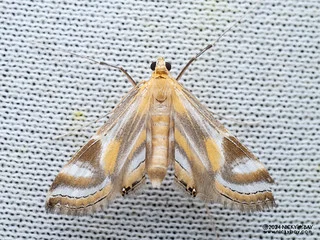
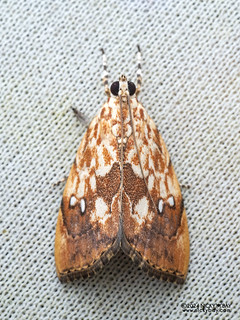
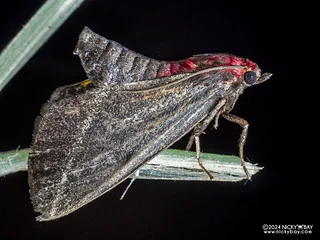
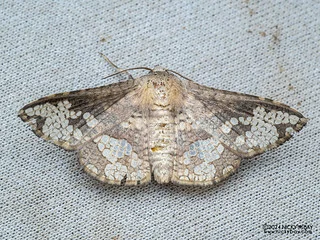
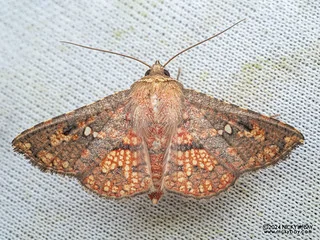
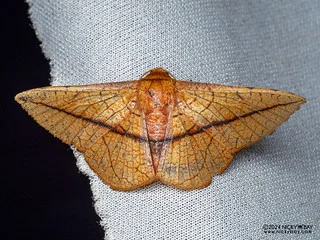
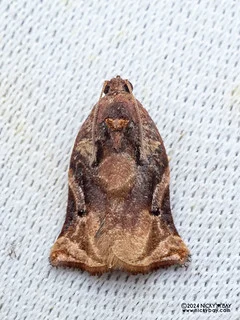
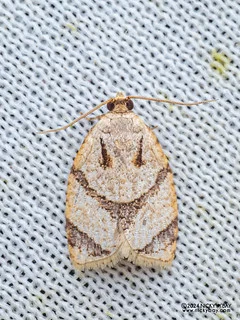
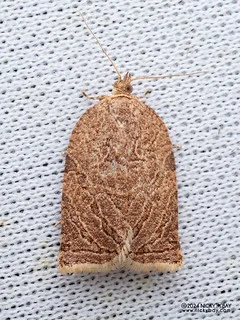
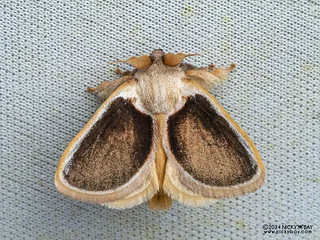
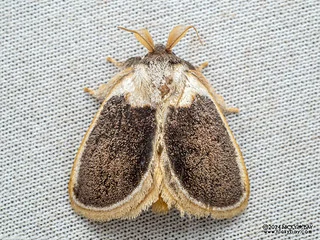
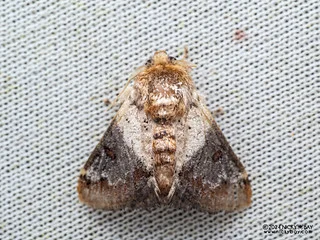
The fascinating world of moths offers photographers a unique opportunity to explore an underrepresented subject in the realm of nature photography. As seen through the lens of [Nick Adel](https://www.flickr.com/photos/nickadel), each image reveals the intricate beauty and diversity of these creatures, from the delicate markings of the *Oreta bicolor* to the more elusive *Horithyatira decorata*. You can really appreciate the craft behind capturing such subtle details by examining images like [this one](https://www.flickr.com/photos/nickadel/53658498207/) of a false owlet moth.
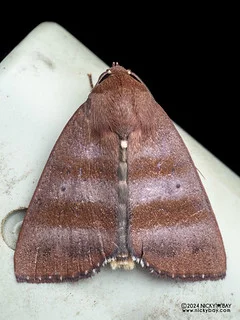
But here’s the thing: while many photographers may gravitate towards the more colorful and flamboyant members of the insect world, moths present a different challenge. Their muted tones and often camouflaged appearances require a keen eye and deliberate technique. This kind of focused work can deepen your understanding of lighting, composition, and macro techniques, making your skill set more versatile.
Looking ahead, if you're considering stepping into this niche of photography, think about how to tell a story through your shots. Use varying perspectives and compositions; consider how the habitat interacts with the moths themselves. Mixing macro shots with broader images of their environments can weave a richer narrative about their role in ecosystems.
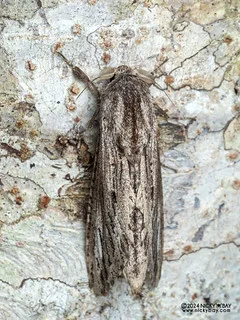
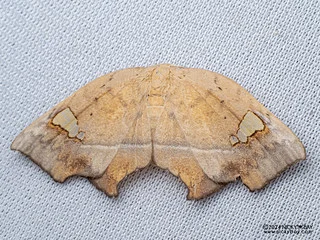
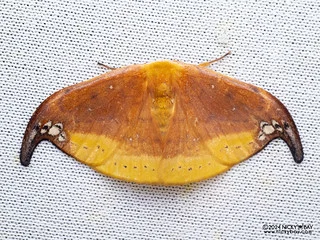
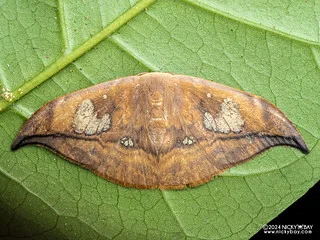
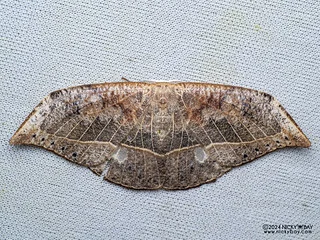
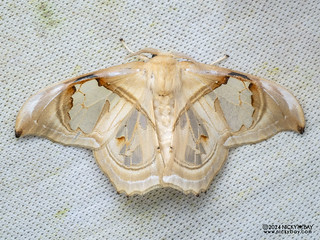
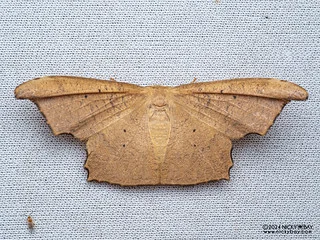
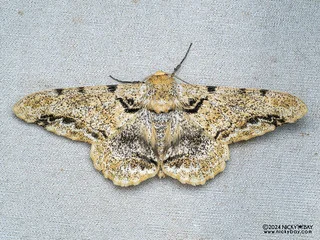
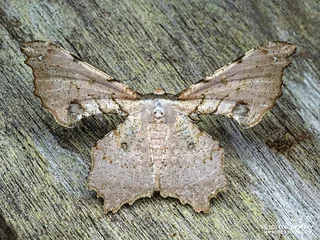
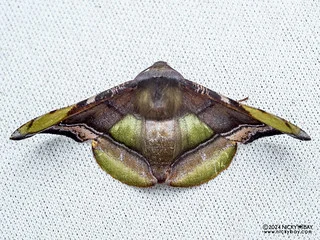
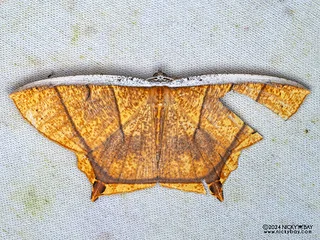
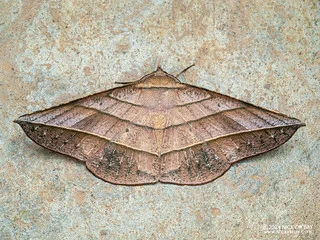
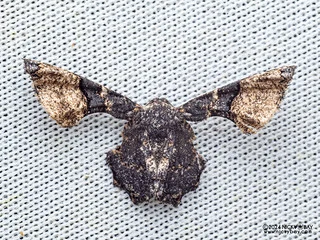
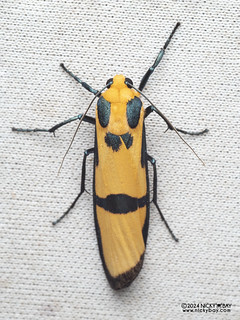
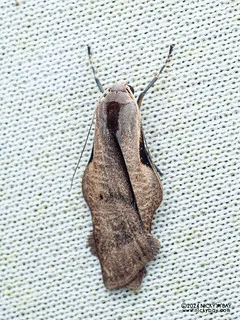
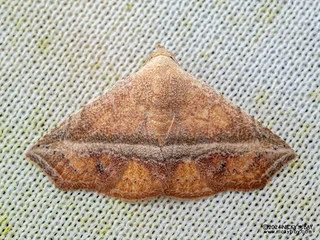
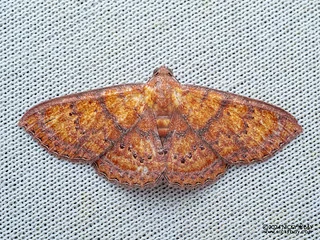
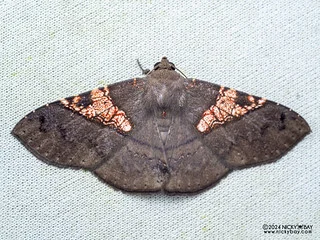
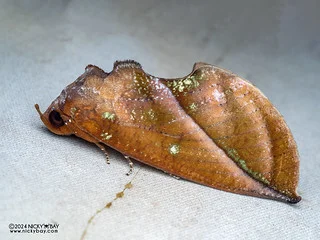
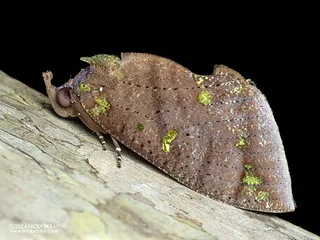
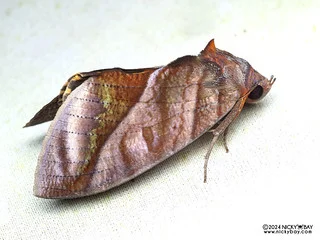
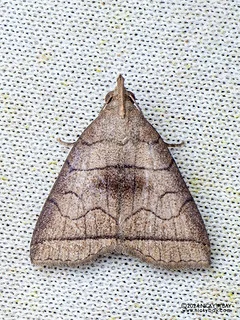
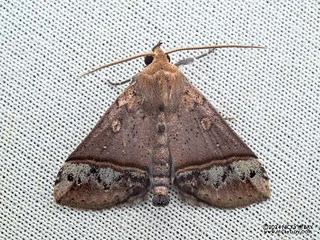
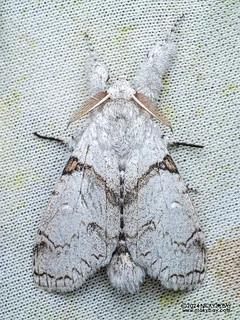
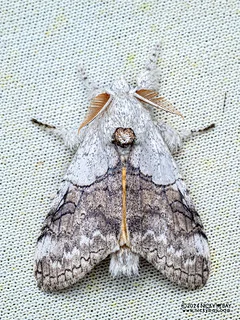
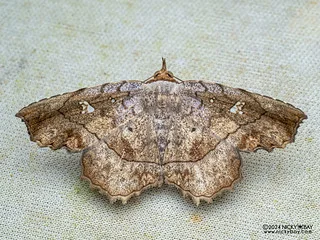
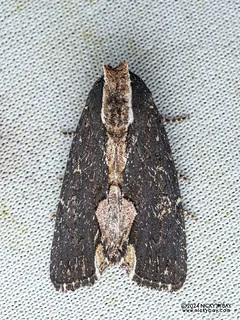
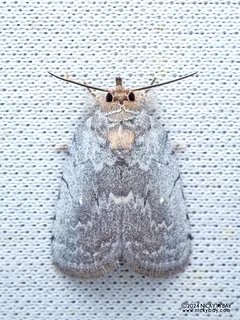
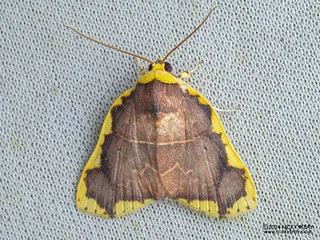
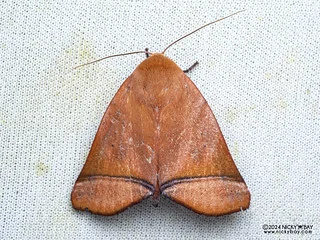
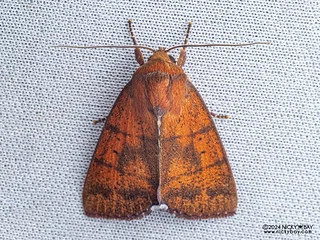
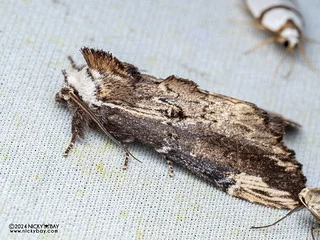
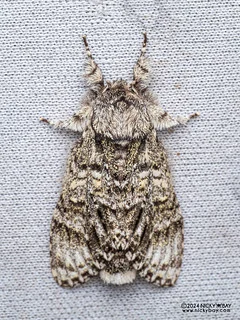
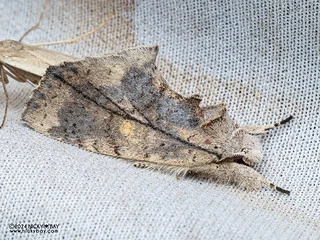
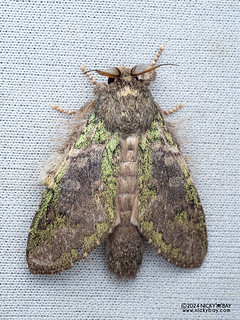
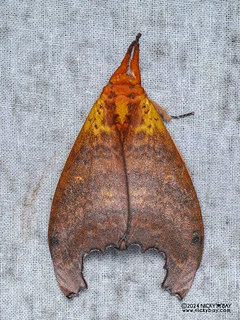
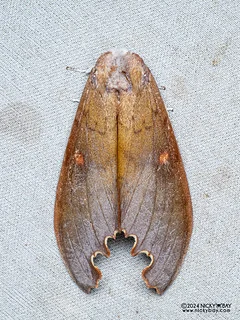
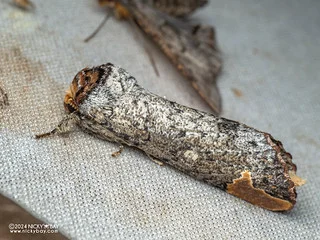
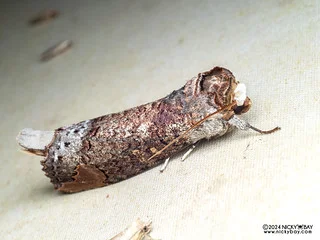
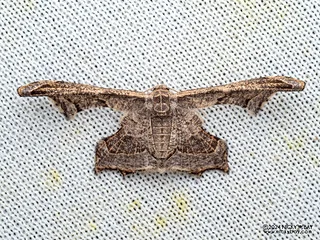
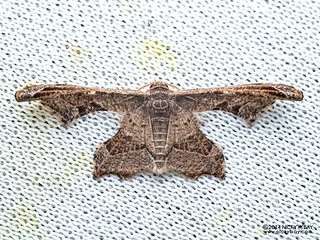
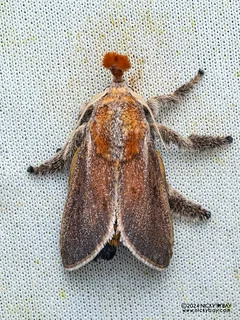
In conclusion, diving into moth photography not only expands your portfolio but also invites a greater appreciation for biodiversity. It challenges you to look closer and capture the often-overlooked beauty of nature. Whether you're photographing the [Curved-horn moth](https://www.flickr.com/photos/nickadel/53661923175/) or venturing deeper into the night to discover hidden wonders, the journey is as rewarding as the results you’ll achieve.
image, to those less flamboyant yet equally important species like Theretra nessus, each contributes to a complex ecological tapestry.
This is more than just a catalog of moths; it signifies the intricate relationships these species have with their environments. These images serve as a reminder of the rich biodiversity that exists all around us, often unnoticed. If you're considering venturing further into entomology or photography, these subjects present an endless source of inspiration and study.### Closing Thoughts on Moth Photography
The fascinating world of moths offers photographers a unique opportunity to explore an underrepresented subject in the realm of nature photography. As seen through the lens of [Nick Adel](https://www.flickr.com/photos/nickadel), each image reveals the intricate beauty and diversity of these creatures, from the delicate markings of the *Oreta bicolor* to the more elusive *Horithyatira decorata*. You can really appreciate the craft behind capturing such subtle details by examining images like [this one](https://www.flickr.com/photos/nickadel/53658498207/) of a false owlet moth.
But here’s the thing: while many photographers may gravitate towards the more colorful and flamboyant members of the insect world, moths present a different challenge. Their muted tones and often camouflaged appearances require a keen eye and deliberate technique. This kind of focused work can deepen your understanding of lighting, composition, and macro techniques, making your skill set more versatile.
Looking ahead, if you're considering stepping into this niche of photography, think about how to tell a story through your shots. Use varying perspectives and compositions; consider how the habitat interacts with the moths themselves. Mixing macro shots with broader images of their environments can weave a richer narrative about their role in ecosystems.
In conclusion, diving into moth photography not only expands your portfolio but also invites a greater appreciation for biodiversity. It challenges you to look closer and capture the often-overlooked beauty of nature. Whether you're photographing the [Curved-horn moth](https://www.flickr.com/photos/nickadel/53661923175/) or venturing deeper into the night to discover hidden wonders, the journey is as rewarding as the results you’ll achieve.