Discover the beauty of macro and microscopic photography with techniques and gear that enhance your skills and foster community learning.
Reflecting on an Exceptional Year in Macro Photography
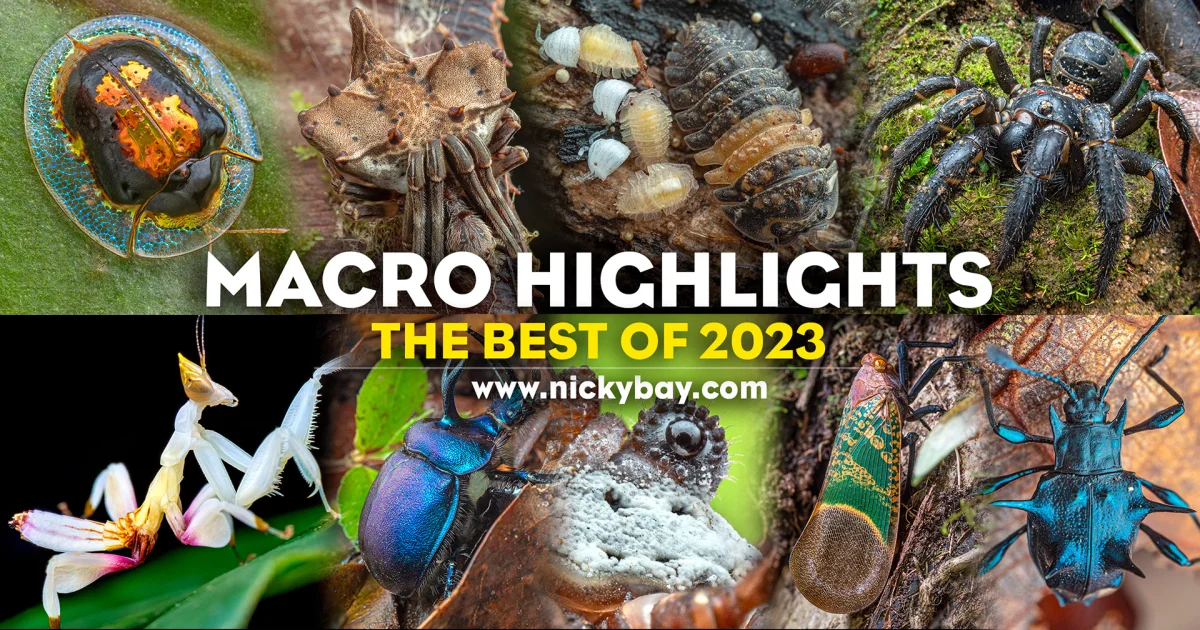
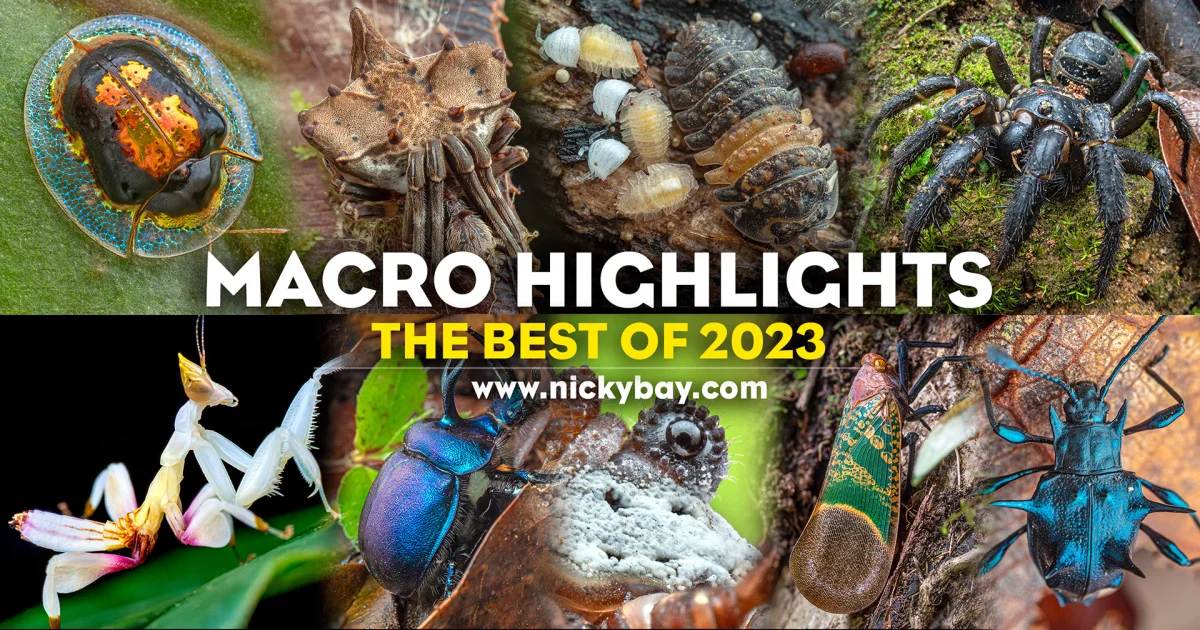
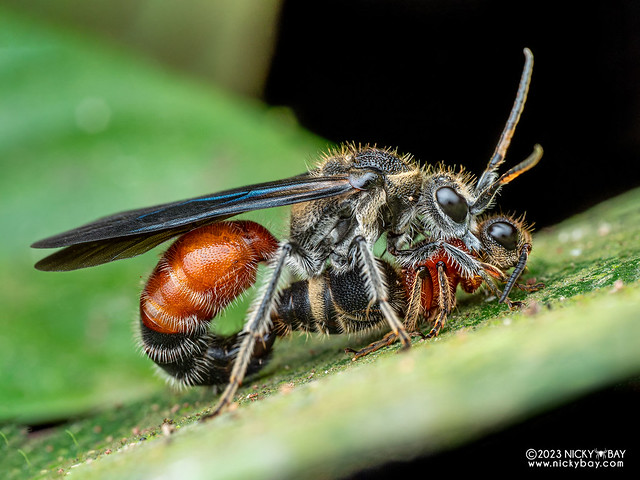
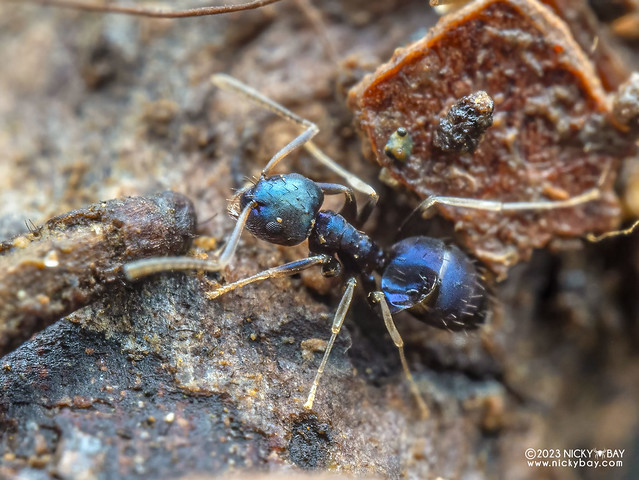
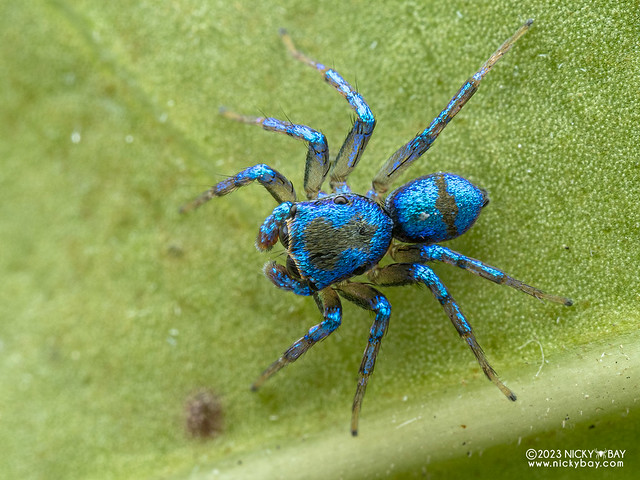
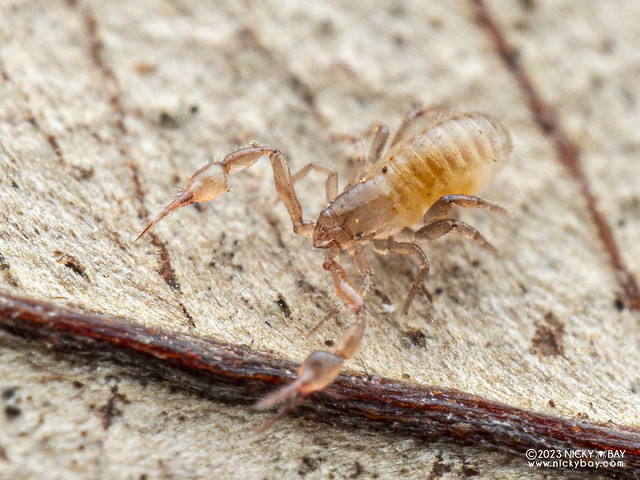
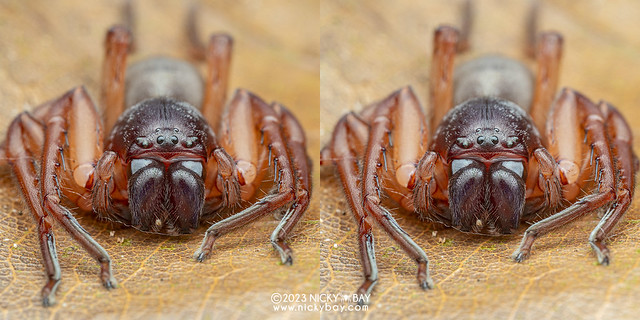
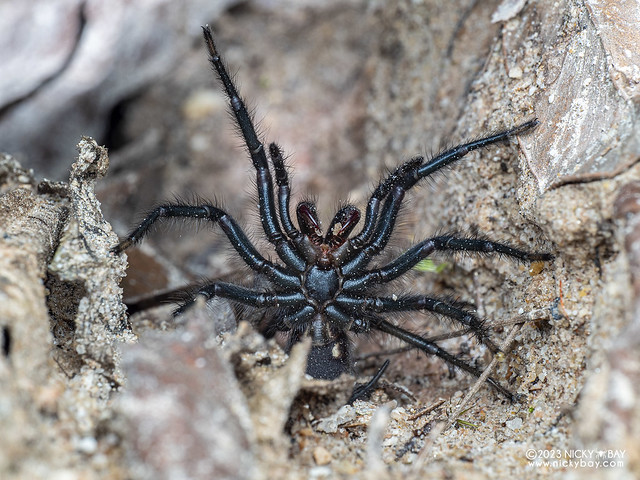
2023 has proven to be a remarkable year for macro photography, packed with unforgettable experiences and discoveries. As I reflect on my journey through the lush environments of Borneo and Thailand, I'm reminded of the stunning diversity of life I've had the privilege to document. This year, I also ventured into the world of microscope photography, a shift from my usual outdoor macro work. It’s a specialized technique that allows for the exploration of microfauna, presenting a unique challenge and rewarding new perspectives.
One of the highlights of my 2023 experience has been the data I've collected through my work on
iNaturalist. With a total of 1,723 observations across 769 distinct species, it’s clear that my focus has primarily revolved around insects and arachnids. Intriguingly, more than half of my findings were insects, while the remainder included various arachnids, myriapods, and isopods. What stands out is not just the numbers, but the stories and educational opportunities each find represents.
I owe a debt of gratitude to my fellow photographers who shared their valuable insights and discoveries with me throughout the year. Friends like Vin PSK, Alvin, and others from our macro photography community have been instrumental in fostering a collaborative environment where we all aim to grow and learn together. Special thanks are also due to Paul, who introduced me to numerous fascinating arachnids that made their way into this compilation.
My Gear Setup
To capture these astounding specimens, I relied on specific setups tailored for my macro and microscopic projects:
**Micro Four Thirds Configuration:**
- Olympus OM-D E-M10 Mk4
- Laowa 50mm f/2.8 2x Ultra Macro APO [Review]
- Lighting was provided by a Godox TT350 equipped with a DIY diffuser and reflector.
**Microscope Setup:**
- Nikon D850 provided high-resolution imaging.
- I paired it with a Laowa Aurogon 10-50x + Slip Ring Set for extreme close-ups.
- Three Godox TT350 flashes were used at low power settings for effective illumination, alongside a Meike MK-320 triggering setup.
- Finally, I relied on a Cognisys Stackshot for automated image capture and a Vertical stand 2.0 for stable positioning.
This arsenal proved effective in the field and under the microscope, enabling me to document the intricate details of the macro world in ways that deeply enriched my photography skills. If you're thinking of expanding into micro photography or simply refining your macro techniques, my experience suggests that the right tools and a supportive community can make a significant difference.
Interesting Finds at Mulu National Park
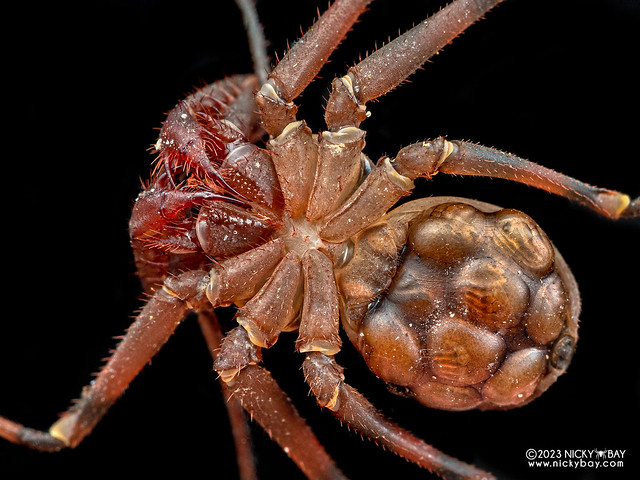
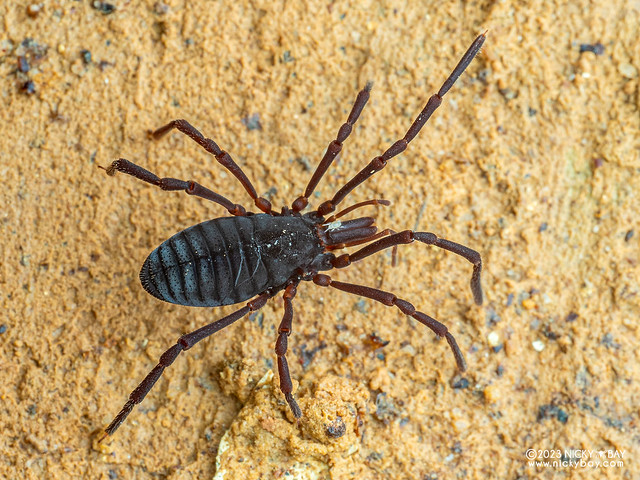
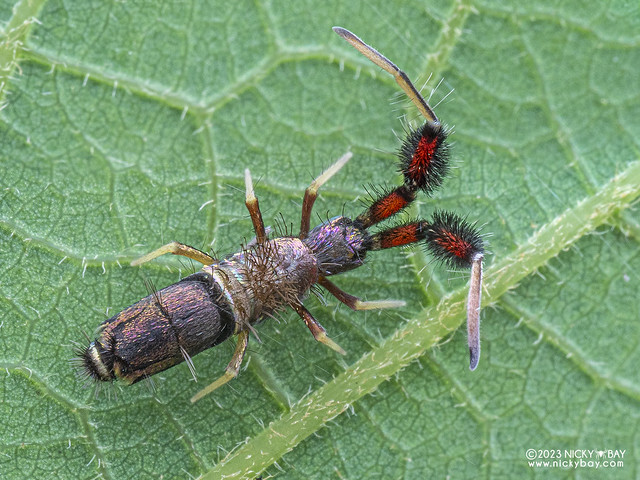
One of the incredible discoveries near the cave entrance was a remarkable epedanid, notable for its exceptionally long clasping pedipalps. Such features highlight the unique adaptations found in these species, inviting further exploration into their ecological roles.
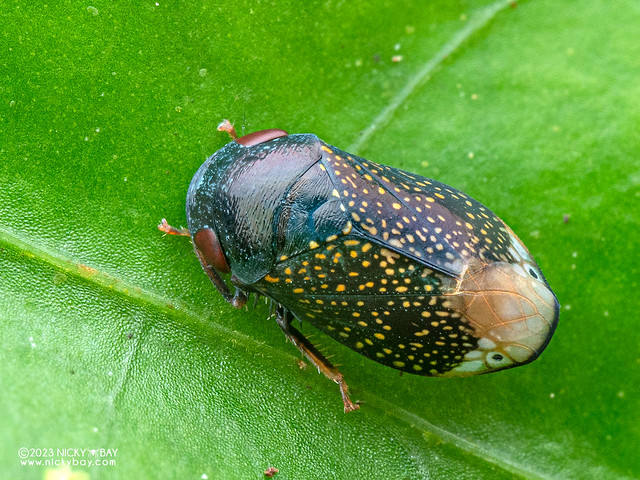
Another striking insect was the spittlebug, belonging to the family Aphrophoridae. Its intriguing appearance certainly stood out, making it a memorable subject for anyone keen on entomology. If you’re curious, you can explore more about spittlebugs in this detailed Cercopoidea Checklist: Froghoppers.
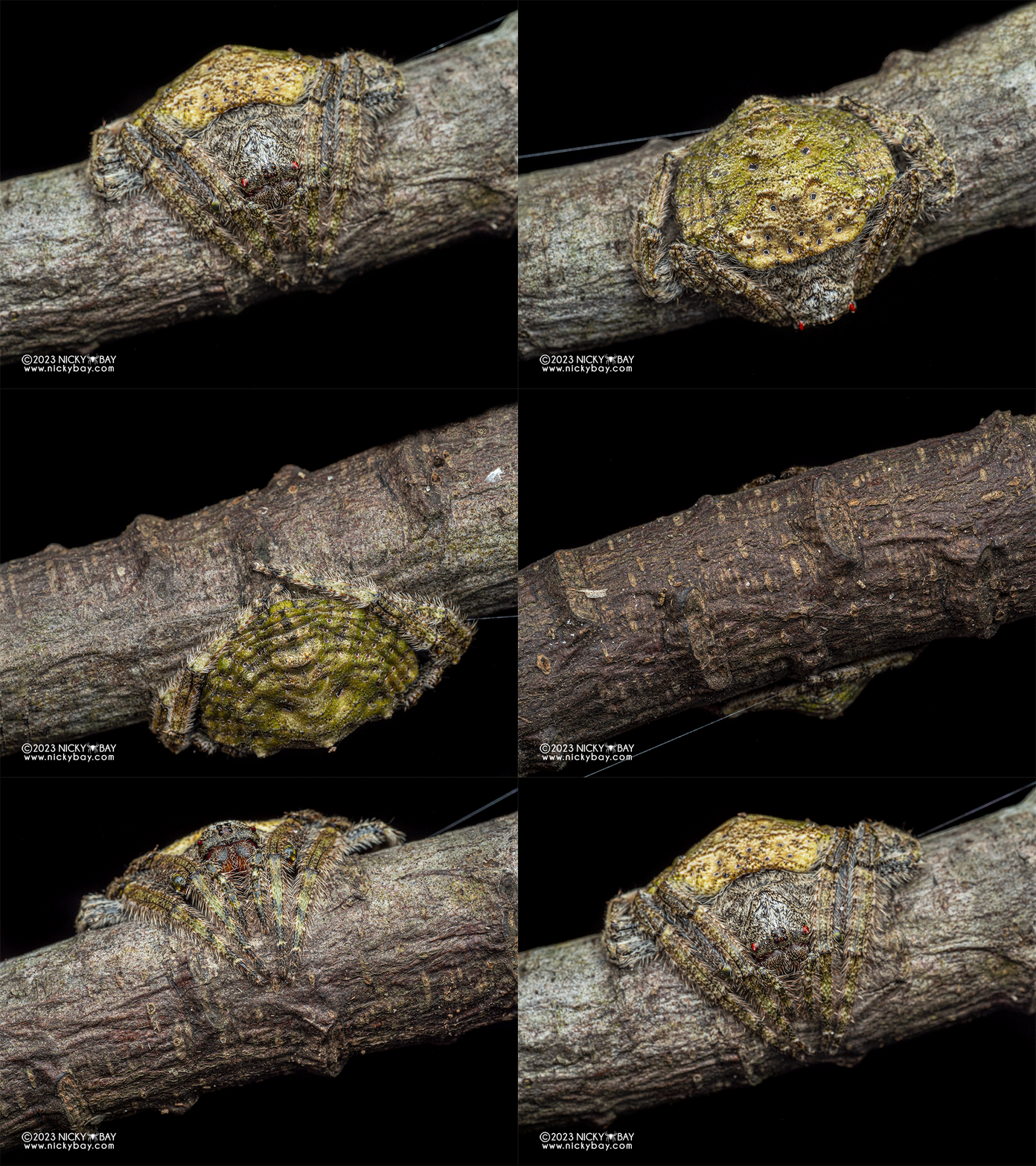
While wandering along the Paku Loop, Mok spent considerable time examining a log, where he stumbled upon a highly cryptic podoctid harvestman. Their elusive nature often makes capturing clear images of these creatures a difficult yet rewarding endeavor.
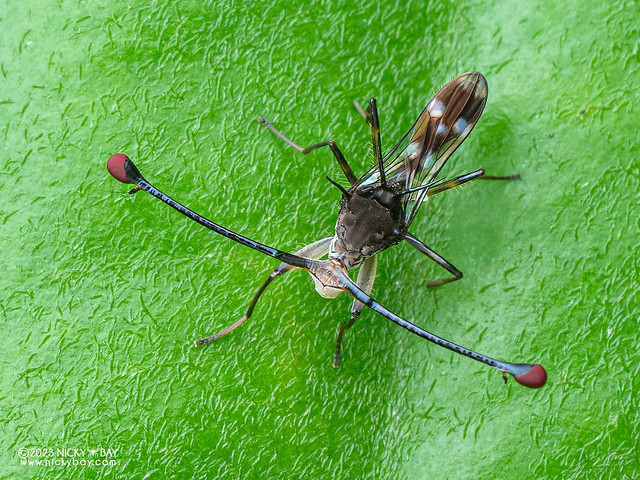
Then there were the stalk-eye flies from the subfamily Diopsinae, fluttering in the area. I couldn't help but grab some record shots as they zipped by—a fleeting chance to document their activity before they vanished into the canopy.
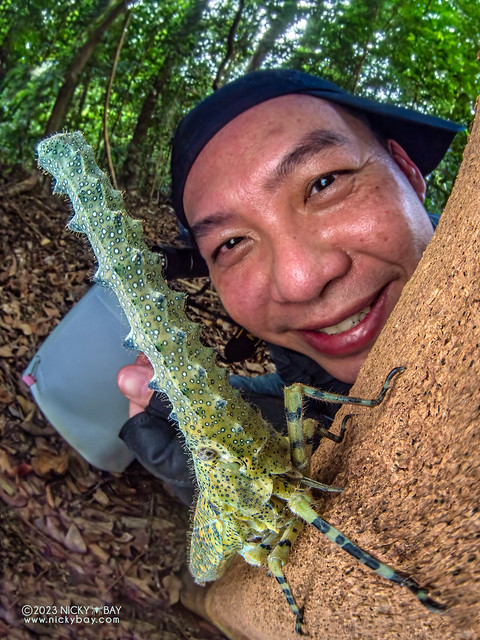
Among the notable specimens was a leafhopper from the Cicadellidae family. Its distinct snake-like appearance at the posterior end is truly captivating. This resemblance raises questions about evolutionary adaptations in these insects—what purpose does this mimicry serve? It's a reminder to look closer at our subjects, as details often hold significance.
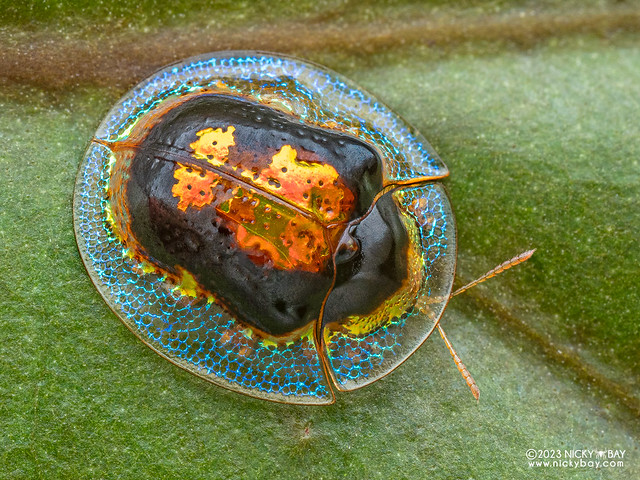
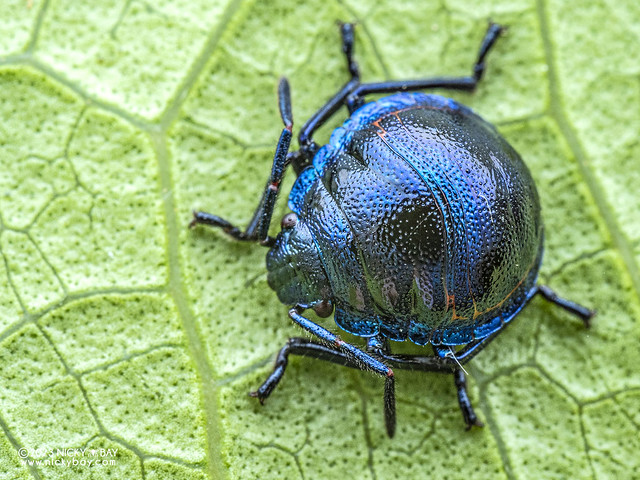
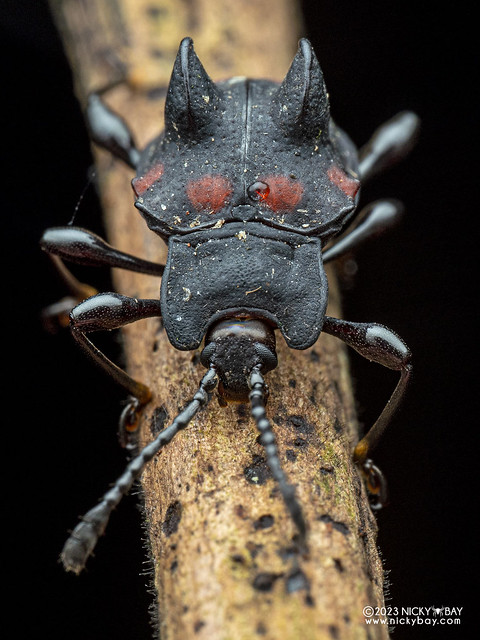
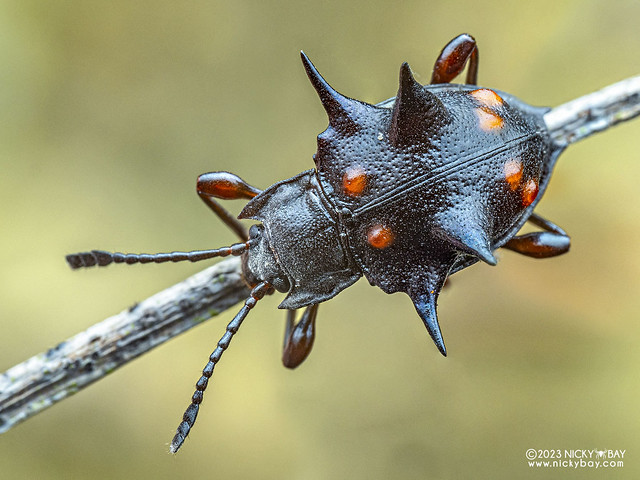
Cham’s find of a tortoise beetle, specifically *Malayocassis hilaris*, became one of my favorite captures from the trip. This species showcases a beautiful interplay of blue network patterns within its transparent shell, accented by a golden blotch—striking evidence of natures’ artistry. More insights can be gained at Cassidinae Checklist: Tortoise Beetles.
During a visit to Lagang Cave as part of the Fastlane Tour, we encountered several stylocellid harvestmen, initially misidentified as sandokanids. This confusion presents another reminder of the diverse and often perplexing world of arachnids. Check out the Opiliones Checklist: Harvestmen for further information.
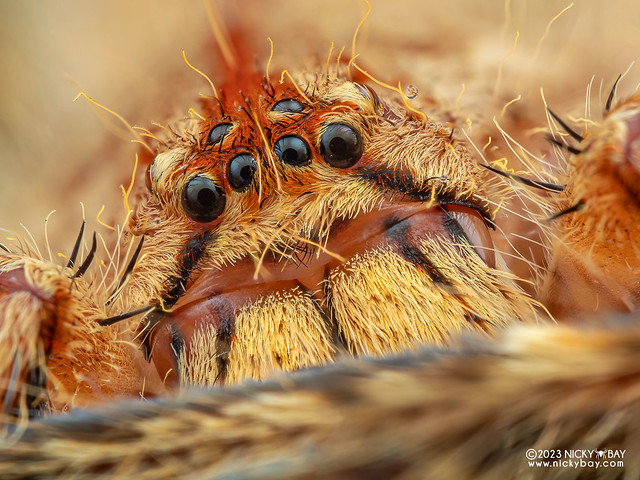
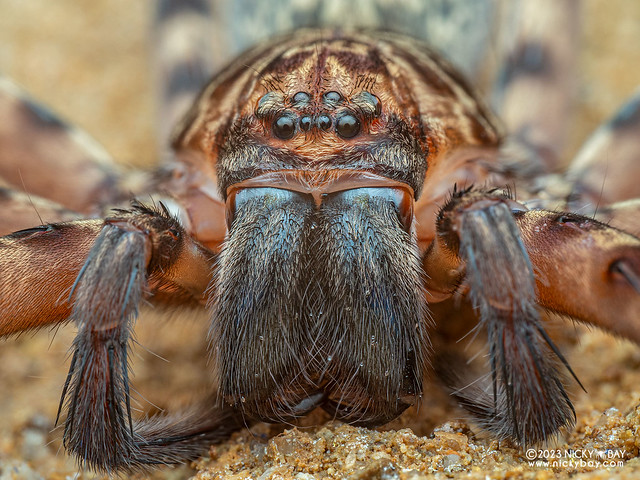
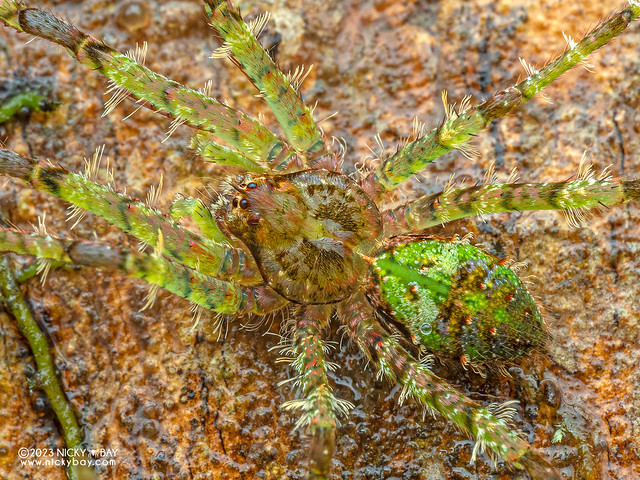
Giant huntsman spiders, belonging to the *Heteropoda* genus, were another highlight, clinging to the cave walls. The thrill of viewing them at such close range gave us an intimate look into their lives, which are often shrouded in darkness.
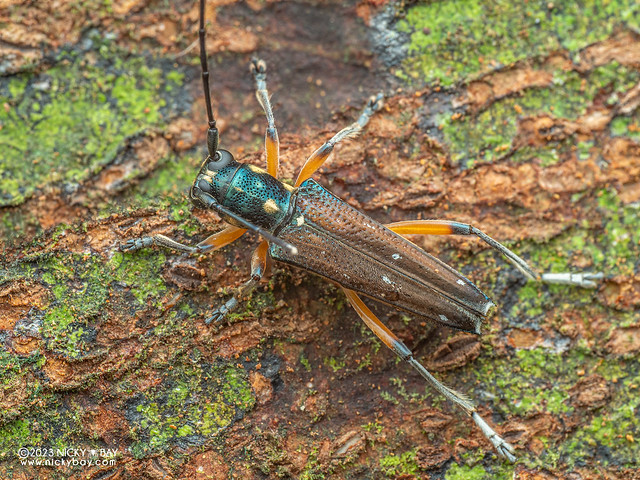
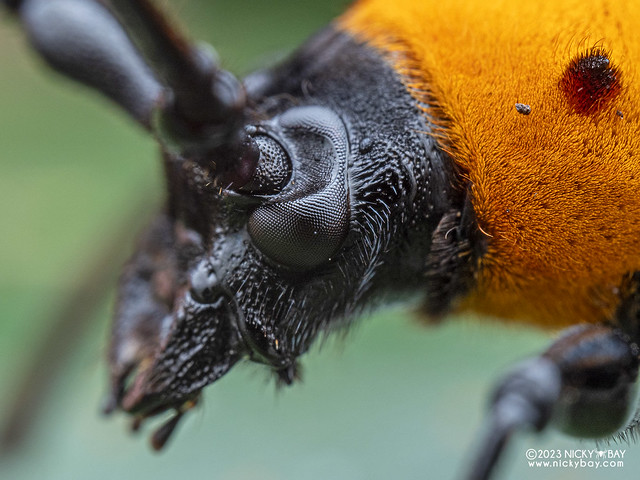
As we explored, few longhorn beetles made their presence known, but the ones we did encounter, like *Pterolophia viridegrisea*, were stunning. Their vibrant lime green hue, adorned with intricate patterns, makes them truly remarkable. You can find a detailed account in the Cerambycidae Checklist: Longhorn Beetles.
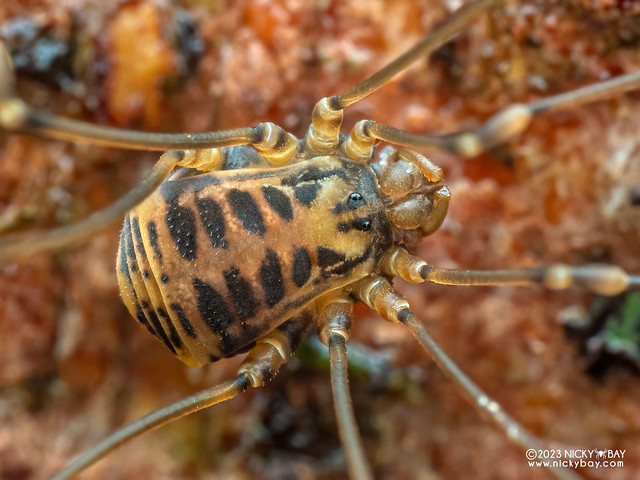
Among a flurry of harvestmen sightings, the Assamiidae species caught my eye, particularly due to its striking tiger stripes—a consistent favorite among collectors.
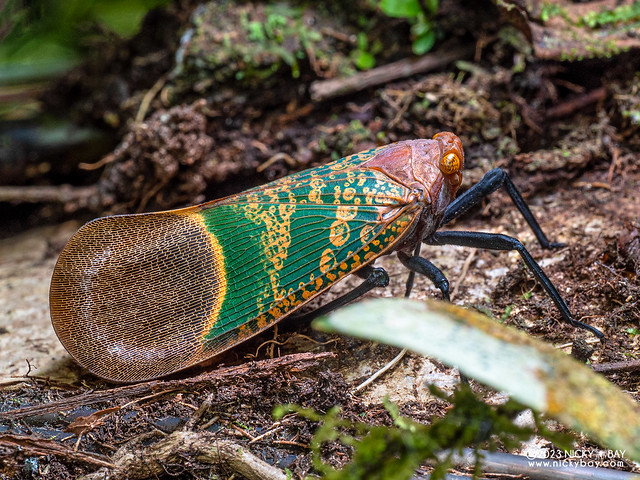
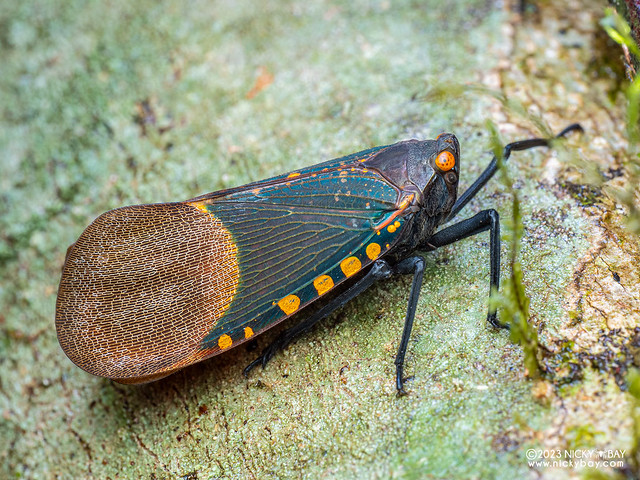
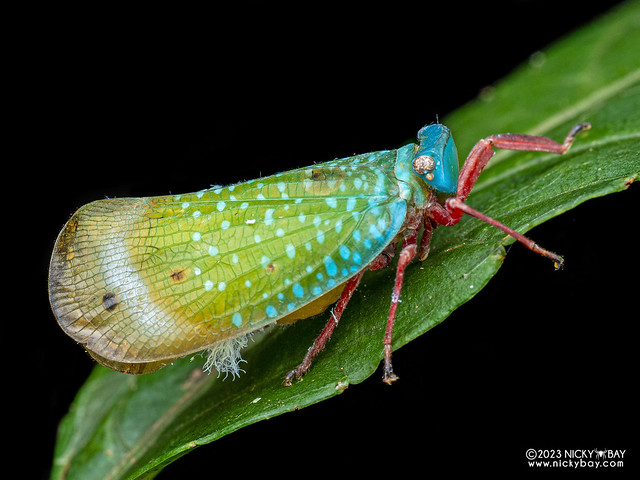
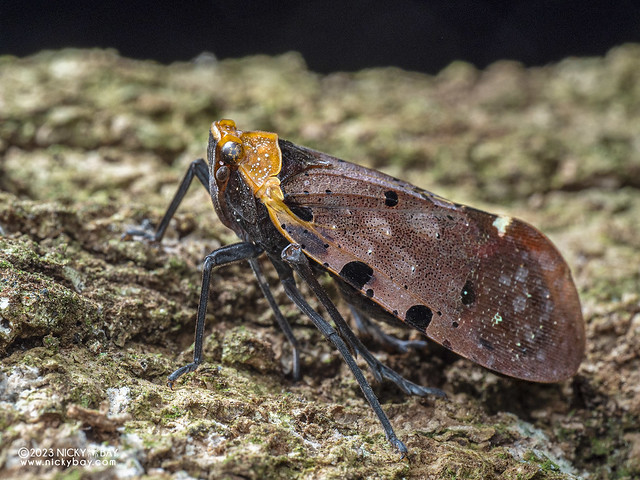
Every morning presented another chance to spot the elusive *Pyrops cultellatus*, a lantern bug known for its striking green coloration. My efforts didn’t yield that particular specimen, but I did encounter *Scamandra polychroma*, which added a splash of color to my captures.
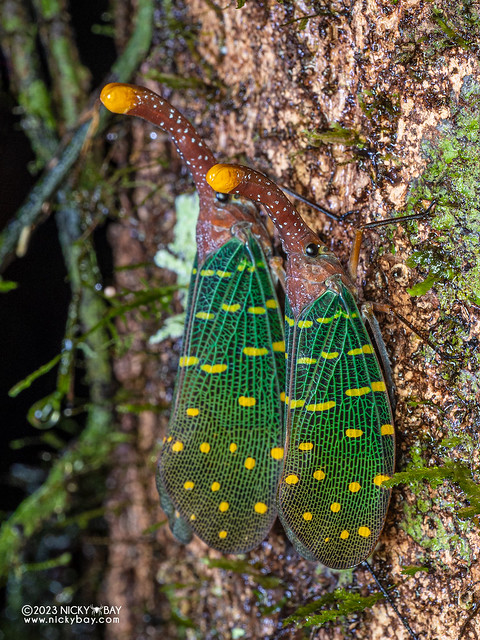
Conversely, *Pyrops intricatus* held my attention as I anticipated a mating display, though my wait turned fruitless; they simply rested side by side throughout the day. Observing behaviors like this, while often unpredictable, is part of the thrill.
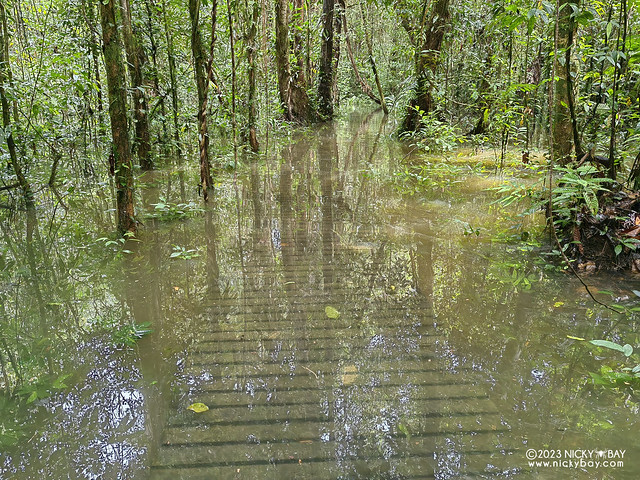
Trudging through the flooded trails was a challenge. Heavy rain pelted us relentlessly, limiting our shooting windows. At times, the boardwalks were completely submerged, a striking reminder of nature’s influence.
However, on the final night, as the clouds parted briefly, Paul discovered a vividly colorful stick insect, *Orthonecroscia fuscoannulata*. Capturing the moment proved tricky, as it was remarkably skittish, but I managed some record shots before it took off.
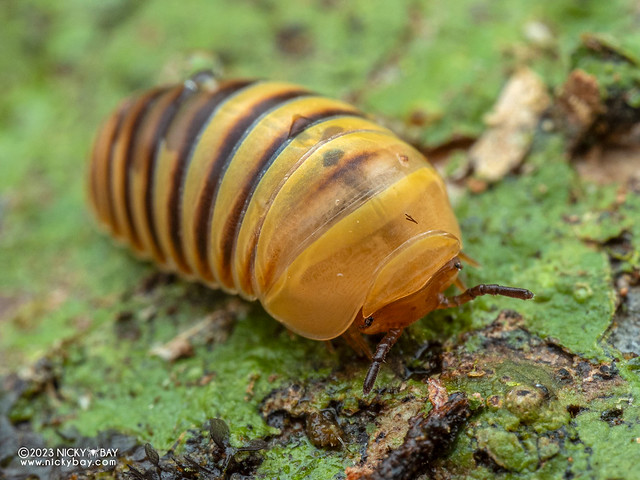
We encountered a plethora of fascinating critters, each with its unique story—like the Gagrellinae harvestman, the wandering spider species *Acantheis*, and the slow-moving pill millipede that initially fooled me into thinking it was something else. Such diverse wildlife truly encapsulates the richness of Mulu National Park.
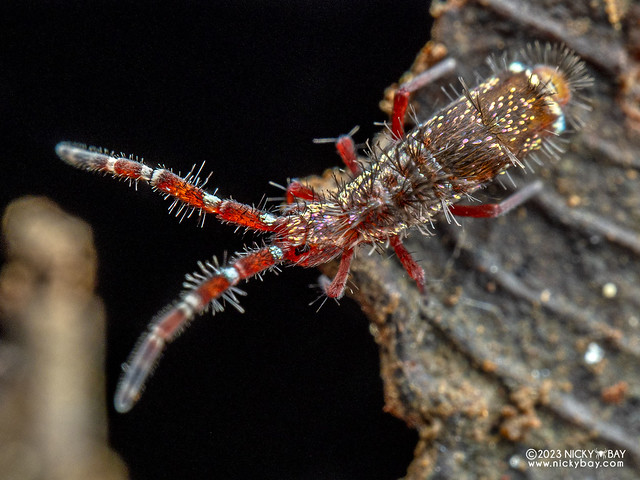
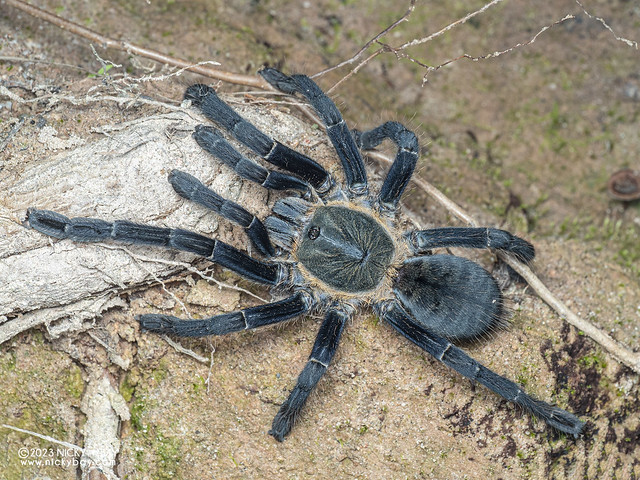
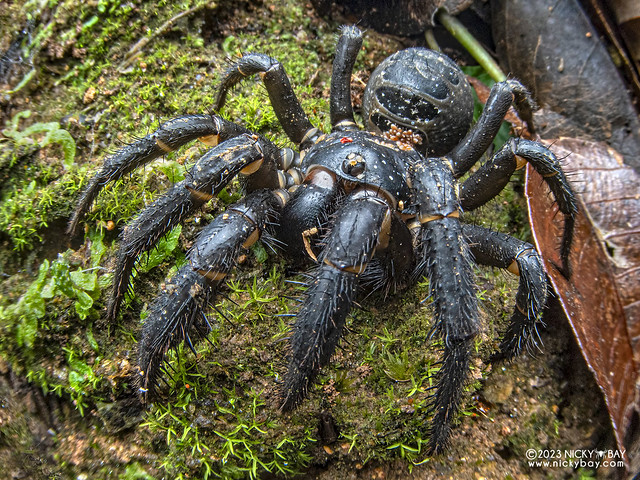
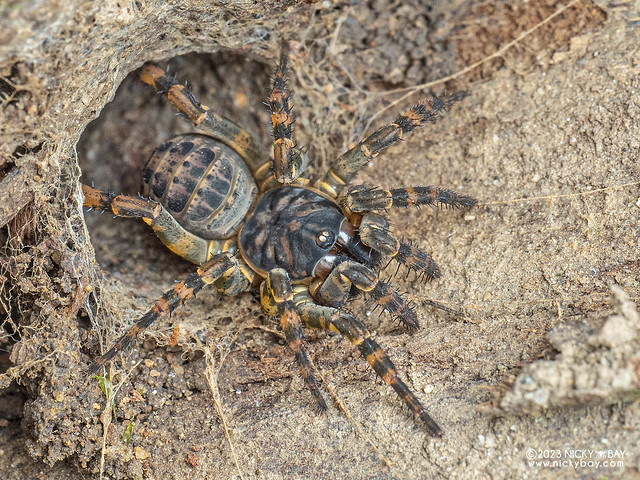
Even the leaf litter yielded surprises, including tiny springtails and a two-eye tarantula that hinted at a provisional identification of the *Euagridae* family—an exciting possibility that kept us intrigued.
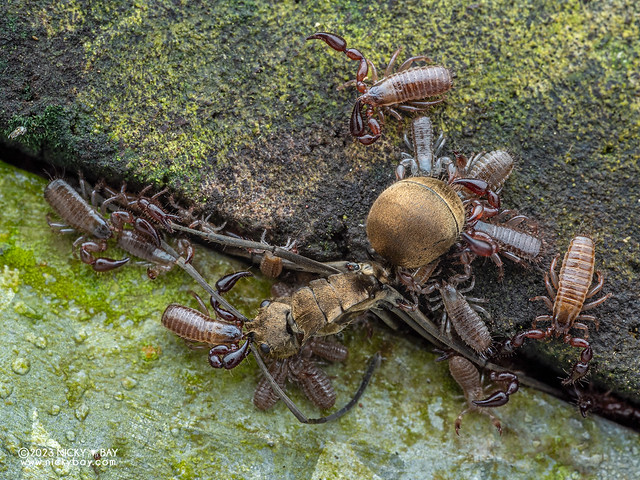
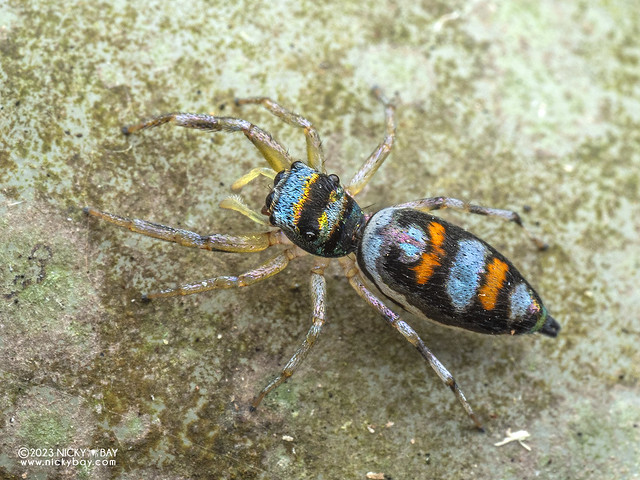
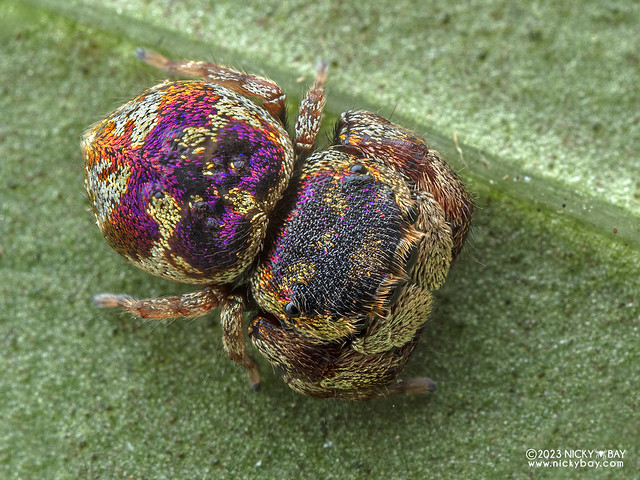
Throughout this excursion, my focus remained sharp on documenting these creatures, from the small tailless whip scorpion carrying a juvenile to the many vibrant jumping spiders, showcasing the variety that can be found in even the most unexpected locations. Each find was a testament to the often overlooked beauty and complexity of nature.
Reflecting on 2023
As the year wraps up, it’s clear that 2023 brought numerous opportunities for exploration and discovery. The travels, particularly to nearby countries, yielded a rich variety of subjects and landscapes. Each expedition wasn’t just a chance to capture stunning visuals but also a reminder of the diverse ecosystems we have yet to explore.
Looking ahead, it's uncertain how many journeys will be feasible in 2024. Financial and logistical concerns loom large, but there’s a sense of anticipation. Vietnam, with its breathtaking landscapes and unique wildlife, stands out as a potential next destination. If you share a passion for photography and exploration, this could be an excellent opportunity to capture moments that inspire and educate.
Don’t miss out on future updates! If you're interested in following along, consider subscribing to the mailing list. It's an easy way to stay connected and be the first to see new works and insights. Here’s to hoping for more adventures and captivating subjects in the coming year!