Updates on Topaz, DxO, Luminar, ON1, and Adobe: Enhance Your Photography Workflow
| Shelf | Photo Techniques |
|---|---|
| Date in | |
| Readers | 756 |
Recent software updates from Topaz, DxO, Luminar, ON1, and Adobe bring new features and enhancements, helping photographers refine their editing processes.


Topaz Labs Updates:
Topaz Labs has rolled out several significant updates across its product lineup. Notably, Photo AI 3.3 introduces features such as **Super Focus**, which enhances the sharpness of images by utilizing advanced algorithms to identify and focus on details. This feature aims to deliver images that not only catch the eye but also retain their integrity when enlarged or cropped. Additionally, the **Recover Faces Gen 2** functionality offers improved face restoration, making it ideal for portraits. Portrait photography demands precision and clarity, and this update is particularly timely as social media continues to elevate the standards for visual content. These updates focus on refining the details in photographs, which is vital for achieving high-quality results that can stand out in an oversaturated content space. But will these enhancements actually translate to measurably better images? That’s the question worth pondering.

Enhancements in Gigapixel 8

The new Gigapixel 8 introduces enhancements that seem designed to cater to both artistic and practical needs. The **Redefine Model** acts as a **Creative Upscaler**, allowing users to reimagine images for various creative projects, which can be particularly beneficial for graphic designers and artists seeking to expand their visual repertoire. Moreover, users will benefit from the **Recovery Model**, designed for recovering image quality in less-than-ideal photographs, a common concern among photographers who don't always produce perfect shots in variable conditions. The **Gen2 Face Recovery** improves upon previous iterations to deliver more lifelike results, which is critical in an age where authenticity in visual storytelling is paramount. Furthermore, the introduction of the Gigapixel Cloud Service offers a credit-based model for processing images on their servers. This may alleviate some local processing constraints, but does it complicate the user experience by imposing additional costs? You might want to consider that.
DxO’s Dynamic Offerings
DxO ViewPoint 5 Release:
DxO has also made waves with the release of ViewPoint 5. This software focuses on correcting perspective and geometrical distortions that can occur due to lens effects, which is invaluable for architectural and product photography. It provides photographers precise tools for distortion correction, thus enhancing image accuracy across various lens types. These tools can be particularly important when shooting with wide-angle lenses, which often introduce barrel distortion that can ruin composition. More and more, photographers are seeking efficiency in their workflows while also aiming for precision—this software could very well hit that sweet spot.
Skylum's Big Autumn Update

Skylum Luminar “Big Fall Upgrade”:
The latest Skylum Luminar software comes with a “Big Fall Upgrade.” This update not only promises performance improvements but also introduces new features that allow for greater control in editing. In an age where speed and efficiency in editing can significantly impact a project’s turnaround time, these enhancements can make a noticeable difference. Additionally, the beta version of Luminar Mobile is now available, offering mobile editing capabilities. This means photographers can work on-the-go, which is becoming increasingly essential for professionals who need to deliver content quickly. (And this is the part most people overlook.) The ability to maintain consistency across platforms can boost productivity, although the actual effectiveness of this transition remains dependent on user experience and performance stability.
Introducing the Luminar NEO Autumn Bundle

In conjunction with the updates, the new Luminar NEO Autumn Bundle is available. This bundle provides users with aggregated resources and presets aimed at elevating their editing experience. While new resources can be a boon for creative expression, it's essential to identify whether these presets genuinely improve workflow or simply add clutter that can be overwhelming for users.

The Anticipation for ON1 Photo RAW 2025

Upcoming ON1 Photo RAW 2025:
Another player in the editing sphere is ON1, which will officially unveil ON1 Photo RAW 2025 on October 21st. This release is highly anticipated, as it typically includes advancements in processing speeds and editing tools targeted at both novice and experienced photographers. The fine balance between performance and user-friendliness can often dictate the success of such software. Keep an eye on this update for potential surprises in features and usability enhancements, but temper your expectations; promises don't always translate into deliverables.
New Optics Modules from DxO

Lastly, DxO has launched new **Optics Modules** that support the latest cameras and lenses. These modules optimize corrections for lens aberrations, ensuring that every image taken with even the newest equipment retains clarity and precision. The fine-tuning offered by these modules can be a deciding factor for photographers who emphasize crispness and detail in each shot. However, the effectiveness of such modules largely relies on the compatibility and thoroughness of the updates. Will they keep pace with the rapid advancements in camera technology? That remains to be seen.
Adobe's Latest Enhancements

Adobe's Latest Enhancements:
Last but certainly not least, Adobe has introduced new enhancements to both Lightroom and Photoshop during the recent Adobe Max 2024 event. These updates often showcase AI-driven features designed to enhance workflow efficiency and image processing. The potential impact of these features on the editing experience is significant, particularly for those handling large batches of photographs. Think about it: adjustments that used to take several manual steps may now be completed automatically, saving precious time. But as with all AI-driven changes, the balance between user input and automation could lead to new challenges in how photographers engage with their work.
An Opportunity for Learning

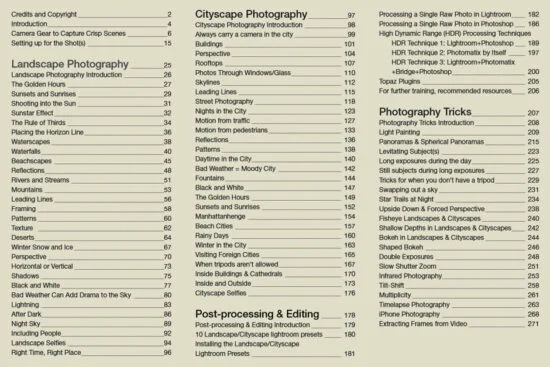
For photographers looking to enhance their skills further, there's an ongoing Autumn sale on photography tutorial eBooks. These resources can provide valuable insights into techniques and editing practices that can help elevate your craft. Whether you're just starting or looking to refine your skills, it's a good time for personal development.
These recent updates are a testament to the continuing evolution of photo editing software, designed to meet the needs of today’s photographers. By keeping abreast of these developments, enthusiasts and professionals alike can ensure they are equipped with the best tools to enhance their photographic pursuits. What this means for you is that staying current isn't just a matter of curiosity; it’s vital for maintaining relevance in an increasingly competitive space.
Future Implications
These software updates are more than just new features; they signal a shift in how photographers approach their work. As tools become more advanced, the expectations for quality and efficiency also rise. That said, the onus will also be on the photographer to adapt—both in terms of skill and concept. The continual cycle of updates can add pressure to keep training and adjusting. However, this also means new opportunities to experiment and define one’s artistic voice while maintaining technical excellence in an era that demands clarity and creativity.


