Exploring Unique Features of the Ricoh FF-9SD, Fuji Natura, Olympus XA4, Rollei AFM, and Yashica Zoomtec 90 Super
| Shelf | Cameras & Lenses |
|---|---|
| Date in | |
| Readers | 736 |
This article delves into the highlights and specifications of five distinctive compact 35mm cameras, revealing insightful experiences and performance evaluations from real-world usage.

Camera No. 20: Ricoh FF-9SD Limited Edition
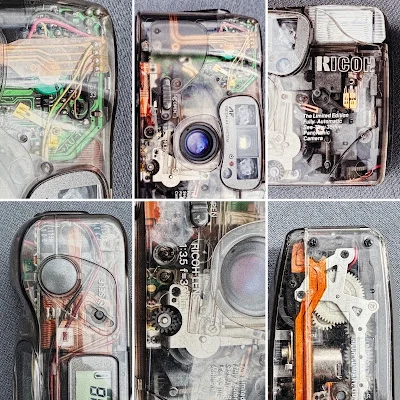


The Ricoh FF-9SD Limited Edition presents a transparent design, allowing a glimpse into its inner workings. This model builds on the reputation of the original FF-9, which garnered a respectable score of 43 in previous reviews, thanks to its versatility and impressive image quality.
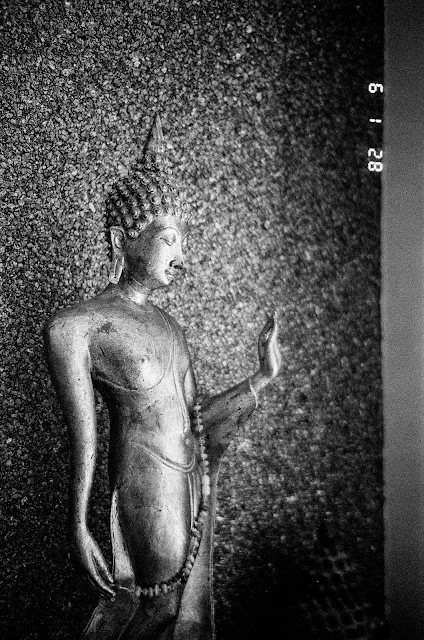
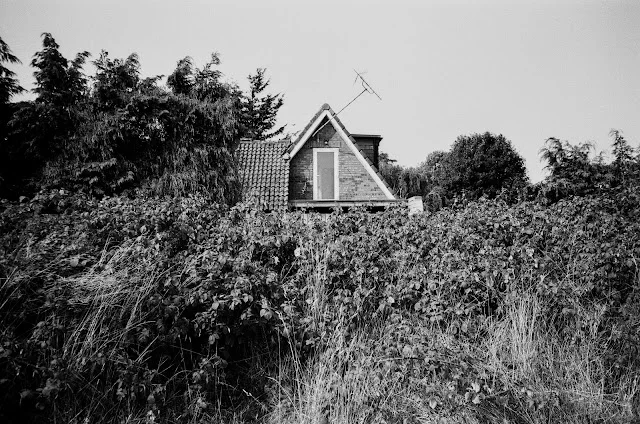
While the standard Ricoh FF-9 allows for multiple exposures—a feature I particularly cherish—my limited edition version presented some focus issues while shooting with Ilford HP5 film, as evidenced by some misfocused shots from my roll in Cardiff in July 2024. Adding to the quirkiness, I accidentally left the date stamp on, which amusingly displayed 1982.

For anyone prioritizing functionality over aesthetics, the standard FF-9 offers better value. However, the allure of the limited edition lies in its visual artistry, making it a fascinating piece for collectors.

Overall, the scoring for this camera stands at: Q = 7, L = 8, D = 7, P = 6, H = 7, F = 6, resulting in a total score of 41.

Camera No. 21: Fuji Natura Black
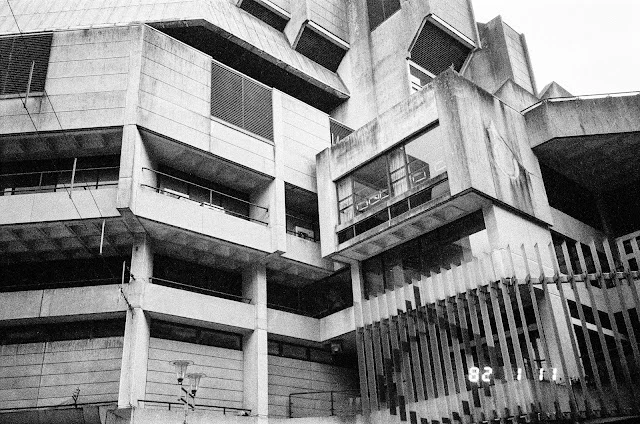
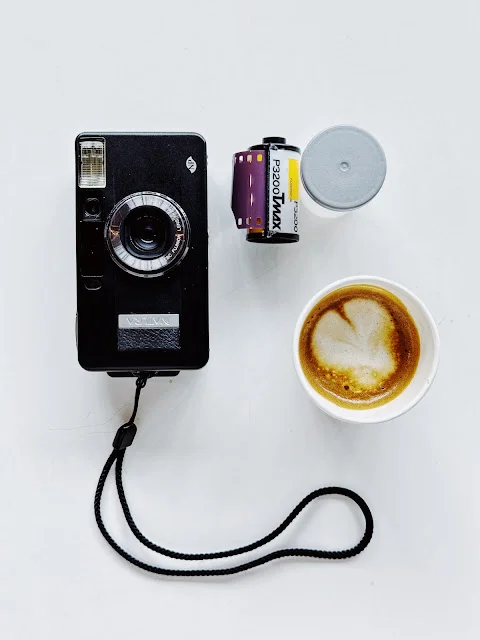

The Fuji Natura Black is a rare find that caught my attention immediately. It features a remarkable 24mm f/1.9 Fujinon lens, one of the fastest and widest available in compact models. This lens makes it ideal for daytime photography, offering vivid and bright images.
However, its design accommodates Fuji Natura 1600 ISO film, which is unfortunately no longer in production. The NP mode designed for low light only activates with this high ISO film, restricting its usability. Nevertheless, it remains a strong performer in daylight due to its compact size and wide angle capabilities.
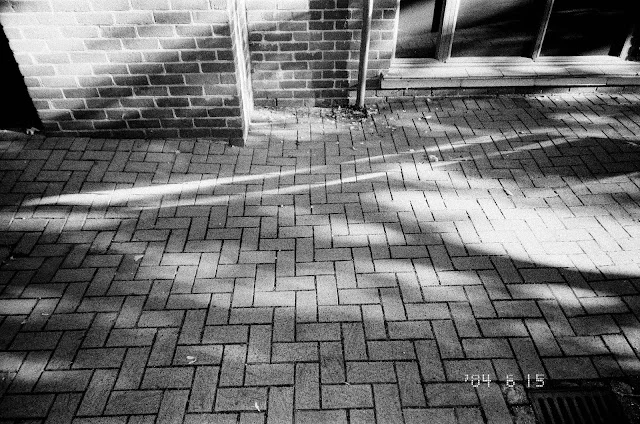
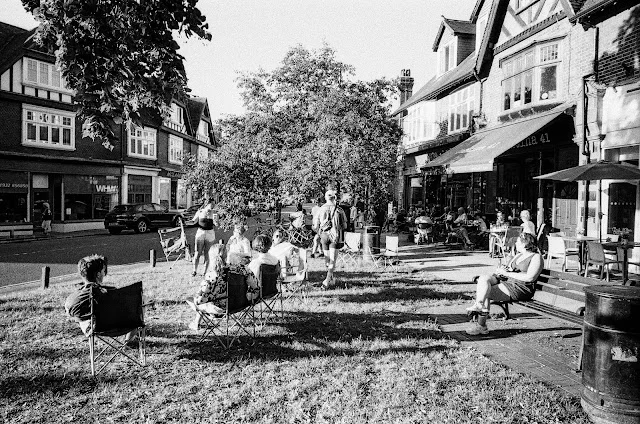
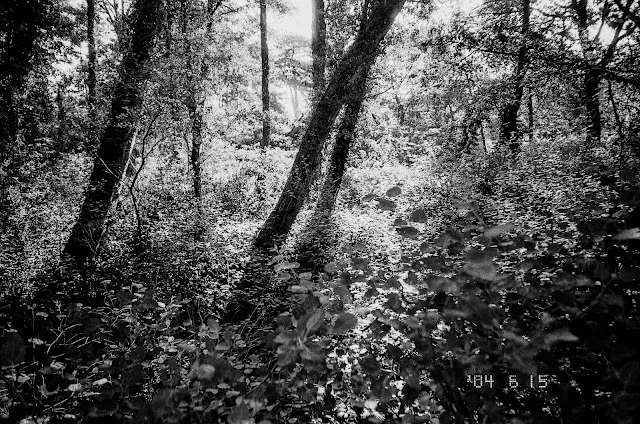
Japanese language menus pose a minor challenge, but once familiarized, the camera is a joy to operate. Despite its infrequent production, I found great success using expired Kodak TMax 3200 film to test the low light functionality, yielding satisfactory results. This camera's charm lies in its rarity and uniqueness, although they usually command a premium price. The scores tally as follows: Q = 8, L = 8, D = 7, P = 6, H = 6, F = 8, reaching a total of 43.
Camera No. 22: Olympus XA4
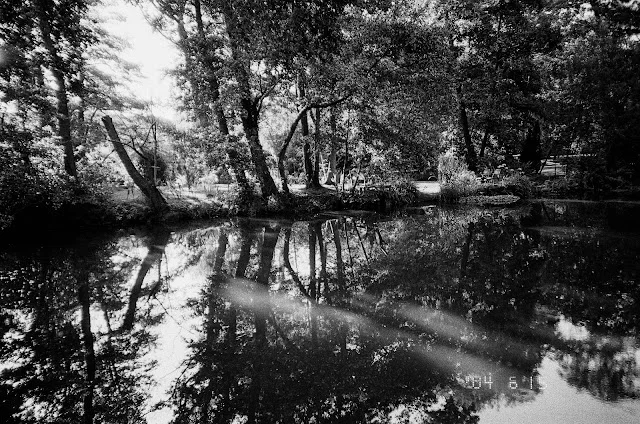
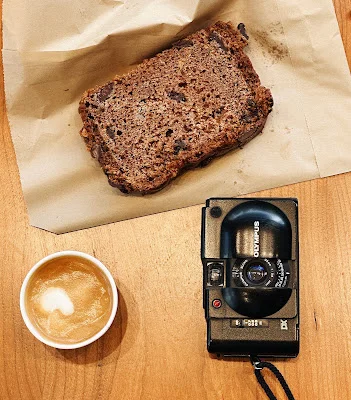
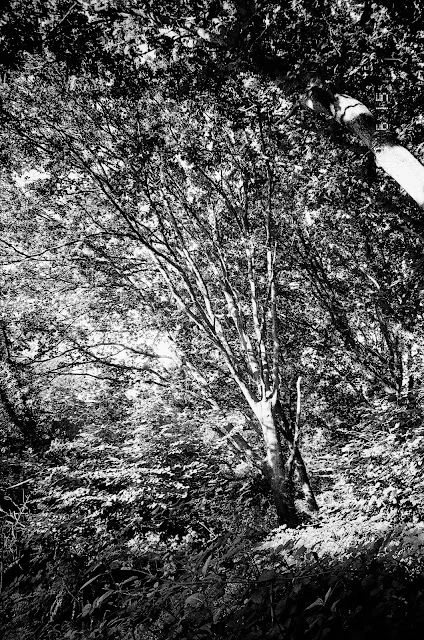
Lauded as possibly the best in the XA series, the Olympus XA4 boasts a compact body, a 28mm lens, and notable macro capabilities—making it a standout choice for photography enthusiasts. The XA series introduced a new compact design paradigm, favoring sharp lenses within portable cases.
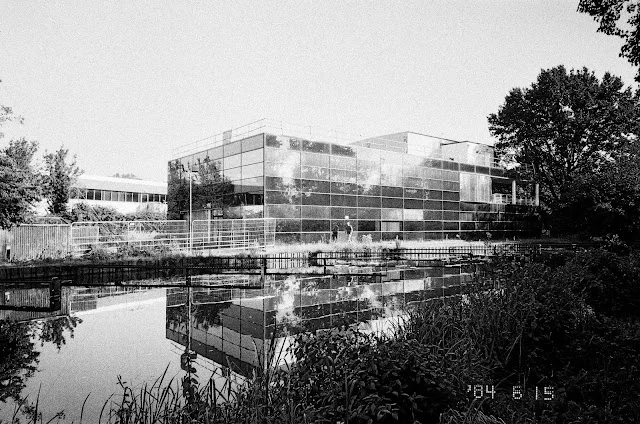
The XA4's macro feature offers focus down to 12 inches using the camera strap as a reference, an ingenious element for those interested in close-up photography. While it may not be as essential today given advancements in smartphone cameras, having a wide-angle option proves beneficial.

Photographs taken with Kodak Gold 200 film yield sharp, colorful images, consistent with the XA series reputation. The camera's scoring includes: Q = 8, L = 8, D = 7, P = 6, H = 7, F = 6, for a total of 42.

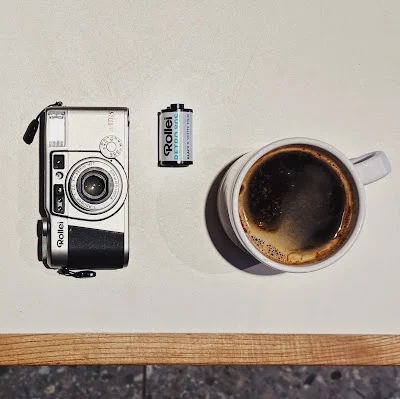
Camera No. 23: Rollei AFM

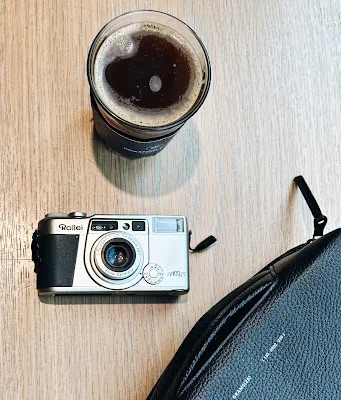
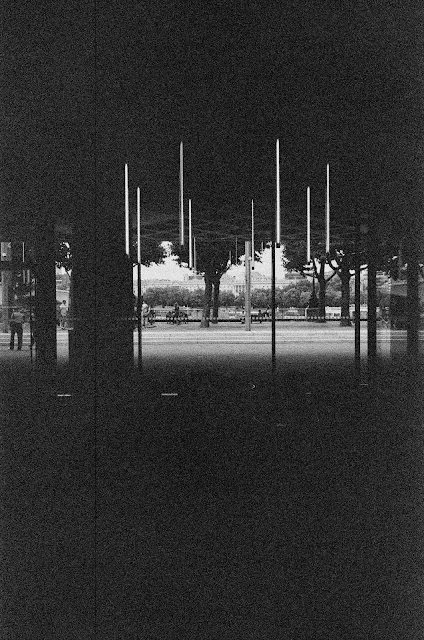
The Rollei AFM captures the essence of late-era premium compacts, combining German engineering with Japanese technology, akin to models like the Contax T series. Known as the Fuji Klasse in Japan, it features a sharp 38mm f/2.6 S-Apogon lens, perfectly suited for street photography.
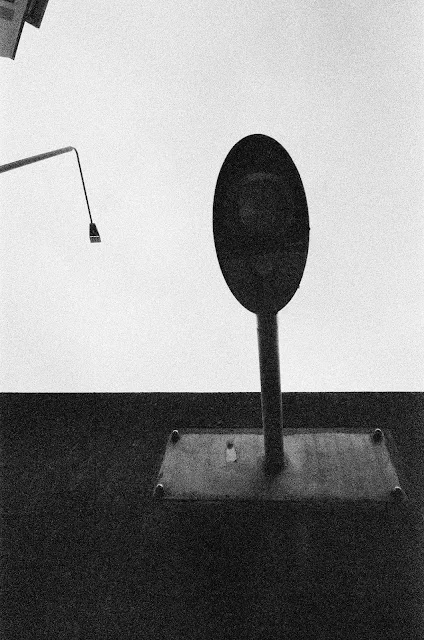
This fully automatic camera offers manual modes for users who seek more control over settings. It excels in user-friendliness with an intuitive dial for easy adjustments. I shot with Kodak Gold 200 as well as Rollei black and white film, both returning impressive results. Though slightly less rugged than the Contax T2, it remains a well-engineered option available typically at a lower price point; scoring comes in at Q = 9, L = 8, D = 7, P = 5, H = 8, F = 8, totaling 45.

Camera No. 24: Yashica Zoomtec 90 Super
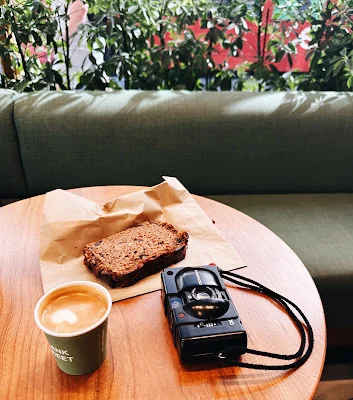


The Yashica Zoomtec 90 Super is another versatile compact, offering a zoom range of 38mm to 90mm—ideal for casual, everyday photography. While it provides the flexibility of a zoom, it sacrifices maximum aperture, particularly at the longer end, where it reaches a modest f/7.8.

Though best suited for sunny conditions, the built-in flash compensates for low light attempts. This lightweight and user-friendly camera is favored for its sharp optics and affordability, often available for about £25, making it a great entry-level option for newcomers.

Scores for this camera rank at Q = 7, L = 6, D = 7, P = 8, H = 7, F = 6, yielding a total score of 41.

This completes Part 4 of my Compact Point & Shoot 35mm Film Camera Project. With 24 cameras reviewed, stay tuned as we dive into the final five cameras coming soon: Nikon L35 AF2, Canon Sure Shot 29, Rollei 35 SE, Lomo Wide 28, and Minolta Freedom Escort. Additionally, I will provide a final scoreboard encapsulating all scores. To see all images from this project, check out my Flickr album.

- Nick