Exploring the Vibrant Memories of Cambodia: A Return to the Orphanage
| Shelf | Photo Techniques |
|---|---|
| Date in | |
| Readers | 377 |
In Chapter 5 of "Cambodia - Darkness & Light," the photographer revisits an orphanage, capturing poignant moments through evocative imagery and heartfelt reflections.

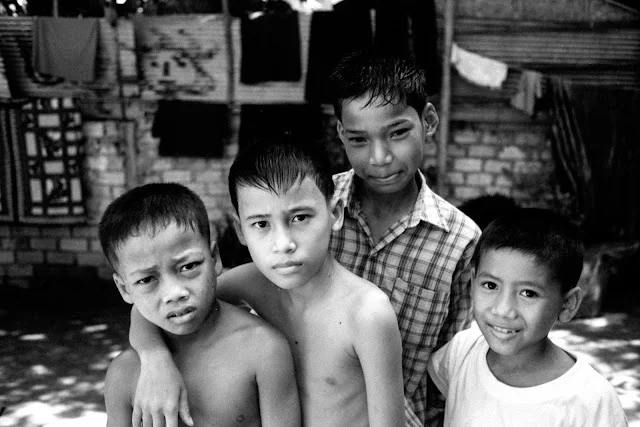
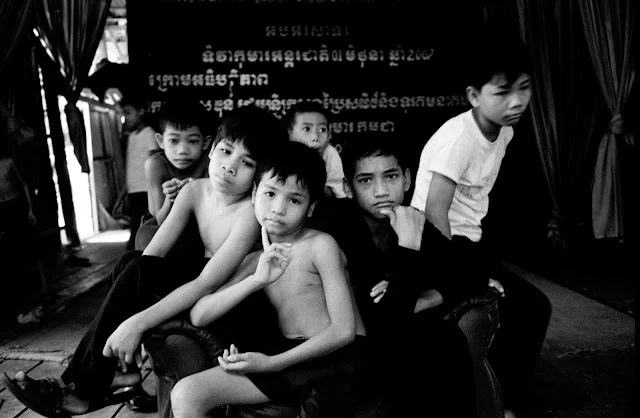
In the concluding chapter of his photography book, Cambodia - Darkness & Light, photographer Nick DeMarco invites viewers to experience the profound narratives behind the images he captured during his visits to an orphanage in Cambodia. His journey back to this location in 2007, after an initial encounter in 2006, offers a poignant glimpse into the lives and resilience of the children living there.
Returning to Capture Life
The chapter, titled "Back to the Orphanage," is born from DeMarco's fascination with the vibrancy of life he observed during his first visit. This second trip allowed him to delve deeper into the stories of the children he encountered, creating connections that extended beyond the camera lens. The decision to return underscores the importance of cultivating relationships in photography—especially when documenting marginalized communities.
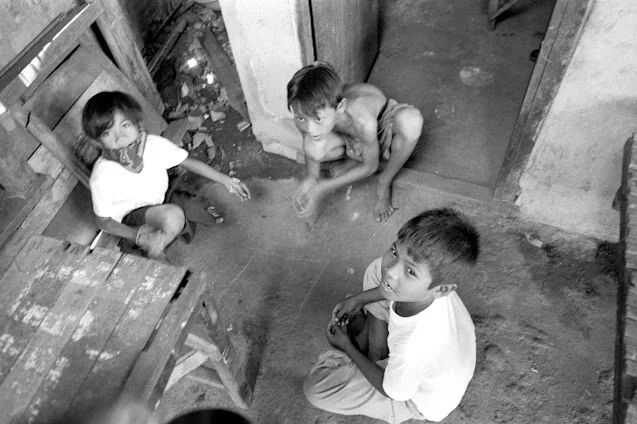
For photographers, returning to a subject can provide richer context and more nuanced storytelling. DeMarco's engagement with the children during both trips reflects the significance of continuity in the creative process. He emphasizes how the act of revisiting allows for growth, both personally and artistically.
Documentary Techniques in Practice
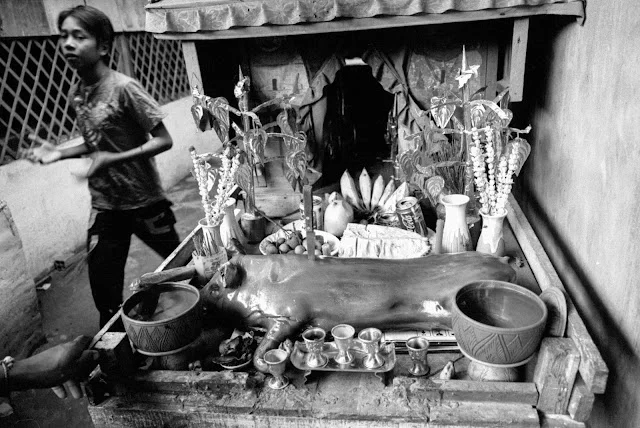
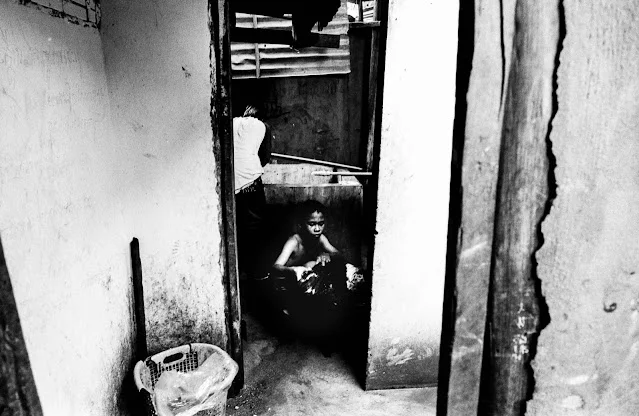
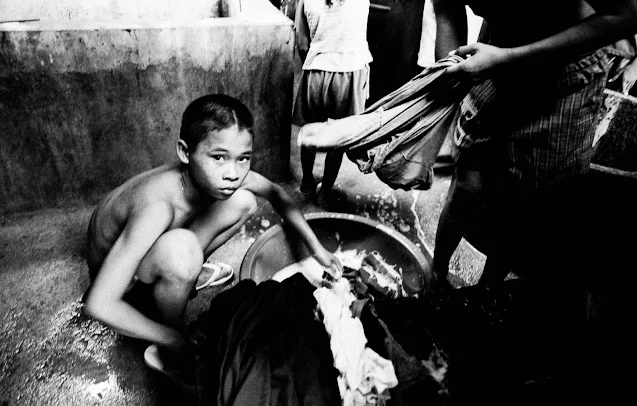
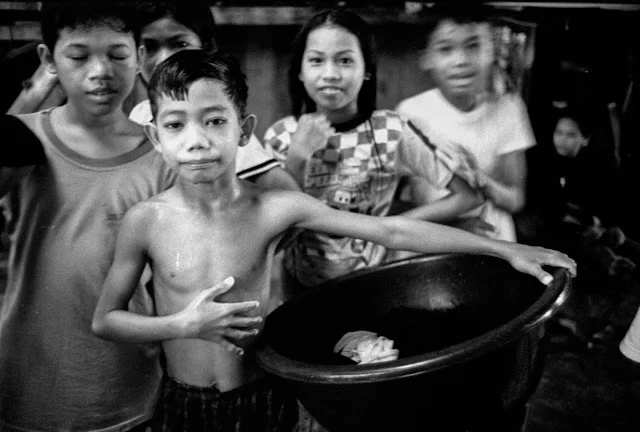
The photographs in this chapter integrate documentary practices that resonate on multiple levels. DeMarco employs techniques such as natural lighting, candid compositions, and intimate framing, allowing the viewer to feel a palpable presence of the subjects. His ability to capture genuine expressions and interactions speaks volumes about the necessary trust and respect between the photographer and the subjects.
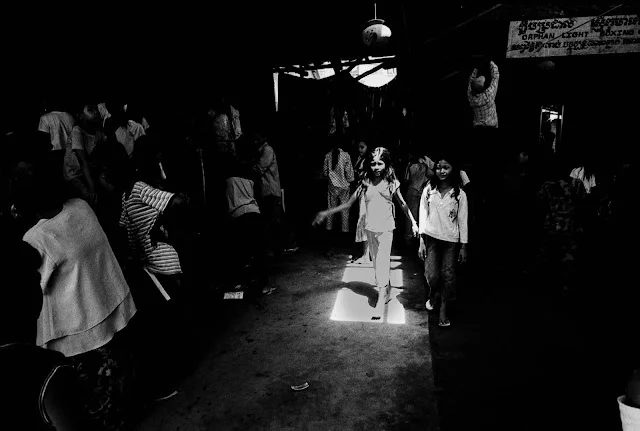
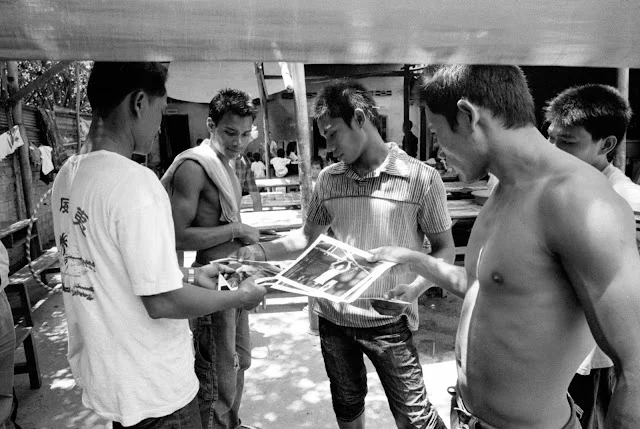
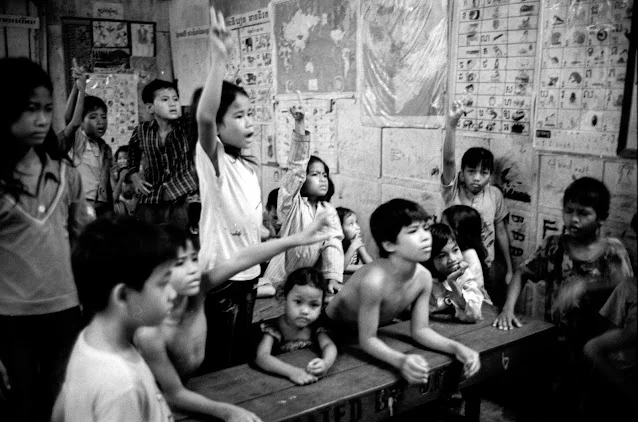
In the first image from the latest series, children observe prints he brought from his past visit. Their reactions range from surprise to joy, highlighting how photography can transcend time and create shared experiences, giving the children their first tangible memories beyond the orphanage walls.
Cultural Context and Challenges
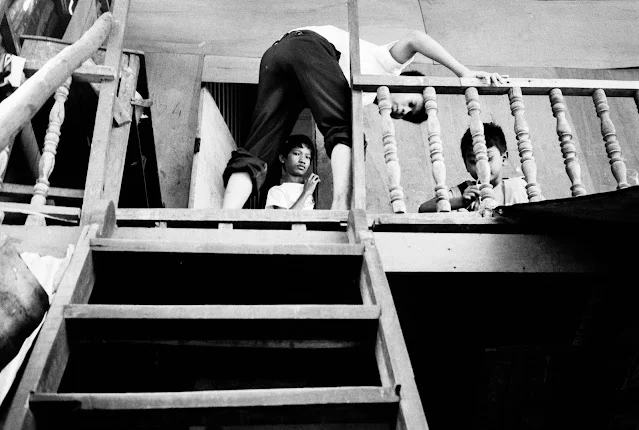
DeMarco's narrative also grapples with the complexities surrounding orphanages in Cambodia. While the scenes exude joy and laughter, underlying tensions exist. He introduces discussions about systemic issues, including allegations of corruption and unethical practices. Such complexities remind viewers to approach documentary photography with a critical eye, understanding that the surface often hides deeper, more challenging realities.
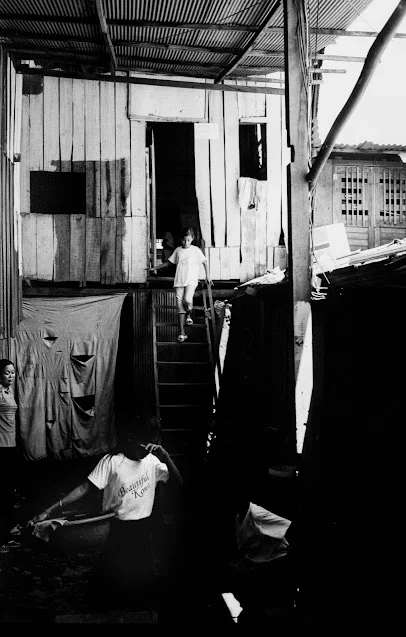
This deeper context is crucial for any photographer engaging in social documentary work. Understanding the socio-economic environment, the history behind the orphanage, and the lives of the children allows for more informed and responsible storytelling. The realities of these children’s lives go beyond mere snapshot aesthetics; they embody rich histories and untold struggles.
Connecting Through Words and Images
DeMarco's work is not just about the photographs; it's also about the narratives he weaves through accompanying text. He writes, "Surprised, they went through the prints I brought, unlike the photos they had before: Mugshots to send to potential foster parents." This powerful contrast exposes the grim reality of how children are often presented in adoption processes versus the authenticity captured in personal and intimate portraits.
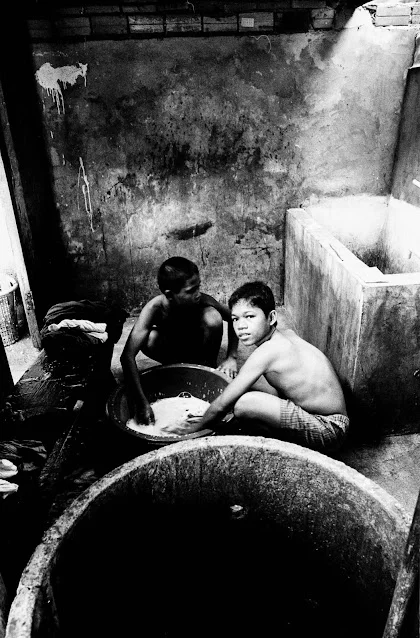
The written words he includes not only contextualize the images but create a dialog between the viewer and the subjects, urging critical thought about the systems at play in orphanage settings. By bridging the gap between image and narrative, he cultivates empathy and understanding, inviting a deeper engagement with the viewers.
Visibility and Publication
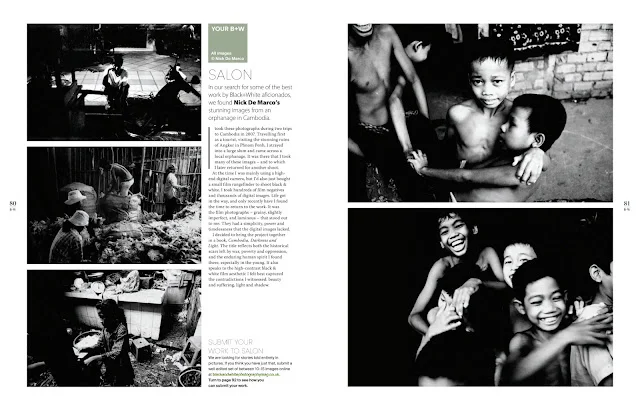
DeMarco's work has recently gained recognition, being featured in the prestigious Black and White Photography magazine, signaling a significant acknowledgment of his artistic vision and the importance of his subject matter. Such platforms provide essential visibility to the issues faced by marginalized communities, amplifying their stories to a broader audience.
For photographers interested in similar themes, this kind of publication milestone reinforces the value of persevering with projects that matter. The journey from personal projects to widely recognized publications showcases the possible pathways for artists passionate about social issues. It serves as a reminder that each photograph has the potential to influence discourse and instigate change, no matter how small.
Conclusion: A Call to Action
DeMarco concludes by inviting his audience to explore the full collection of images from his journey through a dedicated Flickr album, emphasizing the significance of engaging with this powerful visual narrative. As he says, "Thank you for looking"—a simple yet profound acknowledgment of the viewer's role in witnessing and sharing these stories.
This chapter, like many in Cambodia - Darkness & Light, reminds us of the profound impact photography can have in conveying truth and fostering connections across distances. By capturing and sharing authentic experiences, photographers can illuminate the lives of those whose stories often go untold, creating space for empathy, understanding, and ultimately, action.
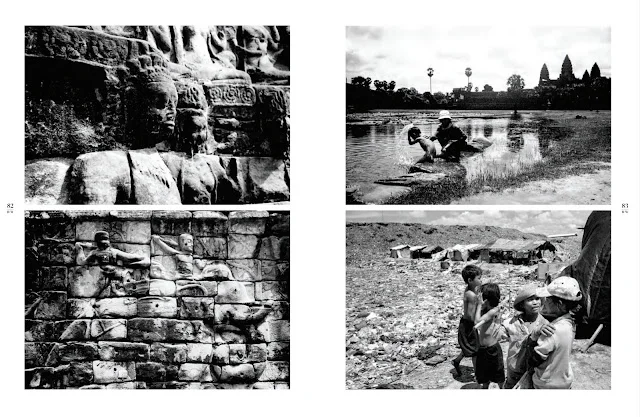
To see these extraordinary images and for further engagement, check out the collection here.