Exploring the Fuji GFX 50S II: A Medium Format Adventure in Italy
| Shelf | Cameras & Lenses |
|---|---|
| Date in | |
| Readers | 1,000 |
Join a photographer as they experience the Fuji GFX 50S II during Easter in Italy, comparing its capabilities with classic medium format film.

In February 2024, I welcomed the Fuji GFX 50S II into my photography gear—a significant step as it marked my first venture into medium format digital photography.
Prior to this, I had embarked on a medium format film project starting in December 2023, experimenting with various older film cameras, including a collection of approximately 15 Twin Lens Reflex (TLR) cameras. This film endeavor reignited my passion for the nuances of medium format photography.
While the TLRs were intentionally excluded from my latest explorations, I revisited other medium format cameras in my collection that had been sitting idle for too long. The process involved not only a rediscovery of these tools but also a deep dive into their specific characteristics and operations. These explorations can be viewed through my ongoing project updates here:
Months in Medium Format - Part 1
Months in Medium Format - Part 2
Months in Medium Format - Part 3
As I continued to sharpen my skills with medium format film, a question lingered: could a digital counterpart replicate the qualities I cherished in film photography? This curiosity shallowed into a fond remembrance of the tangible experiences that only film could provide.
One major draw of medium format is undoubtedly its capacity for higher resolution, especially notable when comparing the various film formats I've utilized, including 6x4.5, 6x6, 6x7, and 6x9. Each offers significant advantages over traditional 35mm, providing a richness of detail and tonal range that can elevate any composition. More importantly, the wider dynamic range fosters a different bokeh, creating an aesthetic separation in the image that’s not achievable with smaller formats.
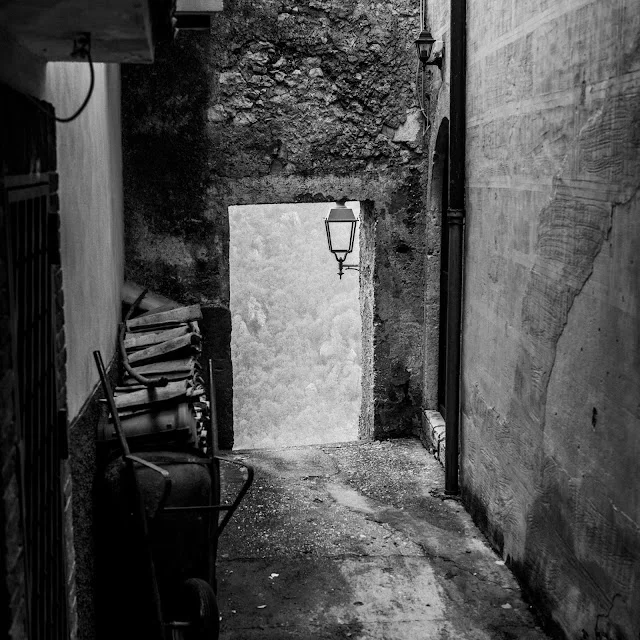
Another intriguing aspect of using larger formats lies in the meditative quality it imposes. Film photography tends to slow the experience, promoting careful frame composition and an almost deliberate approach to each shot. Throughout my medium format experiments, I noted a reflective placidity in the photographs produced, an essence that I found captivating.
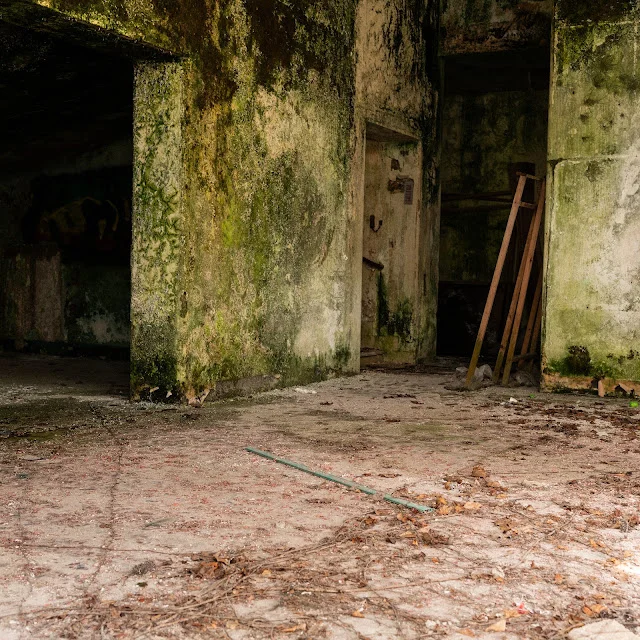
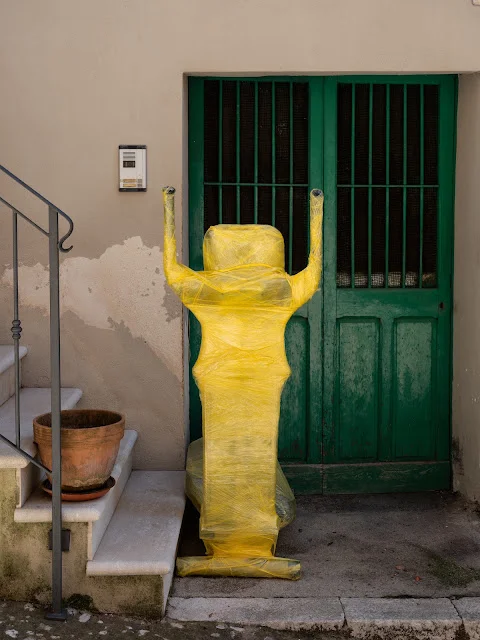
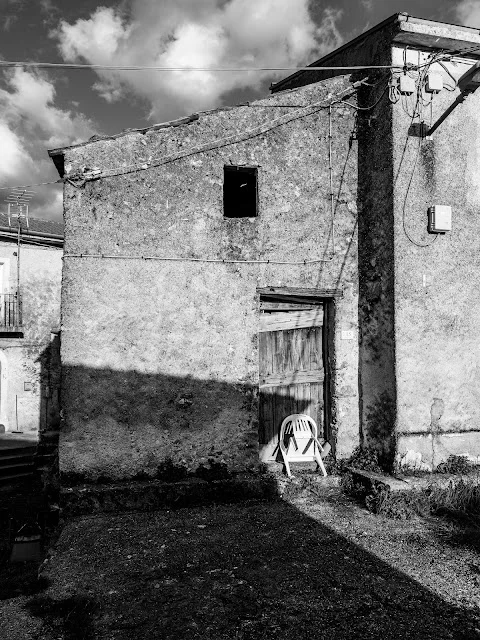
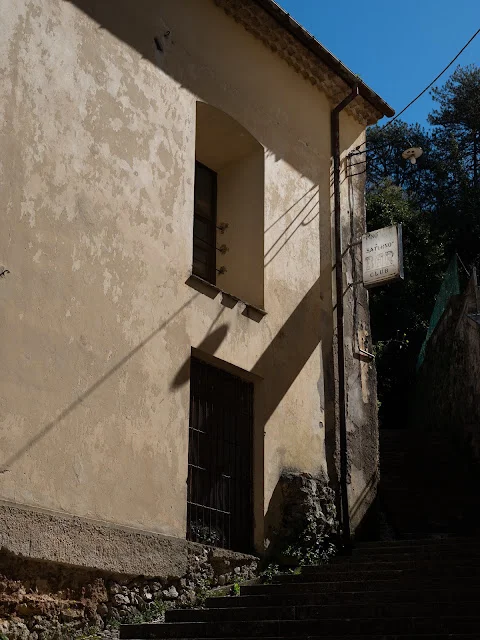
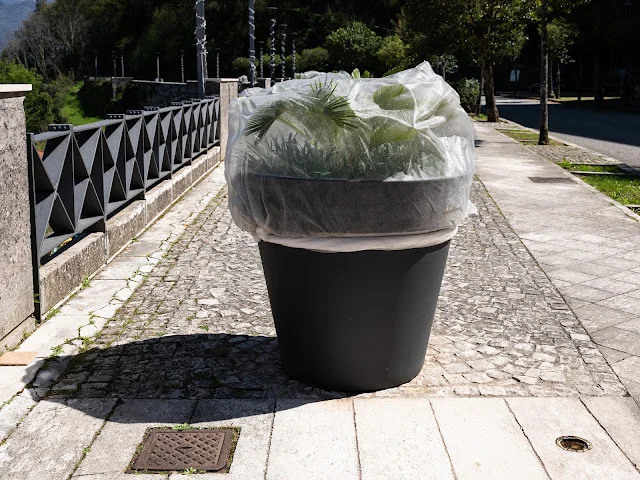
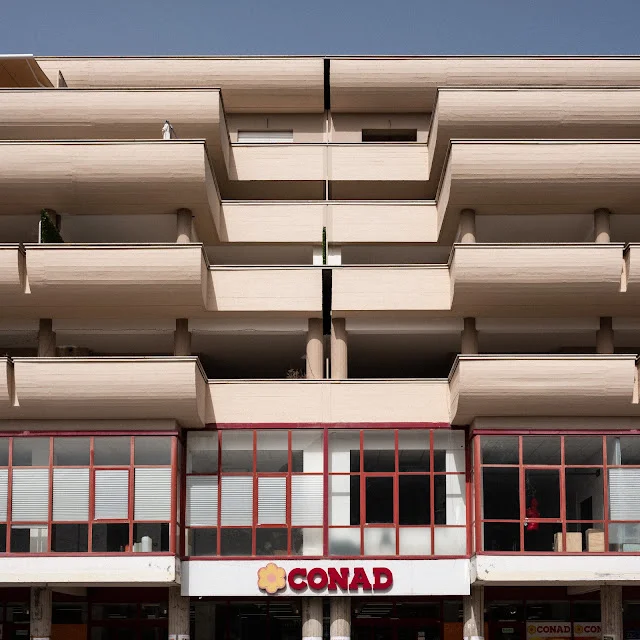
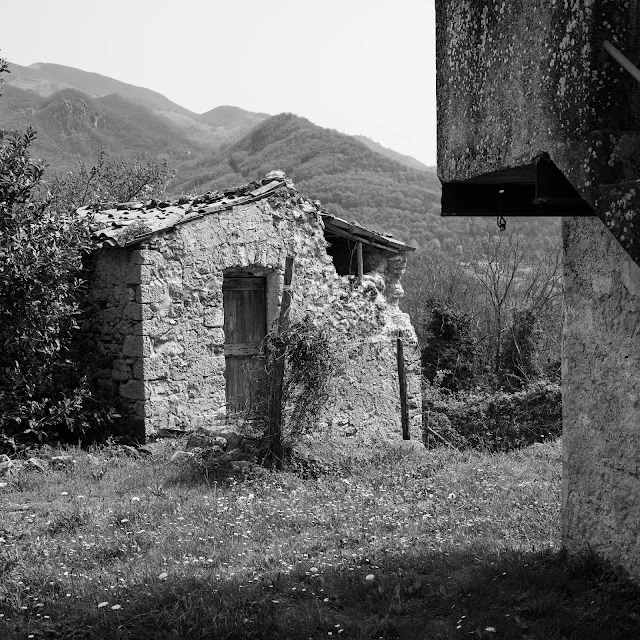
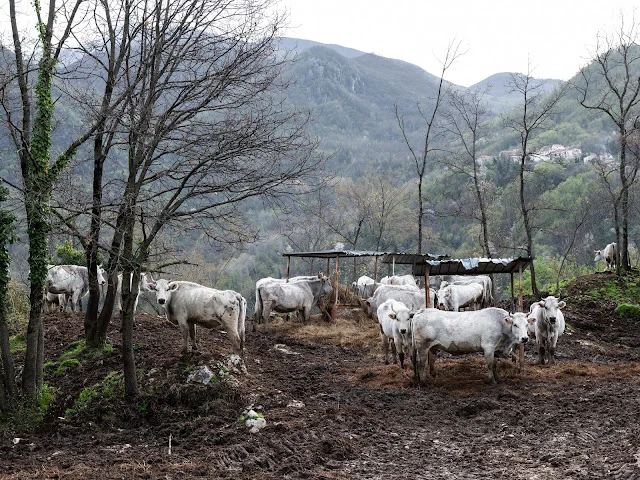
During my Easter trip to Italy in 2024, I was eager to conduct a practical comparison between the digital capabilities of the GFX 50S II and my beloved Hasselblad 500CM. Unfortunately, my Hasselblad experienced a shutter fault that rendered it unusable for the trip, leaving me with the GFX as my sole camera.

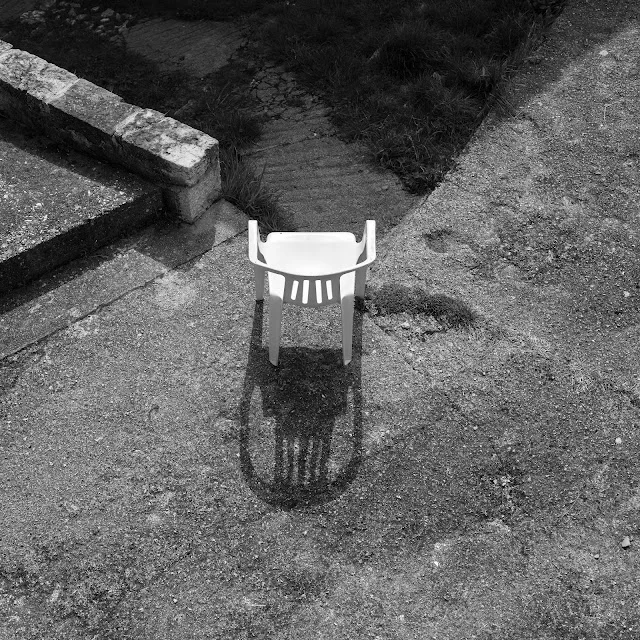
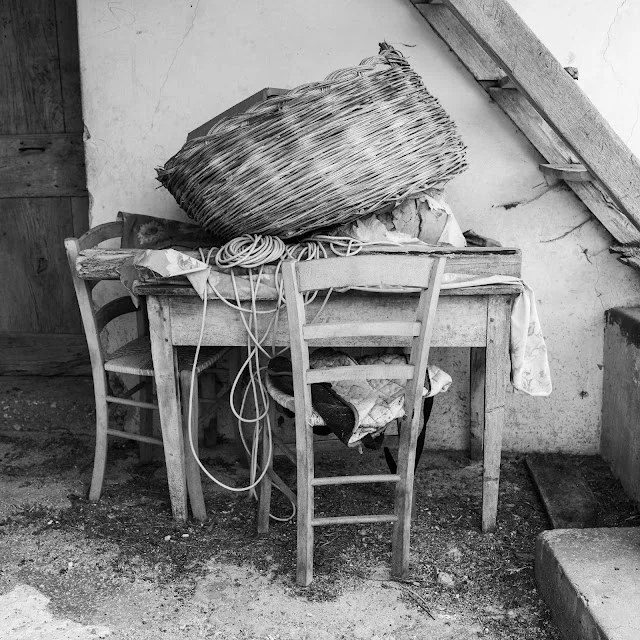
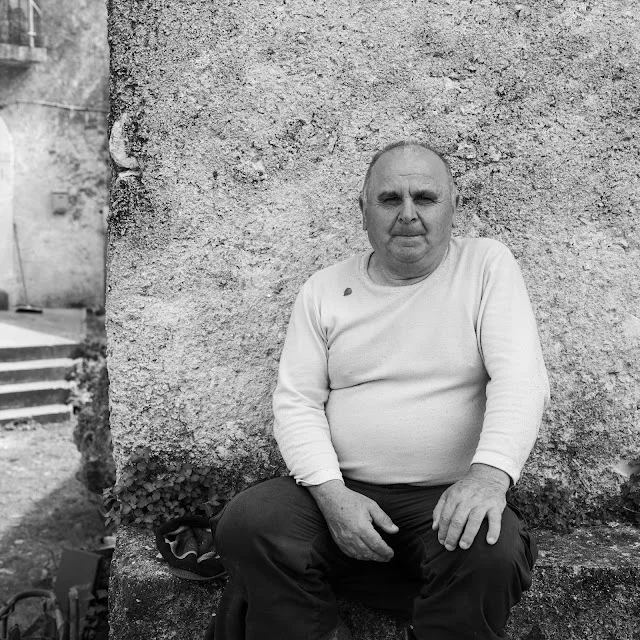
Right from the outset, I configured the GFX to shoot in square format, closely mimicking the outcomes I would have achieved with the Hasselblad. Photographs from this trip predominantly exhibit this square composition, as it allowed for a familiar framing style.
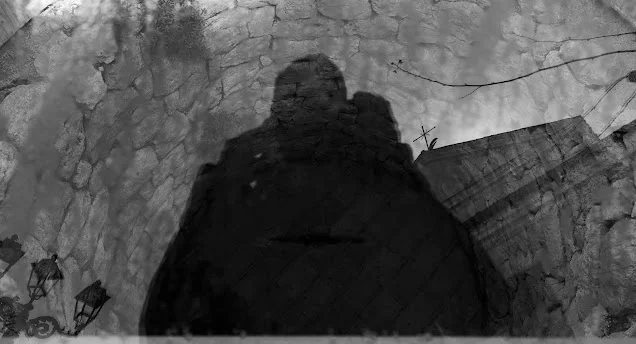
My approach during this adventure leaned more towards replicating the filmic qualities inherent in medium format. To adhere closely to this aim, I primarily utilized the 50mm f/3.5 lens—small, compact, and akin to standard lenses used in many medium format cameras. However, as the trip progressed and my initial intent was hindered by the Hasselblad's absence, I also employed the GFX's kit zoom lens (35-70mm) for added versatility.
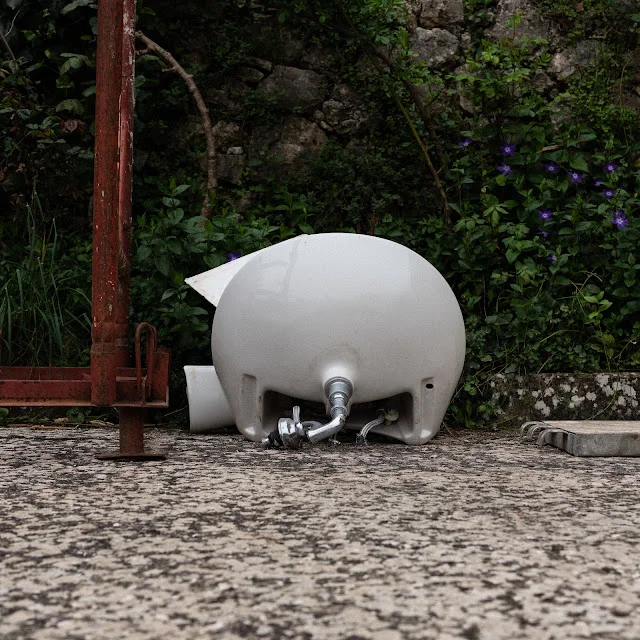
Overall, I strived to engage with the GFX as I would with a traditional medium format camera, demonstrating an intention toward careful composition and image quality. The resulting images reflect this shift in methodology. It remains open for discussion whether these captures convey a more authentic medium format aesthetic.
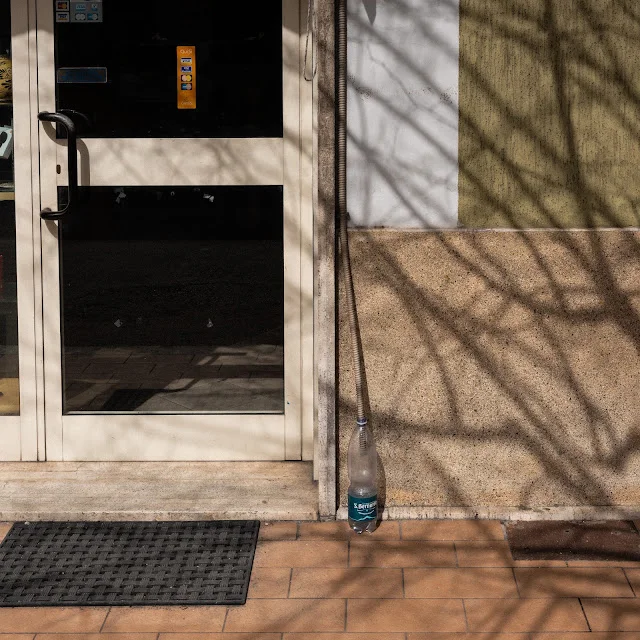
Despite the outstanding specifications of the GFX, I've found that it doesn’t evoke the same emotional satisfaction that my medium format film cameras provide. There's an element of joy in using film that surpasses even the most sophisticated digital setups. While the GFX excels in its operational efficiency and practicality, achieving excellent image clarity and resolution, it can feel almost *too* perfect at times.
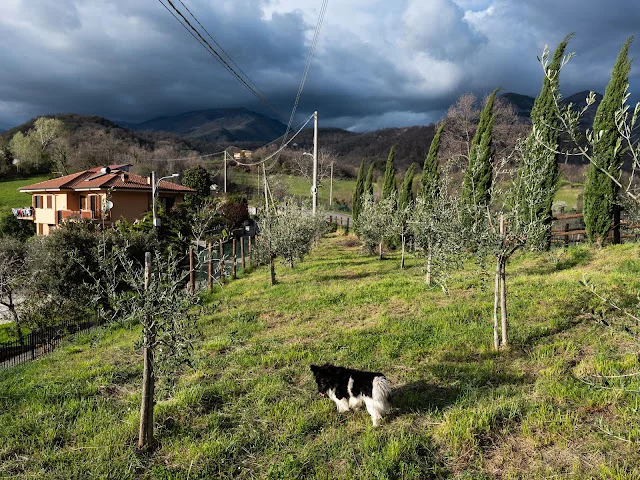
The experience of using a digital camera like the GFX parallels that of utilizing a high-end DSLR or a quality mirrorless camera; they are easier to handle, faster, and quieter than their film counterparts. The GFX represents significant advancements in medium format technology, offering an attractive price point and a broad spectrum of practical applications in product photography, fashion, and landscapes.
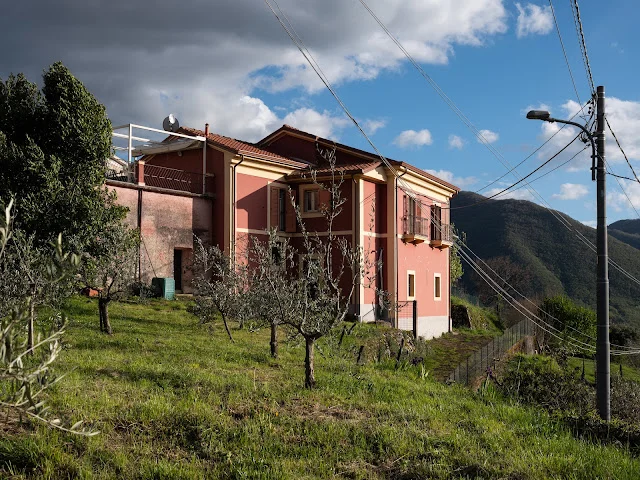
For users motivated by financial considerations, the operational savings derived from using a digital medium format camera are enticing, especially when contrasted with the cost of film and processing.

In my exploration of the GFX, I’ve also captured a broader gallery of images, showcasing the camera's capabilities across diverse settings in the UK and Malta, which can be further explored here:
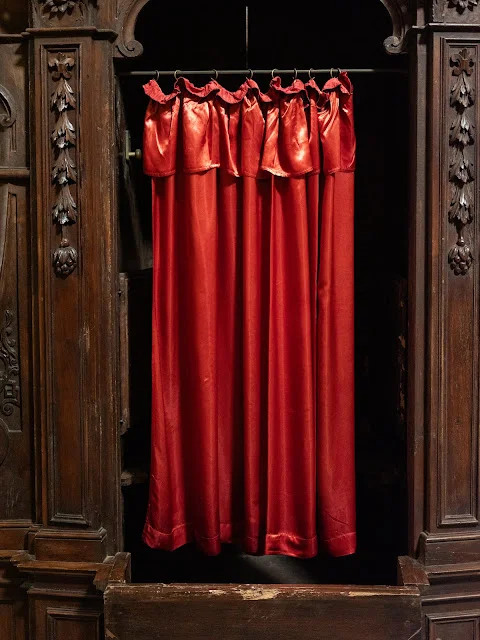
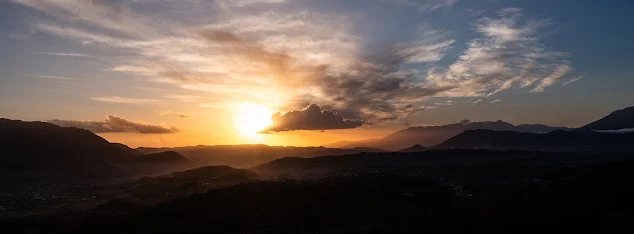
Ultimately, while the GFX is an impressive tool in modern photography, it lacks the intrinsic feel of medium format film—perhaps too much convenience can detract from the experience. The tactile journey that starts with film—making decisions about exposure and color while squeezing the shutter—brings unparalleled satisfaction. Yet, it’s this balance between technology and experience that continues to move the photography community forward.
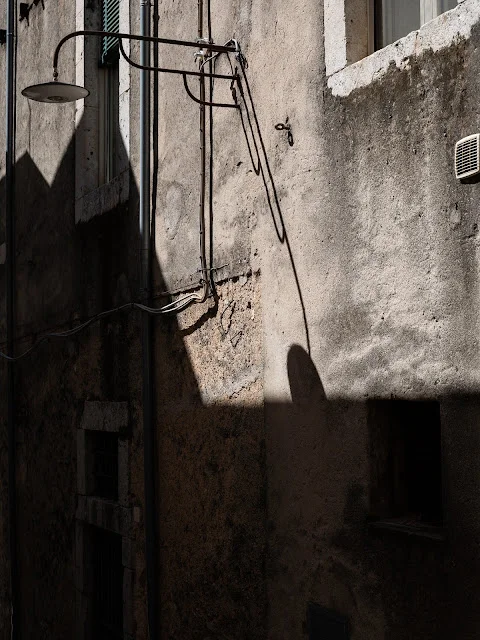
Thanks for engaging with my work throughout this adventure in Italy.