Exploring the Icons of Medium Format: Hasselblad 500 c/m, Mamiya RZ 67 Pro II, and Rolleiflex 2.8F
| Shelf | Cameras & Lenses |
|---|---|
| Date in | |
| Readers | 664 |
In the final part of the 'Months in Medium Format' project, we delve into the features and performance of the Hasselblad 500 c/m, Mamiya RZ 67 Pro II, and Rolleiflex 2.8F, revealing the author’s top picks in medium format photography.

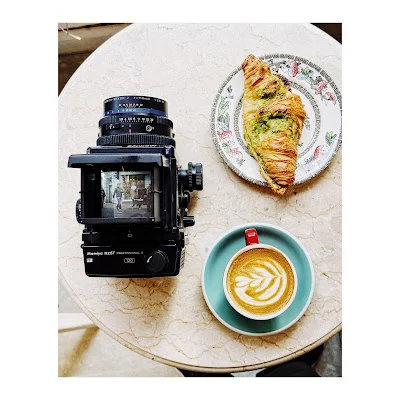
This final installment of the 'Months in Medium Format' project wraps up an extensive exploration of diverse cameras, focusing on the Hasselblad 500 c/m, Mamiya RZ 67 Pro II, and Rolleiflex 2.8F. Each of these cameras presents unique attributes and capabilities that cater to both aesthetic and practical concerns in medium format photography.
1. Hasselblad 500 c/m
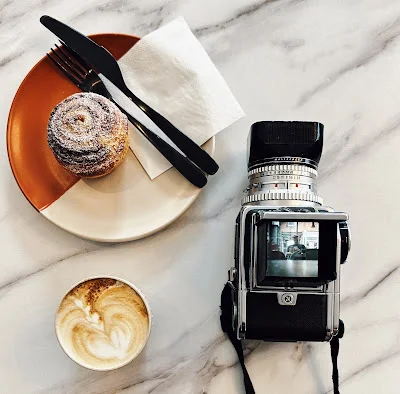
The Hasselblad 500 c/m is a quintessential medium format camera that has stood the test of time. Introduced in 1970, it's been a staple among photographers for its reliability and craftsmanship. The author has owned this camera for approximately 15 years and values it for several compelling reasons:
- Fully Mechanical Design: This camera is renowned for its mechanical simplicity and durability. It's built to withstand the rigors of travel and can even endure neglect, having survived a year unused in Italy before needing minor repairs.
- Modularity: The 500 c/m offers a modular system, allowing photographers to interchange lenses, backs, and viewfinders. This feature is particularly useful for film switching mid-shoot.
- User-Friendly Interface: The camera's straightforward functionality enables photographers to focus on composition rather than dealing with complex settings.
- Exceptional Lenses: The Zeiss lenses associated with the Hasselblad produce superb quality images and can often be acquired at reasonable prices on the second-hand market.
While it is not the lightest option on the market, it strikes a balance between portability and robustness. When compared with the Rolleiflex 2.8F, the Hasselblad is heavier but offers versatility across a range of optics. Despite this, for street photography where discretion is required, the Rollei’s quieter operation and compactness may be advantageous.
2. Mamiya RZ 67 Pro II
The Mamiya RZ 67 Pro II is a substantial camera that commands respect in the realm of portrait and fine art photography. Known for its weight and sturdiness, this camera also encompasses modular capabilities, allowing for interchangeable lenses and film backs:

- Versatile Image Format: Operating in a 6x7 format, the RZ 67 delivers larger negatives than the 500 c/m or the Rolleiflex, which translates to higher resolution images.
- Revolving Back System: One of the standout features is its ability to switch between portrait and landscape orientation without repositioning the camera, enhancing shooting efficiency.
- Stellar Sharpness: The RZ is equipped with some of the sharpest lenses available in medium format, making it an ideal choice for serious photographers who prioritize image quality.
However, the weight of the Mamiya RZ can be cumbersome, particularly for those on extended shoots. Despite being a professional-grade camera, it may not align with every photographer's workflow, especially when mobility and lightweight gear are priorities.
3. Rolleiflex 2.8F
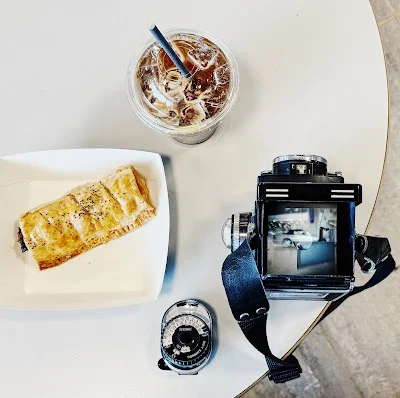
The Rolleiflex 2.8F offers a classic twin lens reflex (TLR) experience that genuinely captivates its users. Having been part of the author’s collection for over a decade, this camera has carved its niche as a preferred choice for shooting:
- Lightweight Construction: Out of the three reviewed, the Rollei is significantly lighter and more compact, allowing it to fit seamlessly into smaller bags.
- Quiet Operation: Its shutter mechanism operates with much less noise compared to the other two cameras, making it ideal for situations requiring discretion.
- Superior Lens Quality: The Planar lens of the 2.8F produces stunning imagery, making it versatile for both color and black-and-white photography.
This camera stands tall among TLRs, partially due to its design and build quality. The author appreciates its mechanical engineering, stating that it has never required any repair during their ownership.
Final Thoughts: The Best in Medium Format
Choosing the best medium format camera ultimately depends on individual preferences. In the author’s case, the top four contenders among the fifteen reviewed include the:
- Fuji GA645
- Pentax 67
- Hasselblad 500 c/m
- Rollei 2.8F
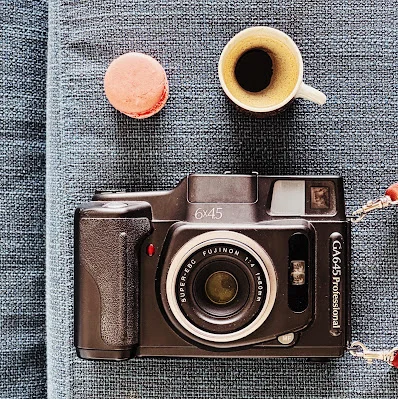
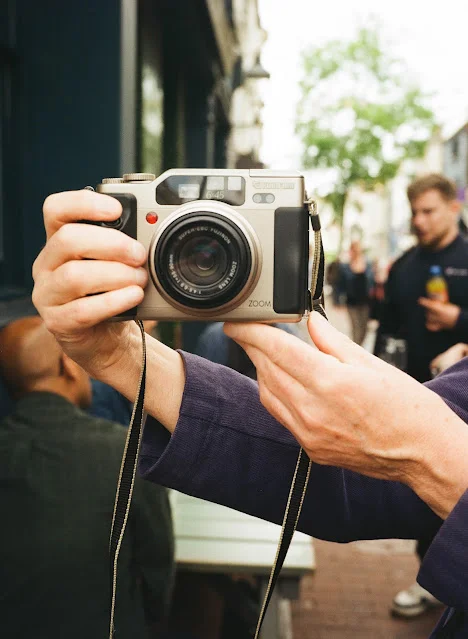
The Fuji GA645 is cited as the preferred camera due to its compact form and ease of use. The author feels confident that despite being smaller than other medium-format options, it consistently delivers sharp results and is an excellent choice for street photography. In comparison, while the Hasselblad and Rollei present classics in photography, their weight and operational modes may feature more prominently depending on the intended use.

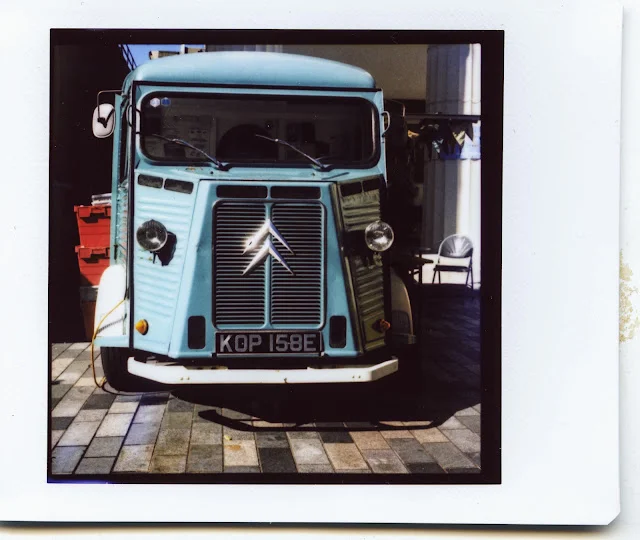
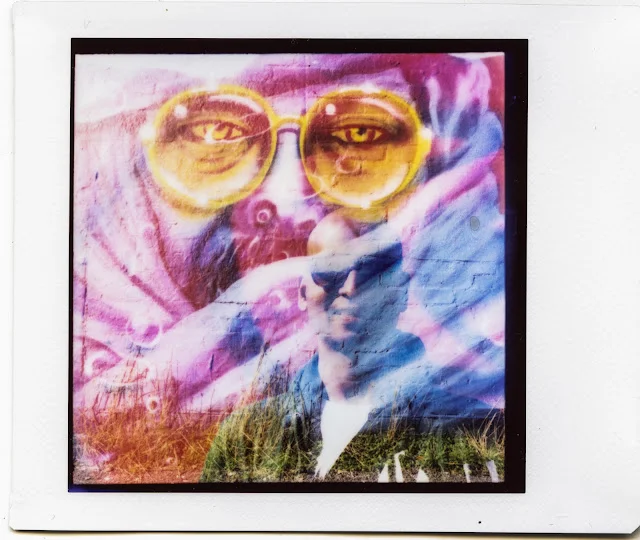
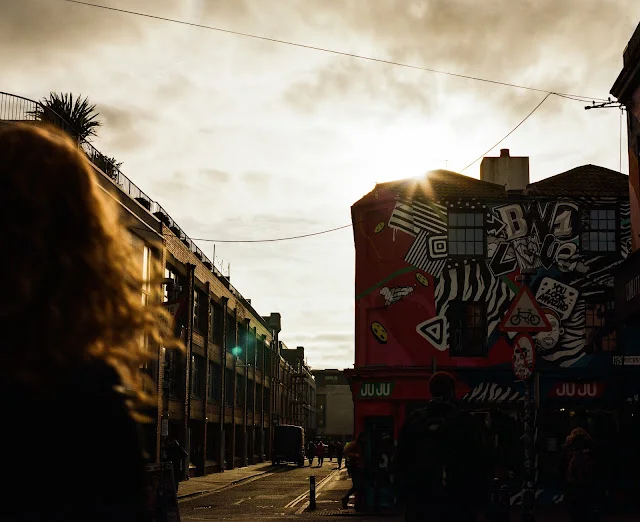
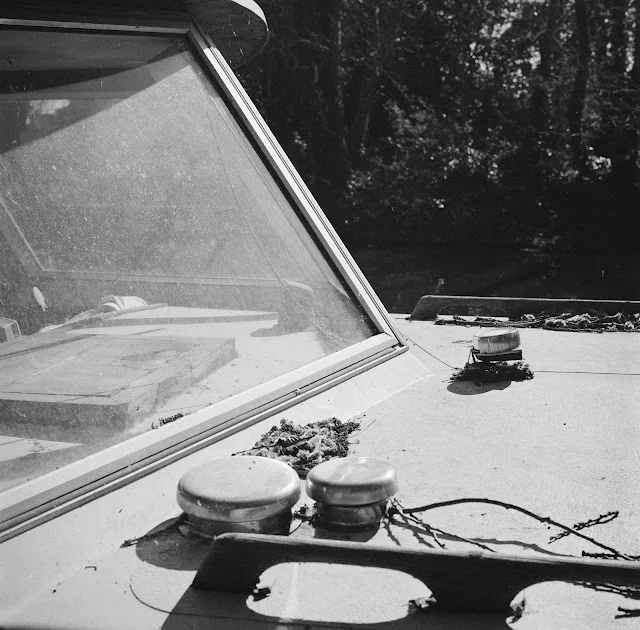
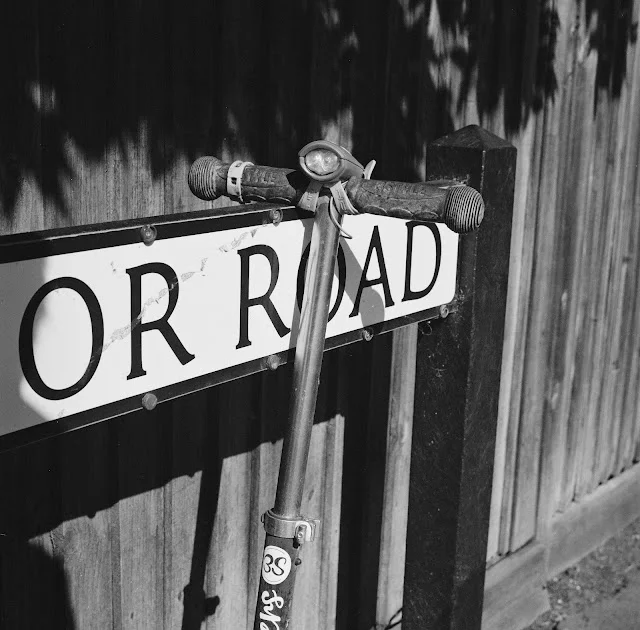
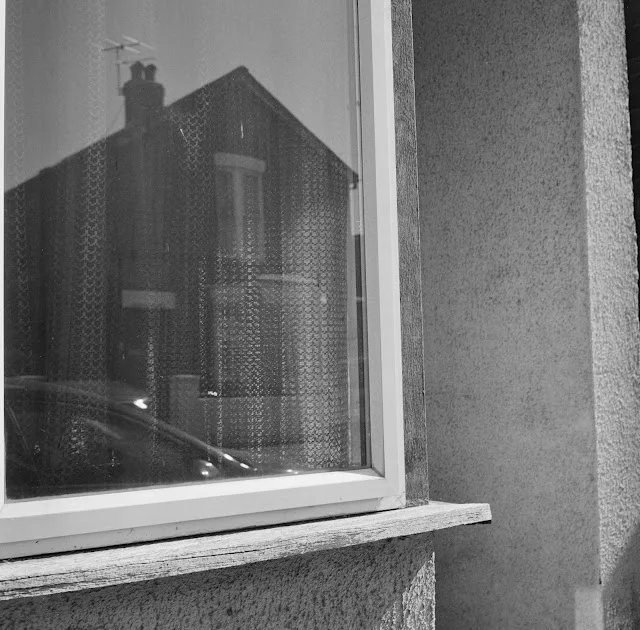
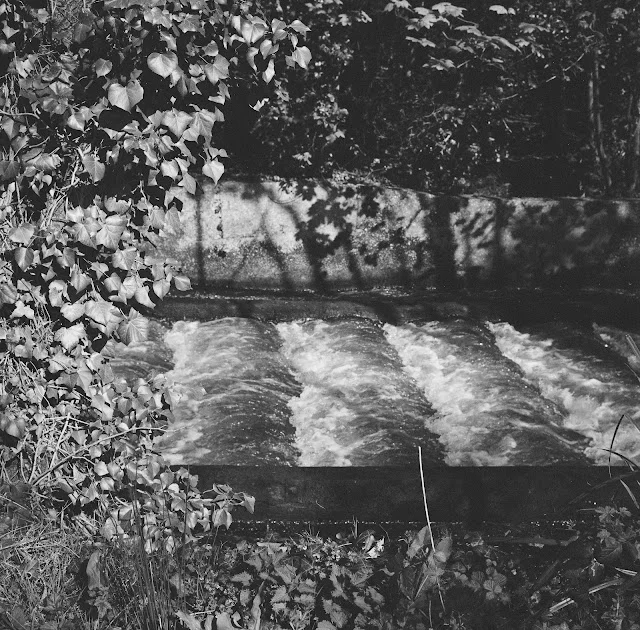
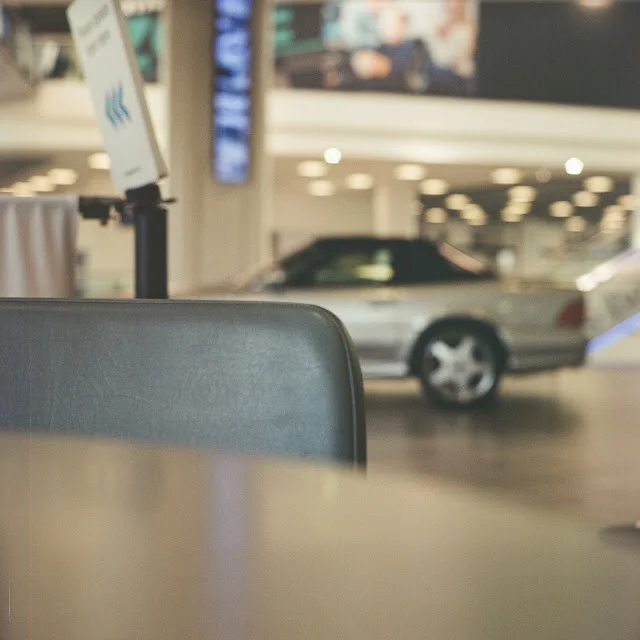
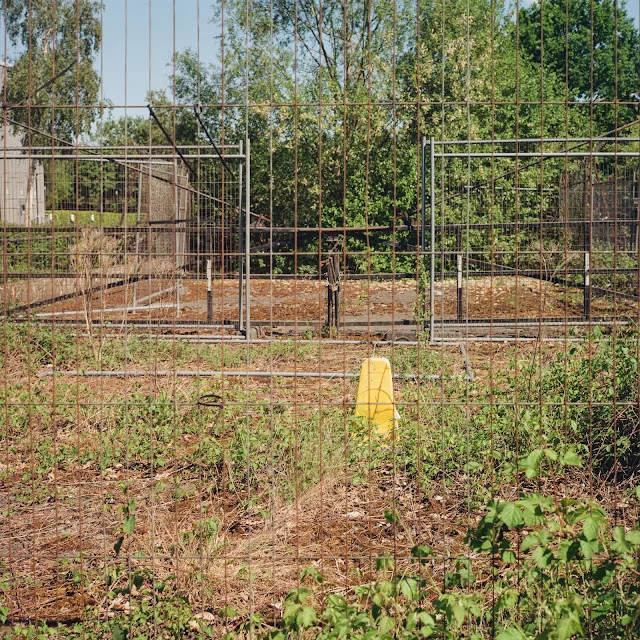
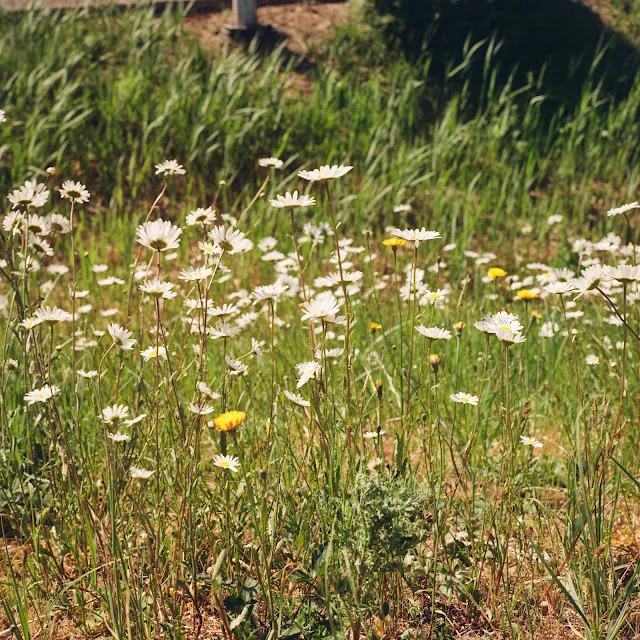
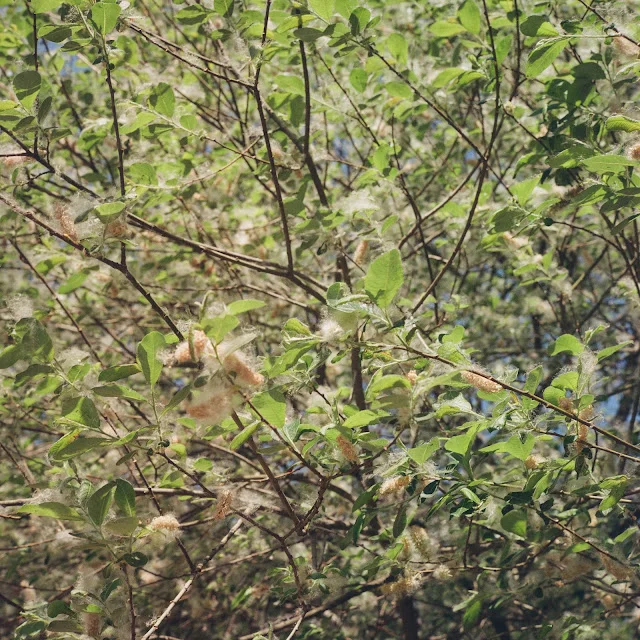
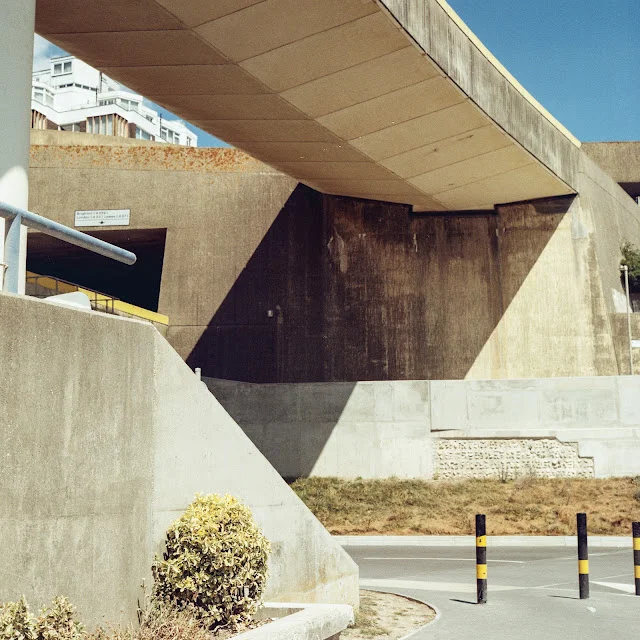
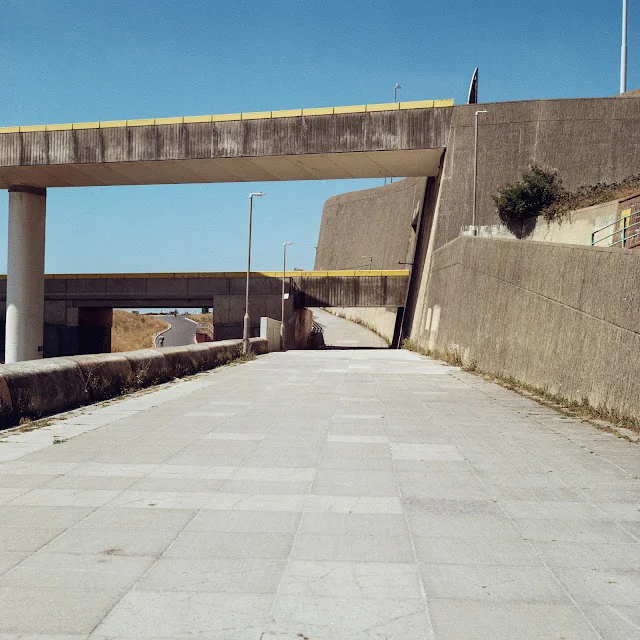
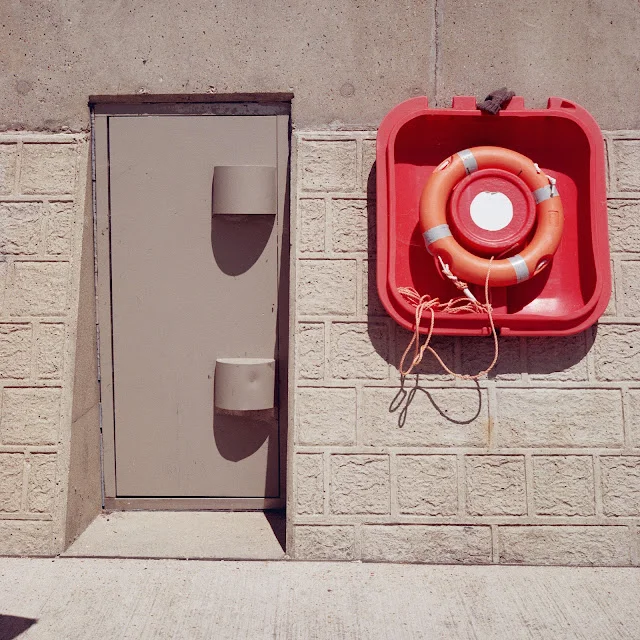
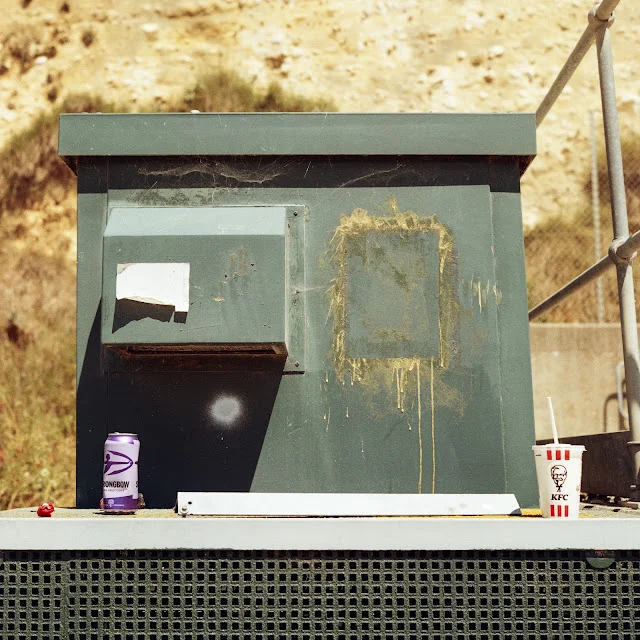
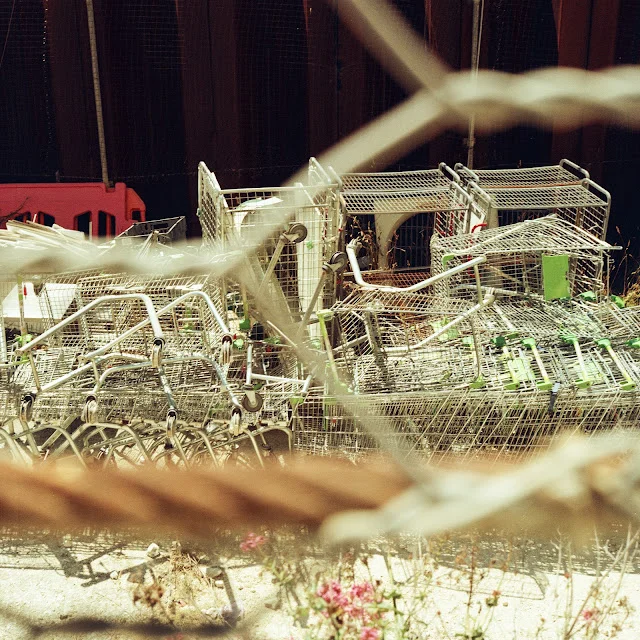
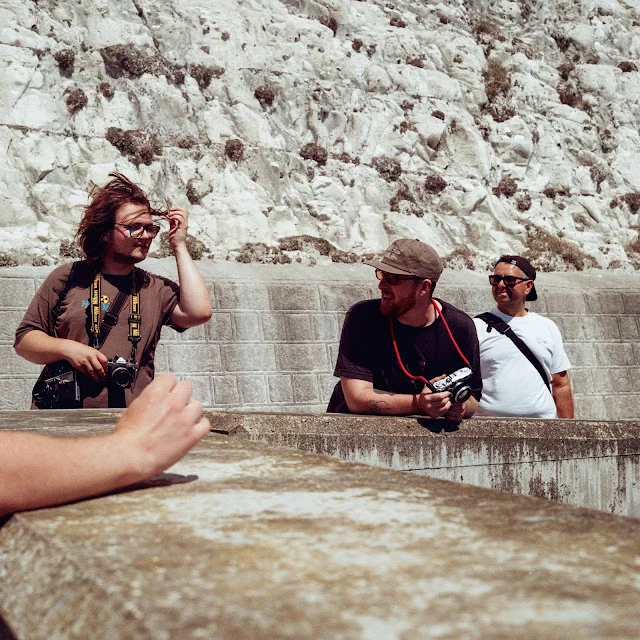
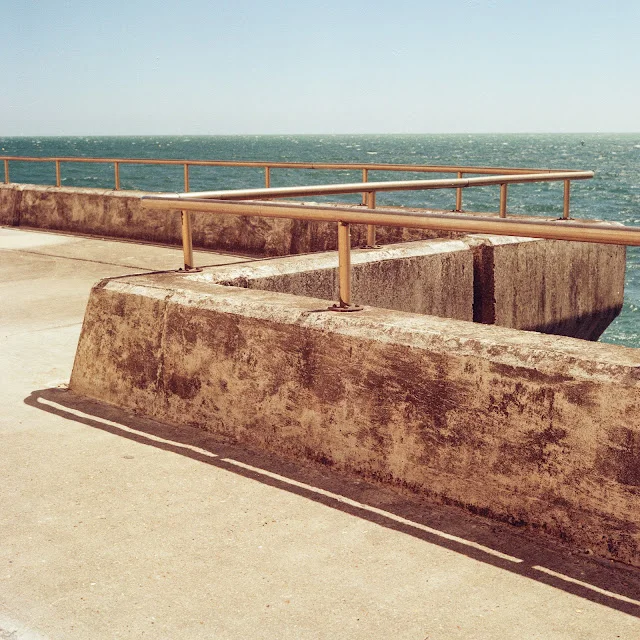
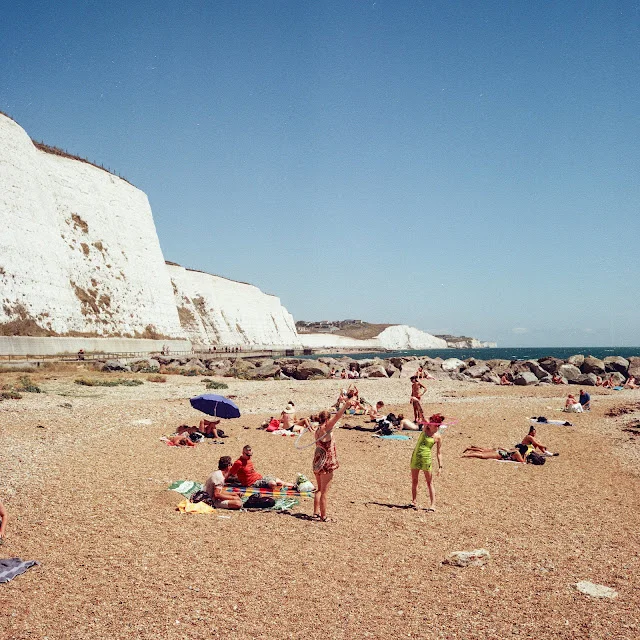
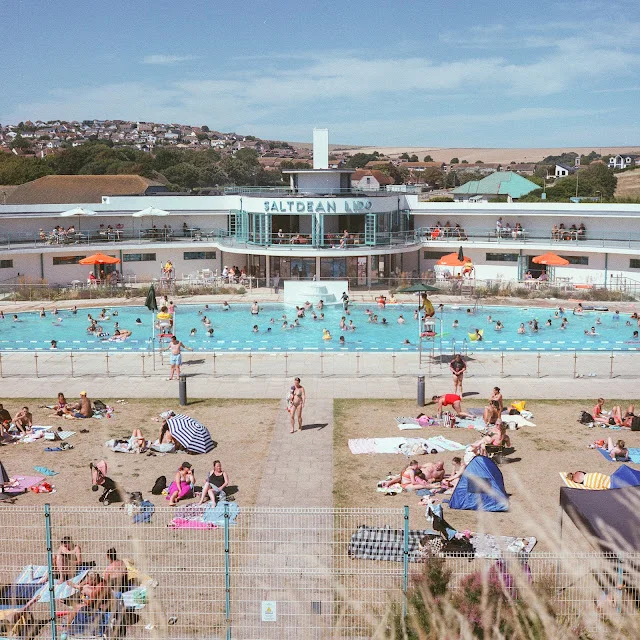
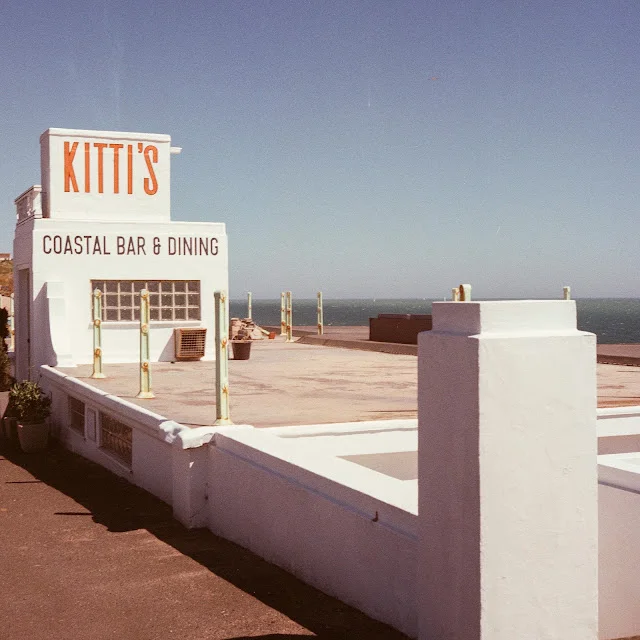
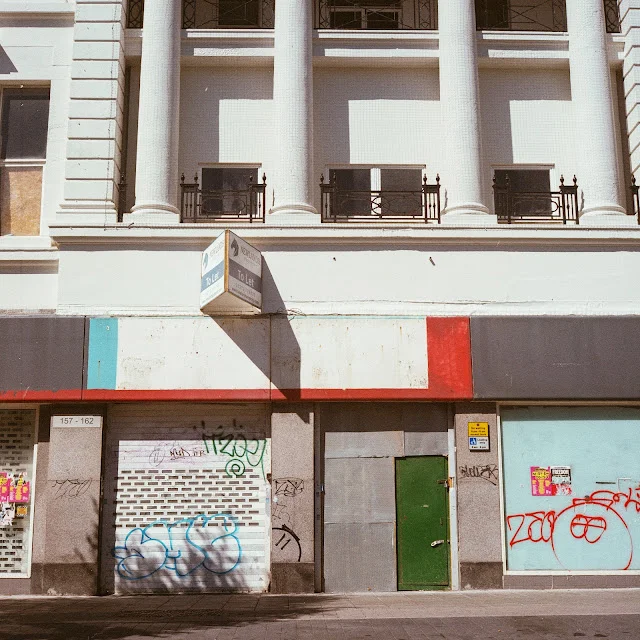
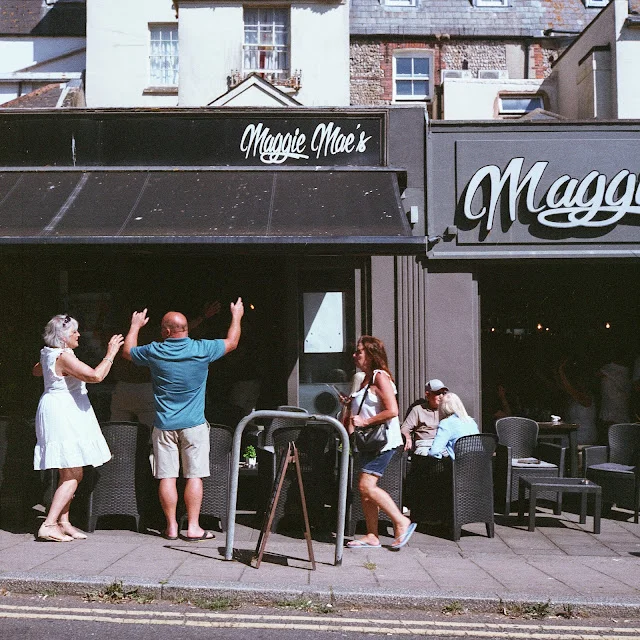
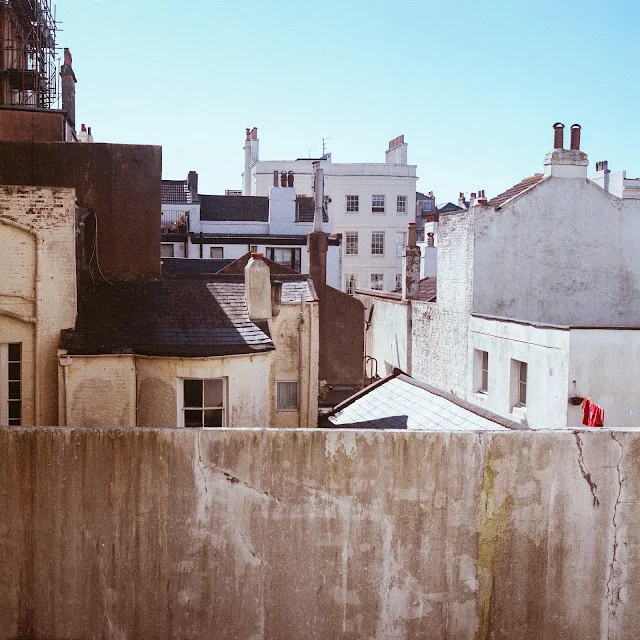
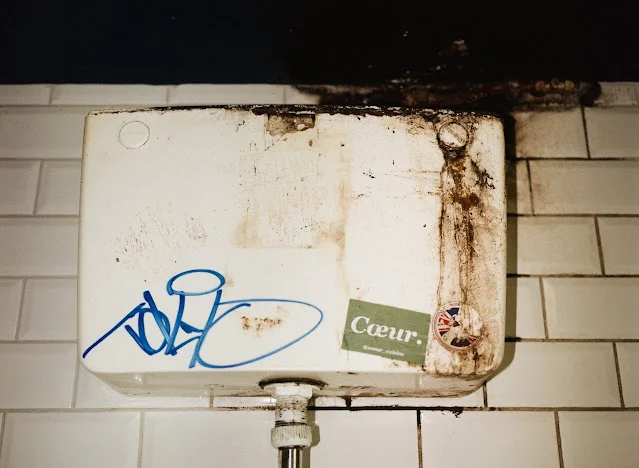
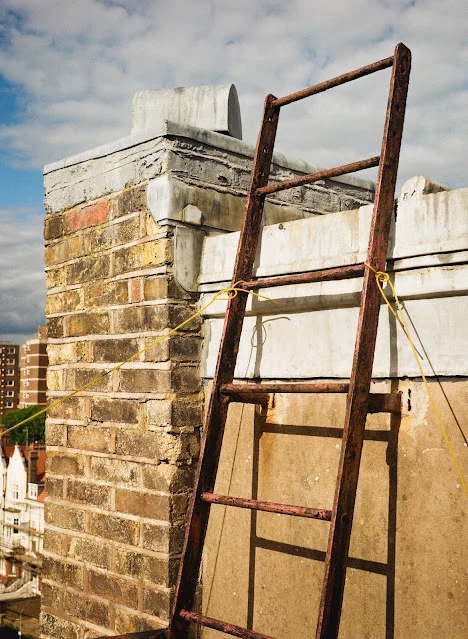
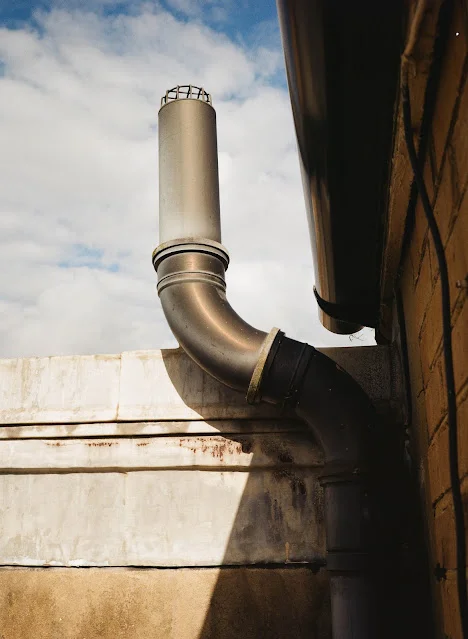
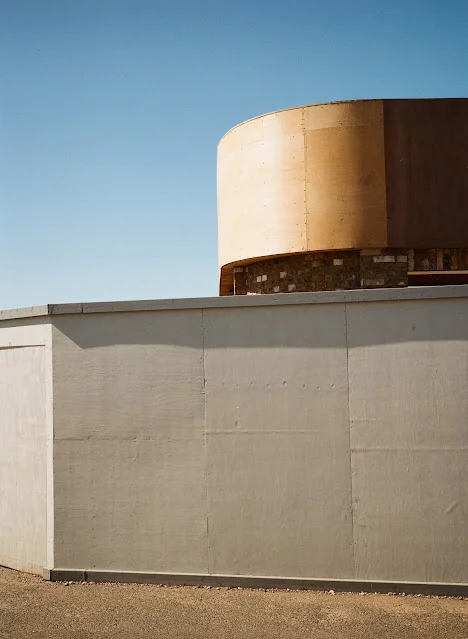
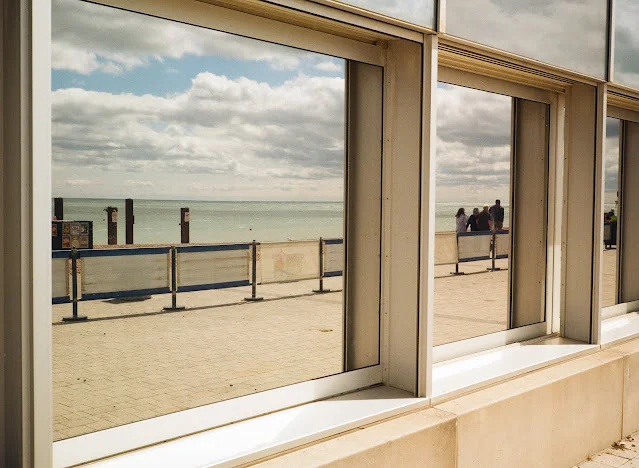
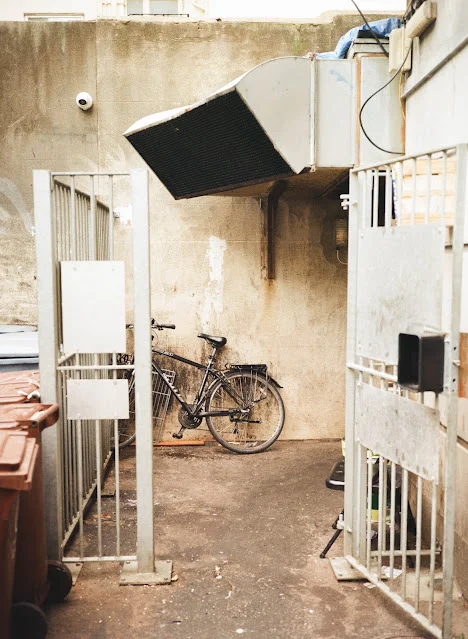
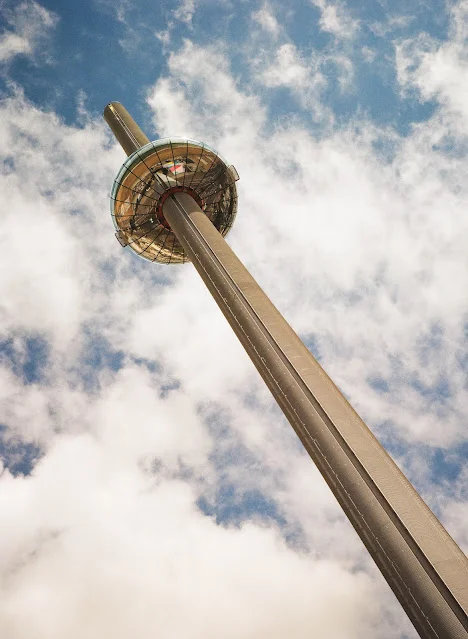
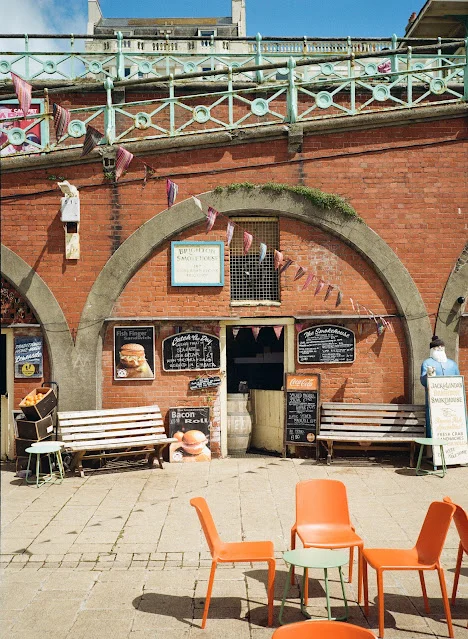
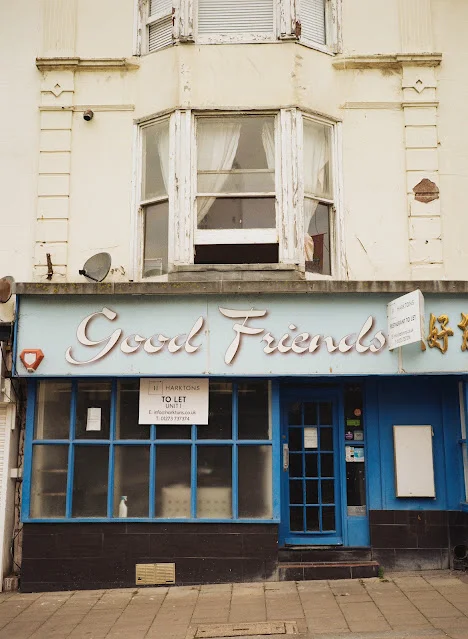
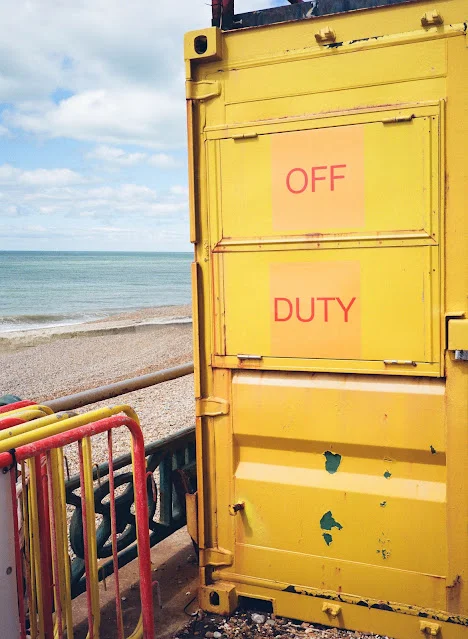
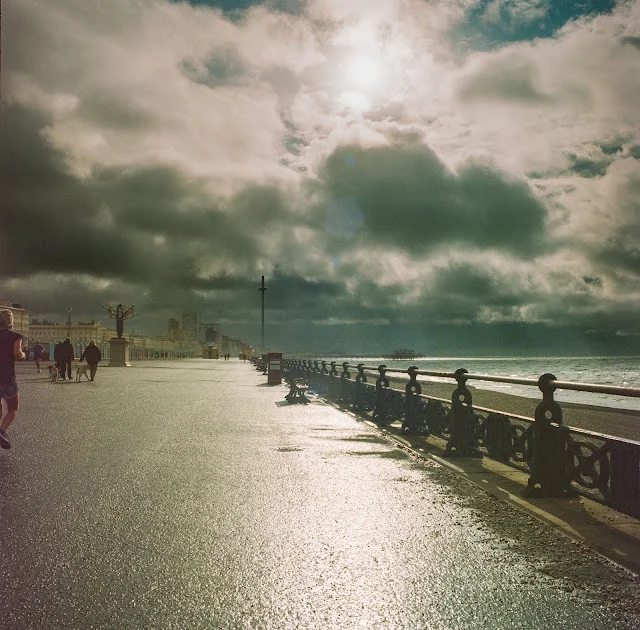
Ultimately, the project culminates in an appreciation of the characteristics that define each of these cameras and why they resonate strongly with a photographer’s style and needs. The explored photographs illustrate their individual capacities beautifully, helping to elevate the craft of medium format photography.
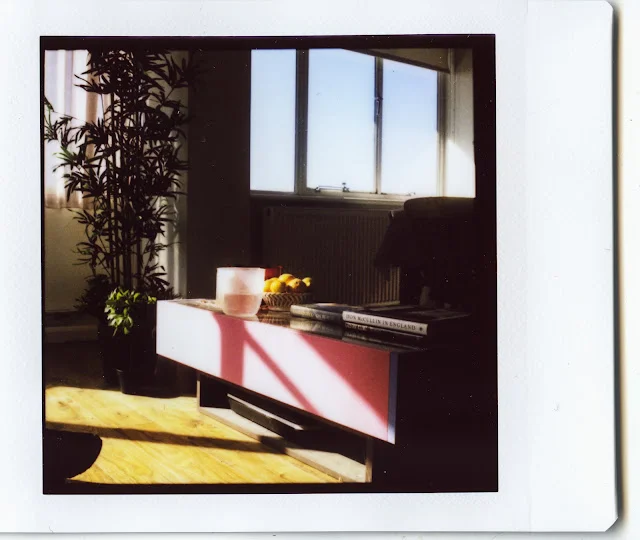
For those eager to view more extensive work from this project, the author has curated a comprehensive Flickr album containing over 550 medium format film shots.