Exploring Medium Format: The Pentax 67, Kiev 88, Kiev 60, and Rollei 3.5s Reviewed
| Shelf | Cameras & Lenses |
|---|---|
| Date in | |
| Readers | 484 |
This article delves into the Pentax 67, Kiev 88, Kiev 60, and two Rollei 3.5s, examining their features, performance, and personal experiences to inspire photographers.

Camera No. 9: Pentax 67
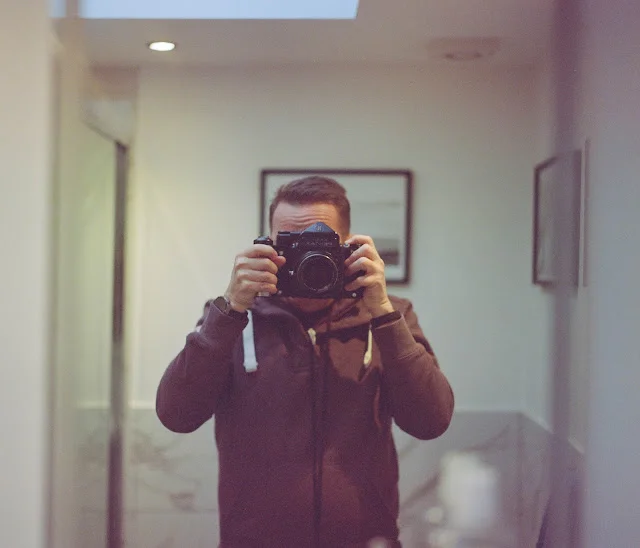
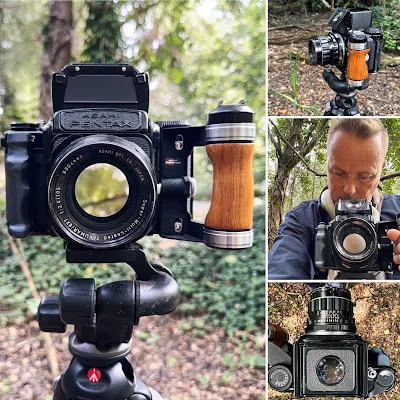
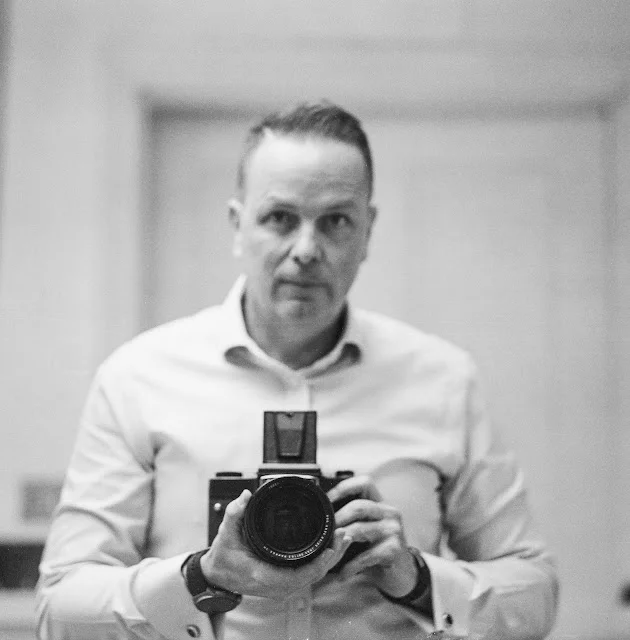
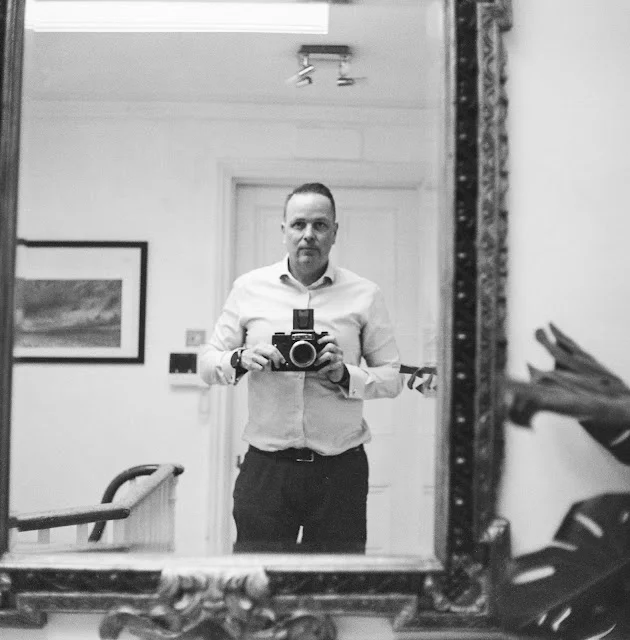
The Pentax 67 stands out in the medium format realm, presenting itself as a robust camera that offers unique imaging capabilities. Its design resembles that of a scaled-up SLR, featuring a 6x7 format that many photographers find captivating. This specific camera has become a favorite among portrait and fashion photographers, specifically due to the remarkable quality of the 105mm f2.4 lens.

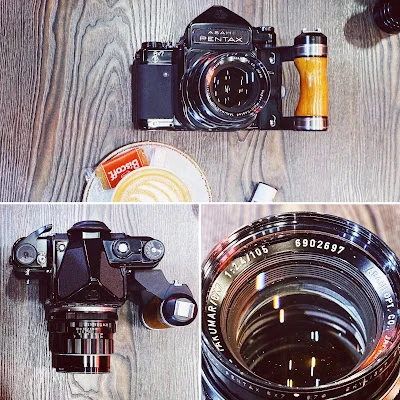
I began my exploration of the Pentax 67 using three different films throughout 2024:
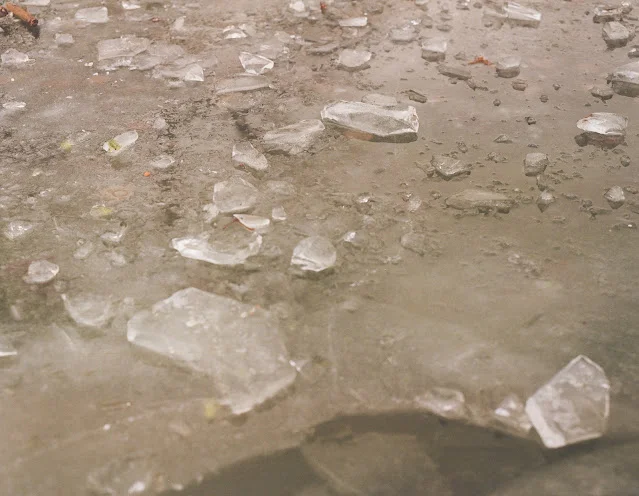
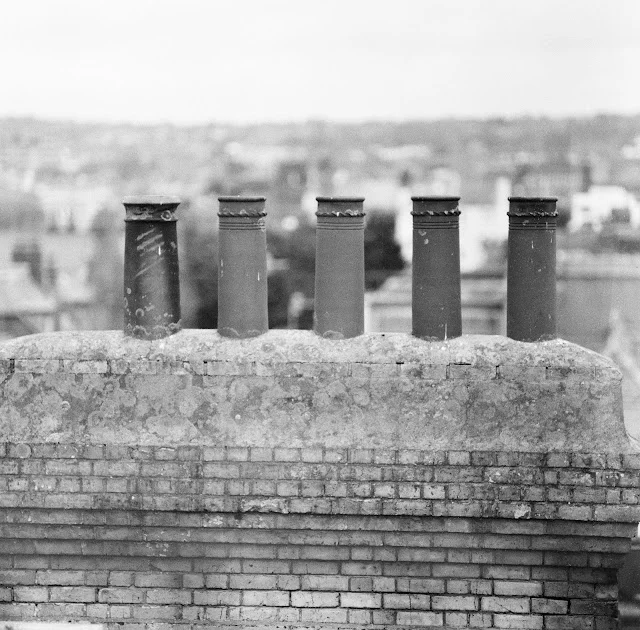
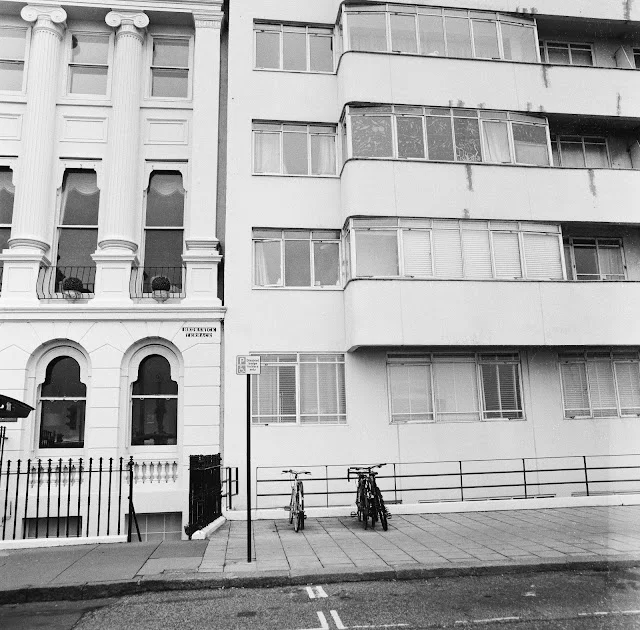
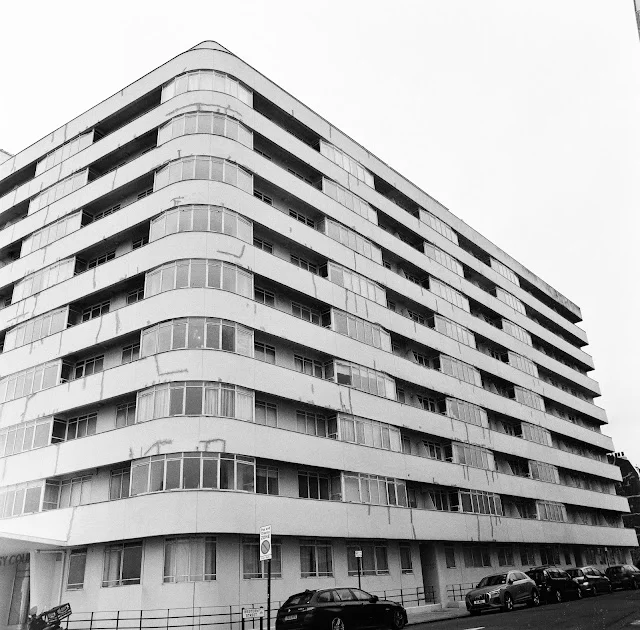
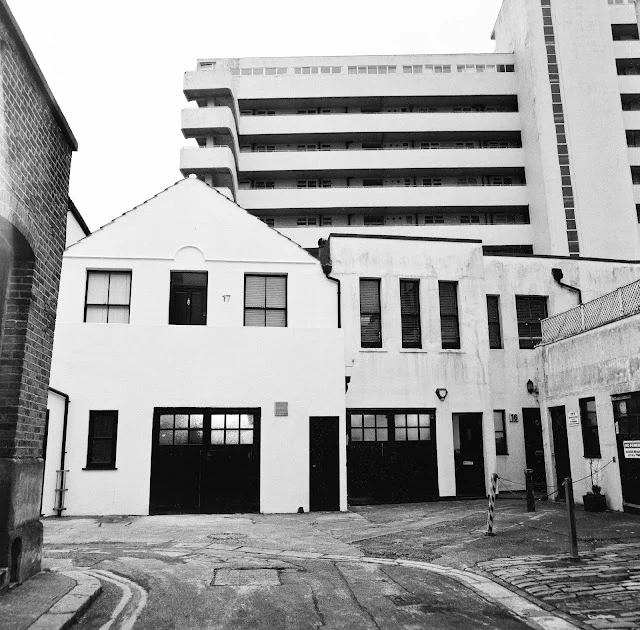
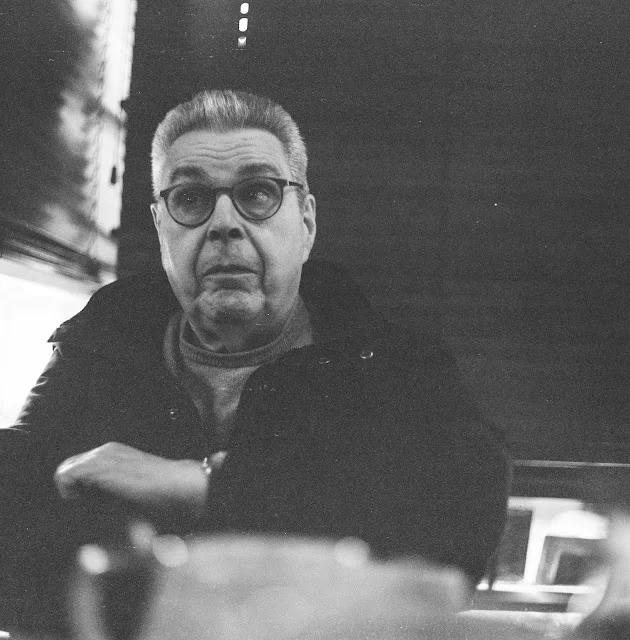
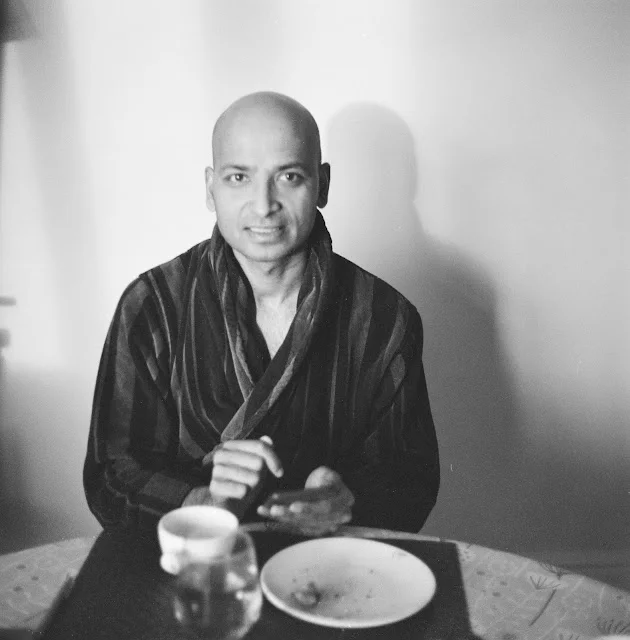
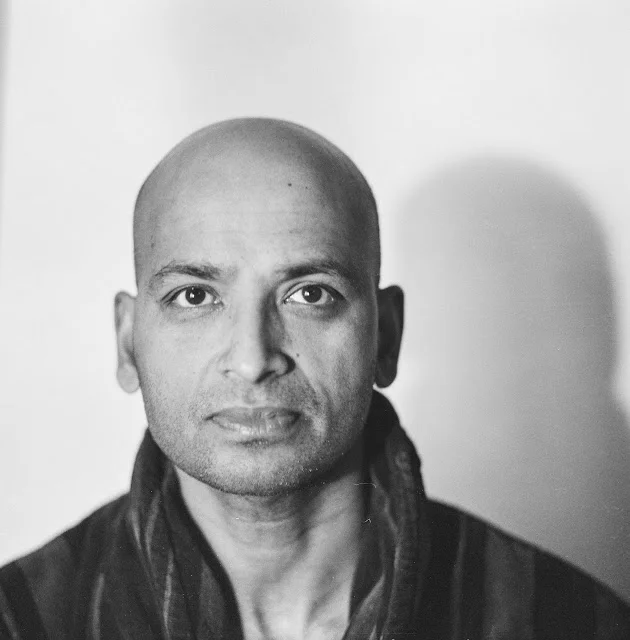
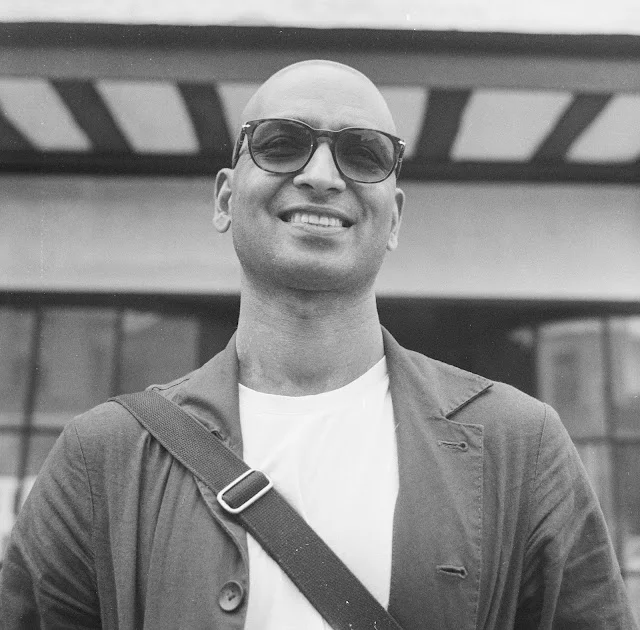
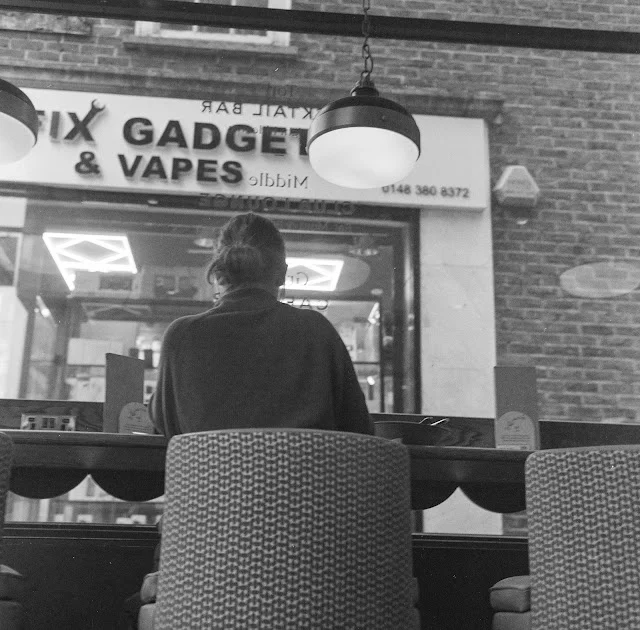
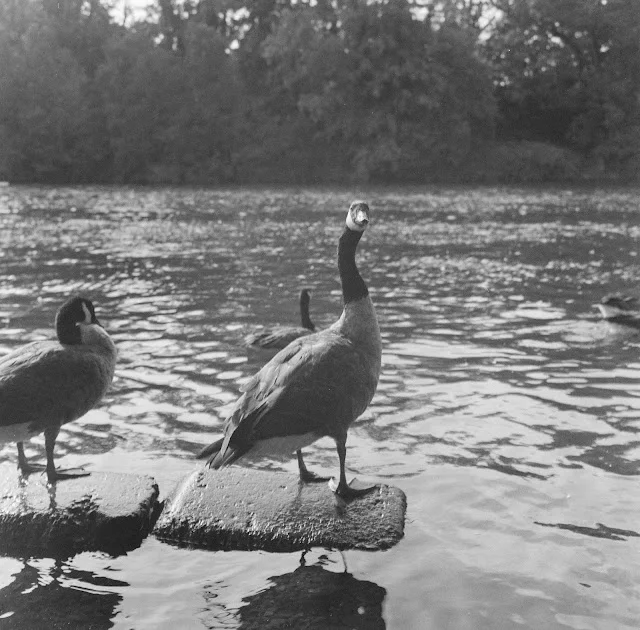
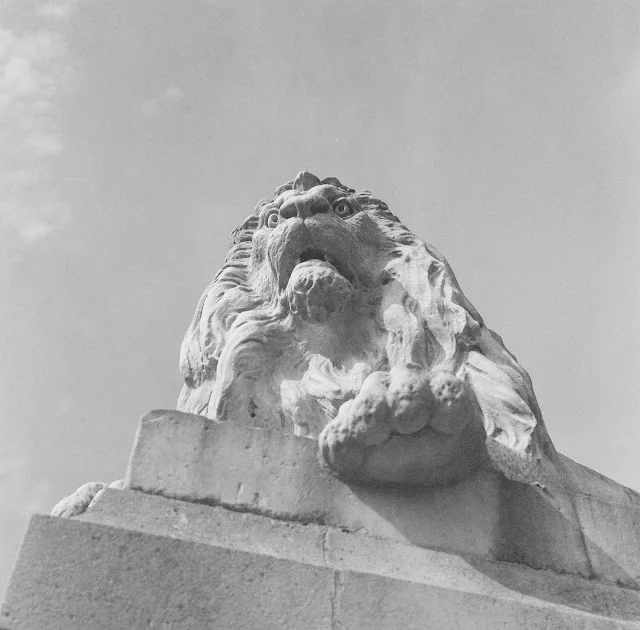
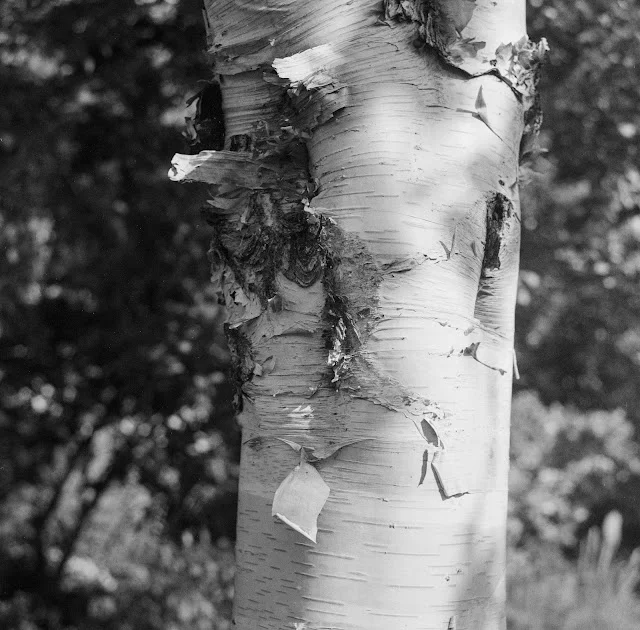
- Film No. 1: Pentax 67 with 105mm f2.4, Kodak Portra 800 (Expired) - sample image
- Film No. 2: Pentax 67 with 105mm f2.4, Lomography 400 - sample image
- Film No. 3: Pentax 67 with 105mm f2.4, Kodak Gold 200 - sample image
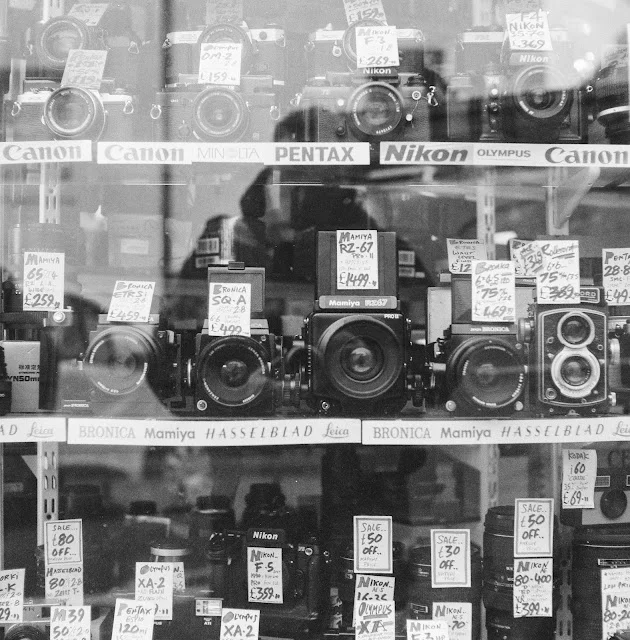
Although its substantial weight initially deterred me, a trial at my preferred camera shop shifted my perspective. The viewfinder, either through the prism or waist-level option, proved exceptionally bright and clear, enhancing my shooting experience.
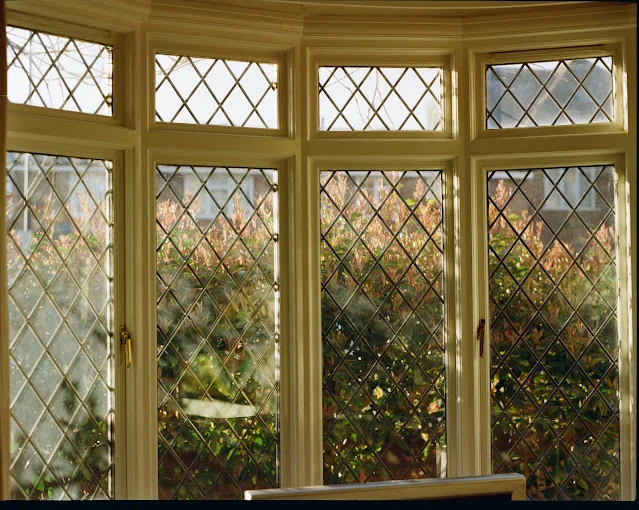
Despite the heft, the camera's ergonomics make handling less cumbersome, especially compared to my previous Mamiya 6x9, which I had been carrying around. The Pentax 67 indeed feels more manageable.

For this project, acquiring the Pentax 67 was unexpected yet welcomed, as it allows exploration of a beautiful large negative while also pushing my creative boundaries with its dynamic range.
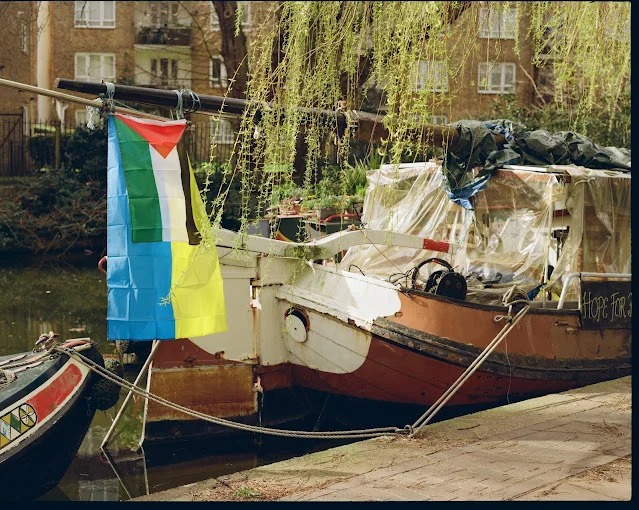
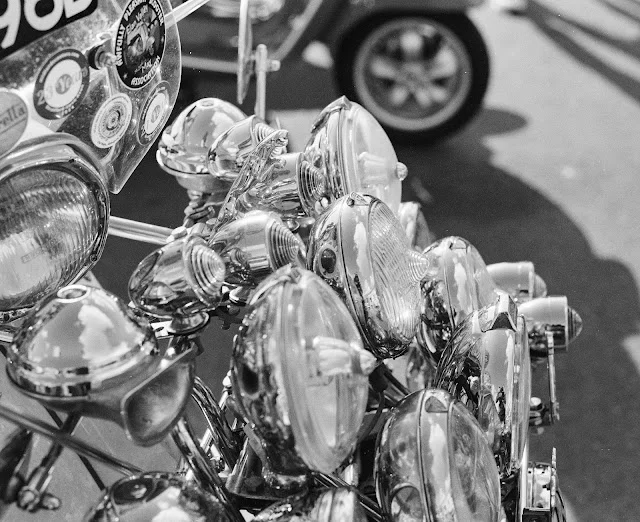
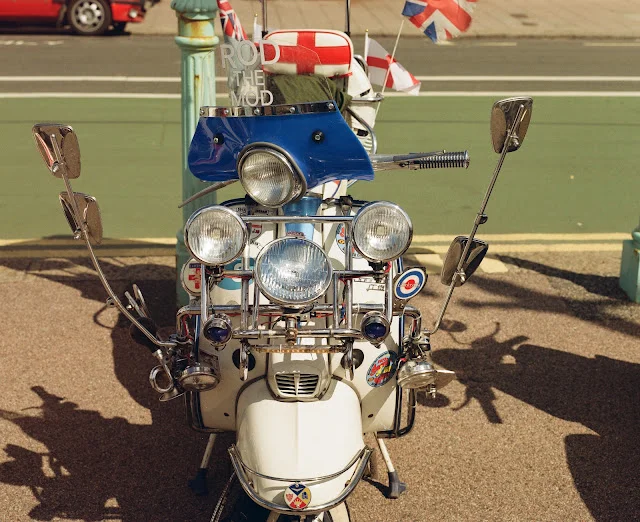
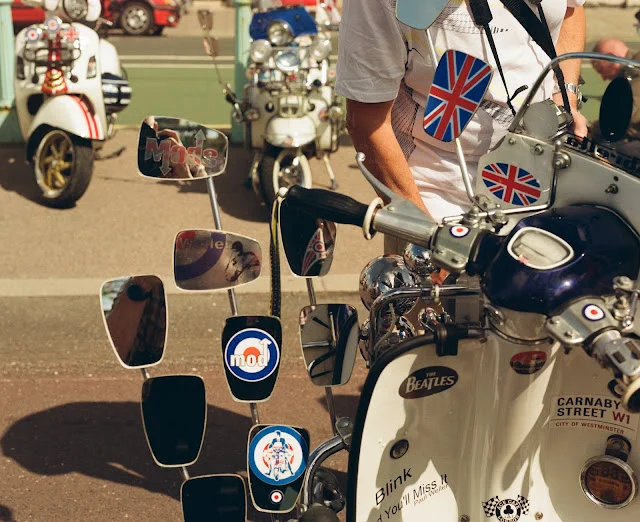
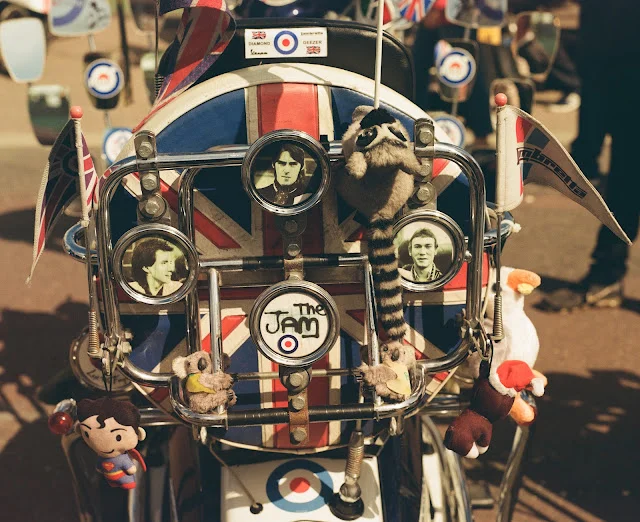
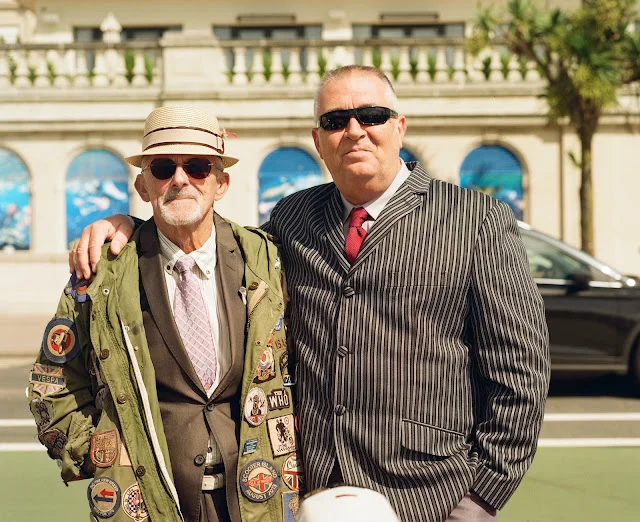
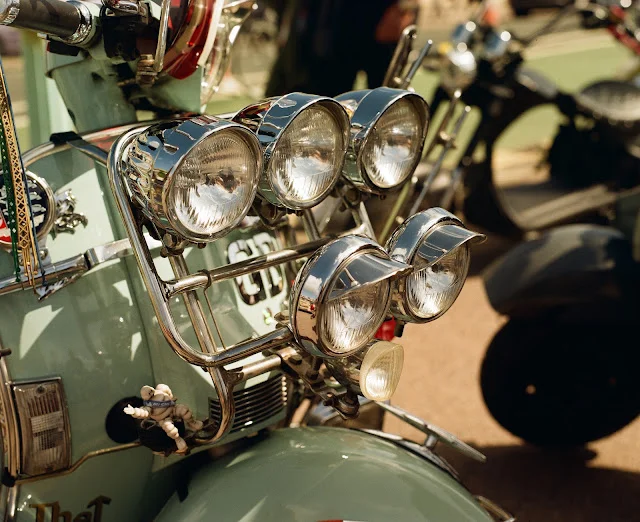
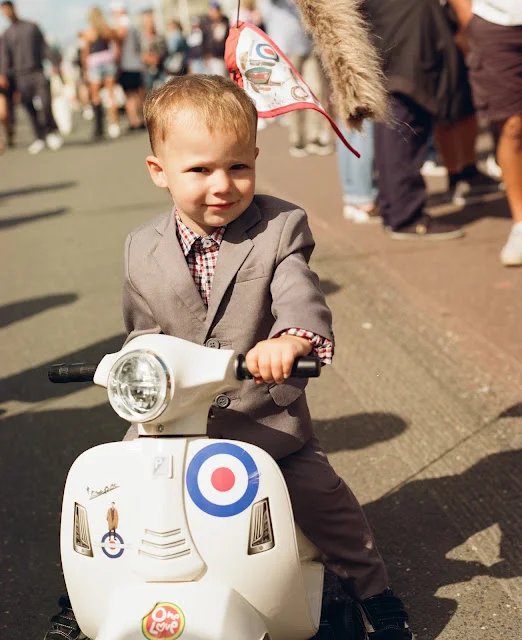
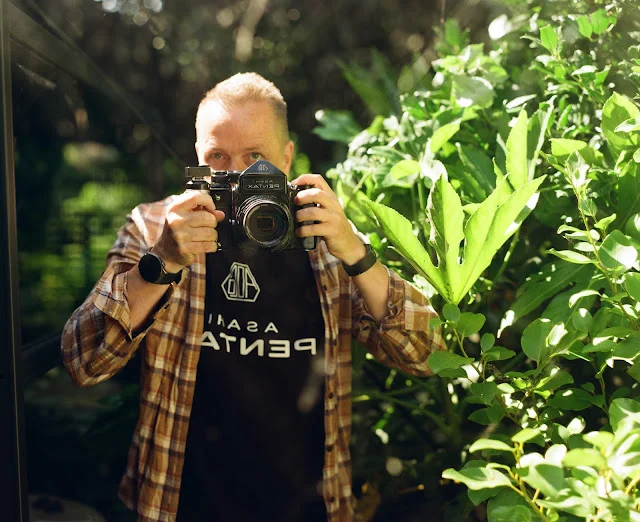
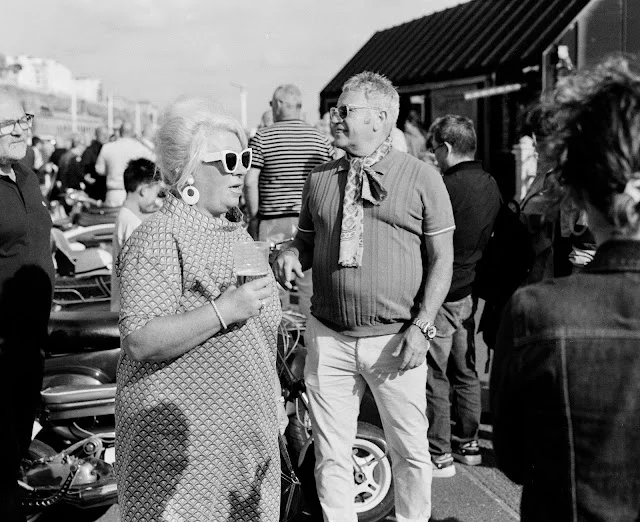
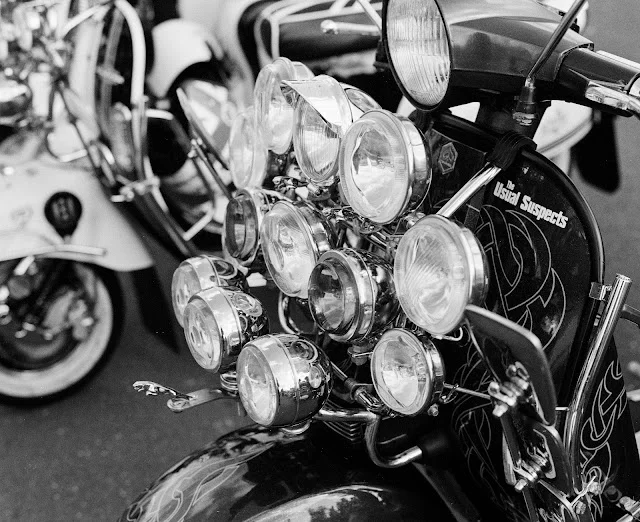
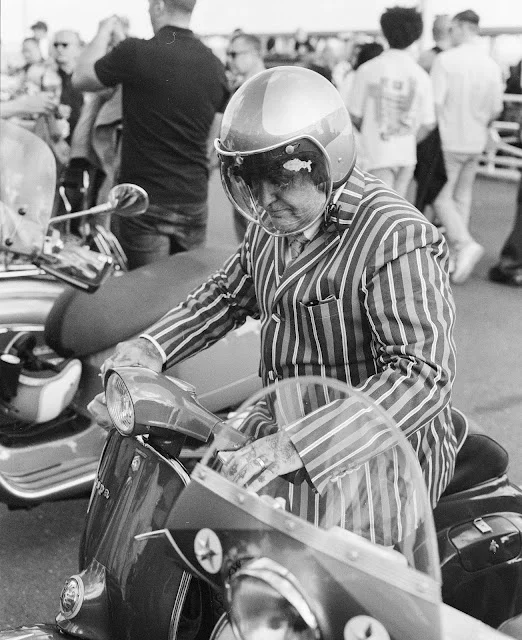
Post-purchase, I ran into issues with the shutter not functioning correctly, tracing the problem back to extensive lax use prior to my ownership. Thankfully, after servicing at Asahi Pentax, the camera was restored to optimal condition. I witnessed firsthand the potential of this camera during the Brighton Mod Weekend festival in August 2024.
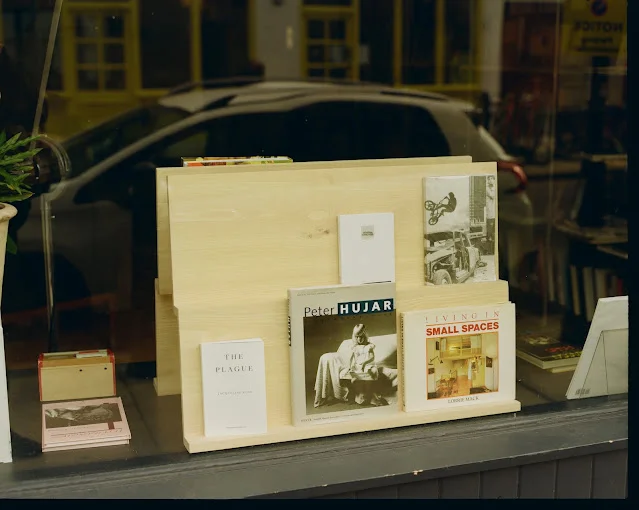
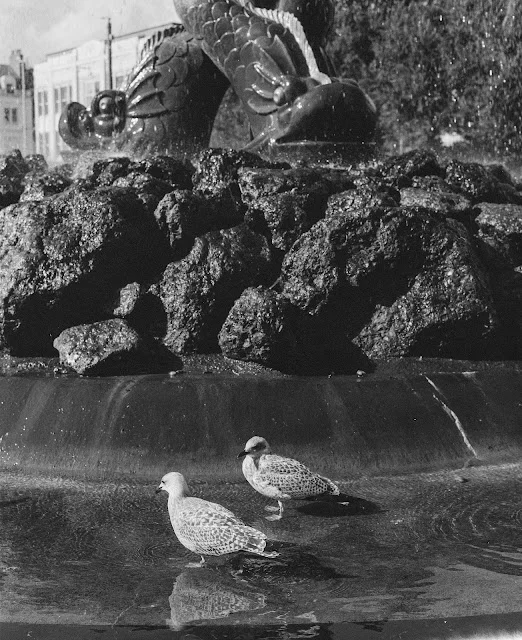
Ultimately, the Pentax 67 impresses with its sharp, clean negatives, and despite its bulk, it has become a cherished part of my photography arsenal.
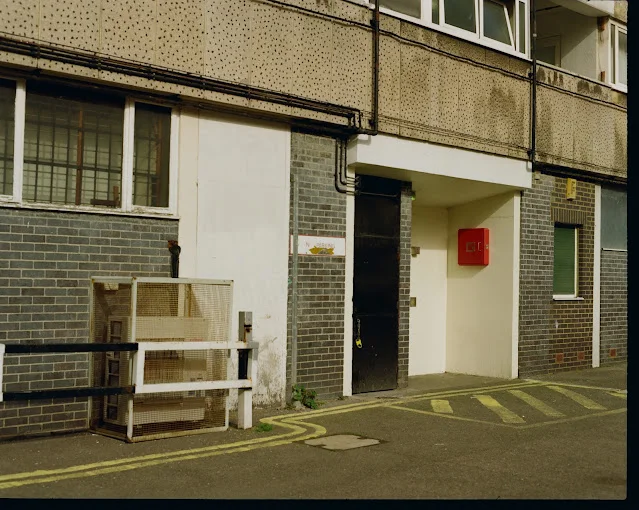
Camera No. 10: Kiev 88
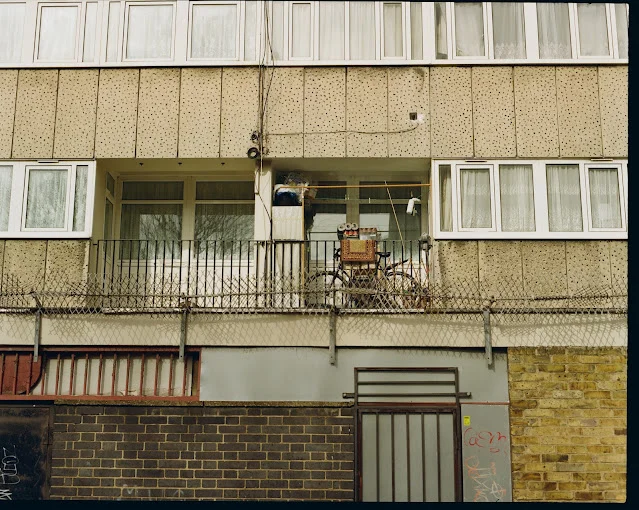
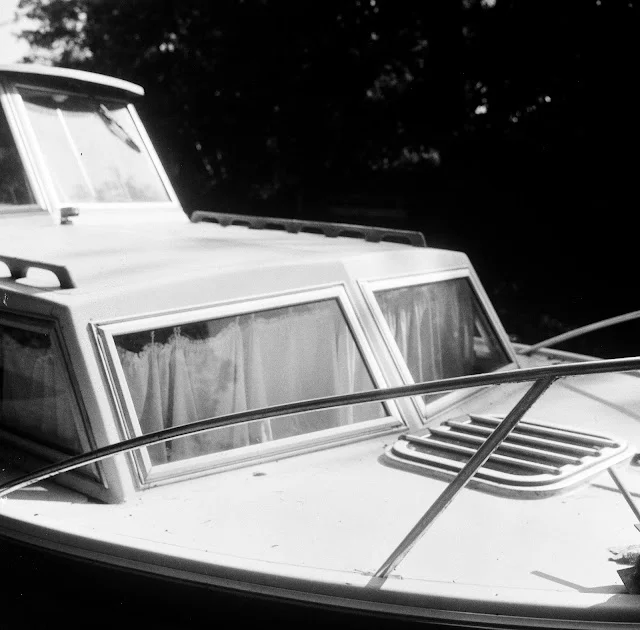
Borrowed from my father, the Kiev 88—a Hasselblad-inspired camera—offers a unique shooting experience, featuring reliability that can vary between, so my luck with this refurbished model was fortuitous.
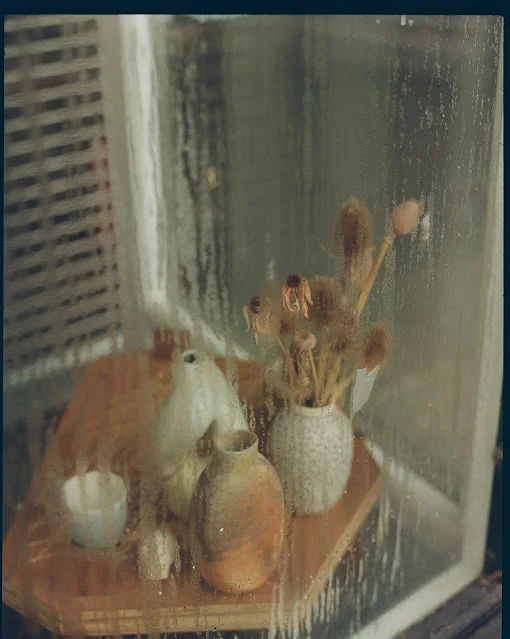
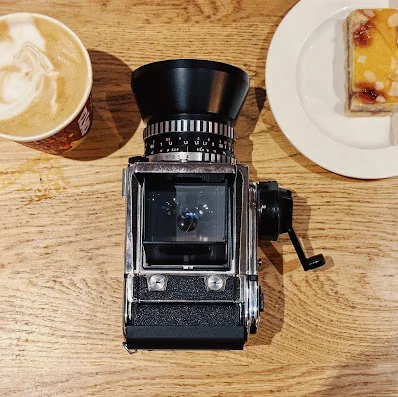
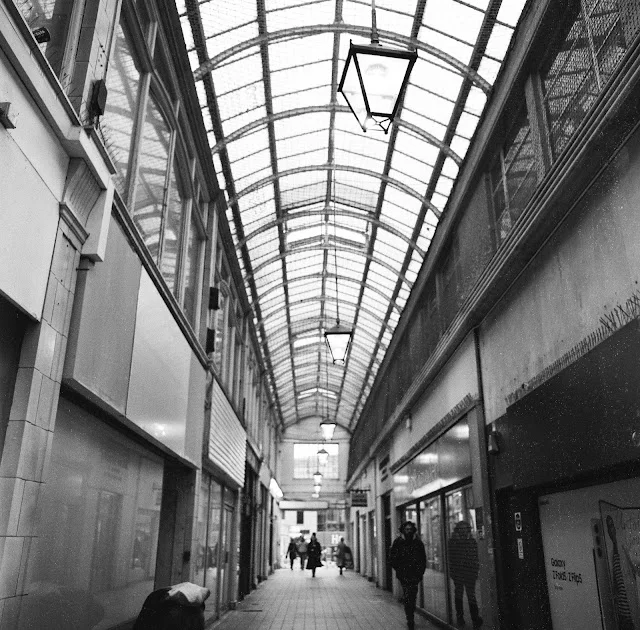
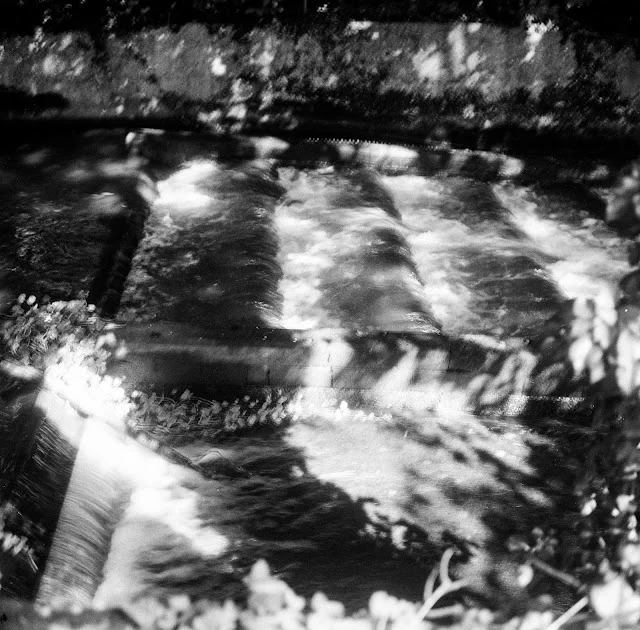
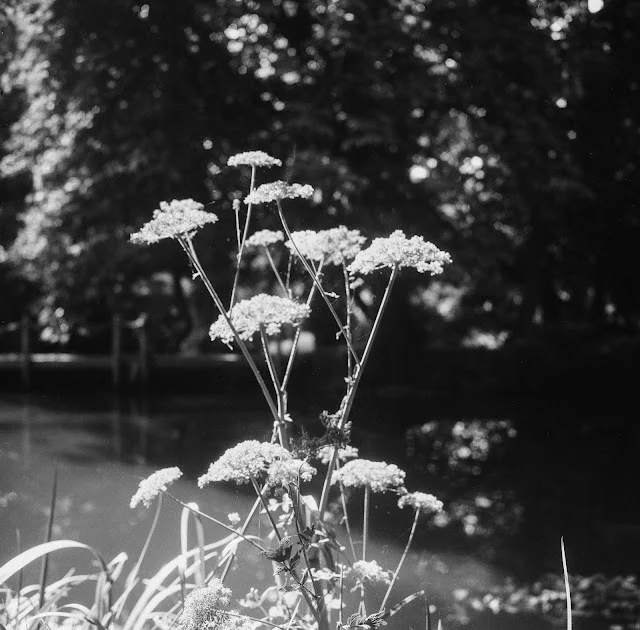
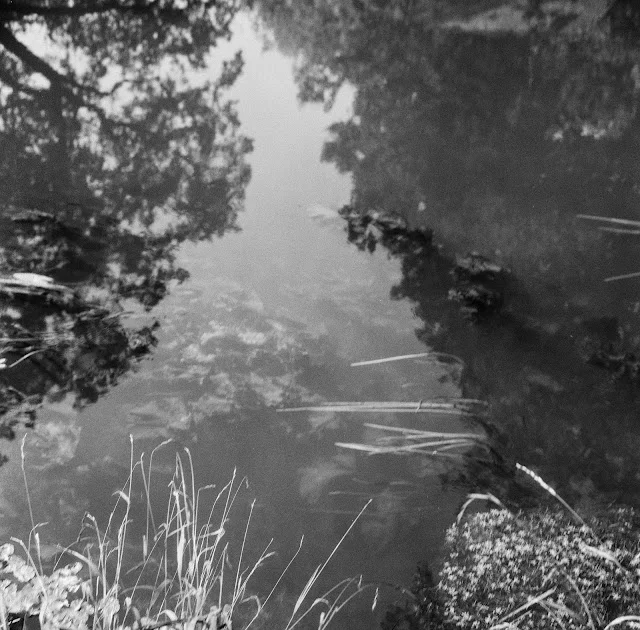
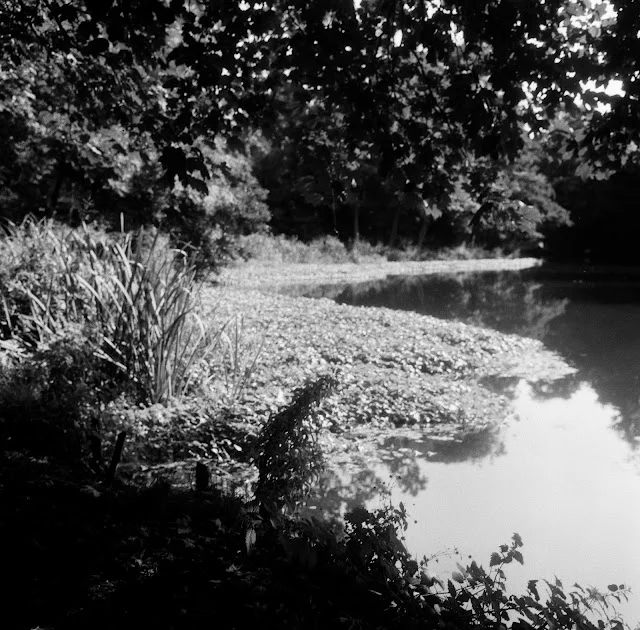
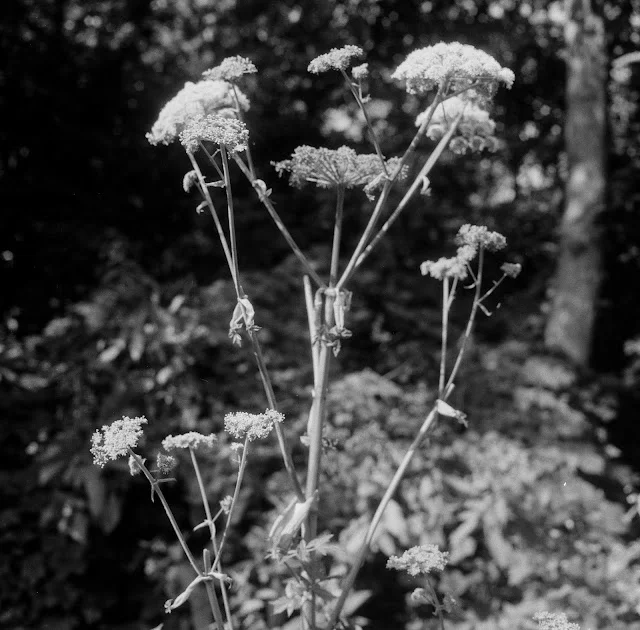
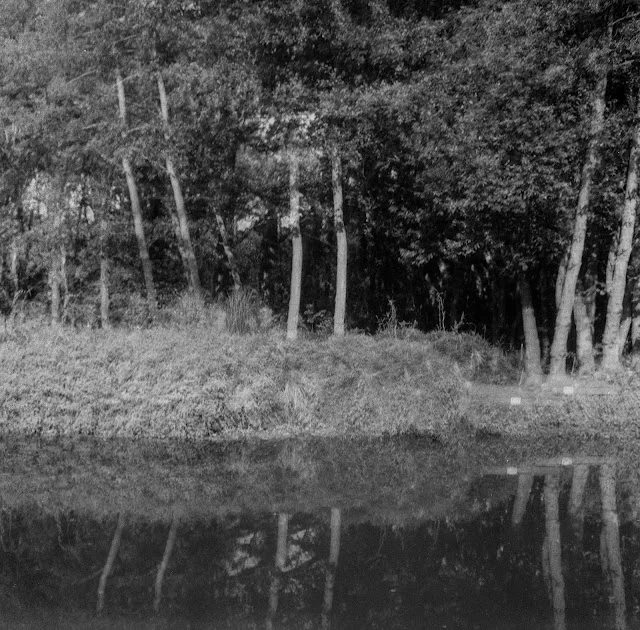
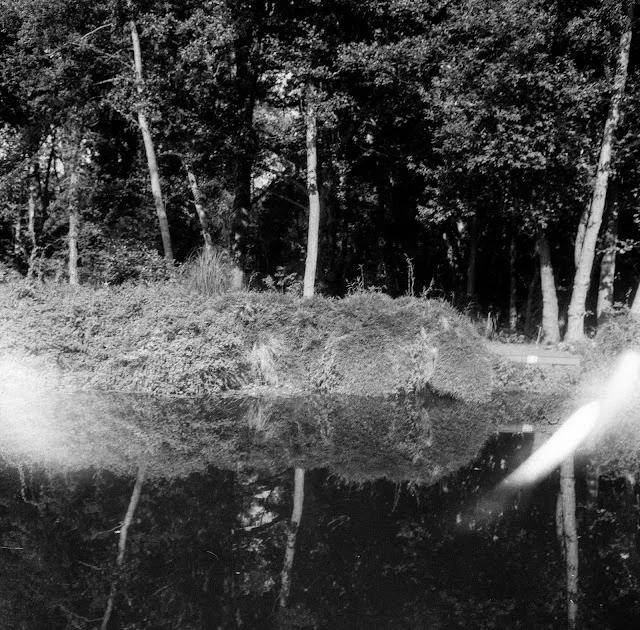
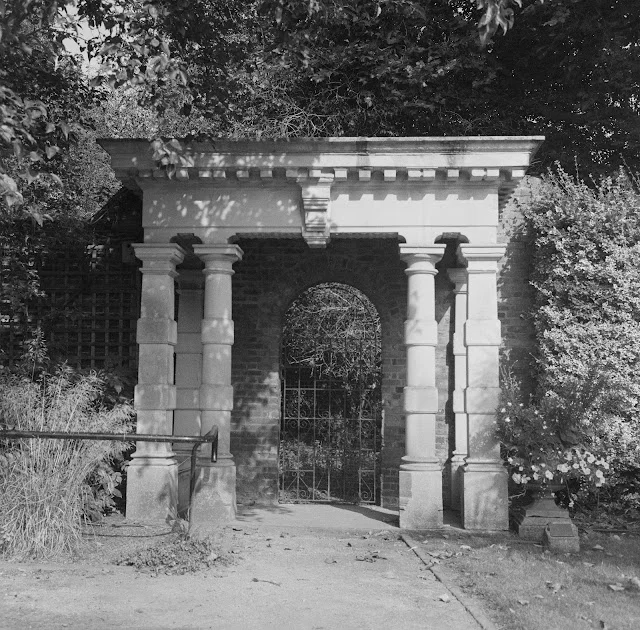
Using it with Kentmere 100 film (exposed at ISO 400), I appreciated the flexibility this configuration provided. The camera supports Pentacon 6 mount lenses, allowing me to interchange three quality Zeiss Jenna lenses (wide, standard, and telephoto), which is advantageous for various shooting scenarios.
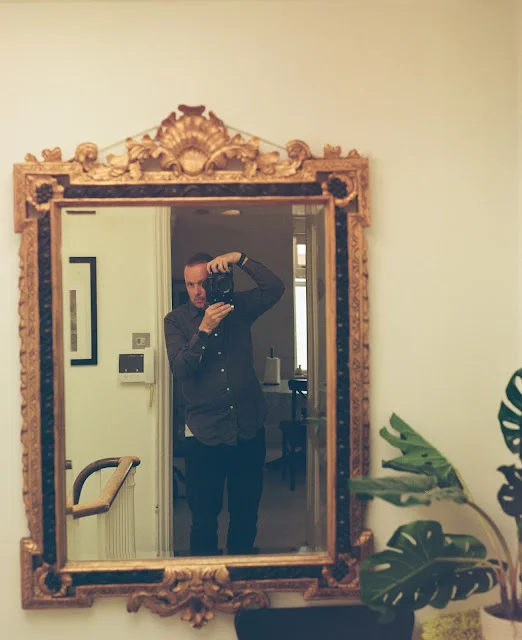
The photographs captured had a distinct quality that reflected the lens' precision. Overall, the Kiev 88 excited my creative instincts, and I was pleased with my results.
Camera No. 11: Kiev 60
The Kiev 60, another of my dad's well-maintained cameras, is lighter than its 88 counterpart. Despite being constructed with more plastic components, its reliability makes it a joy to use.
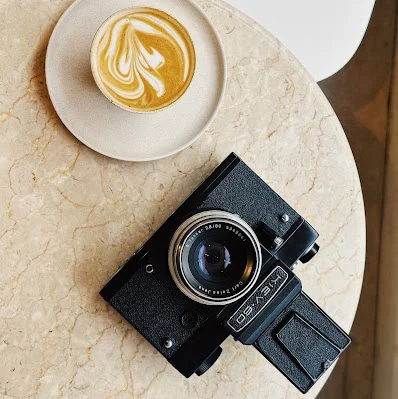
With a lightweight build, it comfortably fits into my bag, enabling spontaneous captures without the cumbersome weight. Using this camera reminded me of the ease of shooting portraits, especially with its waist-level finder that delivers creative framing opportunities.
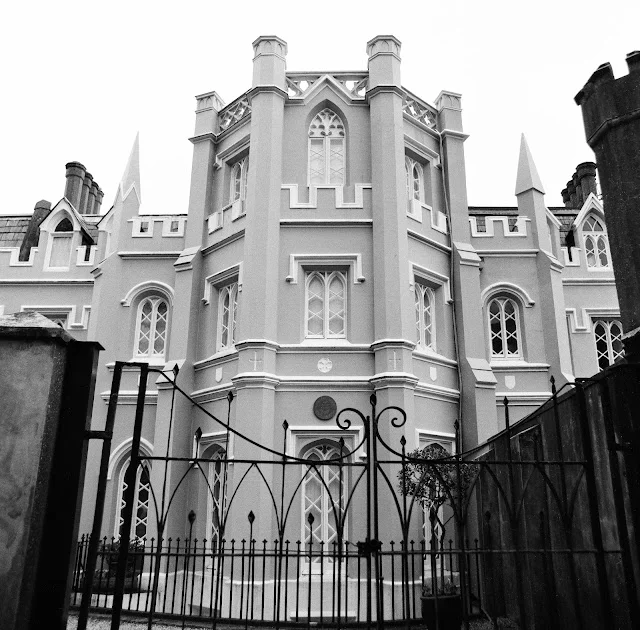
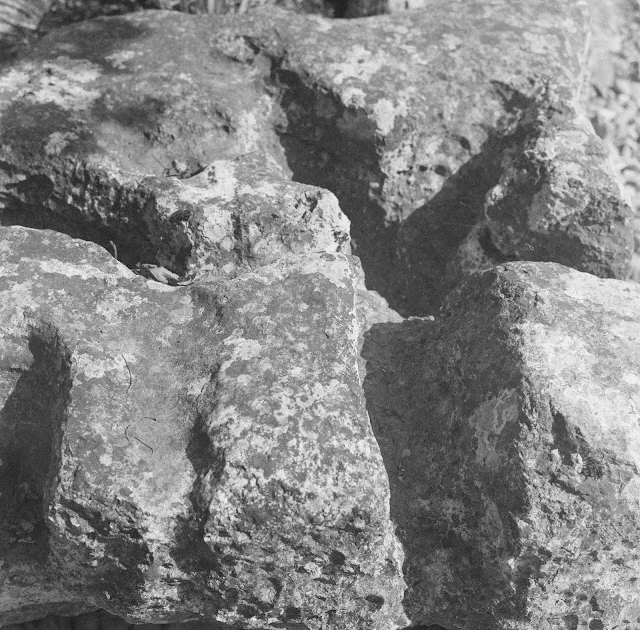
The results remained sharp, with a pleasing quality typical of 6x6 formats. I explored this camera's capabilities alongside the same lens options utilized in the 88, allowing for comparative assessment of results.
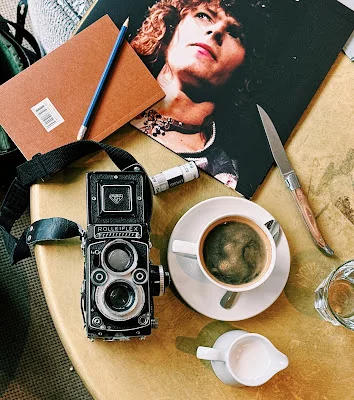
Camera No. 12: Rolleiflex 3.5s
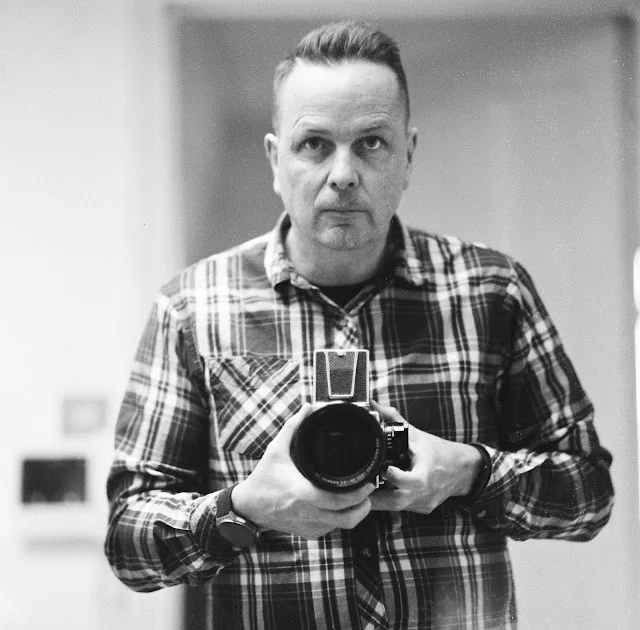
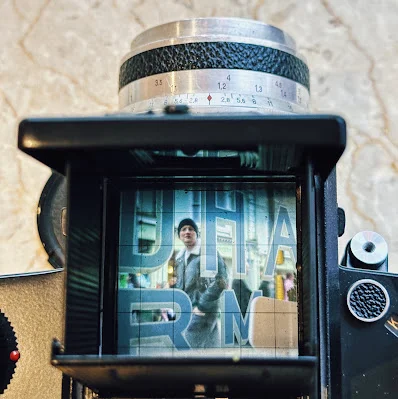
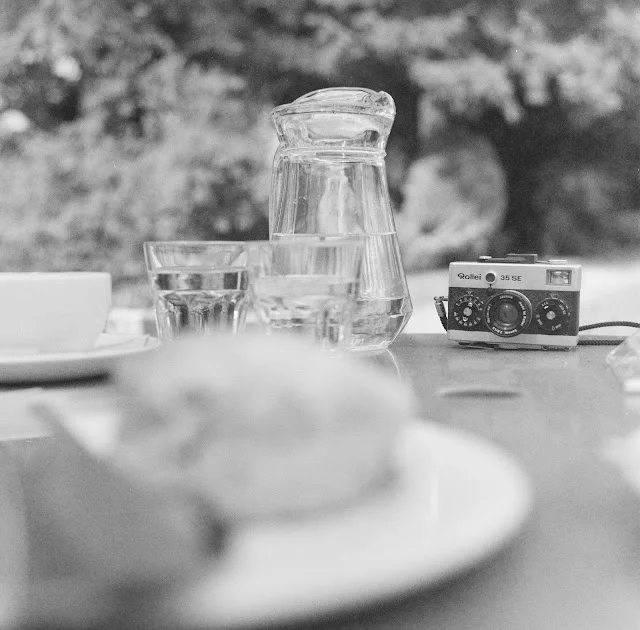
Initially planning to exclude twin-lens reflex cameras from this series, I succumbed to temptation and decided to include two Rollei 3.5 models—specifically the 3.5 E2 and the 3.5F Planar—both of which I've consistently enjoyed using.
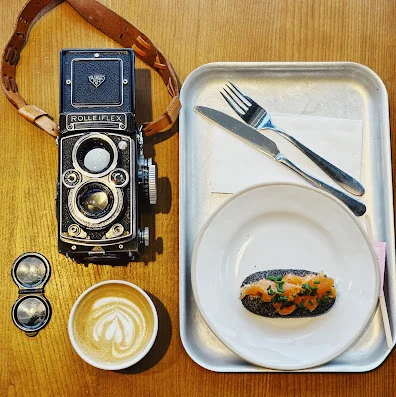
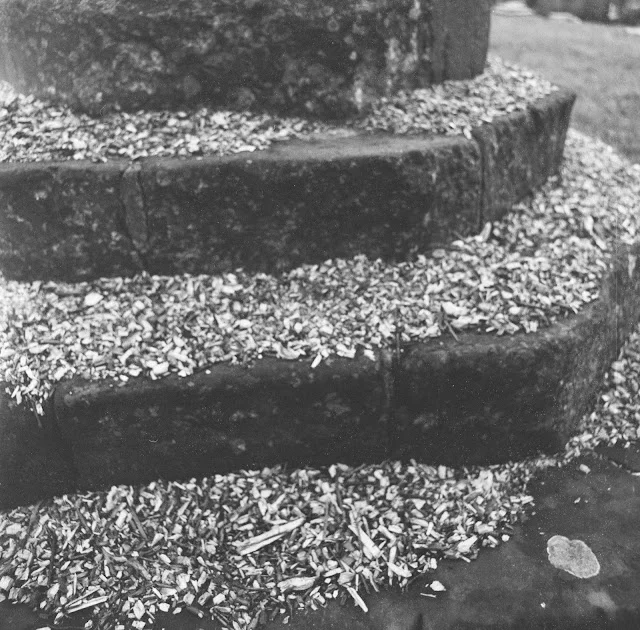
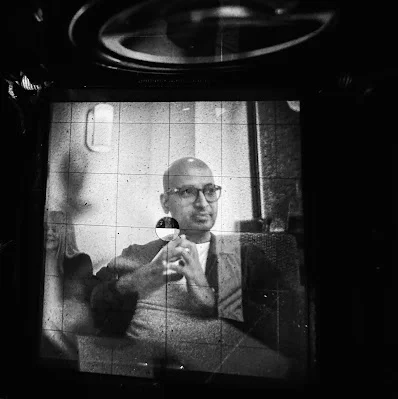
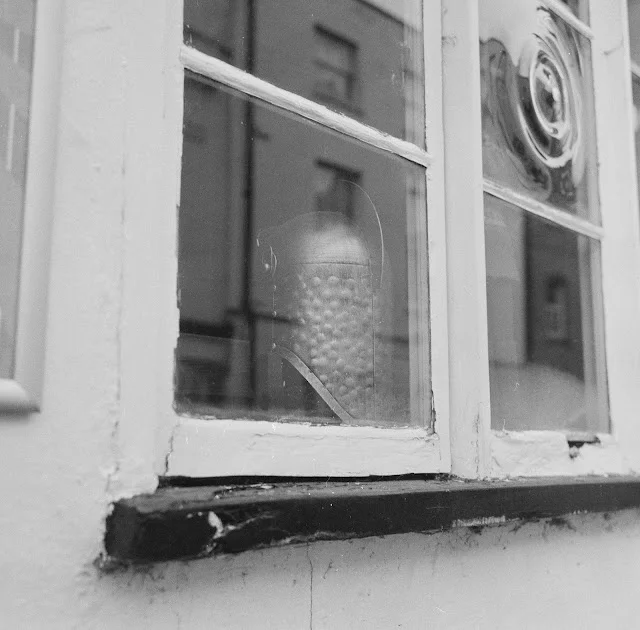
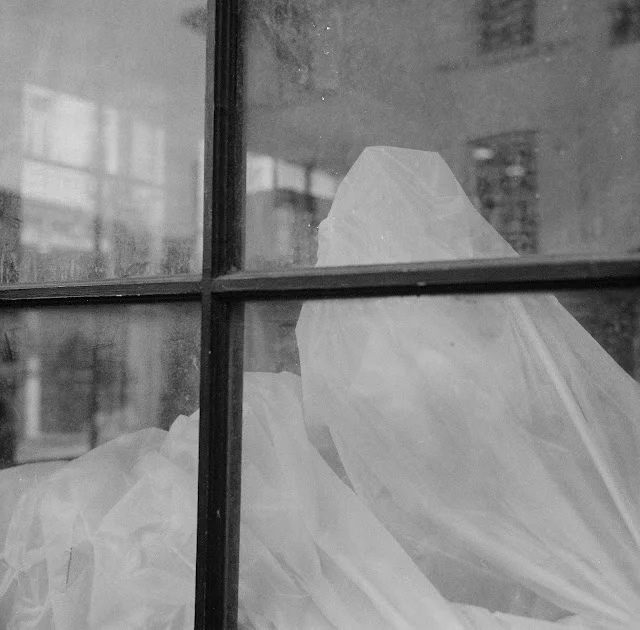
The Rollei 3.5 E2 yielded engaging results with Kentmere Pan 100 film, rewarding me with striking high-contrast black-and-white images, a characteristic I prefer in film photography.
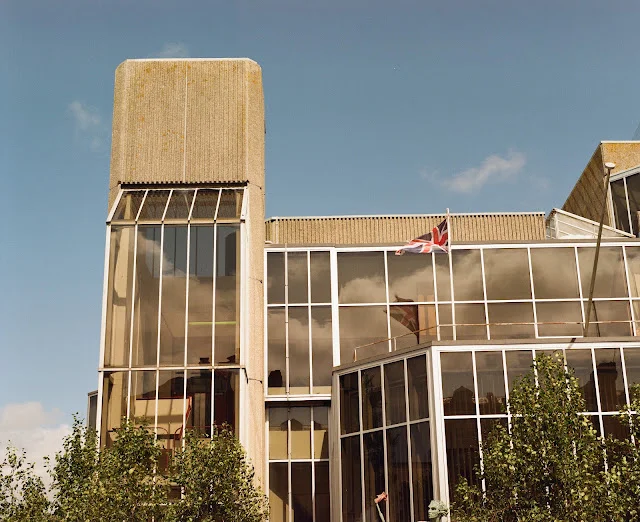
The Rollei 3.5F Planar, my most frequently used option, balances performance with portability, making it ideal for travel. Utilizing various lens configurations provided versatility while honoring the camera's excellent optical quality.
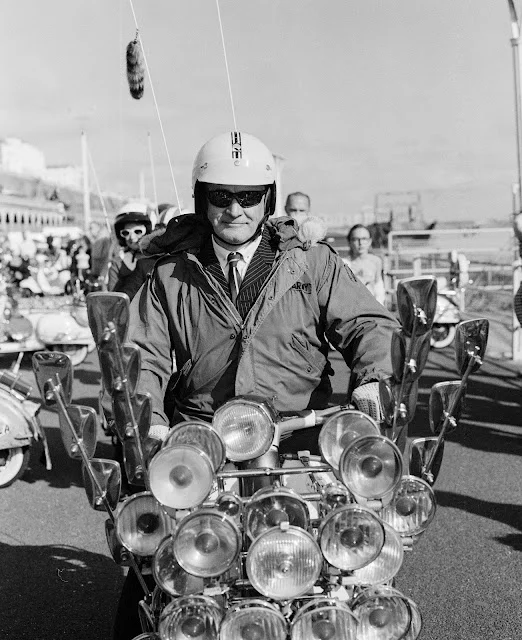

I captured both black-and-white and color images, the latter with expired Kodak T-Max 400, presenting visuals that embody the richness of TLR shooting.
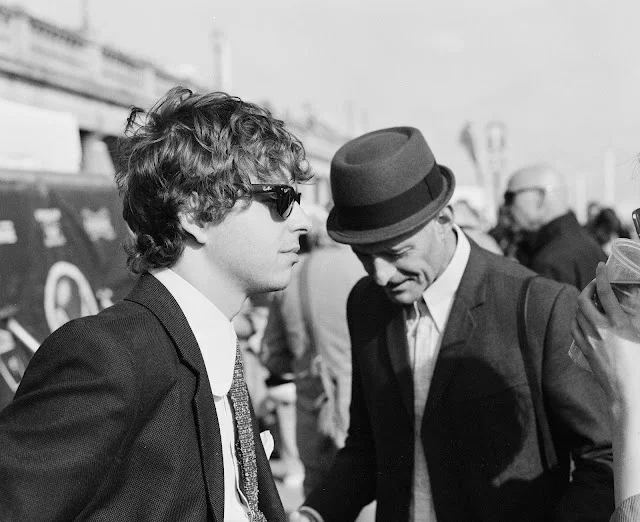
In wrapping up this exploration through medium format cameras, I found each of these devices—Pentax 67, Kiev 88, Kiev 60, and Rollei 3.5s—offers distinct capabilities, drawing me deeper into the art of film photography. While my relationship with these cameras evolves, they each inspire a unique approach to capturing imagery that resonates across various genres.
For a visual collection showcasing these developments, check out my work, including all project photos, on my Flickr album.
Thank you for following my photographic journey.
Nick