How the iPhone 16 Pro Max Challenges Traditional Cameras for Serious Photographers
| Shelf | Cameras & Lenses |
|---|---|
| Date in | |
| Readers | 966 |
The iPhone 16 Pro Max redefines smartphone photography, showcasing features and image quality that prompt reevaluation of its role among professional cameras.

As an avid photographer with an extensive collection of high-end cameras, I have historically regarded mobile photography as more of a backup solution rather than a primary tool for serious work. However, the iPhone 16 Pro Max has emerged as a contender that challenges this perception.
Advancements in Mobile Photography
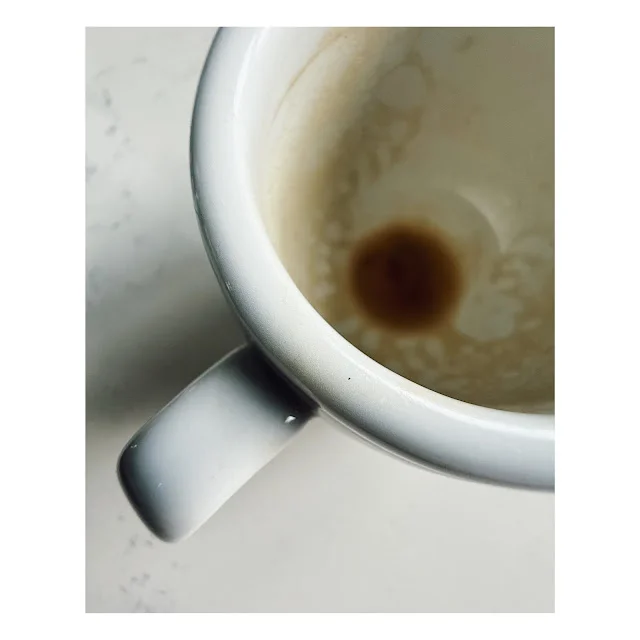
Over the past few years, smartphone cameras have undergone significant improvements. Their essential advantage? They're always with you. You don't have to deliberate on whether to bring a camera because it's already in your pocket, ready to capture spontaneous moments. Whether at sporting events or simply on the streets, the anonymity of using a smartphone camera allows for more candid photography, often without the scrutiny that comes with traditional cameras.
Convenience and Practicality
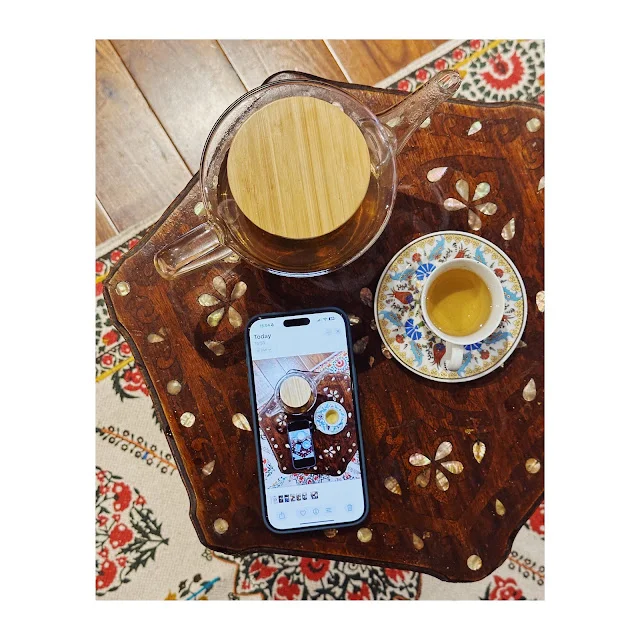
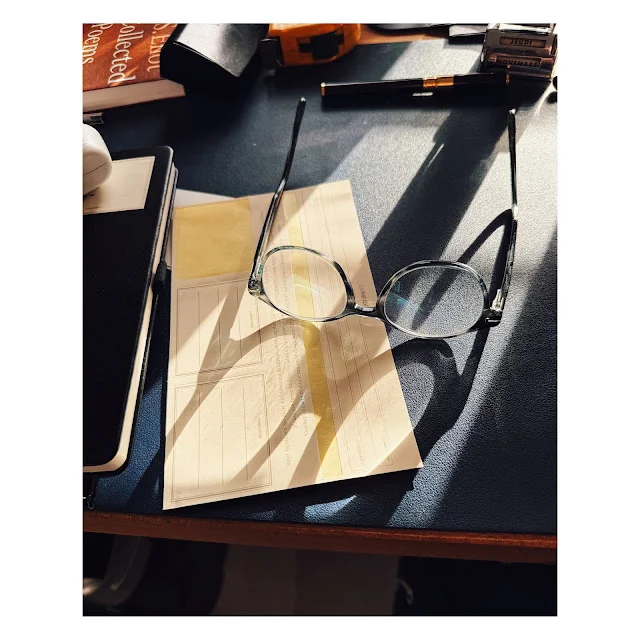
The photographic flexibility offered by smartphones makes everyday photography incredibly convenient. The ability to take macro shots, edit, and instantly publish photos all on one device enhances the experience. While typically viewed as secondary to professional cameras, this convenience level places smartphones in a unique category.
Limitations of Previous Smartphone Cameras
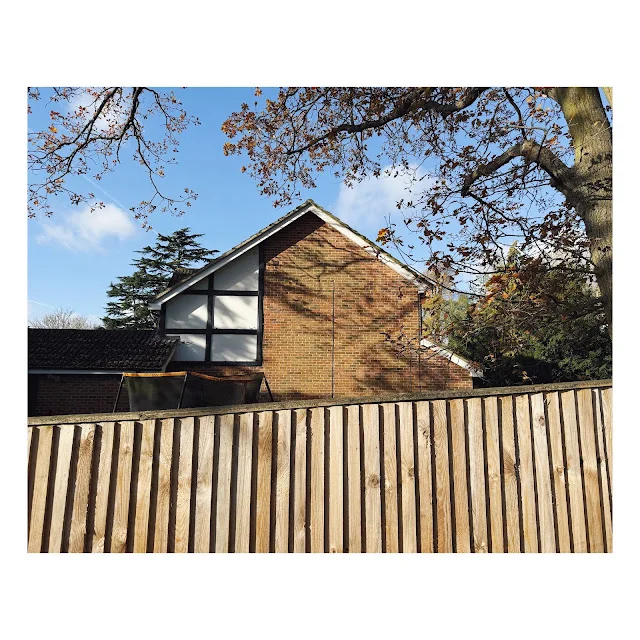
Despite their growing capabilities, smartphones have limitations. The small sensors typically found in phone cameras can result in noisy images when enlarged, lacking the print quality of larger sensor cameras. Moreover, phones are fundamentally designed for viewing rather than shooting, often leading to poor ergonomics when composing shots. For these reasons, I relied heavily on my trusted cameras for serious projects.
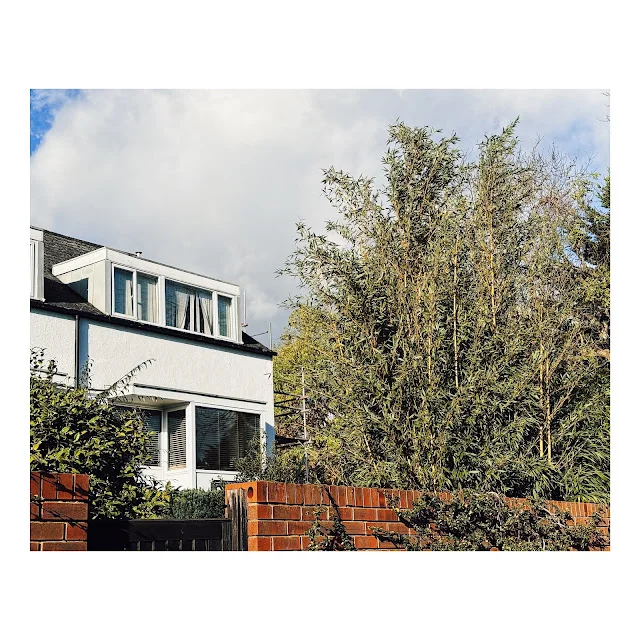
The iPhone 16 Pro Max: A Game Changer
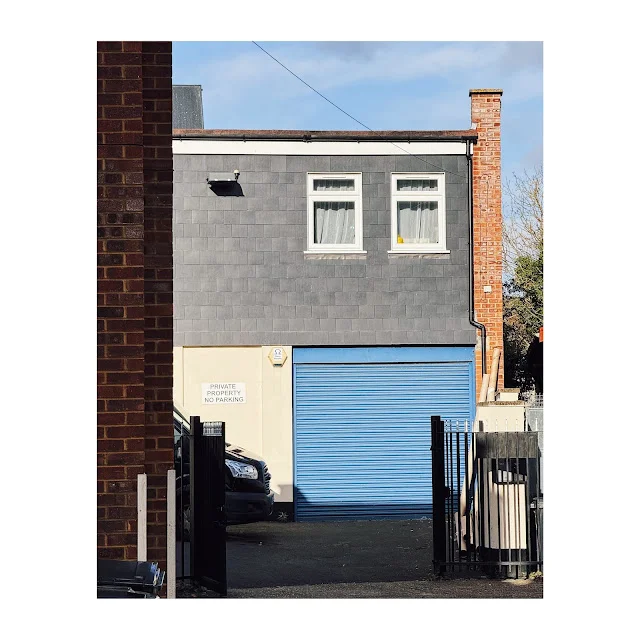
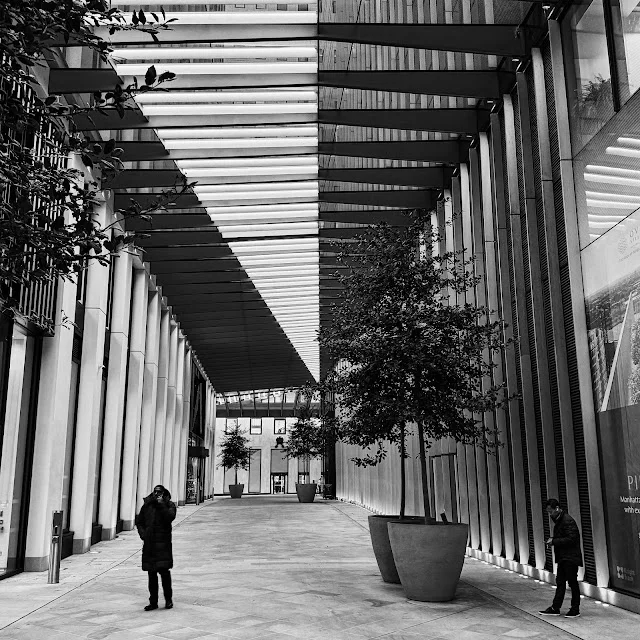
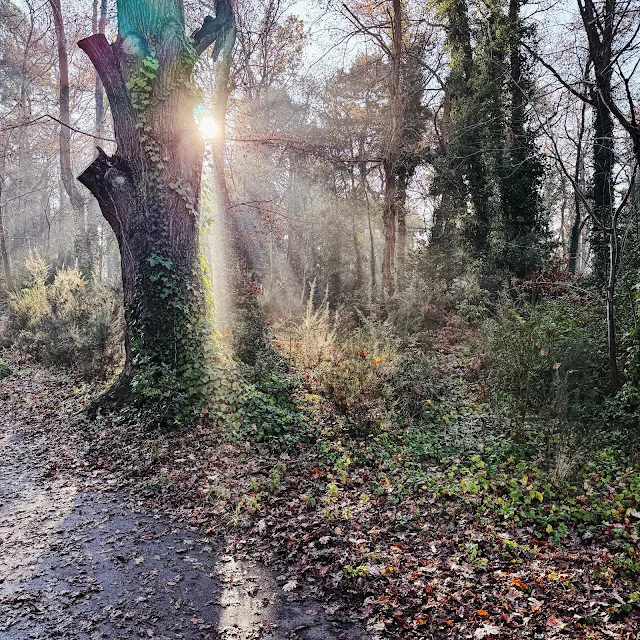
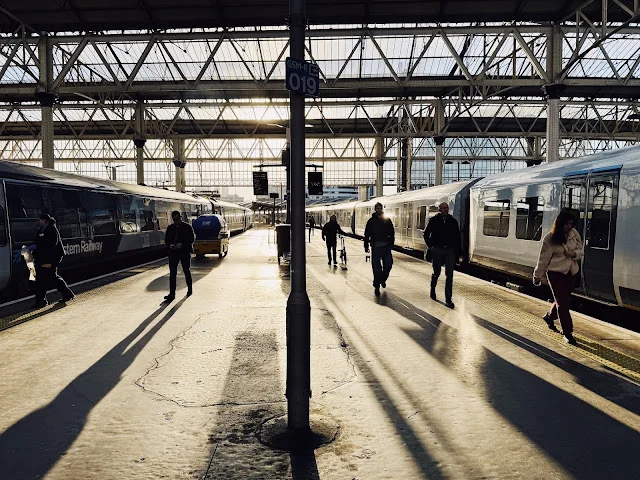
Having recently upgraded to the iPhone 16 Pro Max, I've begun to reconsider my stance. Although it retains a small sensor, improvements in sensor design and AI technology have resulted in a surprisingly low level of noise and a substantial reduction in highlight blowout—a common issue with earlier phone cameras. The clarity and detail I’ve experienced with the 48-megapixel sensor have been impressive, making it a viable option for capturing good-quality images, albeit with caveats regarding large prints.
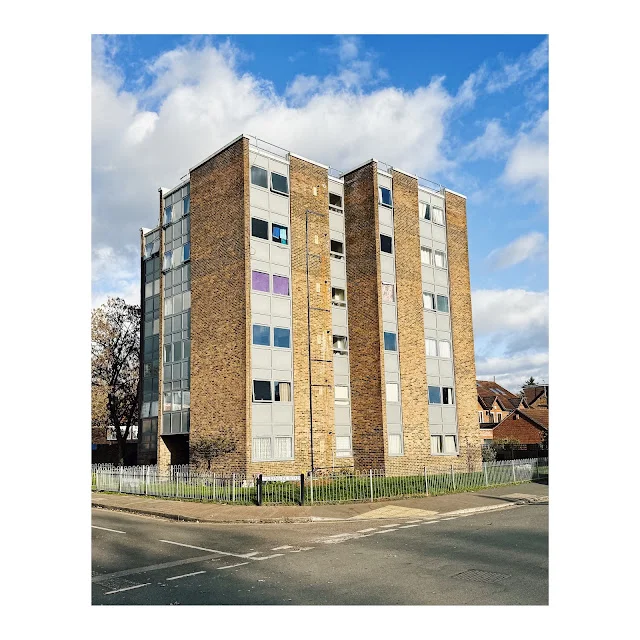
A Unique Lens Configuration
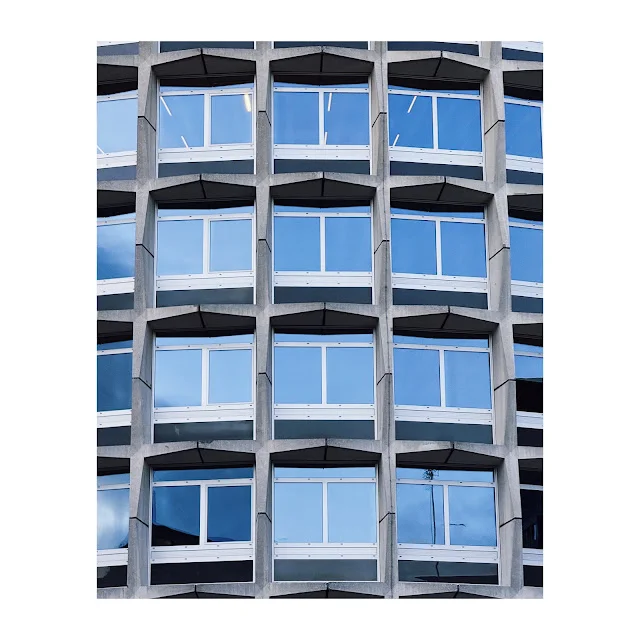
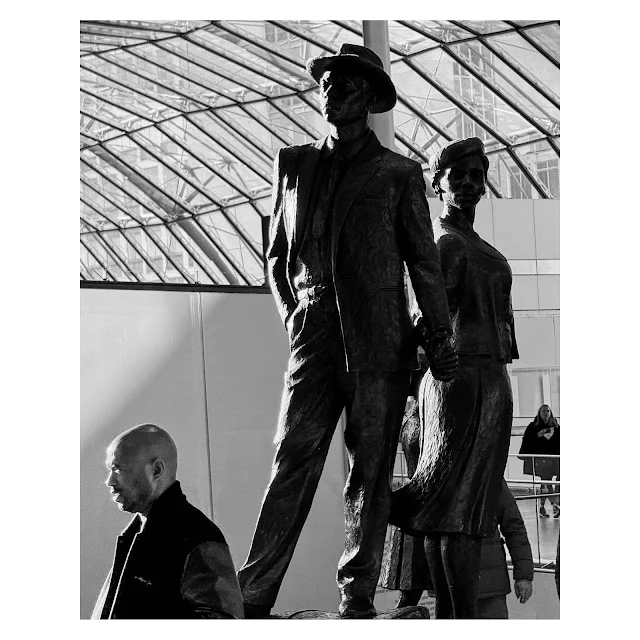
This smartphone features three distinct lenses: a standard 24mm equivalent f/1.8, a super wide 13mm equivalent f/2.2, and a 5x telephoto lens at 120mm f/2.8. The shift from standard to super-wide and then to telephoto is notably broad, but I’ve found it offers great versatility. The 24mm lens is remarkable for street photography, while the 120mm lens has proven surprisingly useful for portraits and architectural shots—qualities typically reserved for larger, heavier equipment.
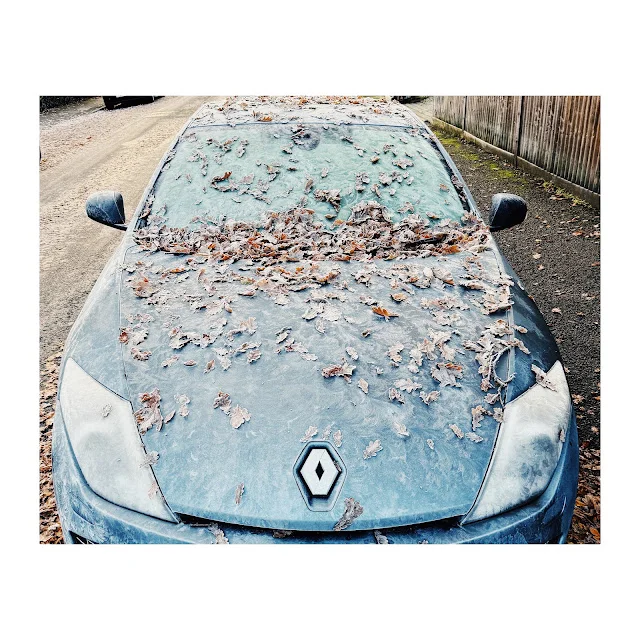
Using the Telephoto Lens
Initially skeptical, I quickly recognized the utility of the telephoto lens. It allows for tight shots without the bulk of traditional equivalent lenses. Additionally, the digital zoom feature enables a near-standard focal length of 48mm, providing perfect usability for general photography. Critics may point to the reduced megapixel count of the telephoto (12MP) as a downside, but for everyday use, especially where cropping is minimal, it holds up remarkably well. Fine details remain intact, making it perfect for social media sharing and casual prints.

Control and Performance Features
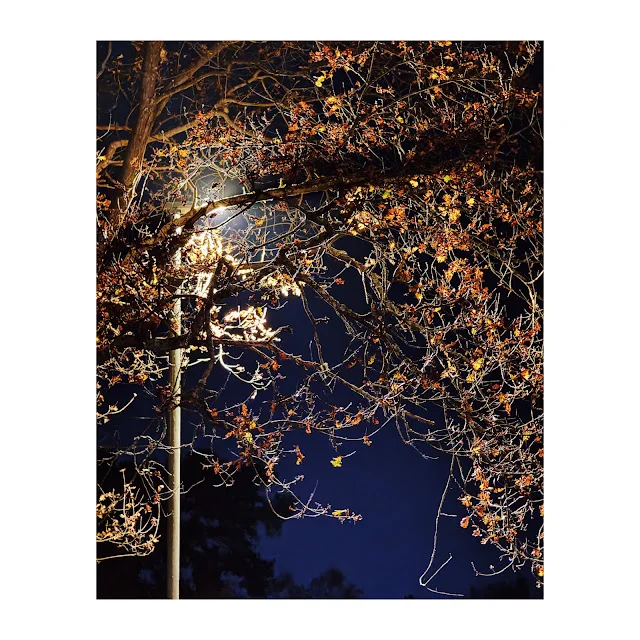
The iPhone 16 Pro Max does include improvements such as a dedicated camera button, resulting in quicker access and a more tactile shooting experience, akin to traditional cameras. The expansive screen provides a first-rate viewfinder experience, enabling precise composition. In low-light environments, the night mode performs exceptionally well, merging multiple exposures to create well-lit, high-quality images—an area where many traditional cameras lag behind.

Conclusion: A New Perspective on Smartphone Cameras
My initial impression after living with the iPhone 16 Pro Max for two weeks is that it genuinely rivals my other cameras, though it does not replace them. Each camera serves its unique purpose—my film and digital DSLRs still excel in specific conditions and larger print applications. The sensor and lens systems of my Leica and Fuji cameras will always outperform an iPhone, especially in nuanced scenarios.
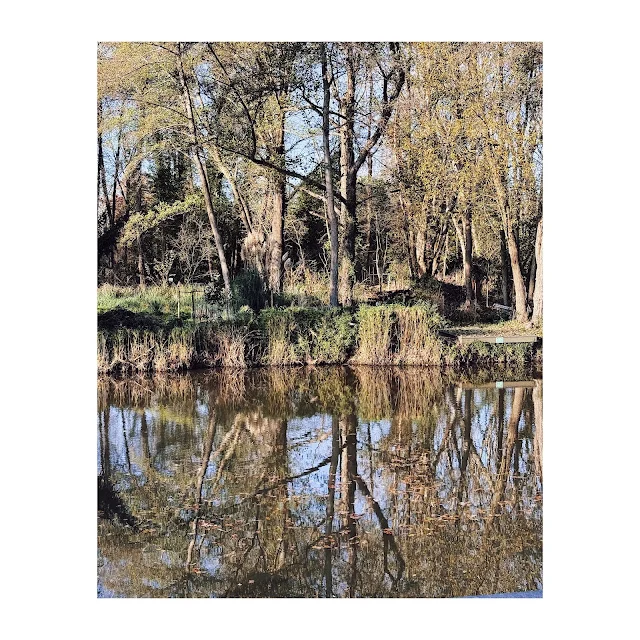
Yet, the convenience, quality, and versatility of the iPhone 16 Pro Max make it a perfect second camera, especially for travel. I am embarking on a trip to the Middle East and have decided the iPhone 16 will supplement my Leica Q2—without the hassle of carrying extra gear. If you’re someone who appreciates the ease of photographing wherever you go, the latest iPhone stands out as an exemplary tool.
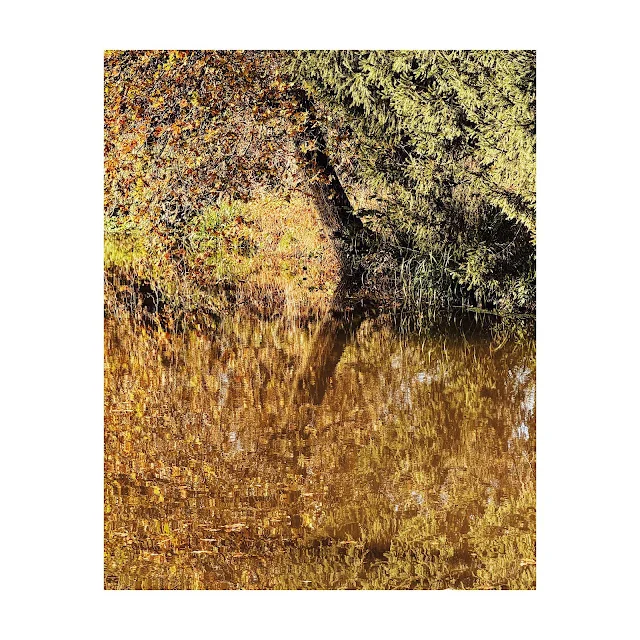
As smartphone photography evolves, the iPhone 16 Pro Max has taken significant strides, proving itself capable and compelling. For enthusiasts eyeing a portable yet powerful camera, this device is hard to beat, and I look forward to exploring all its potential in upcoming projects.
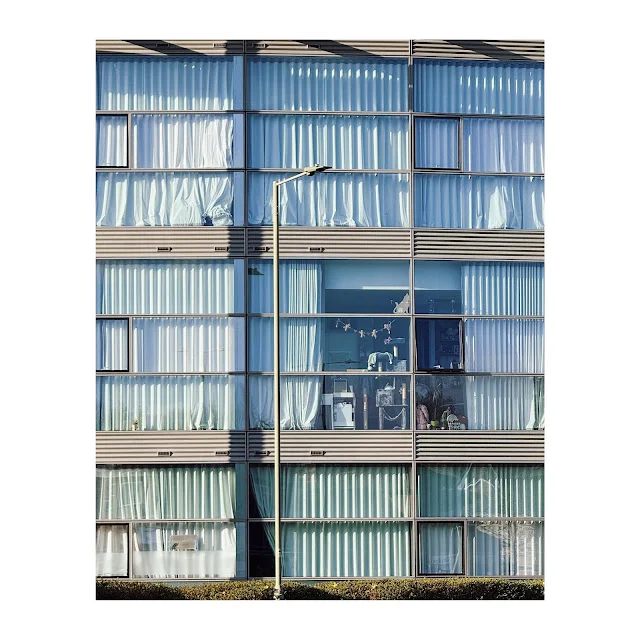
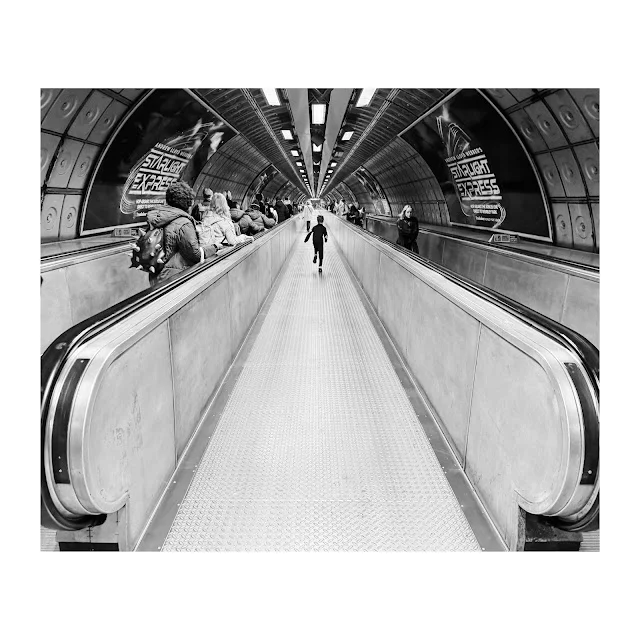
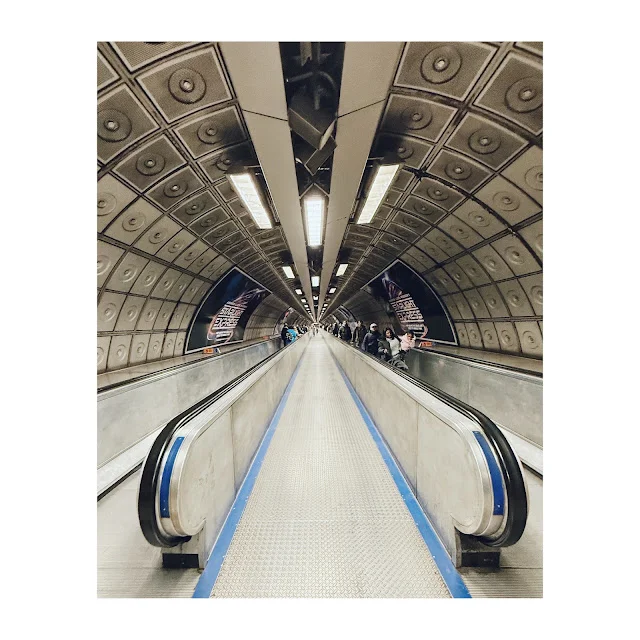
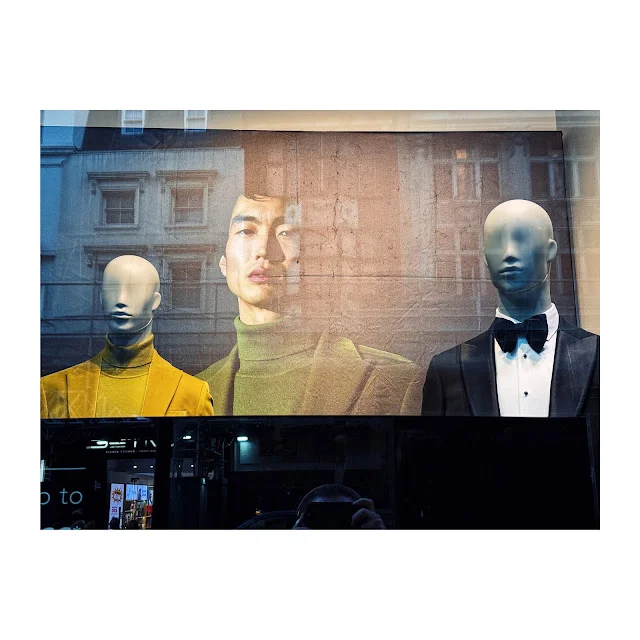
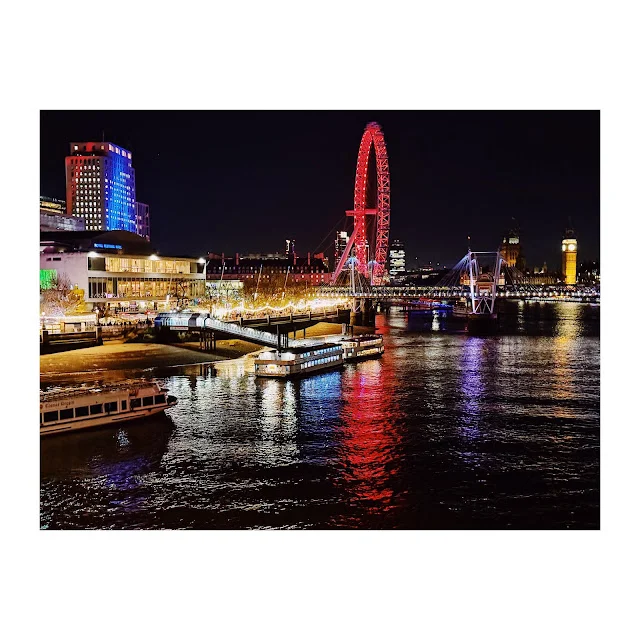
If you're interested in the quality of photos from my initial two weeks with the iPhone 16, I invite you to check out my Flickr album, featuring 122 pictures that showcase this new camera's capabilities.