Exploring Medium Format Cameras: A Look at the Mamiya 6, Pentax 645, Plaubel Makina, and Pentacon 6
| Shelf | Cameras & Lenses |
|---|---|
| Date in | |
| Readers | 854 |
Dive into the features and experiences of four medium format cameras: Mamiya 6, Pentax 645, Plaubel Makina, and Pentacon 6, highlighting their strengths and weaknesses.

Camera Five: Mamiya 6
A Closer Look at the Mamiya 6
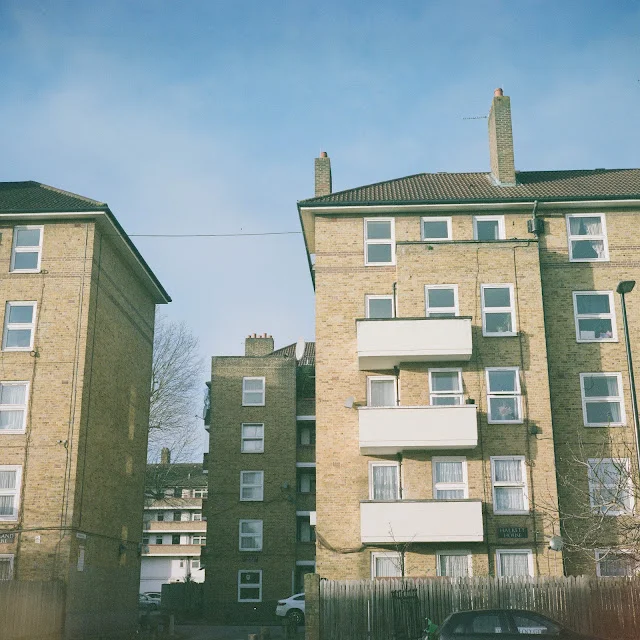
The Mamiya 6 is a 6x6 medium format rangefinder esteemed for its compact design, positioning it as an excellent choice for travel photographers who value portability without compromising on image quality. With an interchangeable lens system, this camera allows photographers to adapt to various shooting situations, demonstrating remarkable versatility with different film stocks. Photographers have noted distinct tonal range and sharpness in the images taken using this model, underscoring its performance across diverse scenarios.
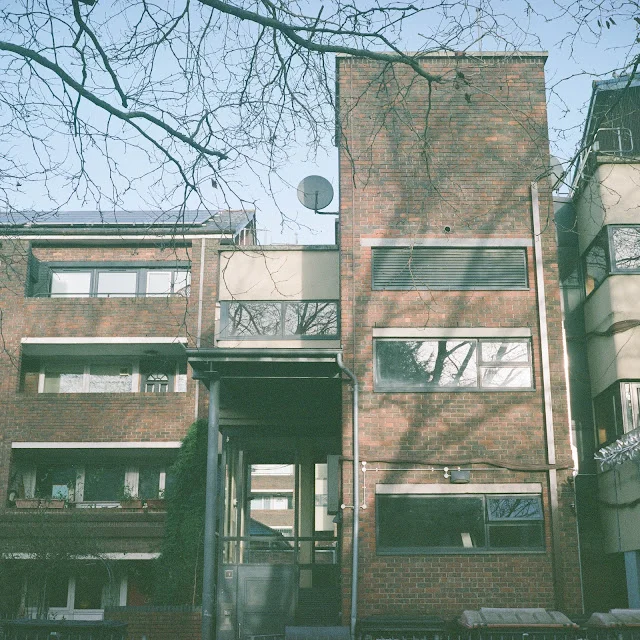

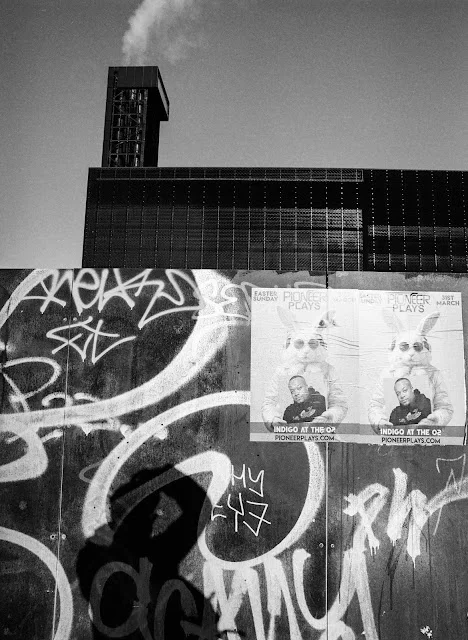
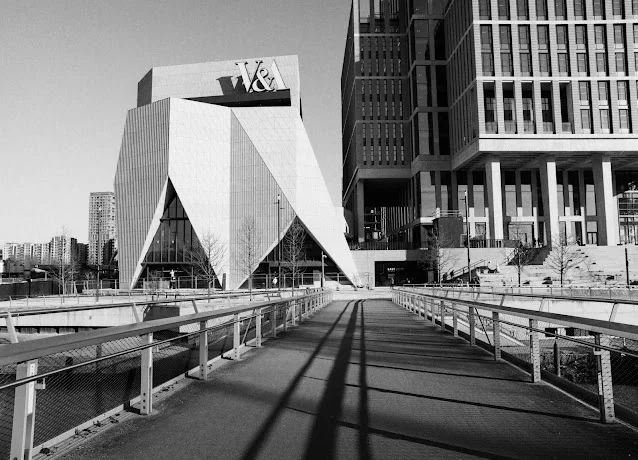
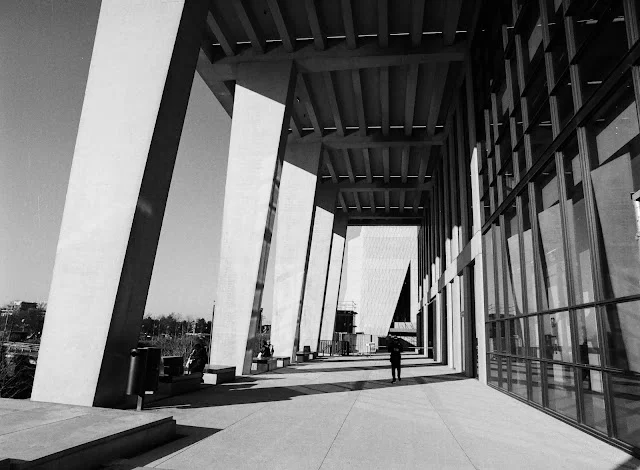
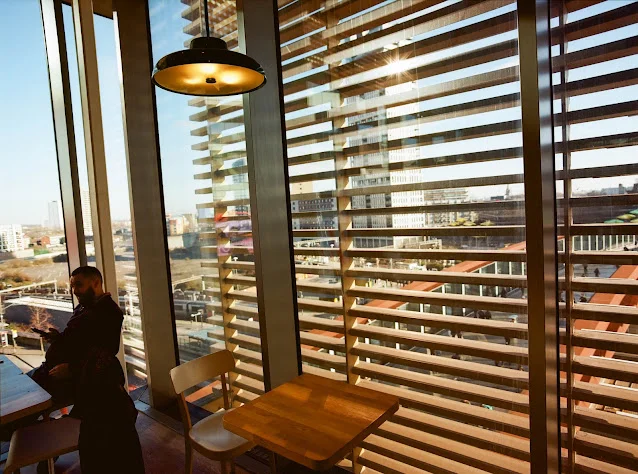
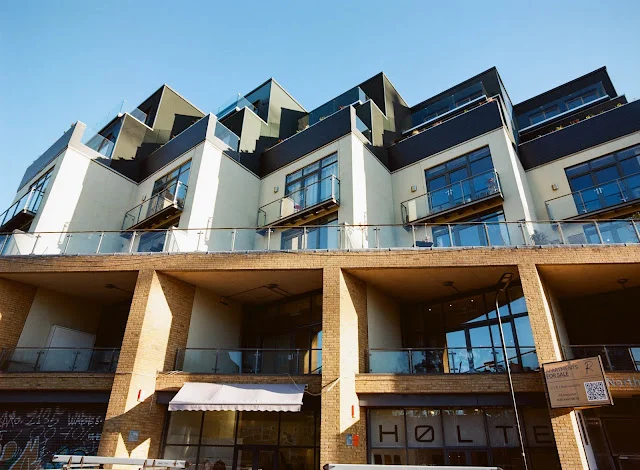
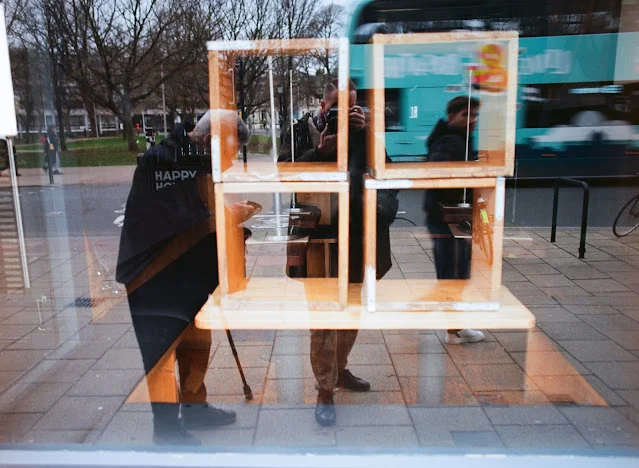
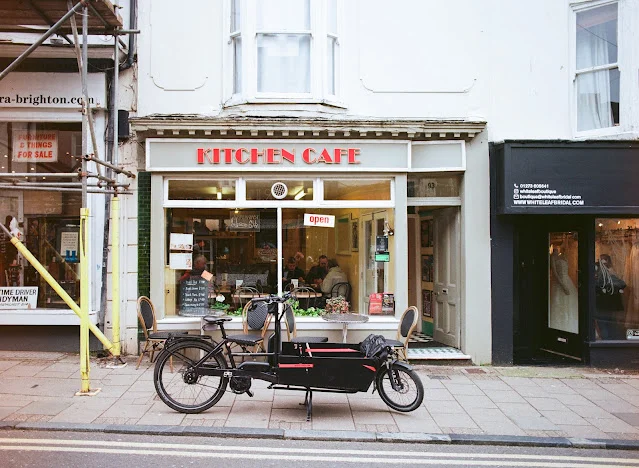
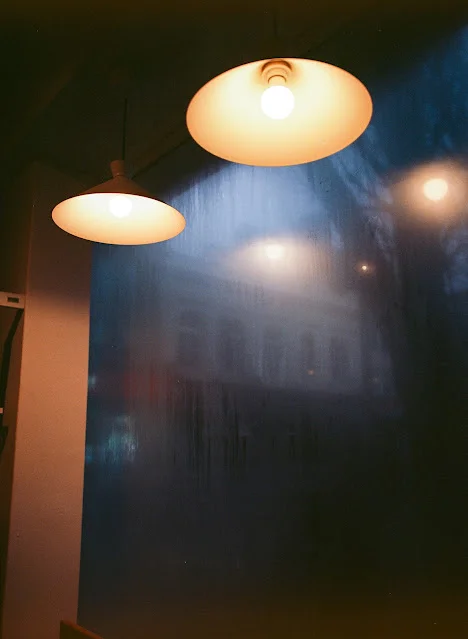
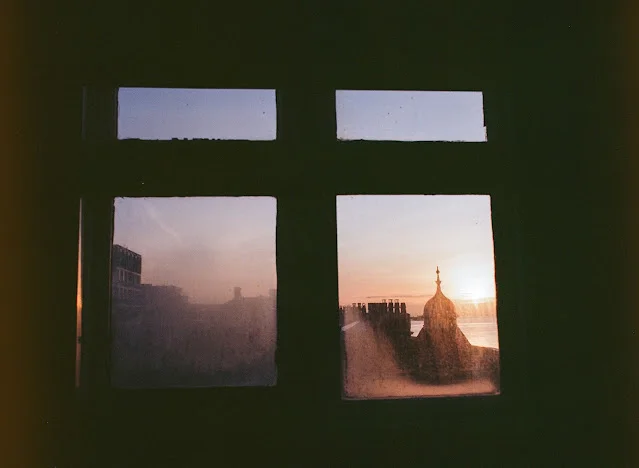
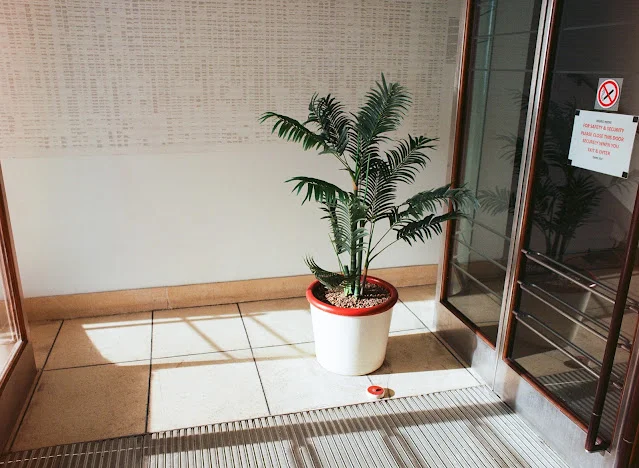
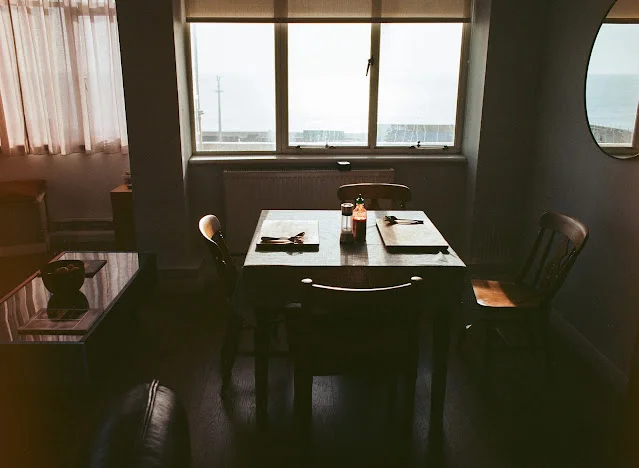
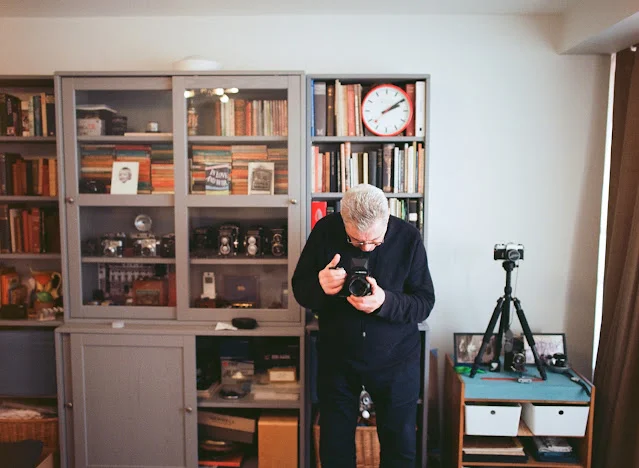
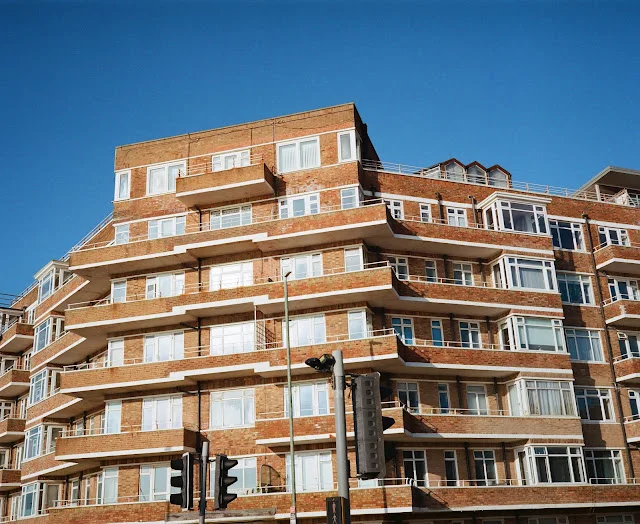
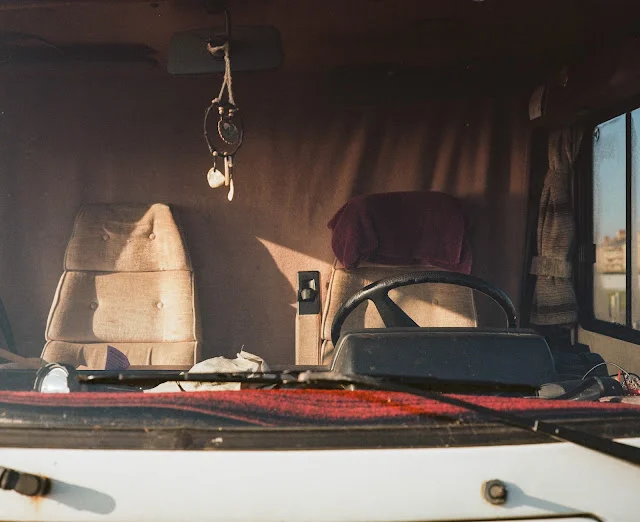
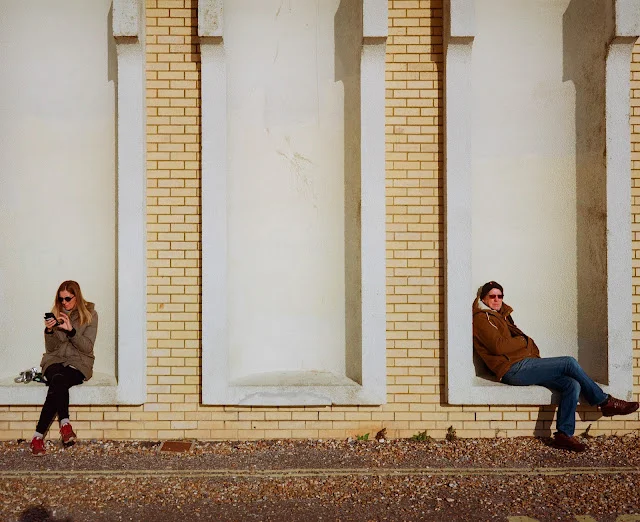
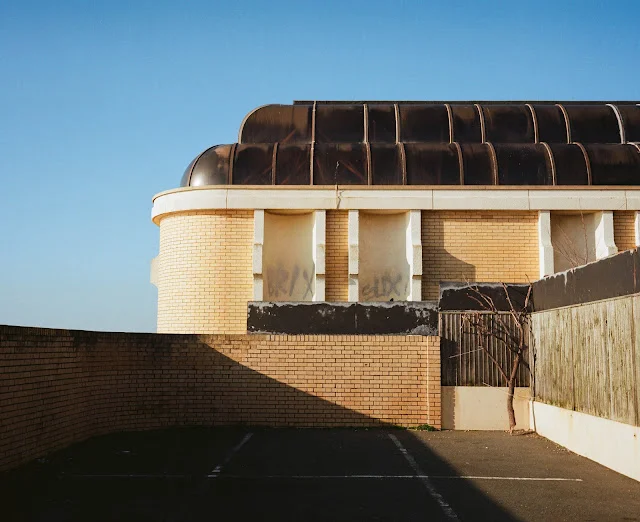
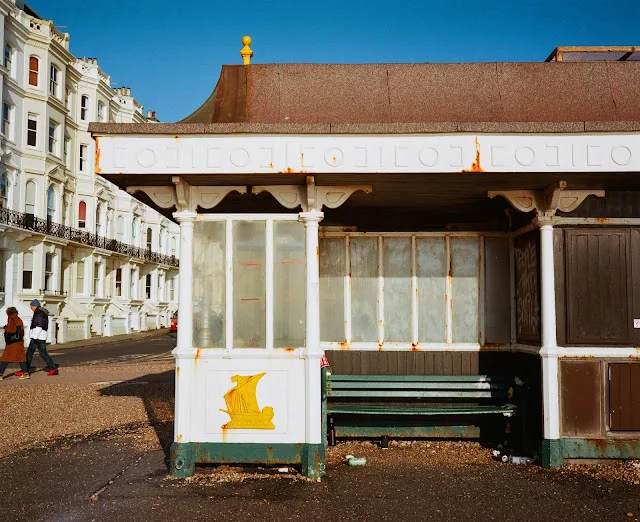
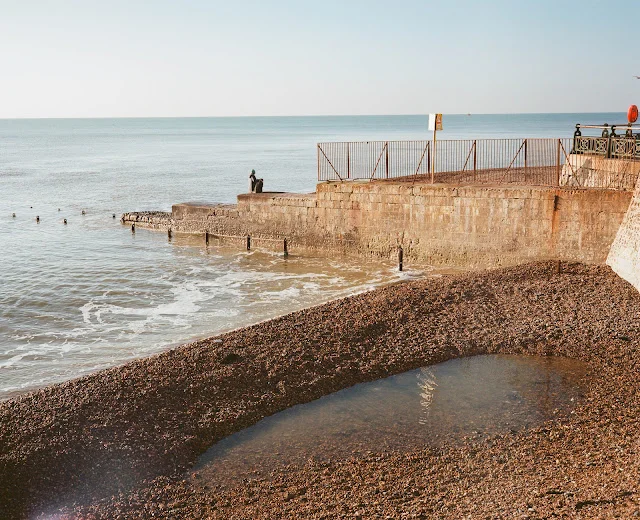
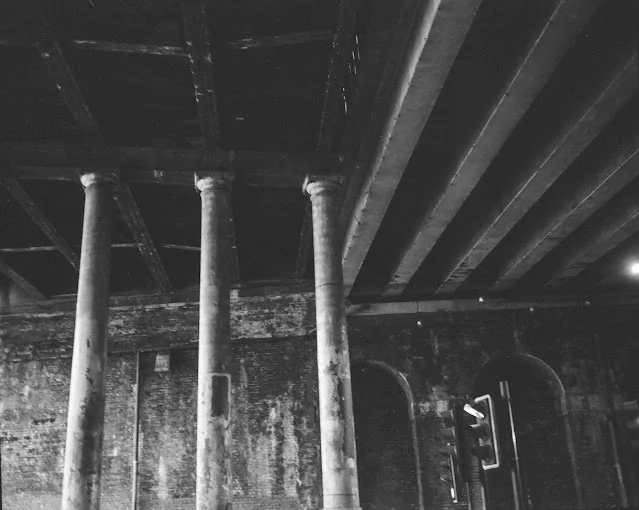
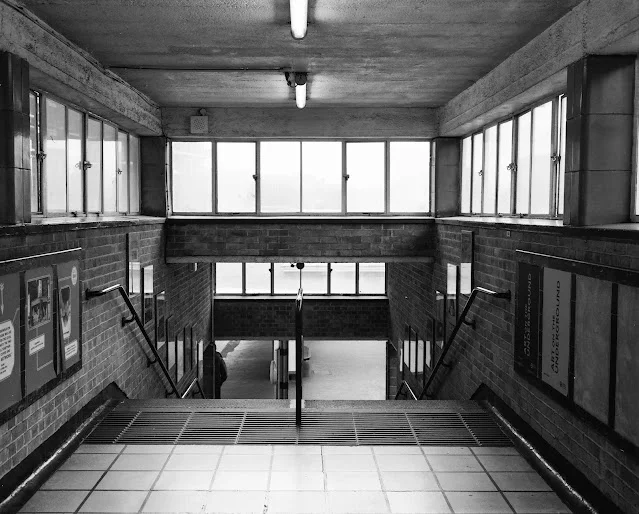
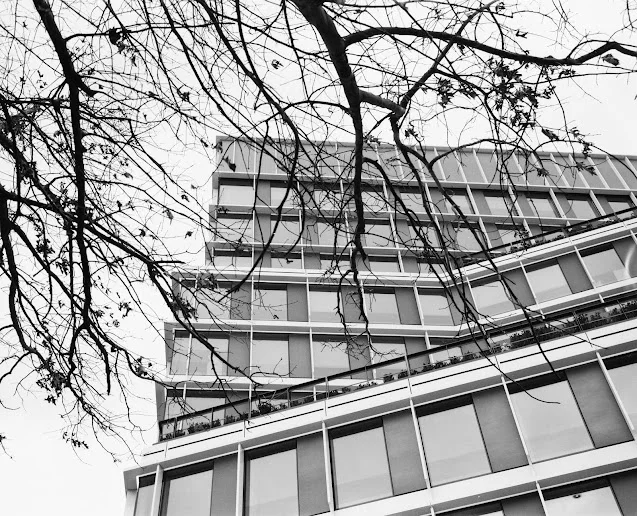
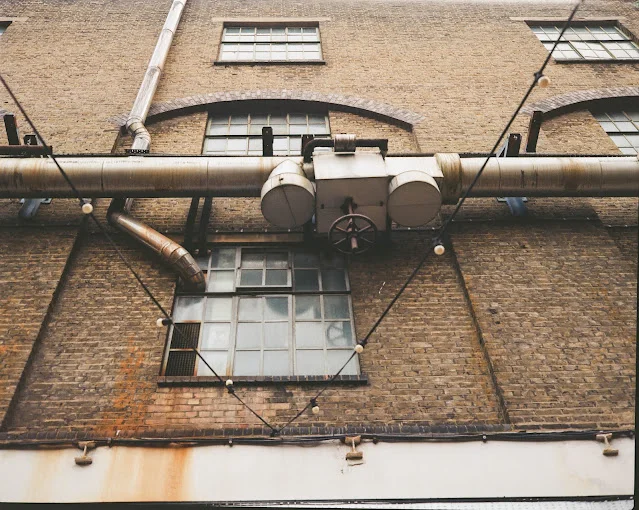
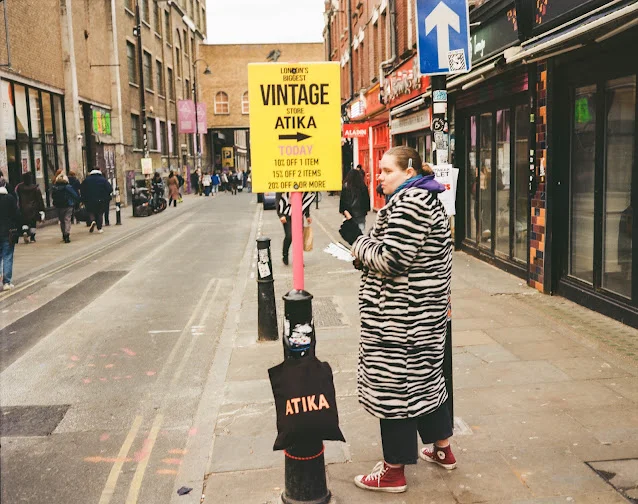
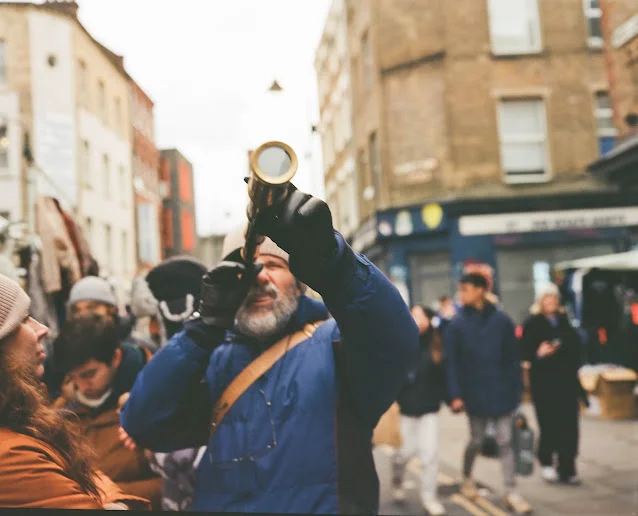
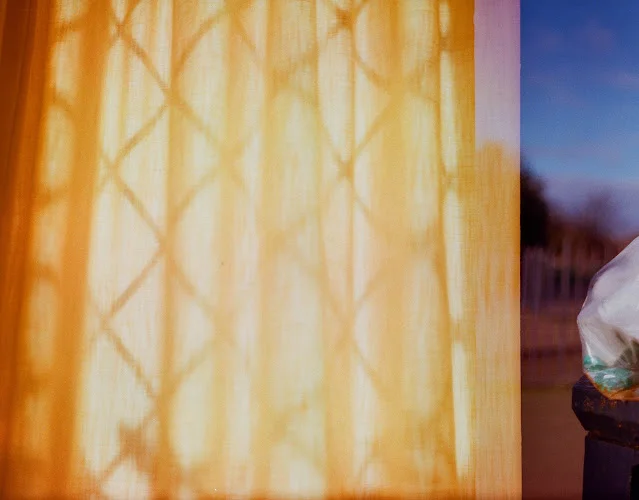
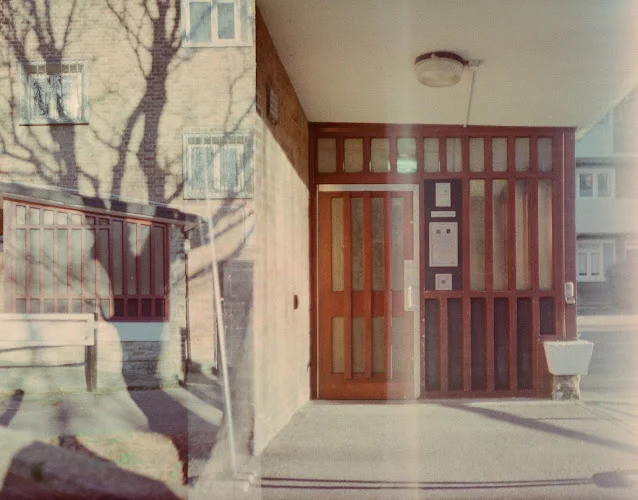
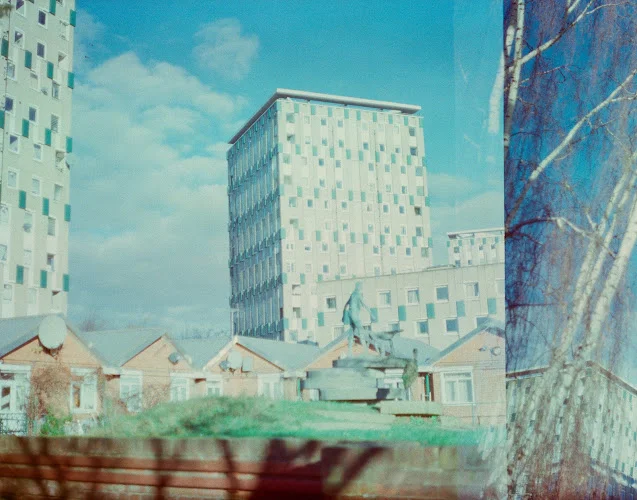
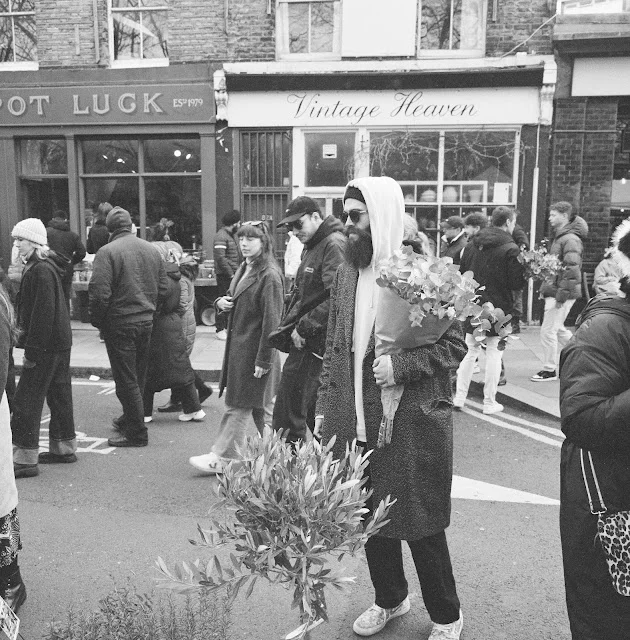
Above: A collection of images captured with the Mamiya 6 using various films, showcasing its versatility.
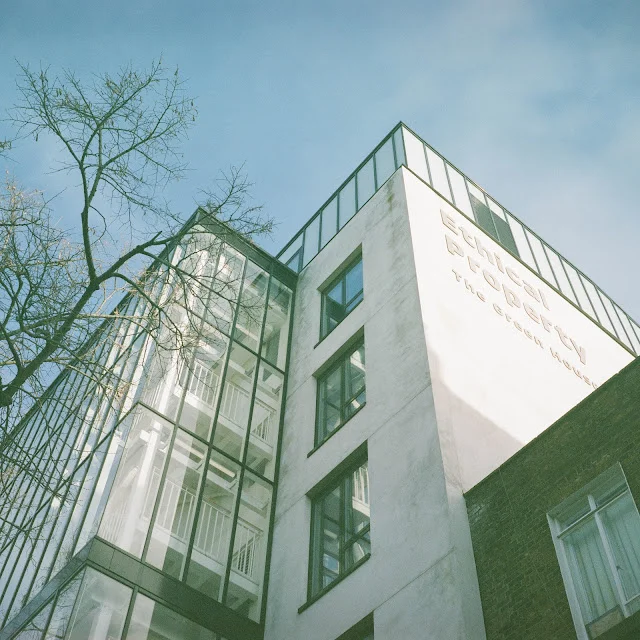
Initially equipped with a standard 75mm lens, the Mamiya 6 was used with Fuji Provia film for early shots. This combination produced crisp and vibrant results, ideal for capturing the subtleties of different environments. As the project progressed, the photographer shifted to a wide-angle 50mm f4 lens, which proved essential for architecture photography, paired with Kodak Tri-X 400 film. The shift in lenses not only widened compositional options but also enhanced the dynamic range of the photographs. When it came time for detailed portraits, the telephoto 150mm f4.5 lens paired with expired Kodak Portra 400 created stunning renditions of the subjects, showcasing the camera’s adaptability in both technical and aesthetic dimensions.
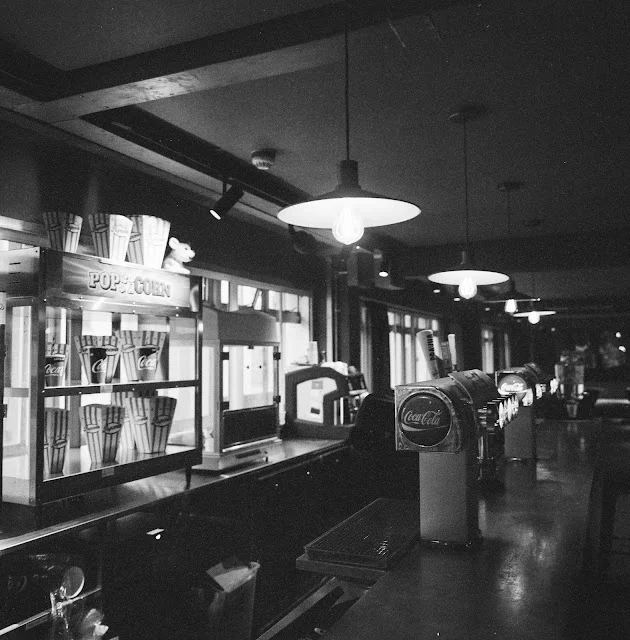

The Mamiya 6 is renowned as one of the best all-around medium format cameras. Photographers particularly favor it for travel due to its lightweight, compact design and retractable bellows. This configuration not only enhances portability but also reduces the camera's footprint in a packed bag. It presents a reliable option for photographers seeking a lightweight system, which is increasingly valued in an age where every ounce counts when traveling.
Camera Six: Pentax 645
Initially gifted to the writer over a decade ago, the Pentax 645 reveals a blend of charm and complexity. This camera brings a mix of nostalgia, as it evokes memories of early photography endeavors, yet it also presents technical challenges that can deter users. Its robust structure and versatile lenses, mainly the standard 75mm f2.8 and telephoto 150mm f3.5, have captured stunning images across various film types.


After retrieving the camera from a long hiatus, issues soon arose due to corrosion from old batteries, a problem that many aging electronic cameras encounter. While the inconvenience of battery replacement can be frustrating, the camera produced remarkable results under its lens capabilities at its best. However, the reliance on electronic functions can disrupt the user experience dramatically, creating moments of uncertainty during important shoots. A new grip addressed some of these issues, yet the need for reliability was such that a second Pentax 645 was eventually acquired to guarantee performance. Fortunately, the used market offers these cameras at appealing price points compared to other medium format systems, making it a practical option for photographers.

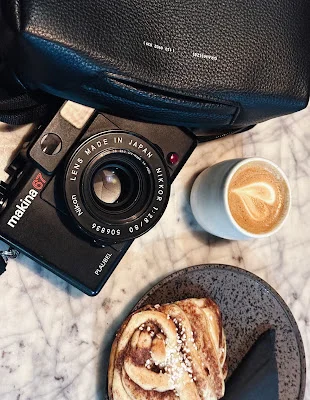
Camera Seven: Plaubel Makina
The Plaubel Makina, with its unique folding design, presents an appealing alternative in medium-format photography. This camera captures images in a larger 6x7 format, endowed with a fixed f2.8 lens, allowing it to stand out in terms of image quality compared to similar models. That's impressive, to say the least.


As a travel-friendly option, the Makina folds compactly, making it a faithful companion during excursions. Its portability makes it particularly valuable for photographers who require a camera that doesn't strain their travel gear. However, user caution is advised due to the bellows system that can be susceptible to damage. (And this is the part most people overlook). Despite this vulnerability, the breathtaking large negatives produced highlight its exceptional qualities and clearly distinguish it from others in this discussion.
Camera Eight: Pentacon 6
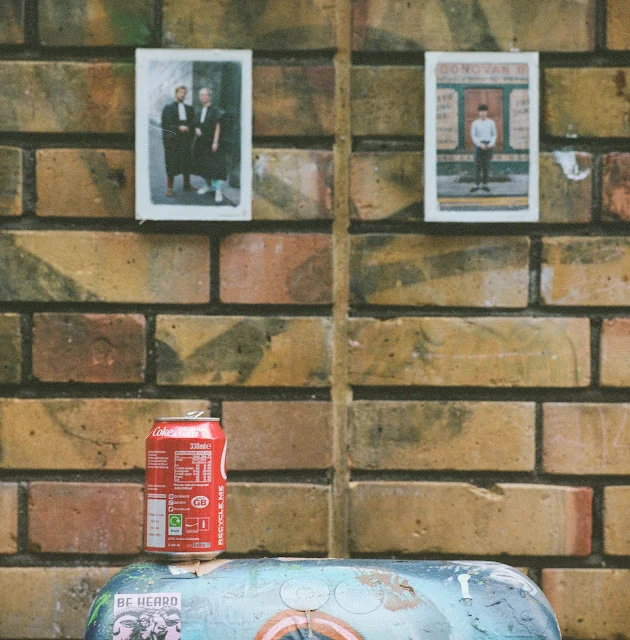
The Pentacon 6 is an enticing camera visually, boasting sturdiness and a design that appeals to many photographers. That said, it's often criticized for reliability and issues with uneven film transport, leading to a frustrating user experience. This camera's tendency to fail in advancing film properly can create overlapping images, which ultimately leads to disappointment in the photographic journey.


This camera may utilize high-quality Zeiss lenses, yet the challenges associated with the film loading and advancing system often overshadow the potential photographic rewards. Some photographers find that experimenting with accidental double exposures can yield creative results, but the risk of film wastage due to loading inconsistencies remains a significant downside. Considering all this, the Pentacon 6 may leave users questioning its overall value.
Implications and the Future of Medium Format Cameras
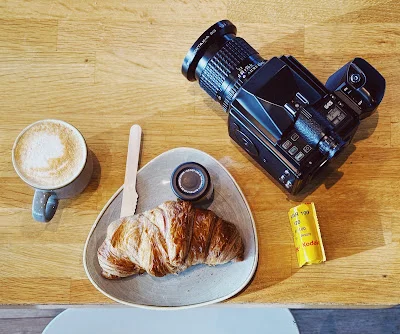
The discussion of these medium format cameras isn't just about technical specifications; it reflects broader trends in the photography world. Cameras like the Mamiya 6 and Plaubel Makina stand out due to their superior image quality and portability. This speaks to evolving demands among photographers, who are constantly seeking reliable systems that excel in various conditions. If you're working in this space, understanding the strengths and weaknesses of these models is key.
In a market that continues to pivot toward digital, film photography maintains an ardent, dedicated following. The choice of medium format cameras illustrates a significant commitment to quality over convenience. Enthusiasts continue to engage with these tools, and the implications of their use will be evident in the photographs that capture fleeting moments in time.

Thank you for exploring this series on medium format cameras! Check out the complete collection of analogue photographs taken since December 2023 in my Flickr album.