Exploring Medium Format Cameras: A Look at Four Iconic Models
| Shelf | Cameras & Lenses |
|---|---|
| Date in | |
| Readers | 386 |
Dive into the world of medium format film photography with detailed reviews of four iconic cameras, showcasing their unique features and sample images.

Camera One: Fuji GA645Zi
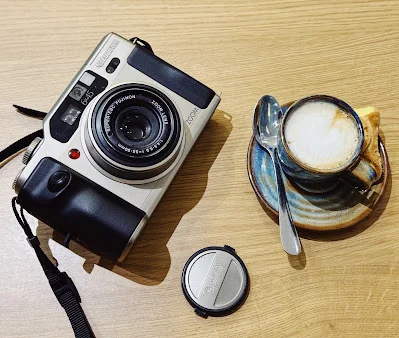
The Fuji GA645Zi stands out as a unique blend of a point-and-shoot and a professional-grade camera, largely due to its impressive features which include autofocus and a zoom lens, rare in the medium format realm. Designed during the late 1990s, this camera allowed photographers to utilize auto exposure, making it accessible for both enthusiasts and professionals alike.
Weighing under 1kg, the GA645Zi is compact for a medium format camera, which makes it convenient for travel or carrying around. The 55-90mm f/4.5-6.9 Fujinon lens provides versatility akin to a 35mm - 55mm lens on a full-frame camera. While the lens delivers exceptional sharpness, the slower aperture and minimum focus distance of just 1m can occasionally limit shooting options.
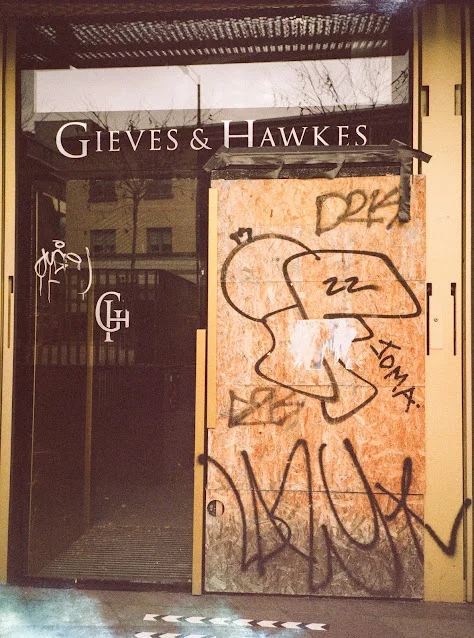
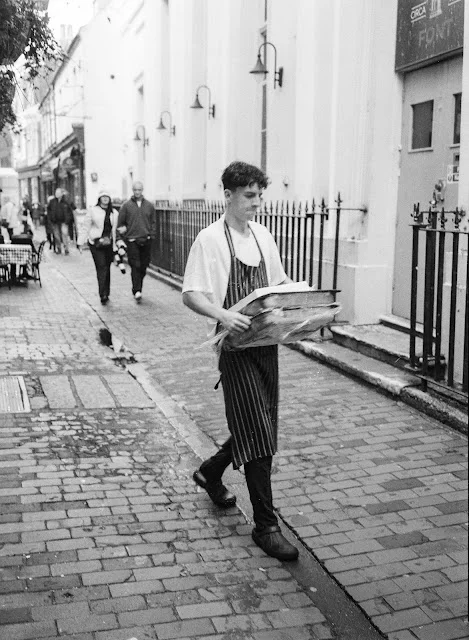
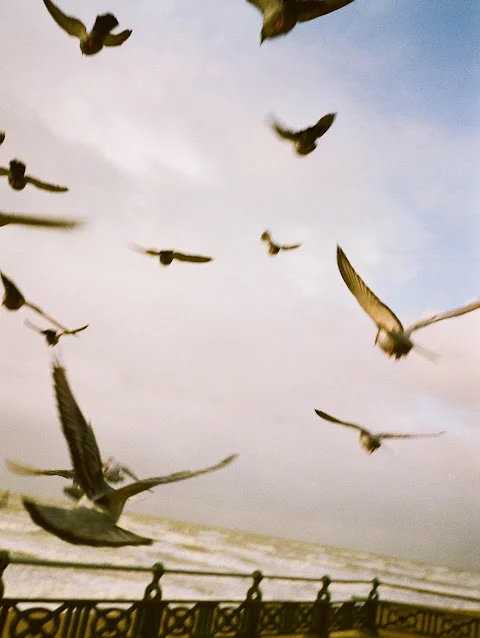
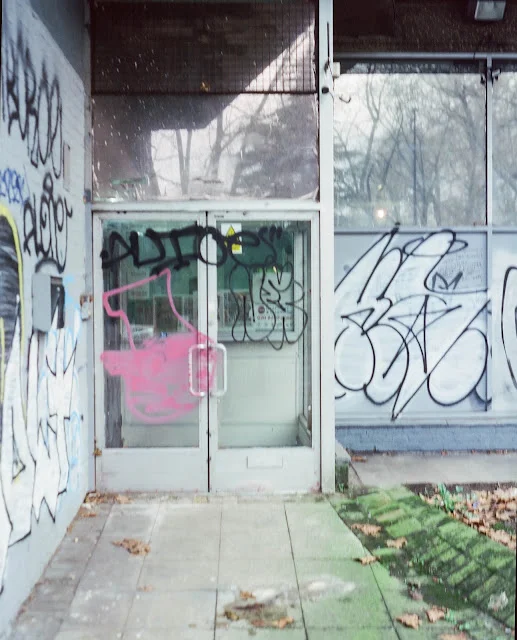
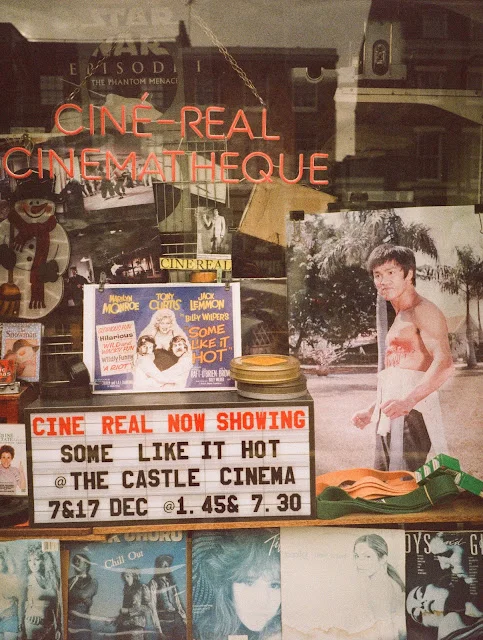
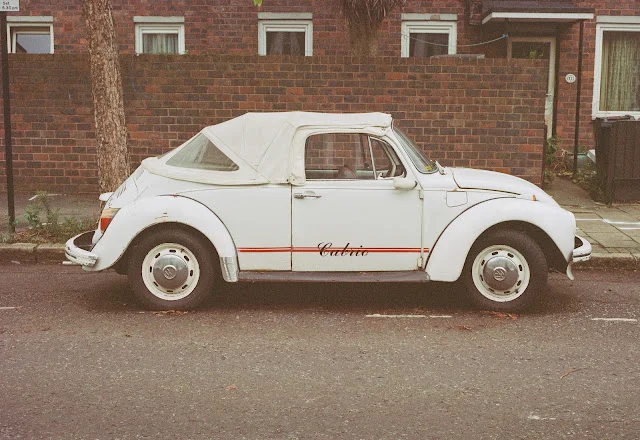
Following my recent instant photography project, I decided to try the GA645Zi with several film types: a roll of Fuji Provia 400X, expired since 2012, followed by Kodak Portra 800 and Kodak Gold 200. The results from these films highlighted the camera's ability to capture vibrant colors and detail, emphasizing its utility in various lighting conditions.
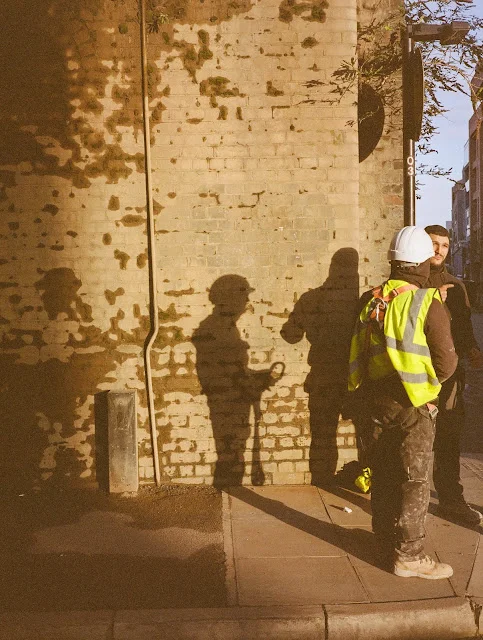
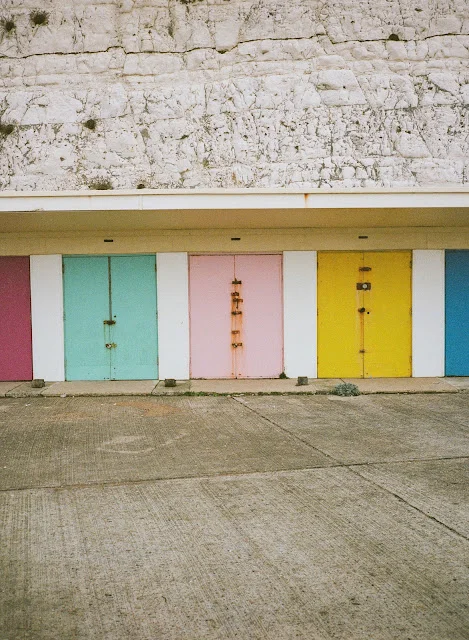
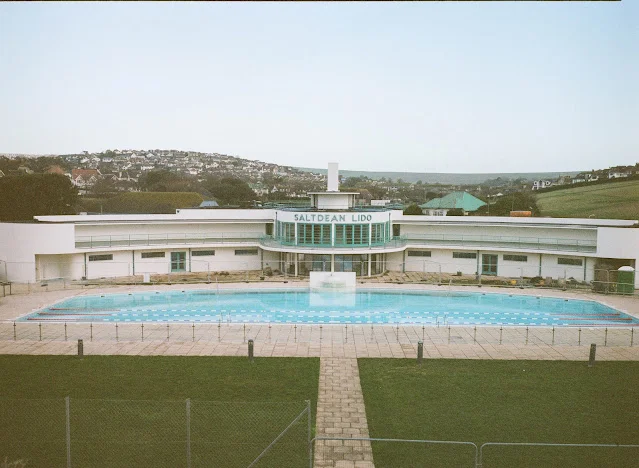
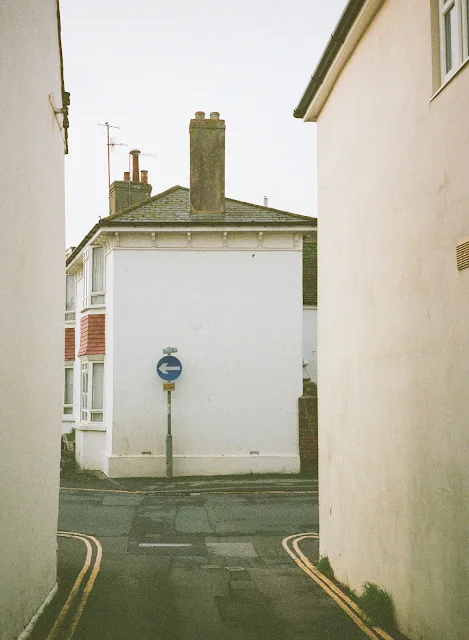
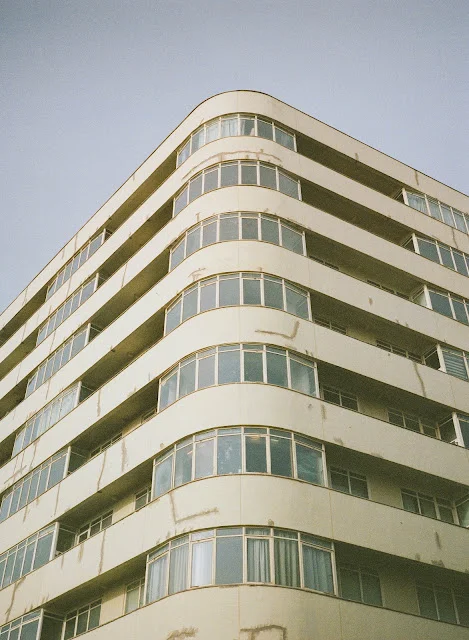
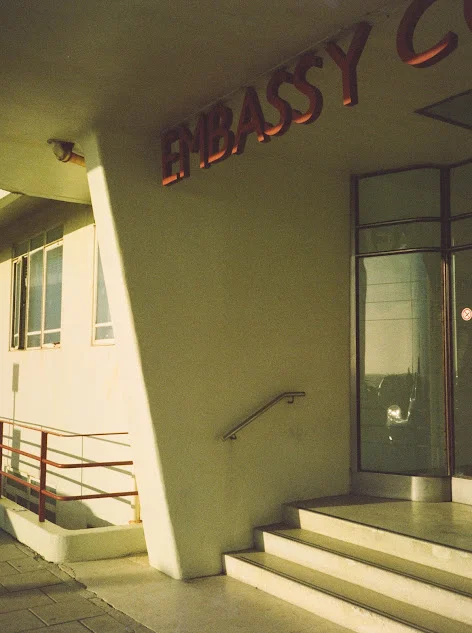
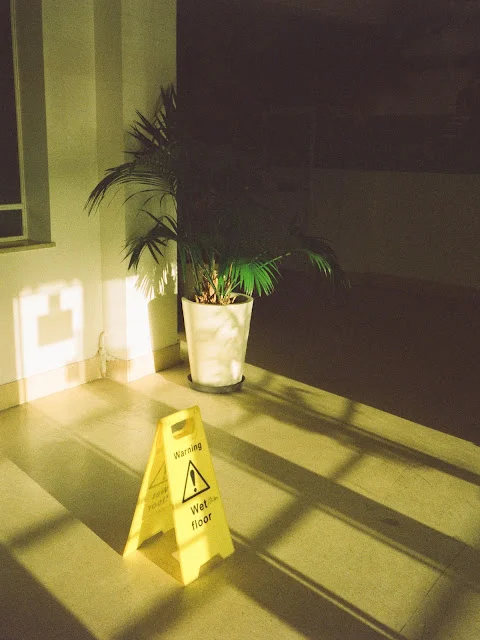
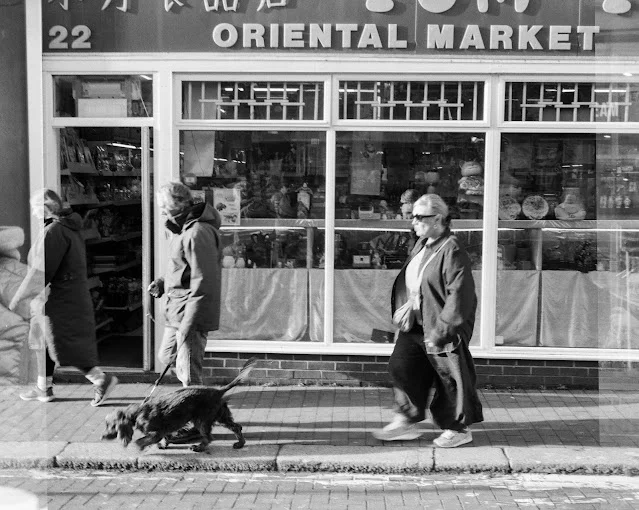
Here are some notable shots from those sessions:
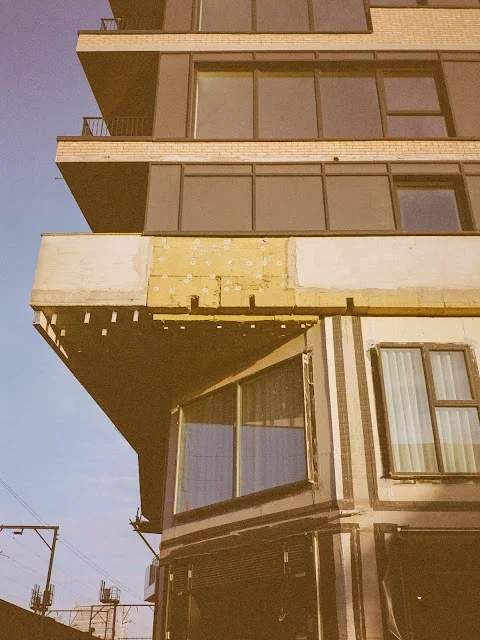

Despite its drawbacks, the GA645Zi remains one of the more user-friendly options for medium format, especially with its functional built-in flash. It truly exemplifies the final days of film camera production in Japan.

Camera Two: Mamiya Universal
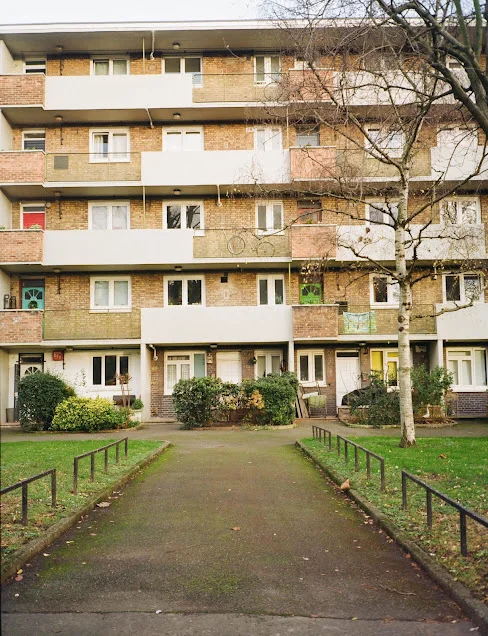
Transitioning to a heftier camera, the Mamiya Universal is notable for its versatility. This 6 x 9 format camera is a system rangefinder, compatible with various backs and exceptional lenses. Although heavy and cumbersome to carry, it offers incredible image quality with large negatives. Over the years, I've acquired several lenses and backs, allowing me to tailor my setup based on the shoot requirements.
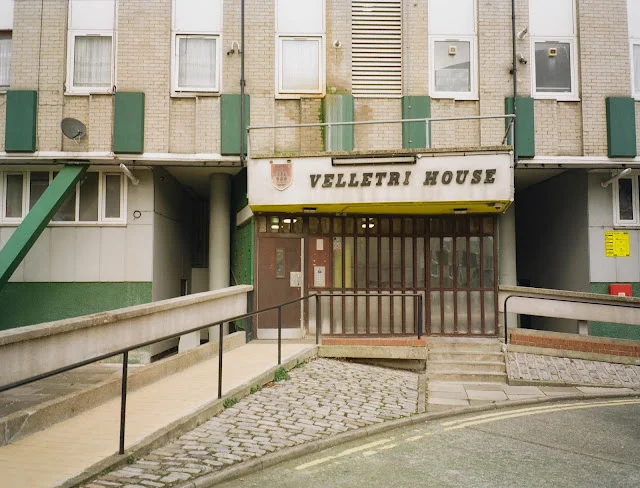
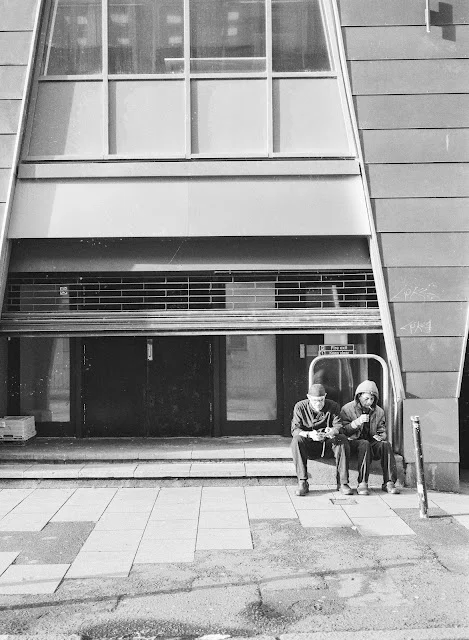
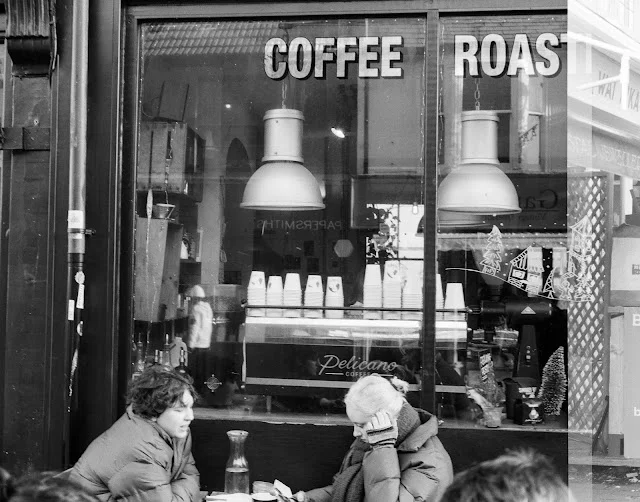
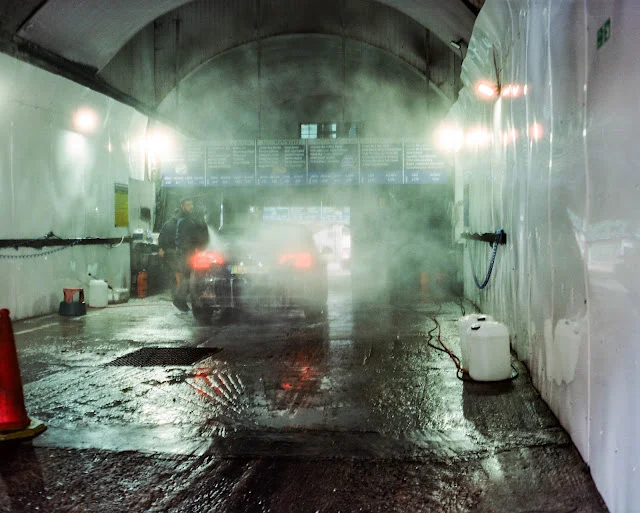
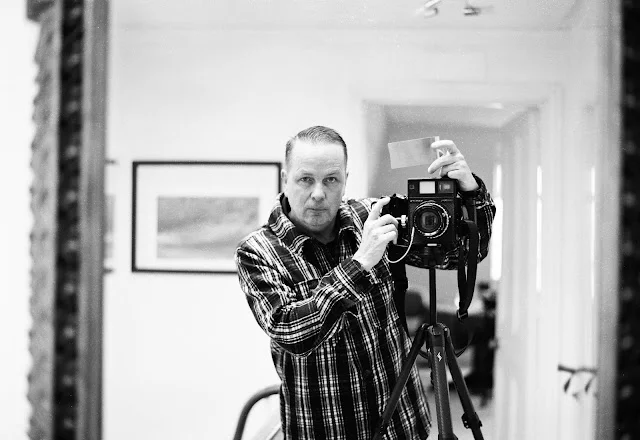
While its size often deters casual outings, the Mamiya Universal shines when set up correctly, preferably on a tripod for stability. I’ve captured some breathtaking portraits using a 100mm Mamiya-Sekor f2.8 lens with expired Portra 800 film. Here are some examples:
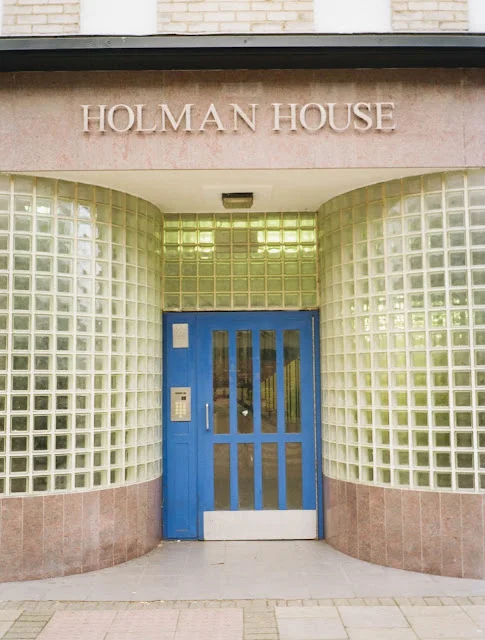

Despite its unwieldy nature, Mamiya cameras can be found for excellent prices due to their less fashionable status. Used properly, this camera allows photographers to unlock tremendous potential from its large negatives, producing detailed images that can compete with larger format cameras.
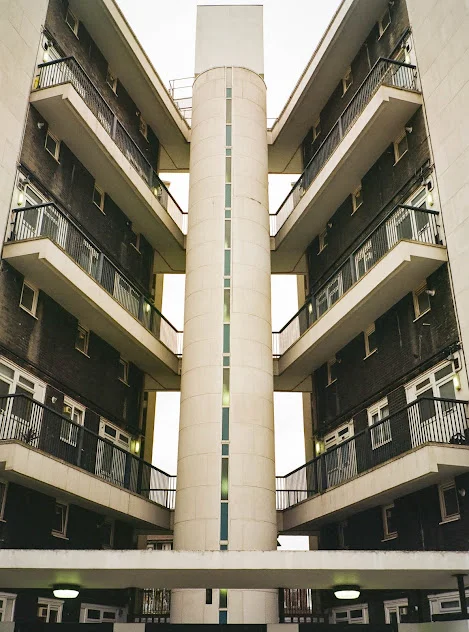
Camera Three: Fuji GA645
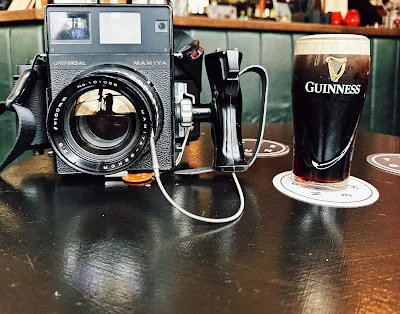
Returning to a more practical option, the Fuji GA645 is another model I’ve recently rediscovered. Originally gifted to me by my father, this model offers notable ease of use with a fixed 60mm f4 Fujinon lens — equivalent to about a 35mm lens on a 35mm camera. This makes it perfect for general photography, from street scenes to portraits.

This camera also features an autofocus system, which I’ve found to be sharp and reliable, with a minimum focusing distance of 0.7m. It is lightweight at just under 900g and fits well in a shoulder bag, making it a go-to for daily street photography. The auto exposure works well, and it has consistently exposed my shots accurately.
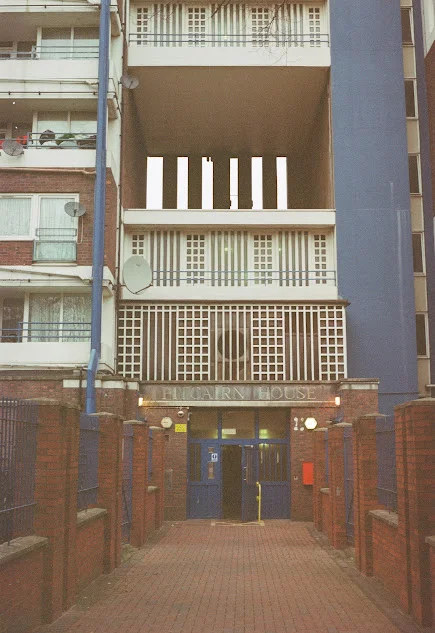
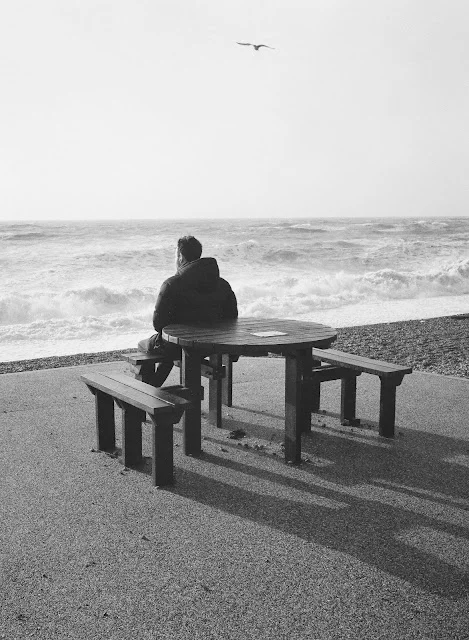
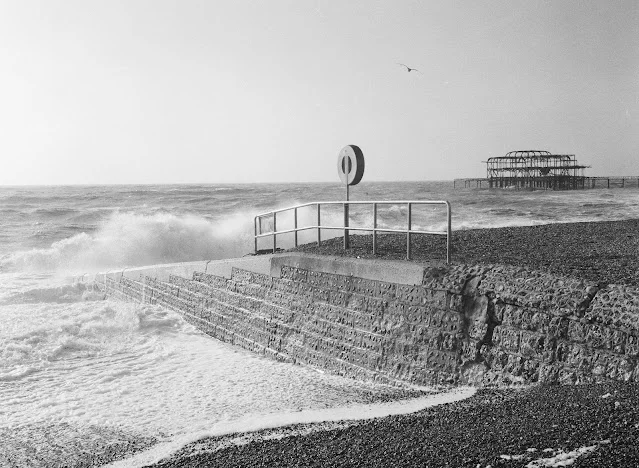
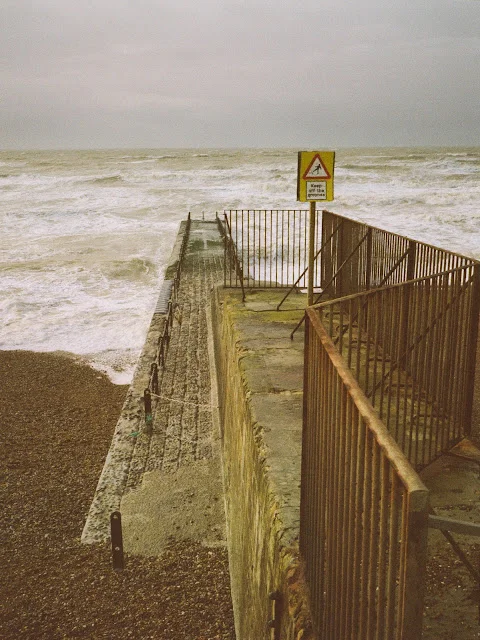
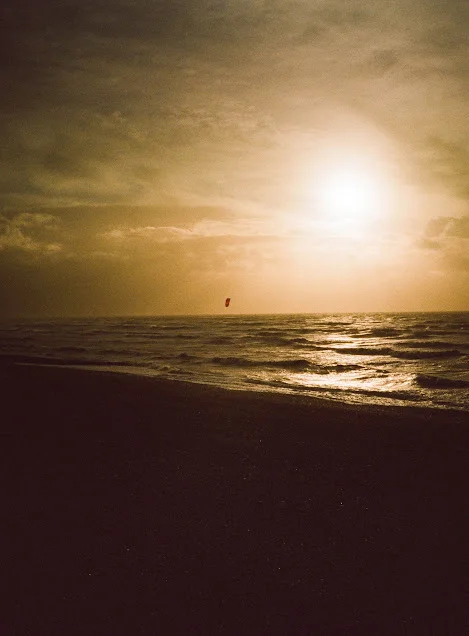
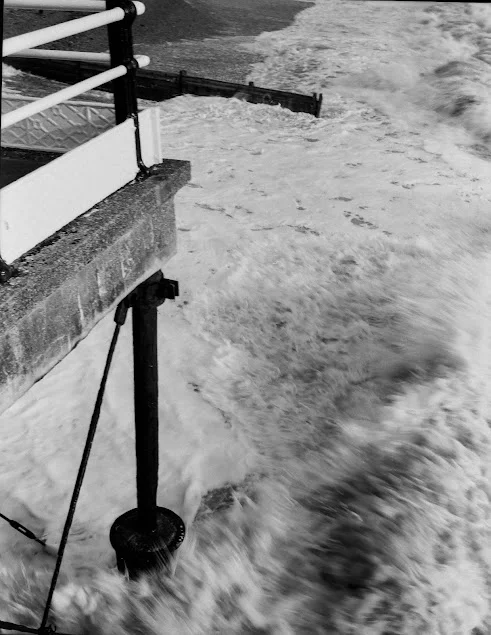
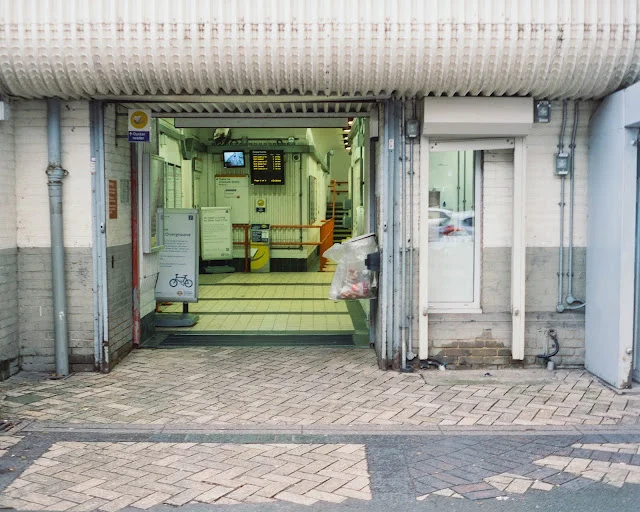
I've used Kodak Portra 400 and Fuji 400H film in this camera, capturing some stunning images during walks along the shore:
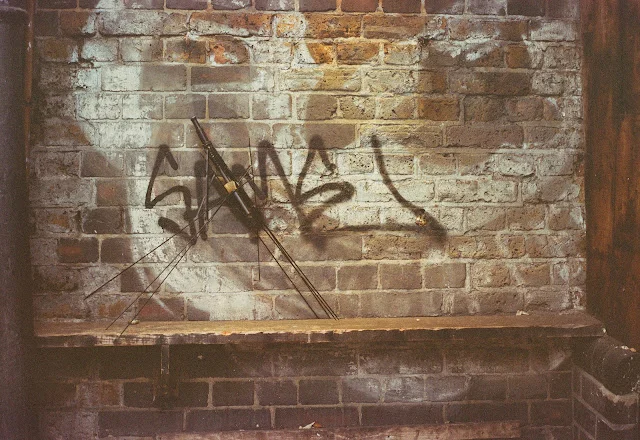

My experience with the GA645 has solidified it as a personal favorite, especially for its user-friendly design and sharp optics that render fantastic street photography results.
Camera Four: Koni-Omega-Rapid

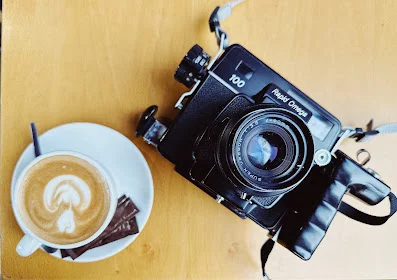
Lastly, the Koni-Omega-Rapid often boasts the title of the quirkiest camera in this lineup. A 6 x 7 format rangefinder, it combines aesthetics with functionality, showcasing striking design qualities. I acquired mine from a local film lab and have enjoyed its beauty and charm.
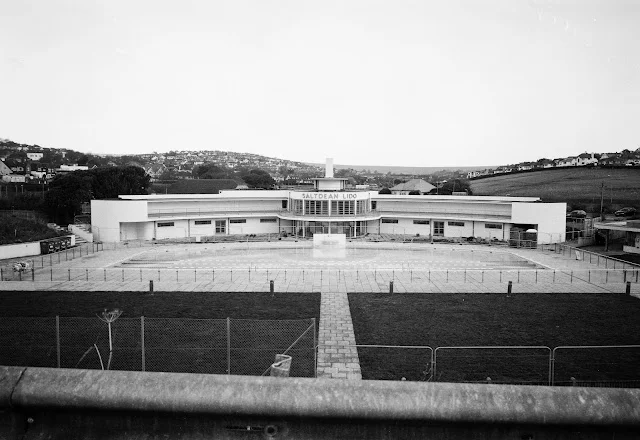
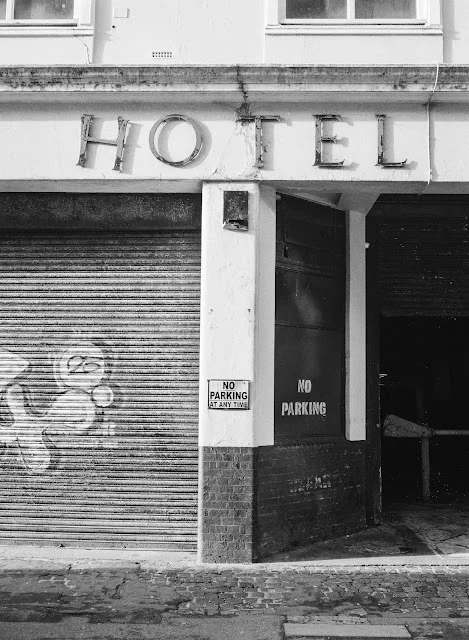
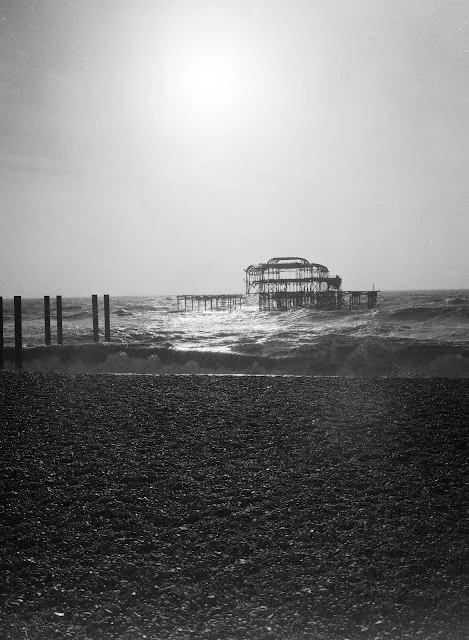
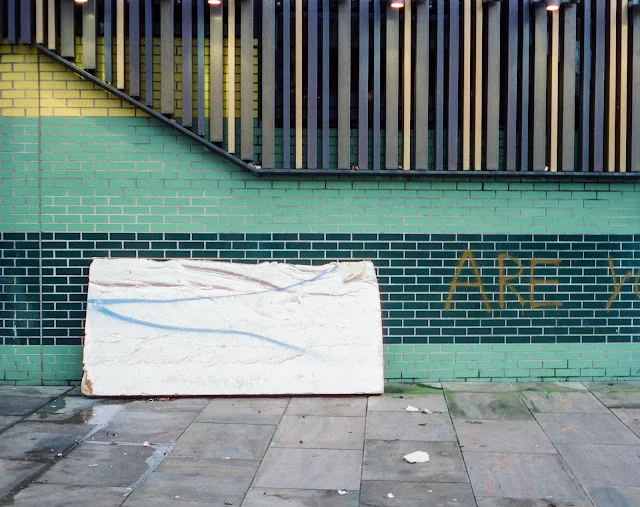
Despite its robust build, reports suggest issues like uneven film advancement and overlapping frames are common with this model. I’ve cautiously explored its performance with Ilford HP5 and Cinestill 800T films. Below is a capture from my time with this camera:
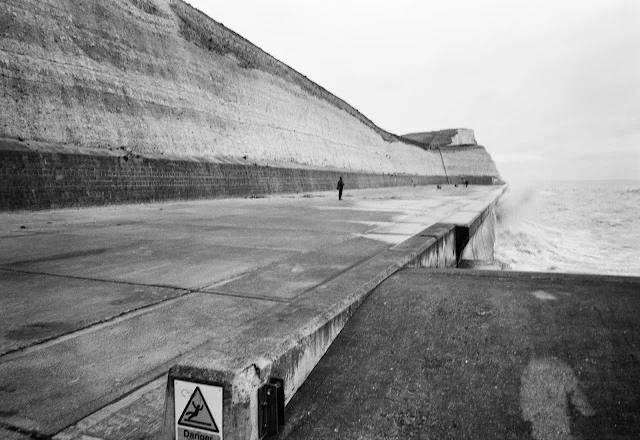

I’ve faced challenges with the Koni-Omega-Rapid due to its cumbersome film advancement, which often leads to overlapping negatives, causing some frustration. Nevertheless, it produces unique images enriched by the film used, demonstrating that even less-than-perfect cameras can offer rewarding experiences.
As part of my ongoing exploration of medium format photography, I'll continue sharing insights and images from these cameras. Each model brings its own character and challenges, adding depth to the storytelling of film photography.
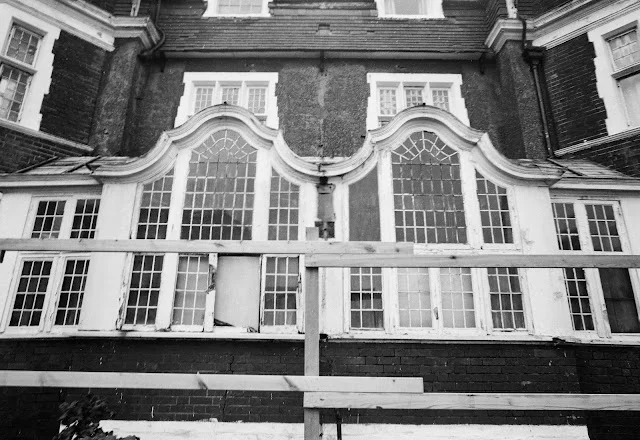
For a closer look at all the images from my Medium Format project, visit my Flickr album here. Thanks for reading!
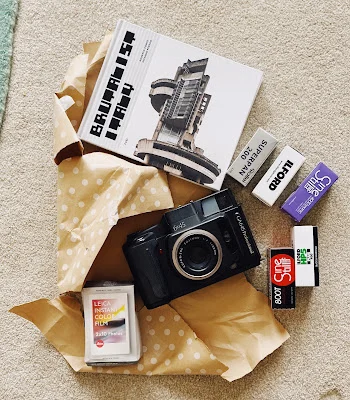
— Nick