Exploring the World of Instant Photography: Techniques and Insights
| Shelf | Cameras & Lenses |
|---|---|
| Date in | |
| Readers | 643 |
Dive into the nuances of today's instant photography, from classic Fuji films to modern Instax options, while uncovering techniques and personal experiences.

In December 2023, I embarked on a new journey into instant photography, fueled by nostalgia and a desire to experiment with both old and new techniques.
1. Nostalgia and Classic Fuji FP Films
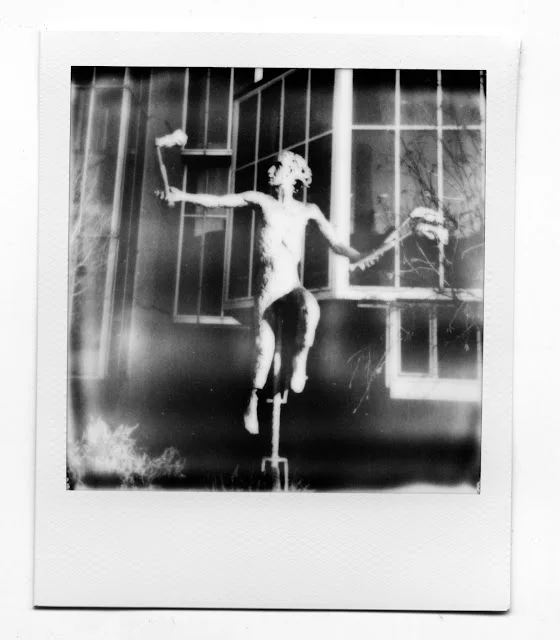
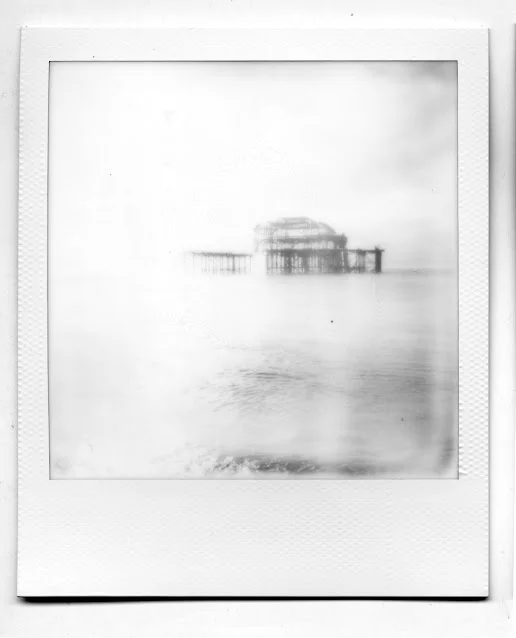
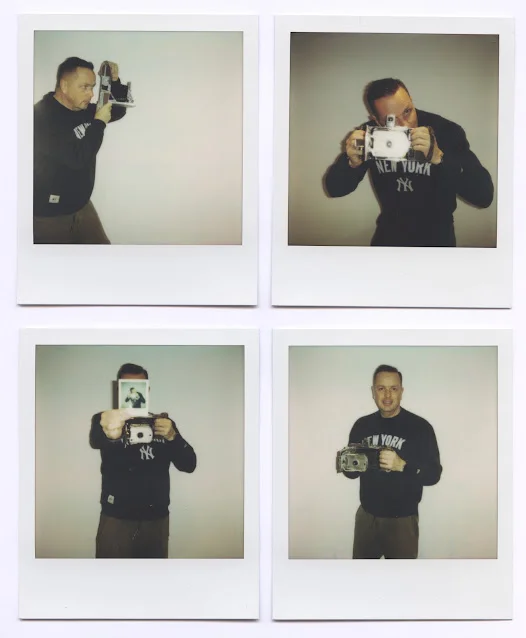
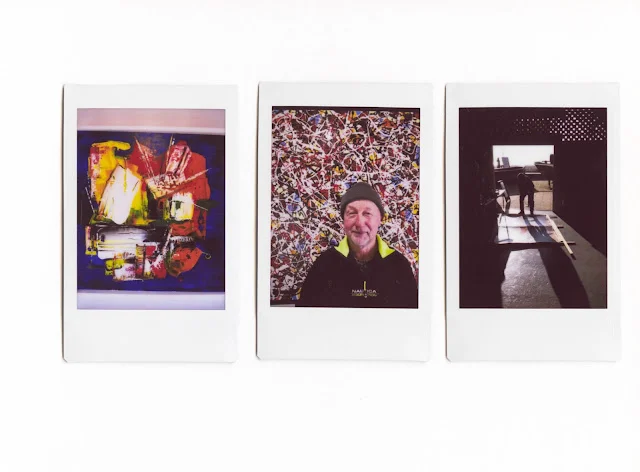
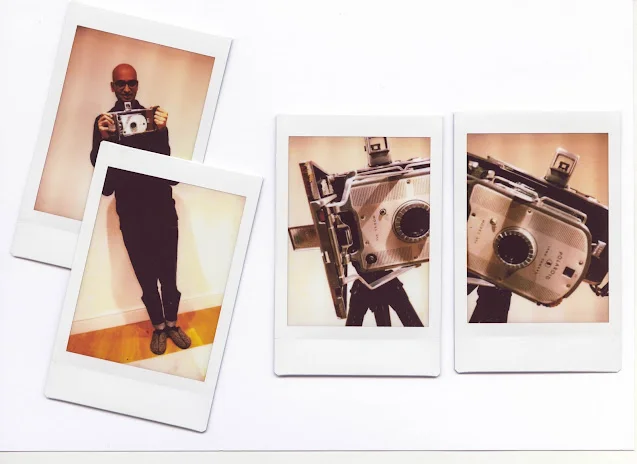
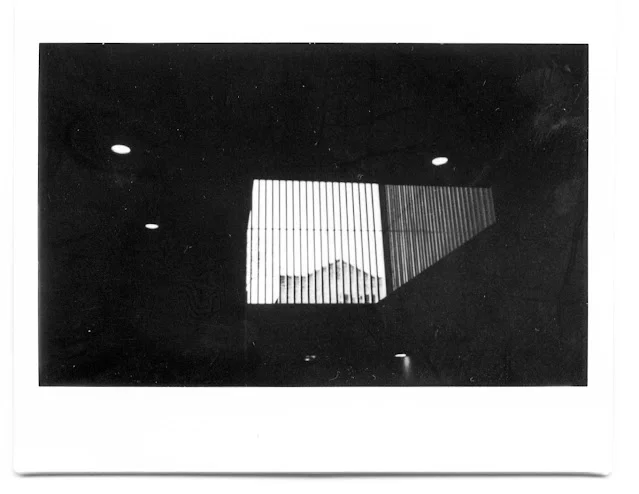
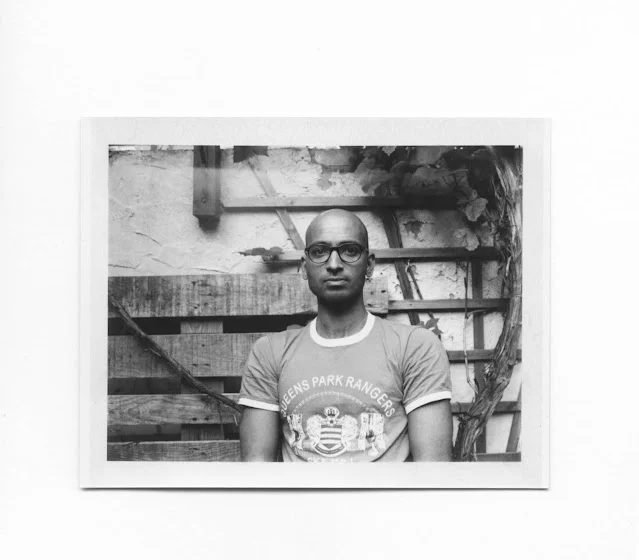
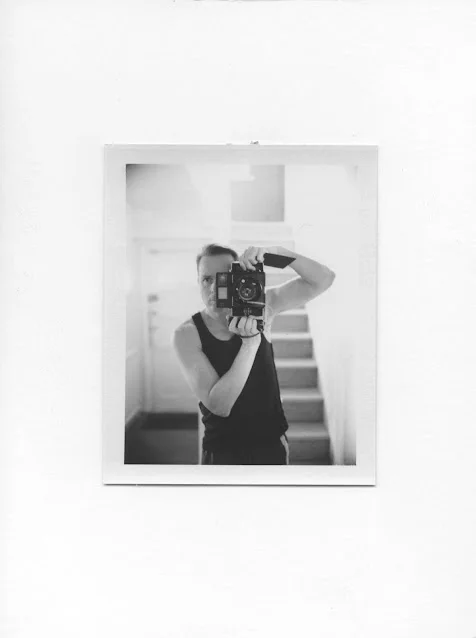
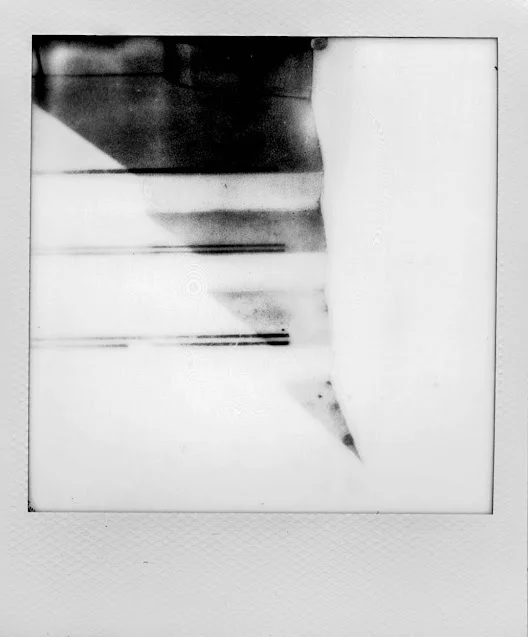
About a decade ago, I found immense joy in utilizing my medium format Mamiya Universal 6x9 camera combined with a Polaroid back. My weapon of choice then was the now-discontinued Fuji FP-100c color film and its black-and-white counterpart, FP-3000B. What struck me was the film's superior quality, which easily surpasses most modern instant films. The versatility of using a “proper” camera with robust lenses like the Mamiya Universal was a thrilling experience, allowing for a profound control over image composition and exposure.
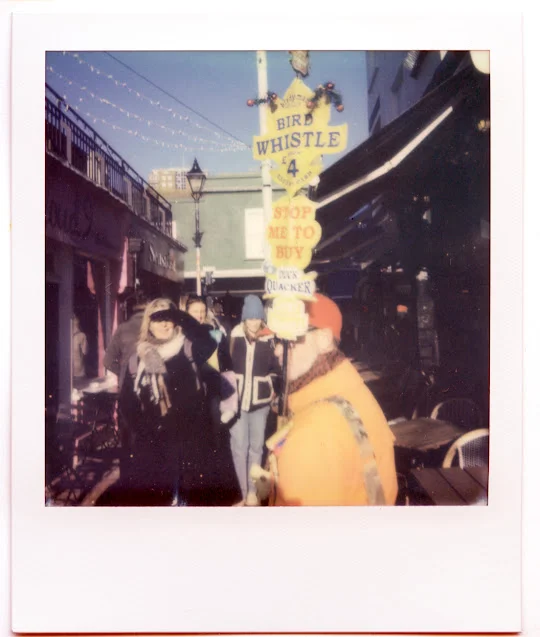
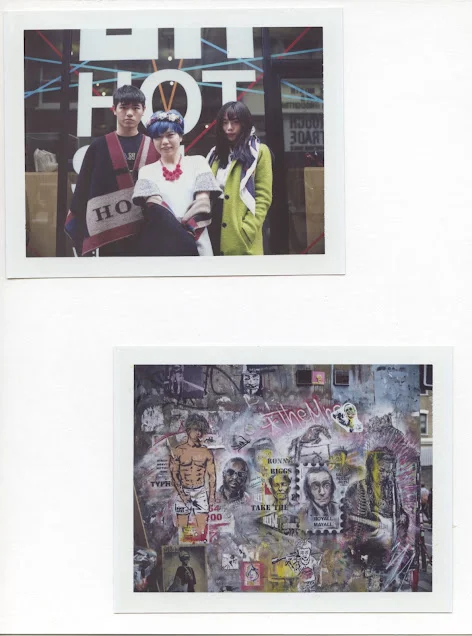
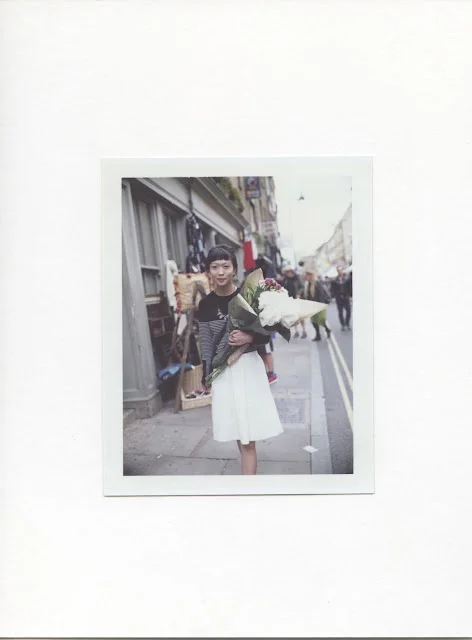
As I strolled down Brick Lane, the sight of the vintage Mamiya prompted many to engage. They expressed curiosity and excitement about being photographed with such an intriguing piece of equipment. In the process, I discovered a delightful trick: developing 'negatives' from the discarded film sheets using glass and bleach, which I would then scan to create intriguing images.
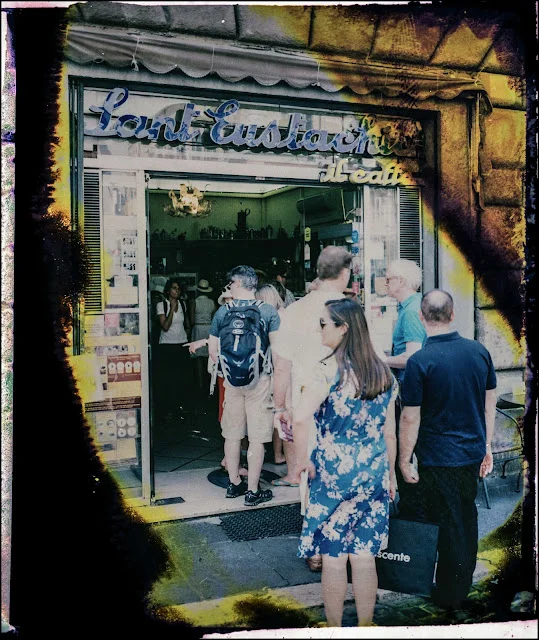
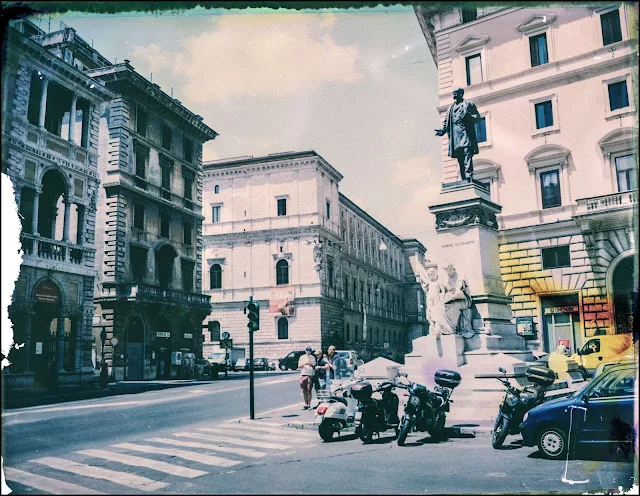
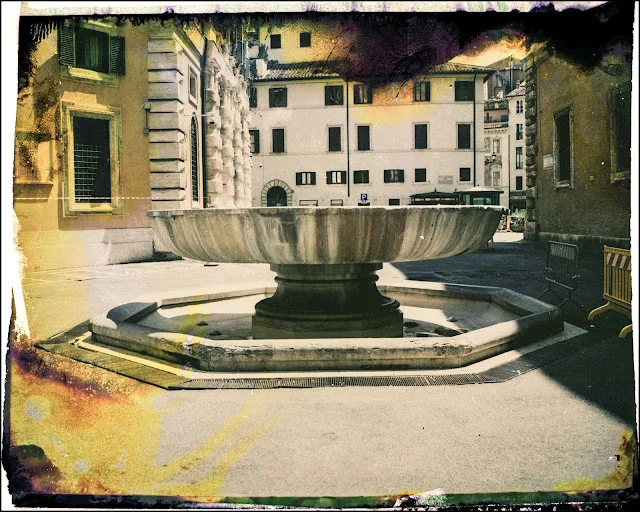
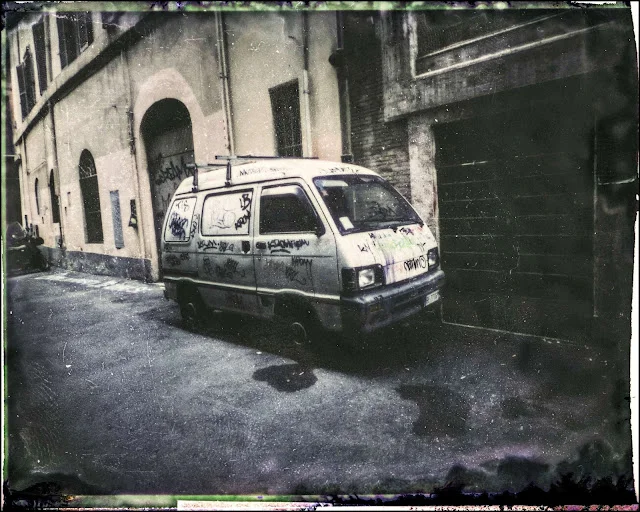
During one of my trips to Rome, I employed this method, enhancing the creative process and opening another pathway to art. Fast-forward to a visit in Singapore, where I stumbled upon remnants of discontinued film, a treasure for any instant camera enthusiast. Although I thought I had used all my stock, I later unearthed some black-and-white film while unpacking after moving homes. While I was thrilled to find it, I've since hesitated to use it, mindful of its rarity and expense.
2. Experimentation with Polaroids
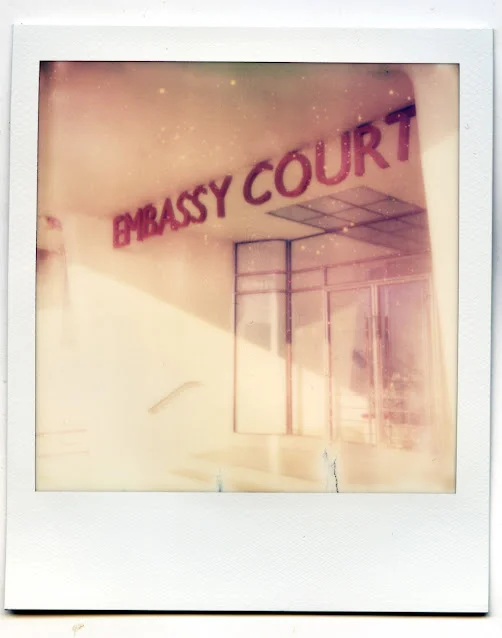
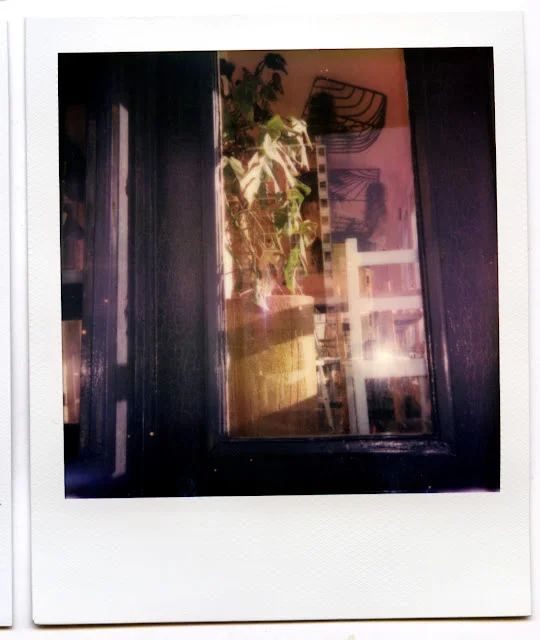
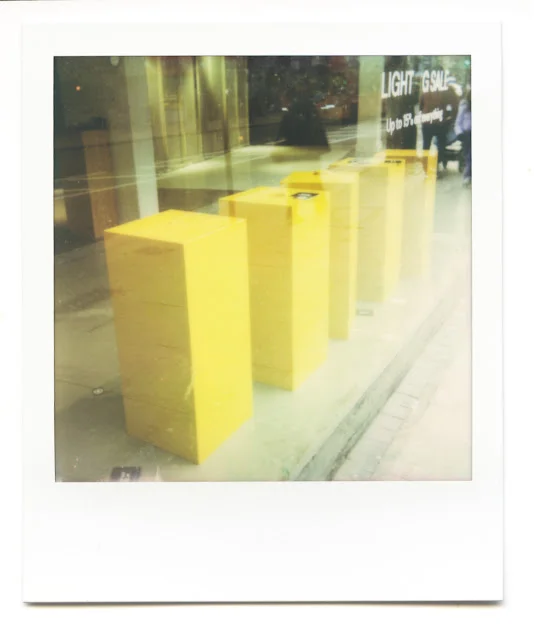
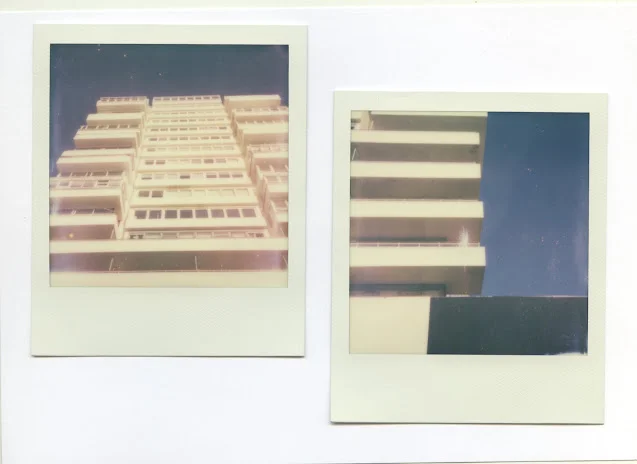
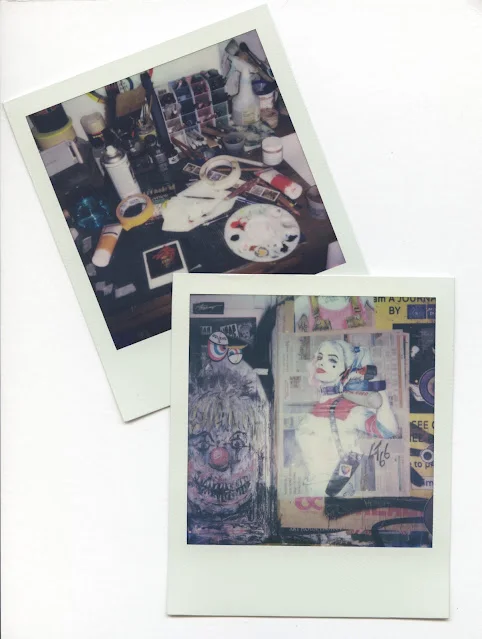
A few years ago, I experimented with Polaroids, employing both a refurbished model and contemporary variants. To push boundaries, I painted over some of these prints, seeking a mixed-media approach. By the time I began my recent instant photography project, I decided to re-engage with Polaroid cameras, primarily leveraging modern Fujifilm technology.
While Polaroid photographs often yield interesting aesthetics, the reliability and quality frequently fall short compared to Fujifilm's offerings. Therefore, I find myself reluctant to revert to Polaroid for regular use.
3. The Leica Sofort 2 Experience
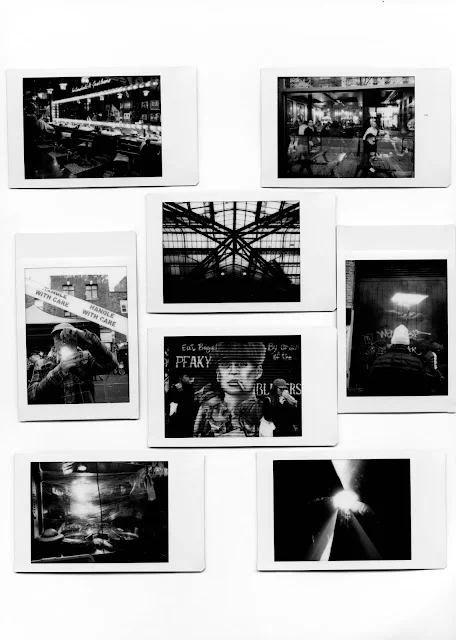
My renewed interest in instant photography was amplified by acquiring the Leica Sofort 2, which utilizes Instax film. Functioning as a digital camera paired with a built-in printer, it presents an option to either save or print images selectively. This flexibility allows for creative processes that standard instant cameras do not provide.
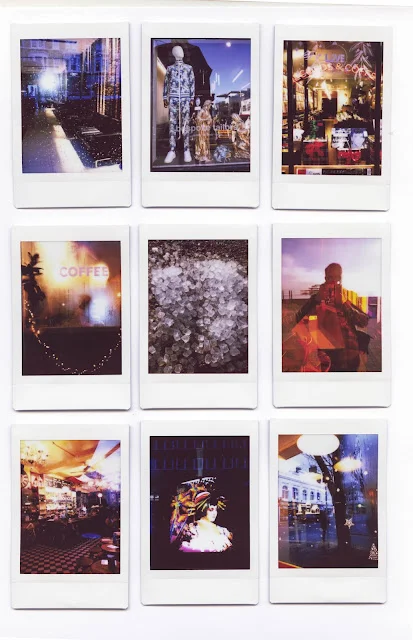
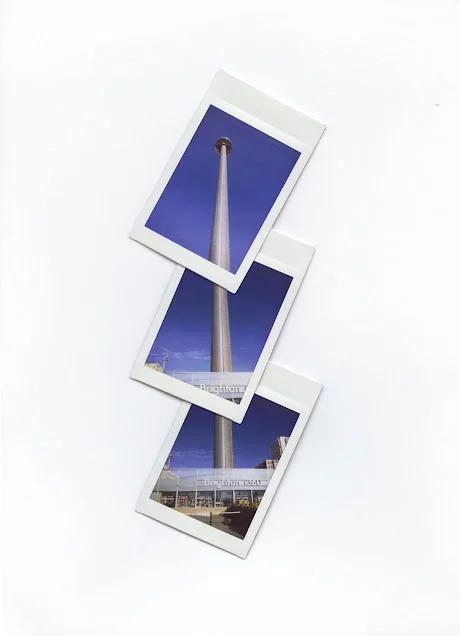
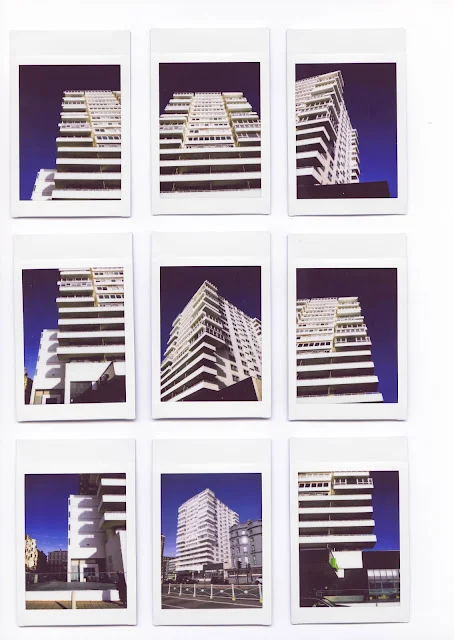
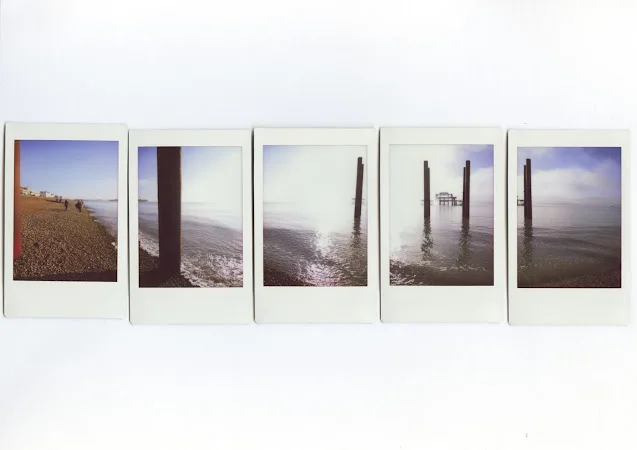
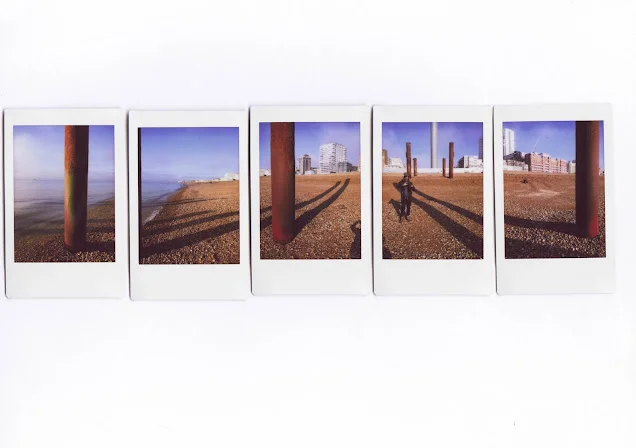
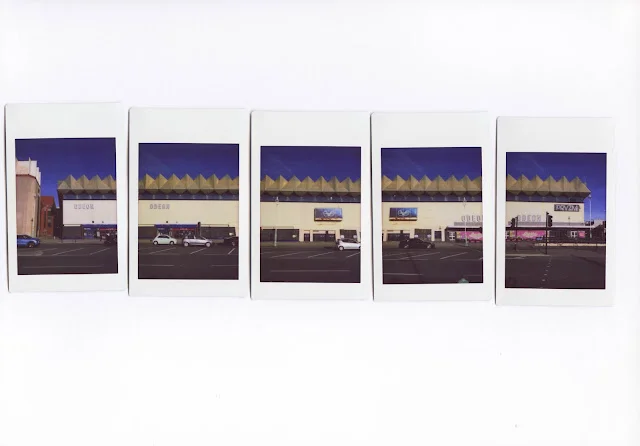
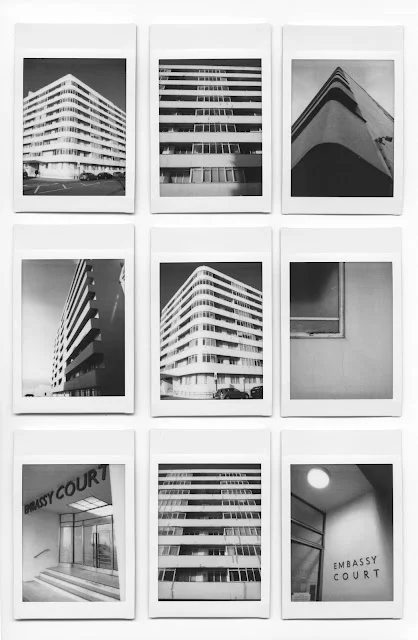
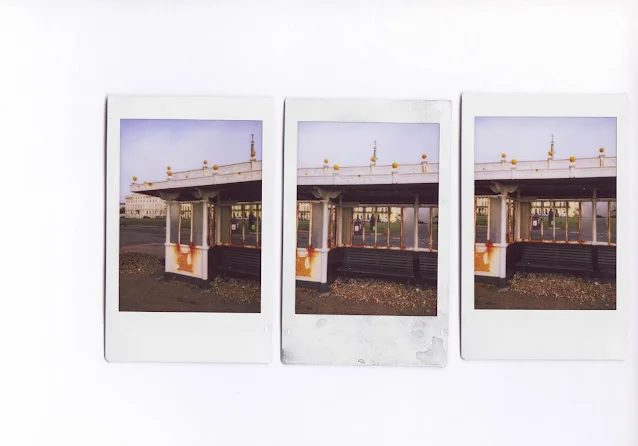
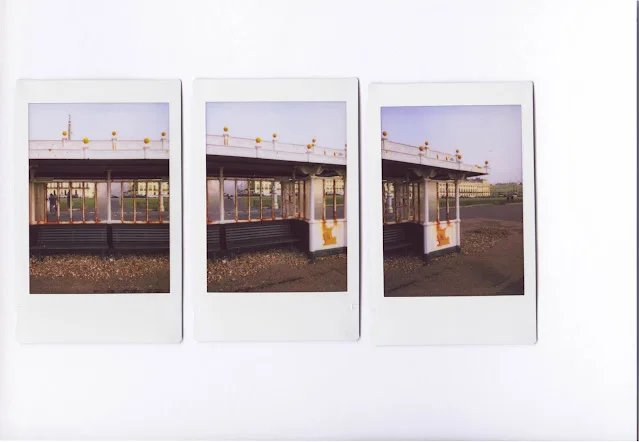
Although the Sofort's print size and the inherent resolution are limited, this system proved effective for photomontage explorations. In manipulating the small printed images, I engaged in another layer of creativity. Assembling and visualizing compositions in advance, reminiscent of double exposures I favor, became quite enjoyable.
It doesn't always yield a successful result, but the journey of creation adds a layer of fun and exploration.
4. Transitioning to Instax Wide
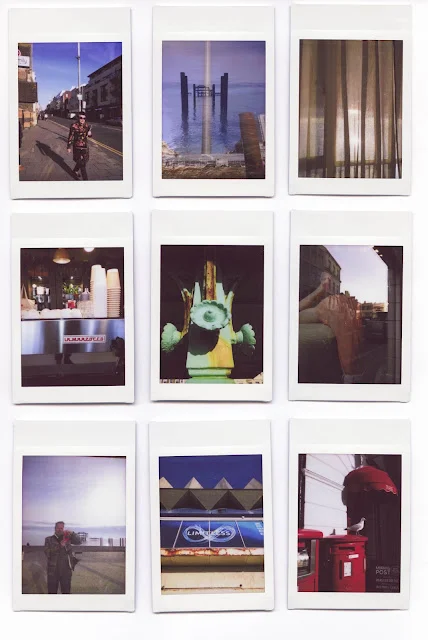
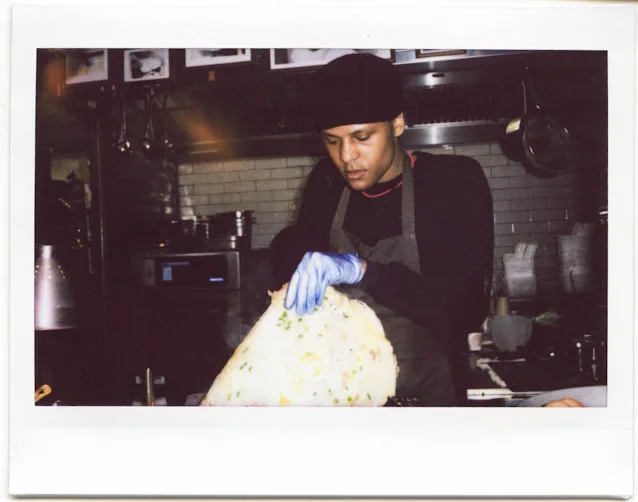
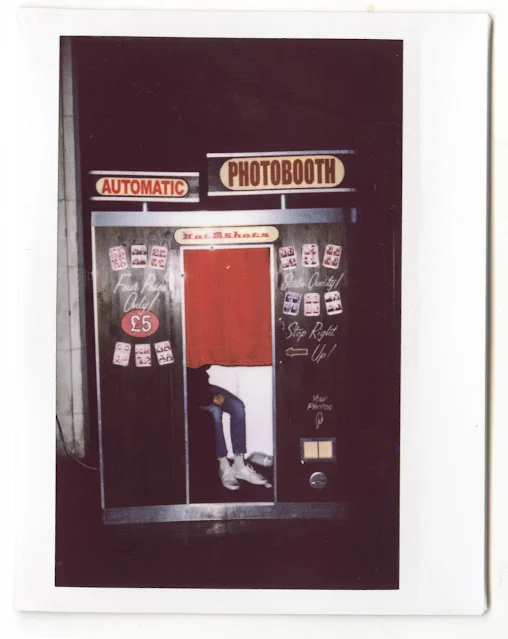
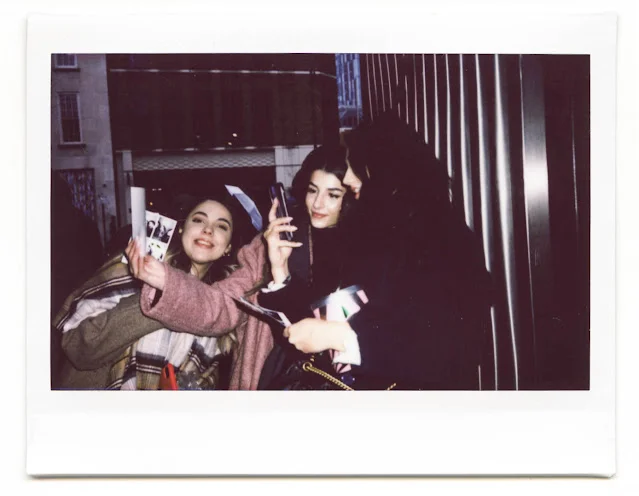
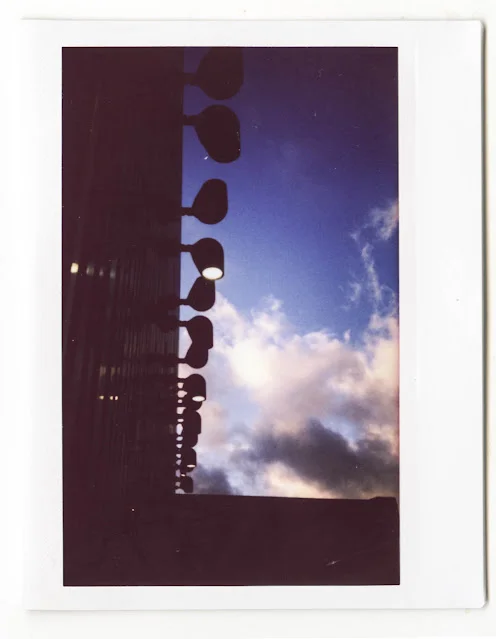
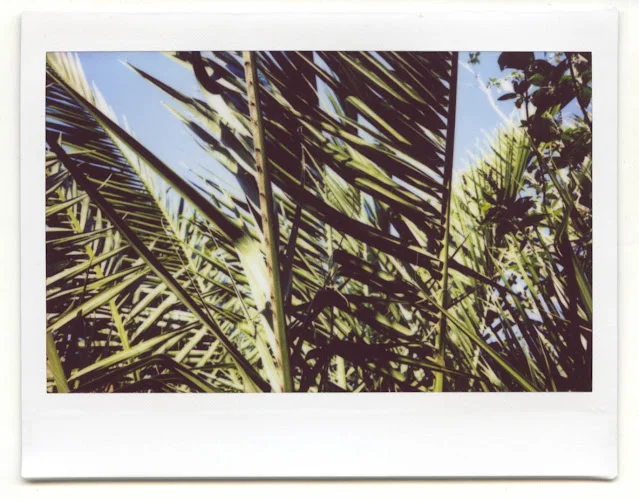
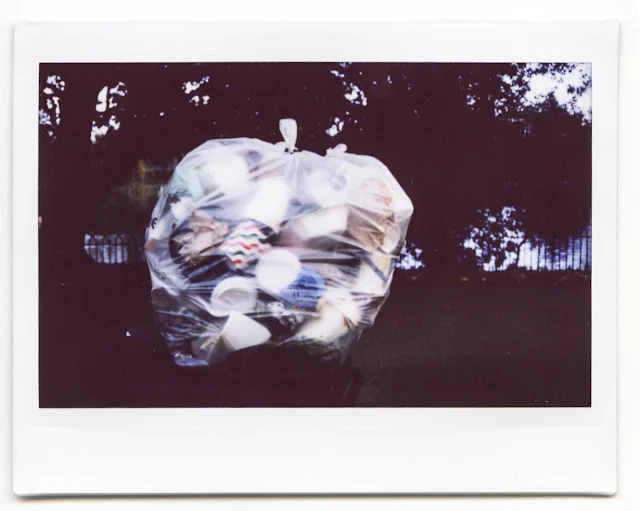
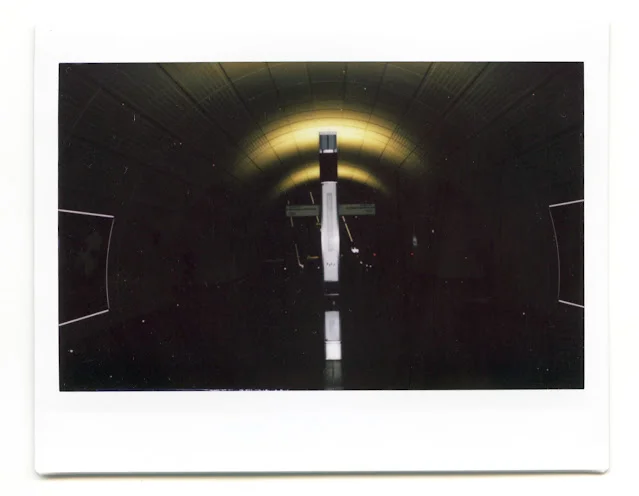
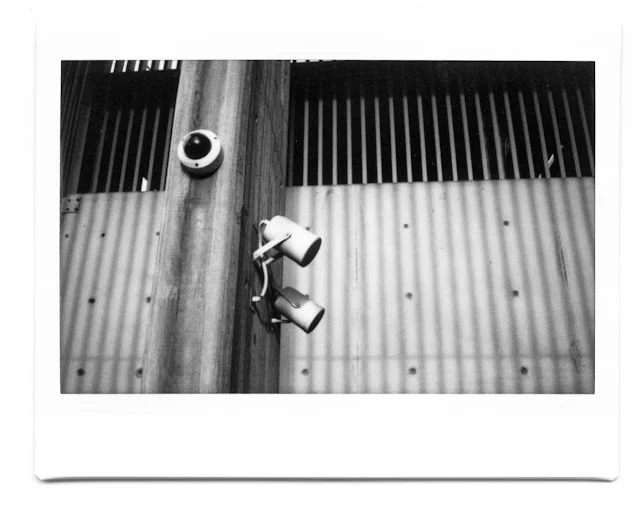
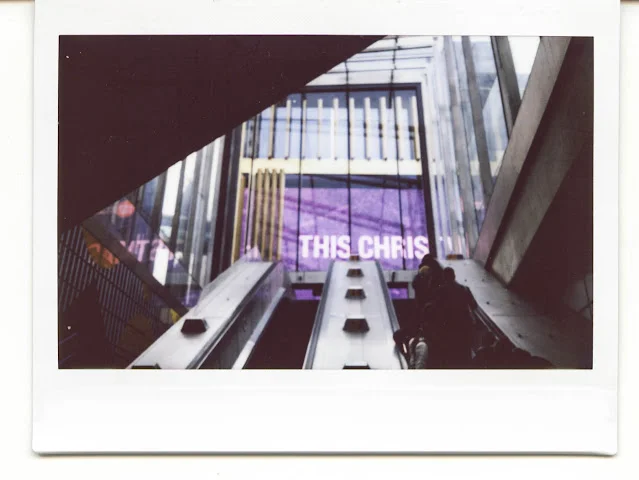
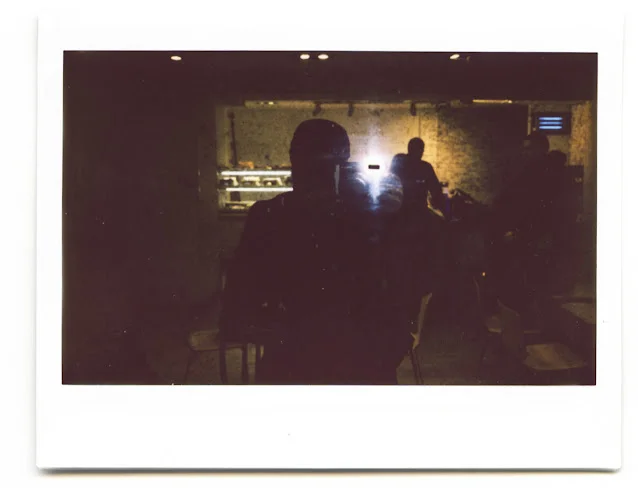
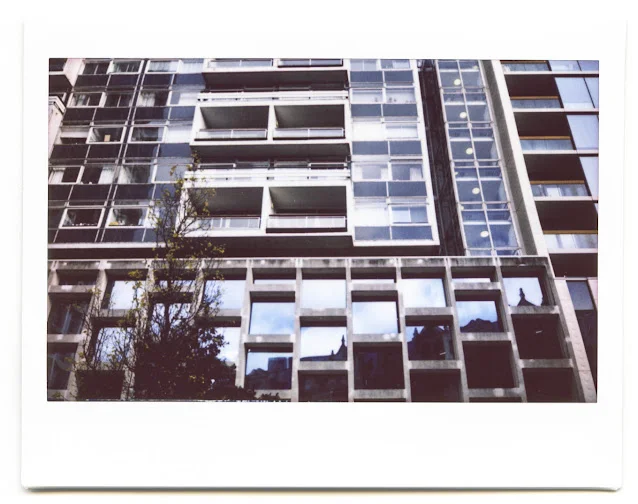
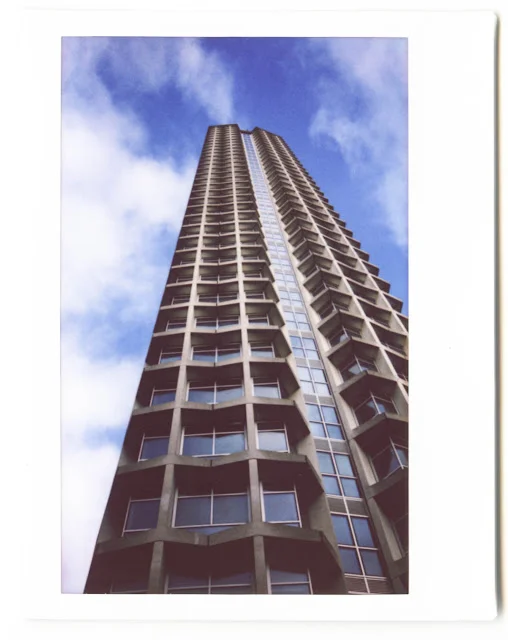
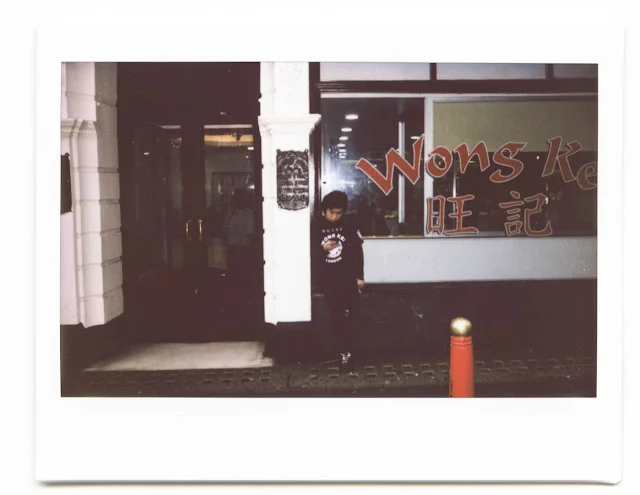
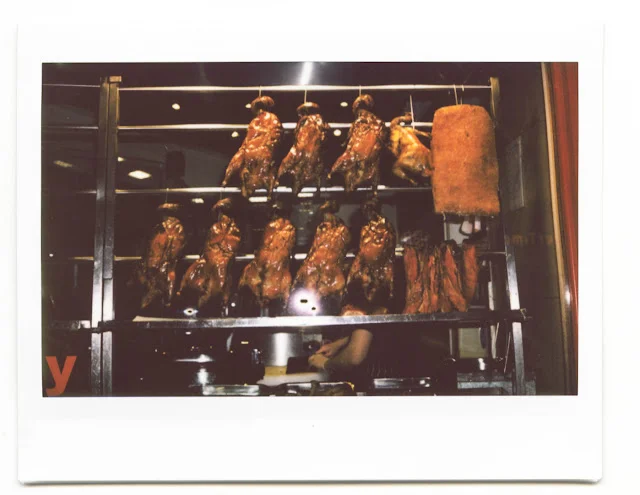
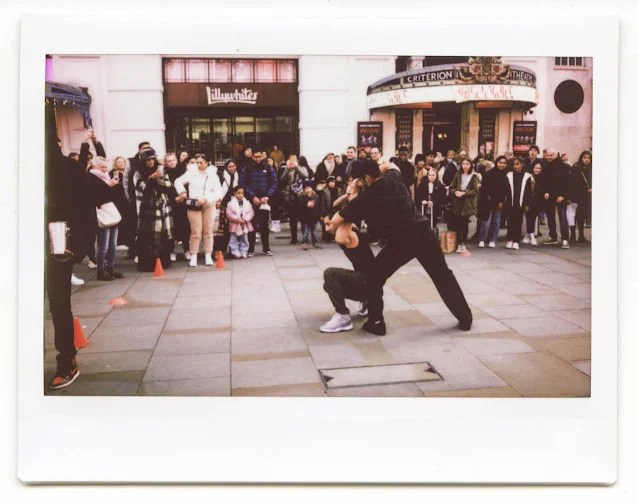
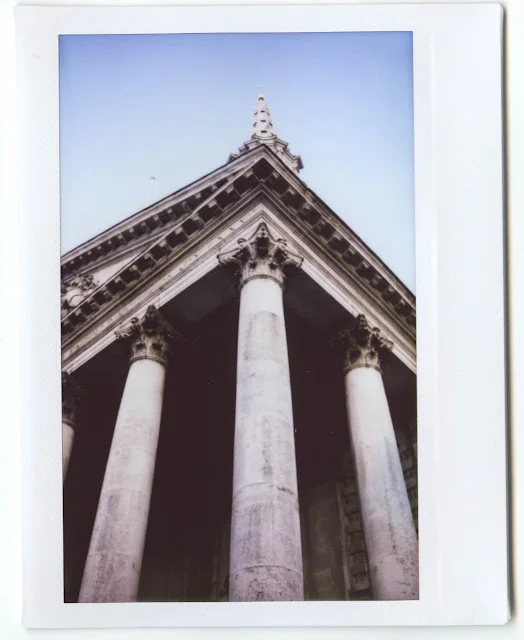
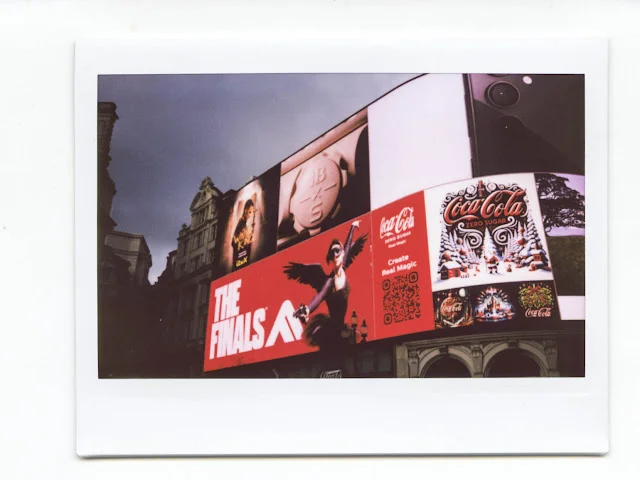
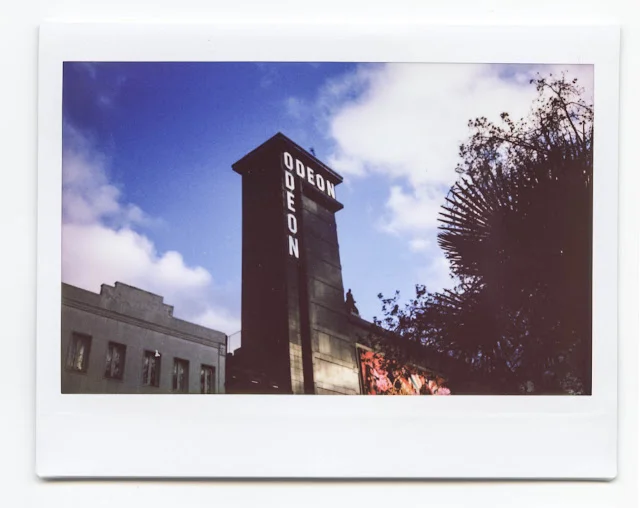
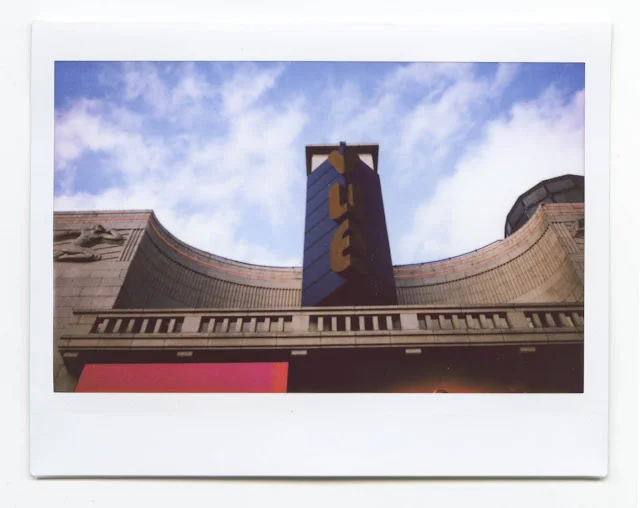
Researching current instant films led me to settle on Instax Wide as a preferable choice. The print size almost doubles that of regular Instax, measuring 99mm x 62mm, while maintaining a 3:2 aspect ratio. This larger format allows for deeper composition possibilities compared to the smaller Polaroid format, which clocks in at 79mm x 79mm.
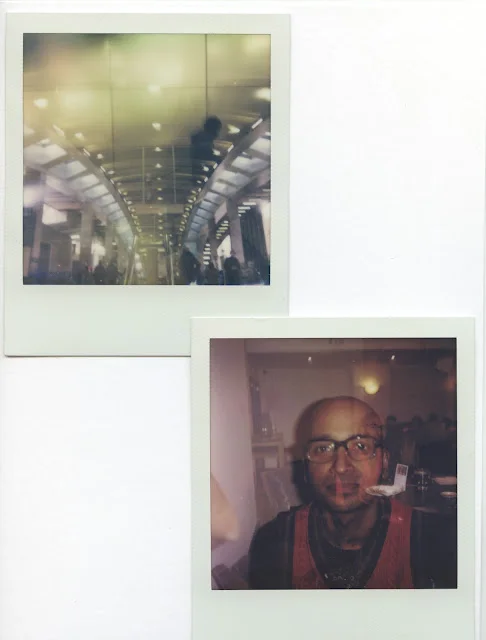
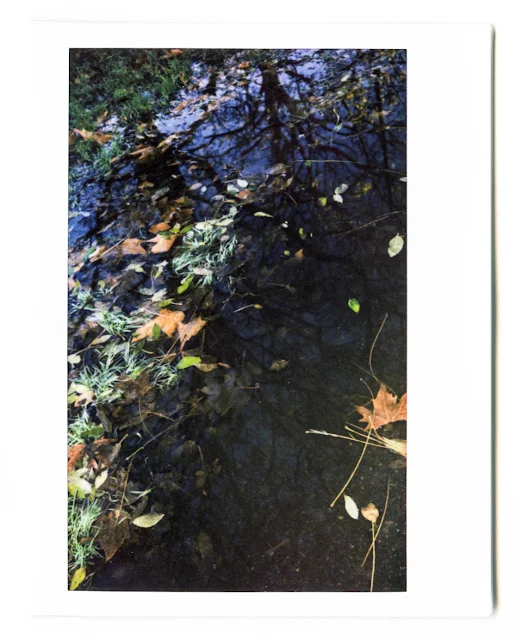
With Instax, sharpness, color accuracy, and print reliability significantly surpass those of Polaroid. While I may appreciate the nostalgic square orientation of Polaroid prints, the enhancements offered by Instax align closely with the quality I seek.
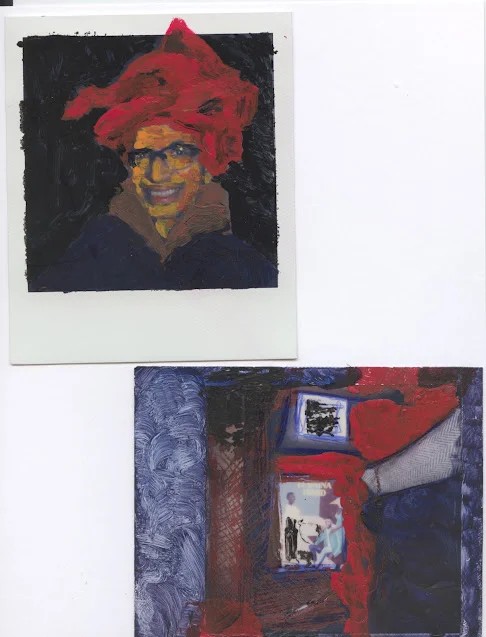
Despite the Instax camera's utilitarian look, its lightweight design and ease of use are advantageous, plus the cost of film is generally lower than Polaroid—aspects that are particularly appealing for regular shooting.
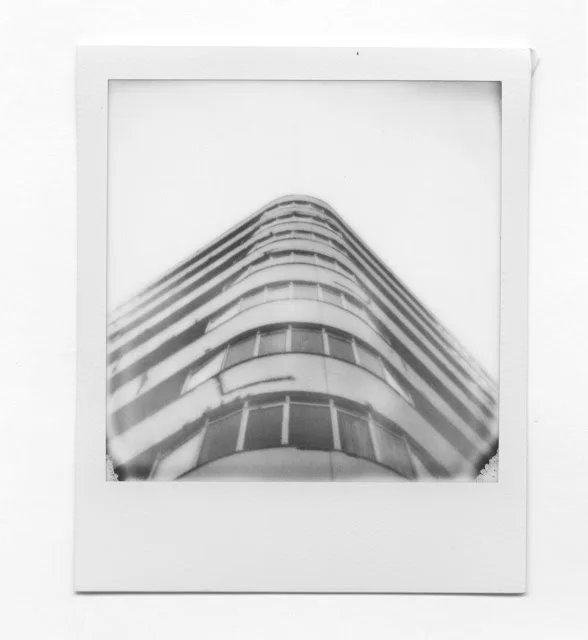
5. Conclusion: The Future of Instant Photography
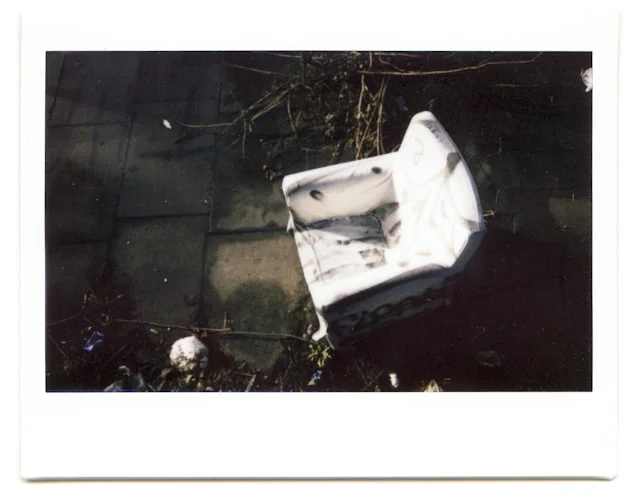
Instant photography continues to be an enjoyable and fashionable outlet, fostering a tangible connection to photography that digital formats can often overshadow. I believe its rise is tied to our disconnection from the physical aspects of photography; who prints their work in the digital age?
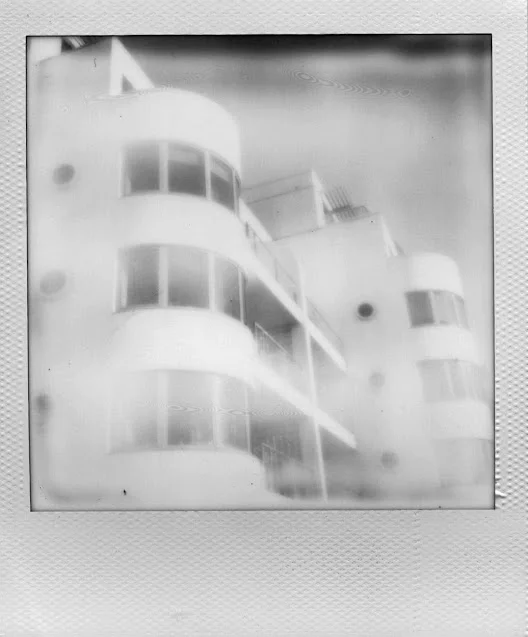
While past iterations of Polaroid film excelled in quality, recent offerings don't quite stack up. In contrast, Instax Wide currently represents the best option in the market, particularly when aiming for sharpness and reliability. I'm contemplating future explorations with old Fuji film using traditional medium format cameras and integrating Instax Wide for innovative prints, blending the classic with modern tools.
Your interest in instant photography can lead you to explore diverse creative avenues—don't hesitate to delve into these experimental realms. For a complete gallery of my instant photography work, you can view my Flickr album.