Mastering Still Life Photography: Essential Techniques and Tips
| Shelf | Cameras & Lenses |
|---|---|
| Date in | |
| Readers | 945 |
Unlock the beauty of still life photography with essential techniques, lighting tips, and expert advice to transform everyday objects into stunning art.

Have you ever peered at a simple bowl of fruit and pondered its artistic potential? Still life photography is dedicated to elevating ordinary objects into captivating visual narratives. Its accessibility, minimal gear requirements, and creative freedom make it an enticing genre for photographers of all levels. This comprehensive guide is designed to enhance your still life photography skills, covering vital components such as lighting, composition, and editing techniques. No matter your experience, you’ll find practical strategies to create stunning still life images.

Understanding Still Life Photography
At its core, still life photography is the art of capturing inanimate objects. This range can span from a simple collection of fresh fruits to intricate arrangements of tools, antiques, or everyday items. The captivating aspect of this genre is its control: photographers can manipulate lighting, background, and composition, molding mundane objects into compelling artworks.
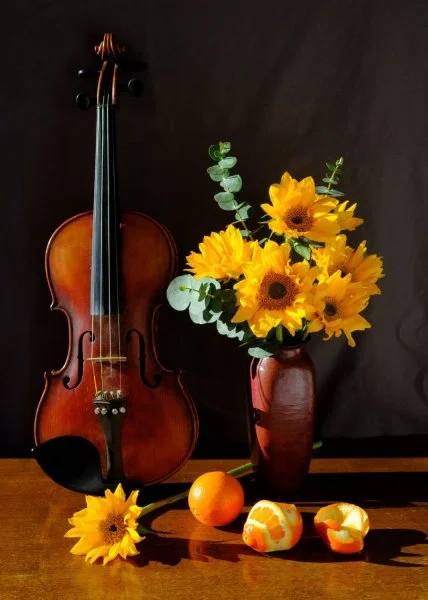
To truly excel in still life photography, one must adopt an artistic mindset, fostering an ability to see beauty in everyday life. This practice encourages a fresh perspective, enabling both established photographers and novices to explore their creative instincts!
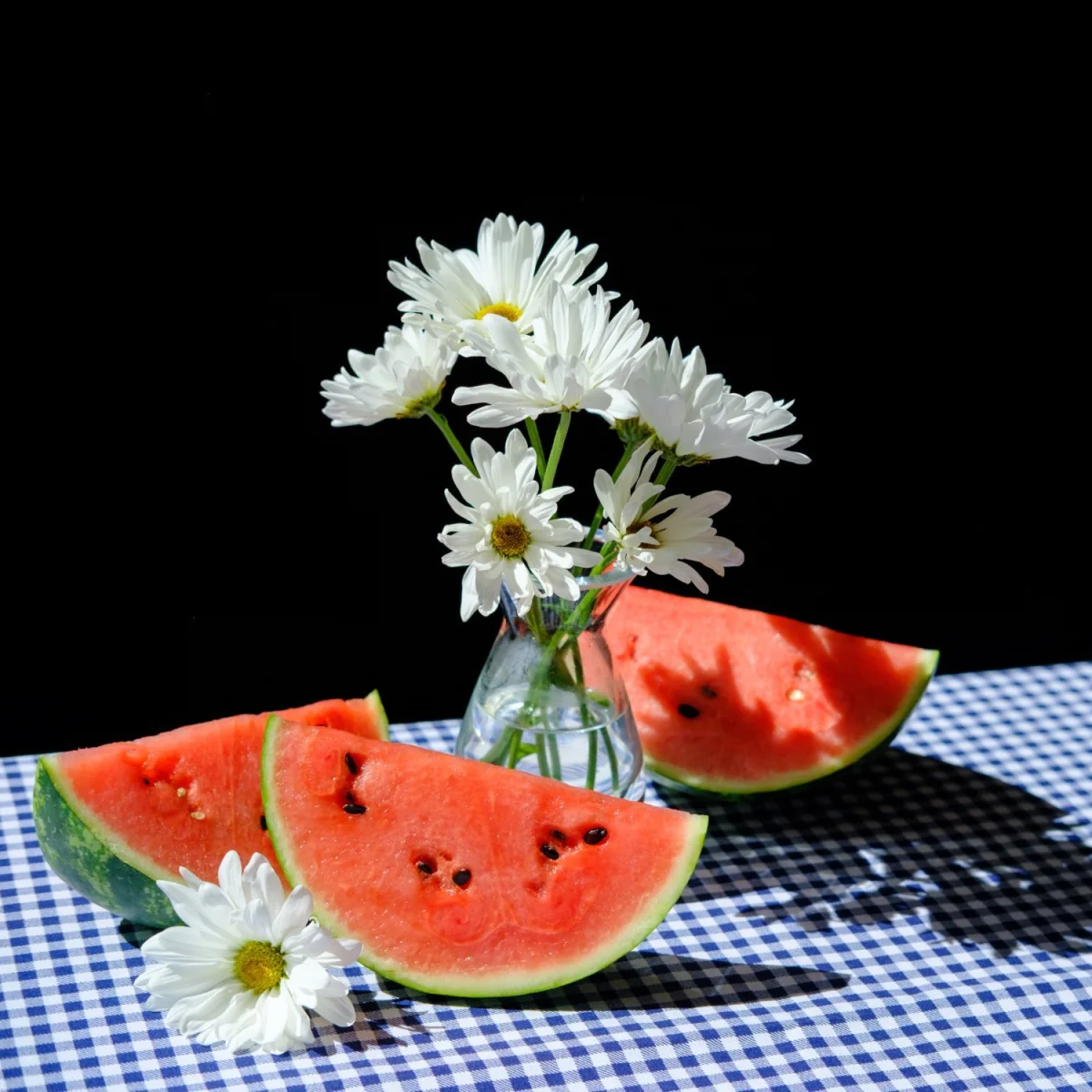
Essential Gear for Still Life Photography
Starting your journey in still life photography doesn’t necessitate a large equipment budget. An entry-level mirrorless camera or DSLR can effectively meet your needs, offering greater control and flexibility over basic point-and-shoot models. Pairing your camera with a macro lens allows for sharp, detailed captures of your subjects, perfect for prints and display.
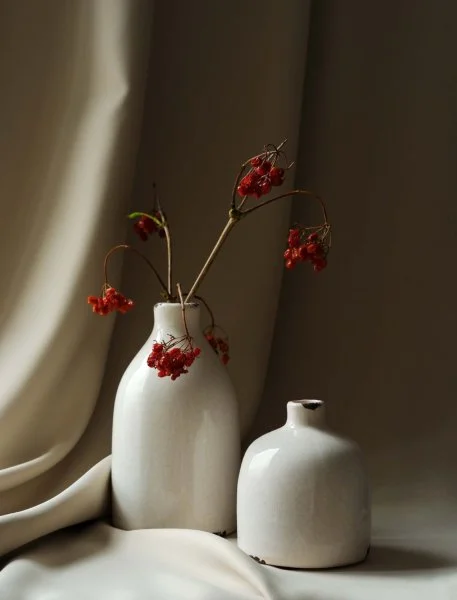
Another crucial tool is a sturdy tripod. While some photographers might opt for handheld shots, a tripod ensures steady shots, especially in lower light where even slight movements can lead to blurred images. Incorporating accessories like reflectors and diffusers can also enhance your lighting setup, reducing harsh shadows and creating a softening effect that’s pleasing to the eye.
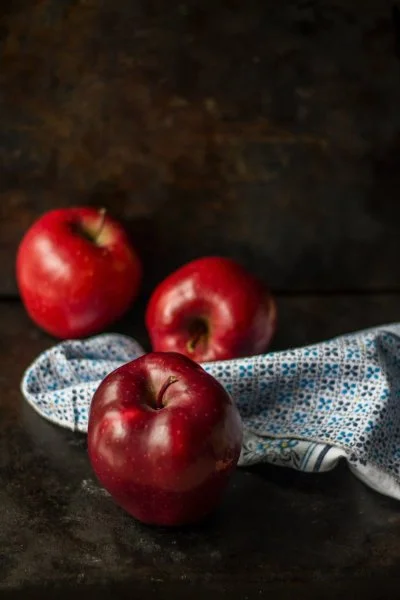
Ultimately, effective still life photography is achievable without overly complex equipment; mastering the foundational tools can yield wonderfully artistic results.
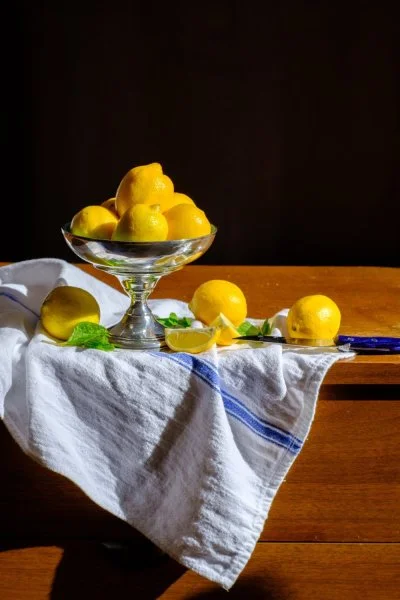
Crucial Camera Settings for Still Life Photography
To elevate your still life photography, starting with manual mode is advisable. This setting offers comprehensive control over aperture, ISO, and shutter speed, allowing your creativity to shine through.
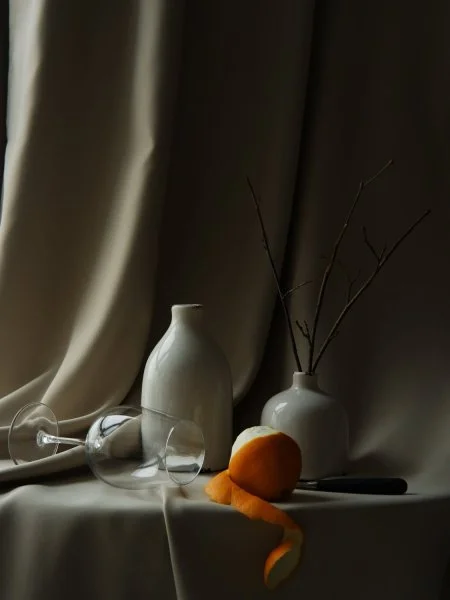
Begin by selecting a narrow aperture (e.g., f/8) that ensures sharpness across your subject. Keep your ISO to a low setting to maintain image quality, especially if using a tripod, where slower shutter speeds won’t impact clarity. Mastering these core settings is fundamental to achieving the professional appearance of your photos, leading to faster intuitive adjustments as you practice.
Lighting Techniques for Still Life Photography
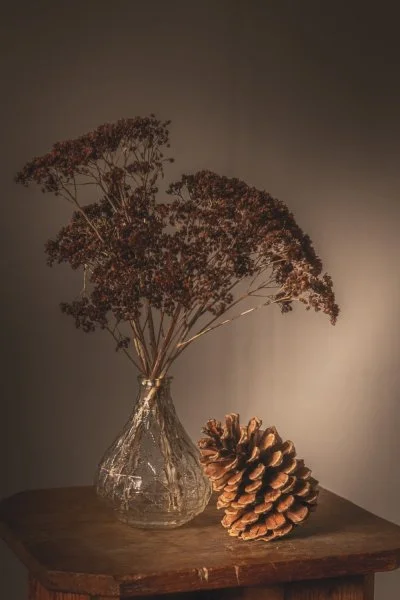
Lighting can make or break a still life image. While elaborate lighting setups often result in awe-inspiring shots, using what you have on hand is entirely applicable for beginners. Utilize natural light streaming through a window, or experiment with household lamps and candles.

As you experiment, vary lighting effects by adding curtains to diffuse sunlight or exploring different angles. For controlled environments, a tripod is indispensable to achieve the necessary stability, particularly for indoor setups where lower light levels are common. Activating the two-second timer when shooting can limit minor movements that might distort your final image.”
Mastering Composition in Still Life Photography
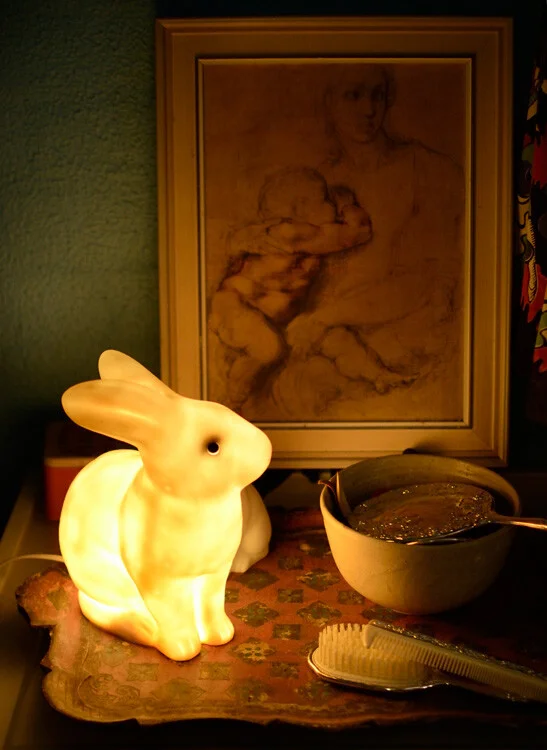
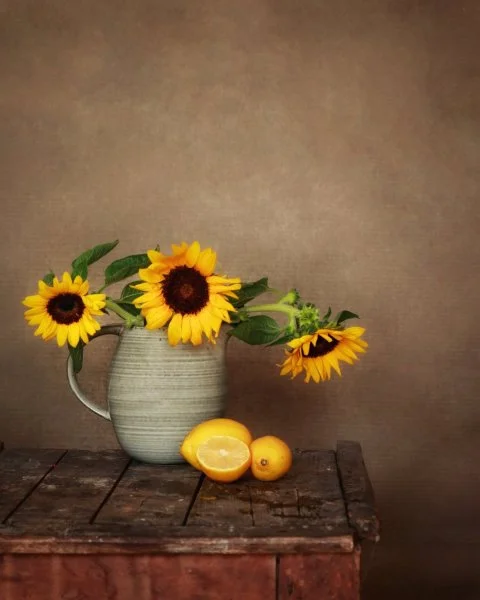
Composition is a challenging but essential aspect of creating visually appealing still life photographs. Beginners might grapple with questions regarding object placement, overlap, and camera angles; however, implementing some foundational rules can simplify the process. The rule of thirds and the rule of odds are excellent starting points that provide guidance on structure and balance.
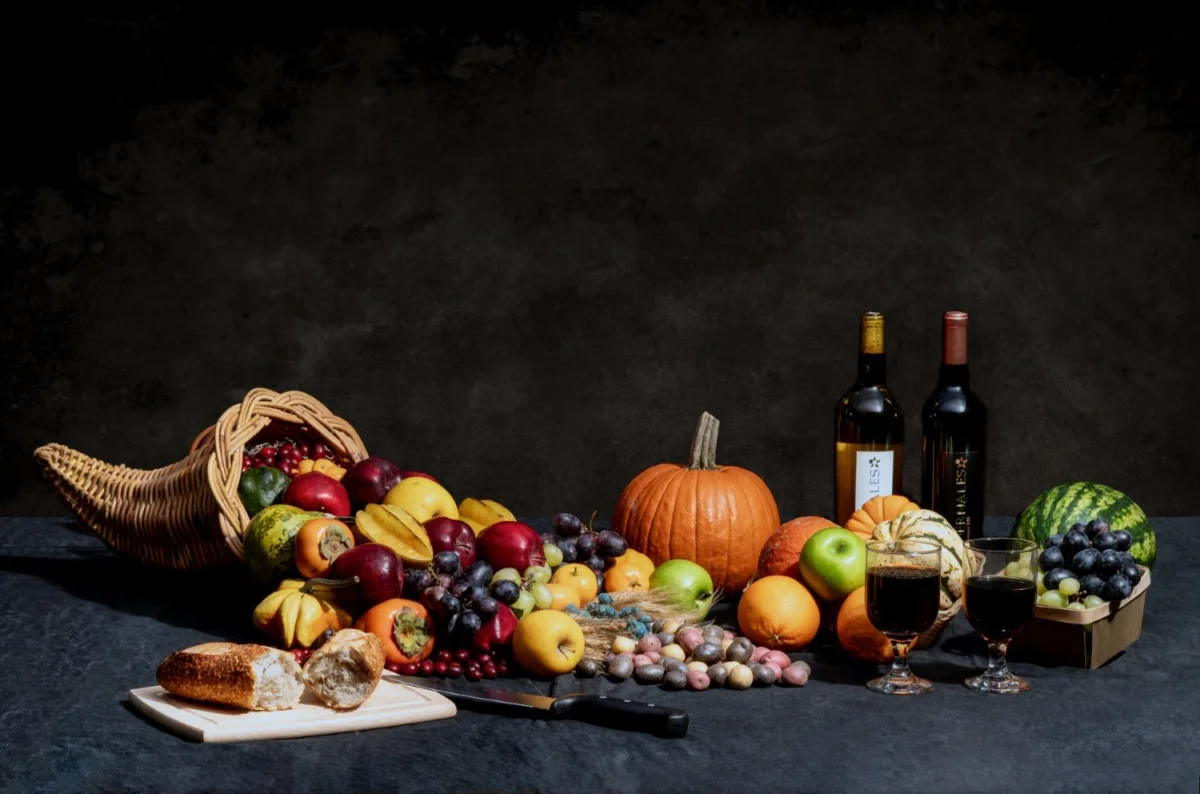
Don’t hesitate to adjust the arrangement of your objects. Making slight changes can lead to a more captivating composition, helping to avoid overly empty spaces or chaotic clusters. Aim to create a flow that leads the viewer’s eye through the image, enforcing an overall sense of balance and harmony.
Advanced Tips to Enhance Your Still Life Photography
Now that you’re familiar with the basics, it’s time to dive into more advanced techniques to refine your still life captures.
1. Draw Inspiration from Master Photographers
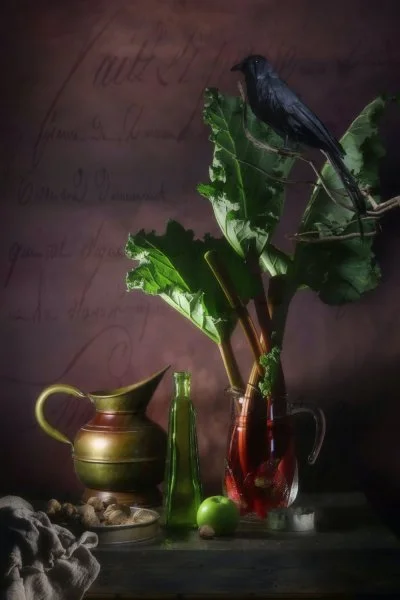
Exploring the work of renowned still life photographers can spark creativity and provide insights into arrangement and lighting techniques. Moreover, studying classic still life paintings, such as those by Cezanne, can offer valuable lessons regarding composition and color use that are directly transferable to photography.
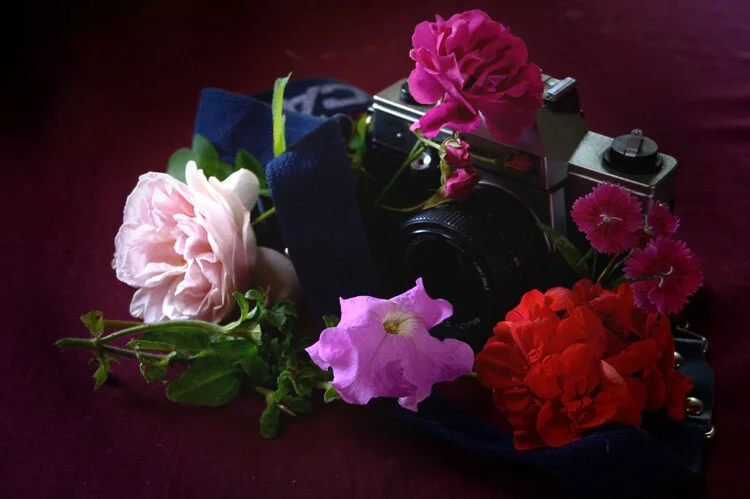
Embrace the learning process as you develop your unique style through observation and practice.
2. Master Sidelighting
Sidelighting introduces dynamic contrasts within your images, enhancing the perception of depth and dimensionality. Position your light source at a 45-degree angle to the subject to achieve a beautiful interplay of light and shadow.
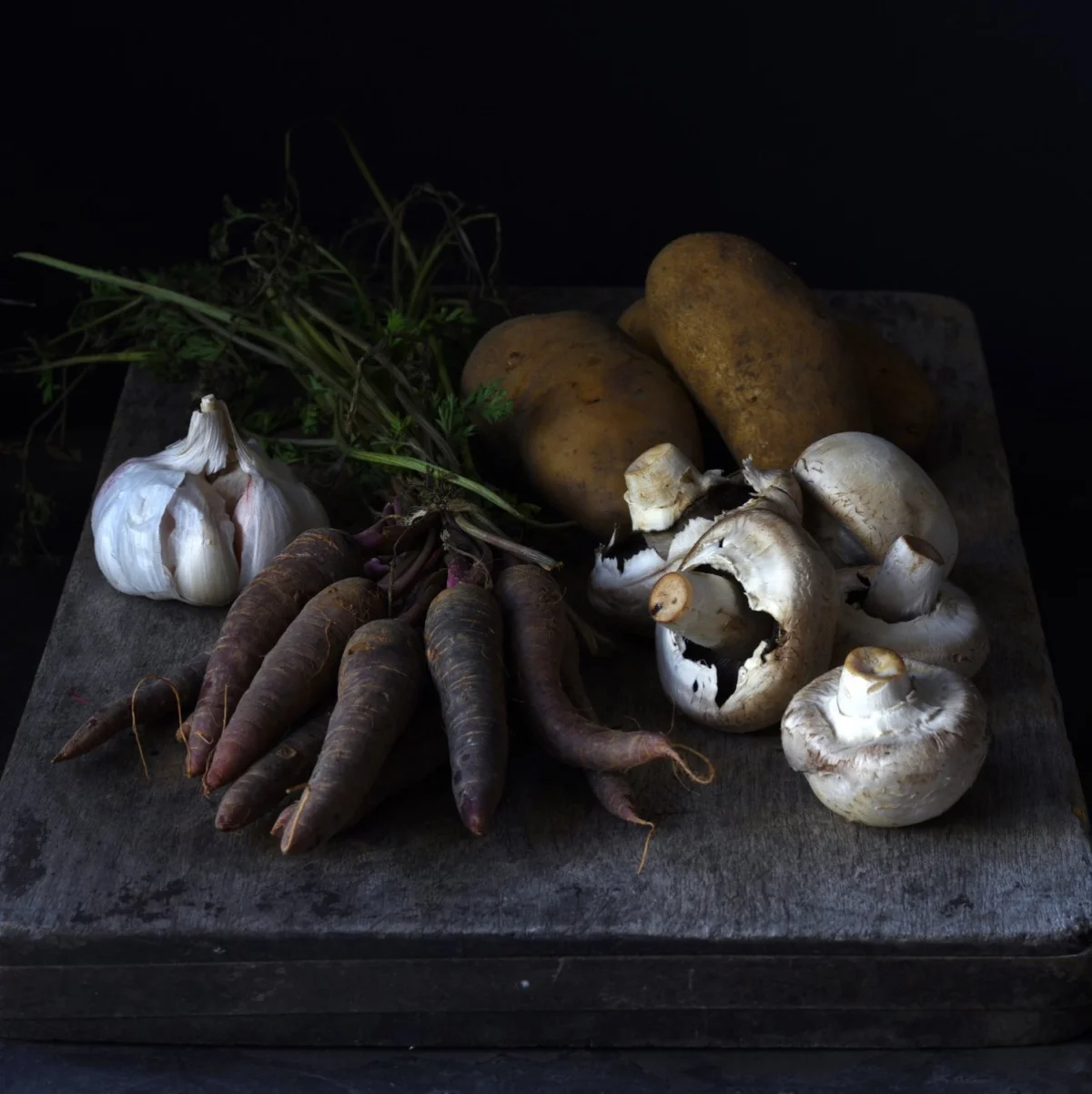
Experimenting with sidelighting can transform ordinary objects into extraordinary visuals, provided you embrace the importance of angle and positioning.
3. Select Meaningful Subjects
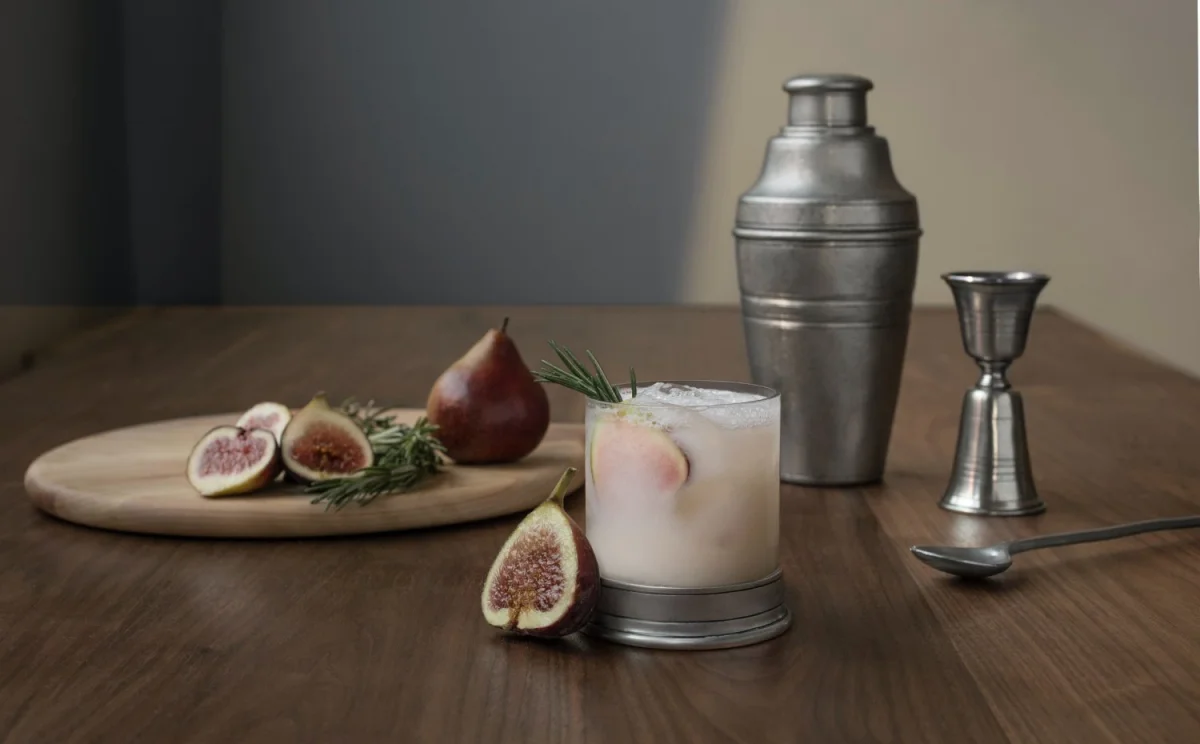
Choosing subjects that resonate personally helps cultivate your creativity. Stunning still life arrangements can originate from various sources, including everyday objects in your home, flea markets, or nature. Consider what holds significance for you: family heirlooms, favorite books, or even found arrangements that tell a story or invoke nostalgia.
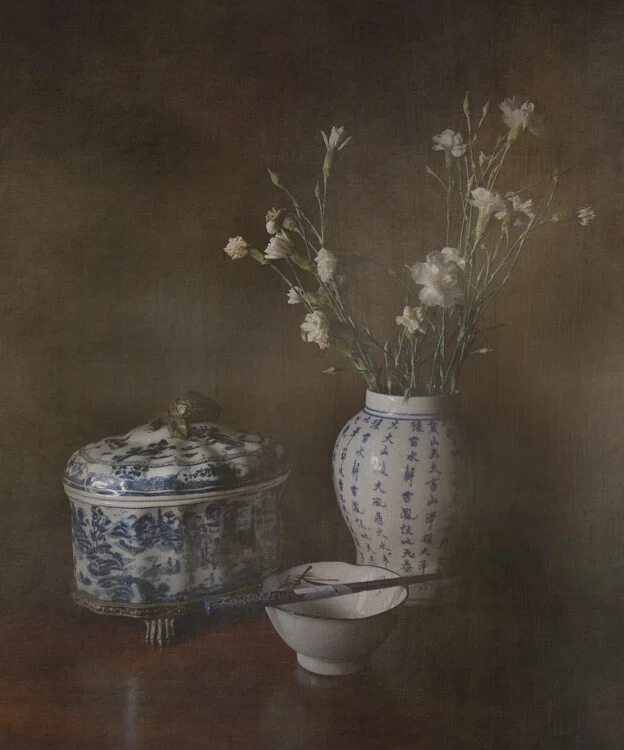
Your passion for the items you select can translate into visually compelling photographs, enriching the narrative behind each shot.
4. Develop a Theme
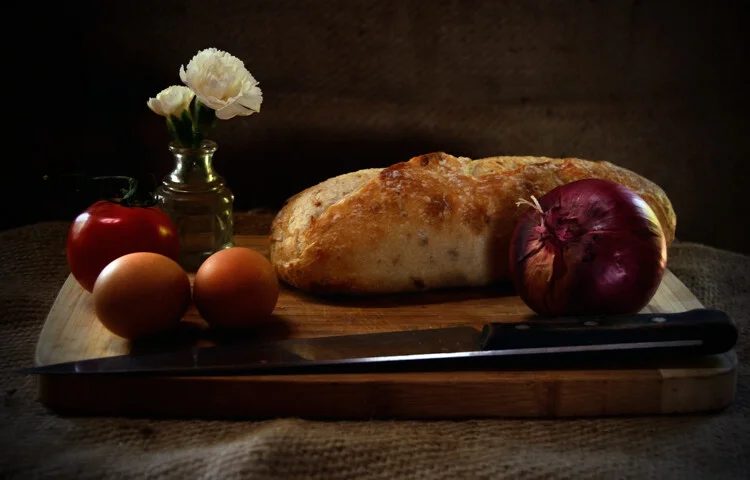
Themes breathe coherence into your still life compositions. Selecting a consistent color palette, season, or concept can push you to think deeper about the message you wish to convey. For instance, focus on a specific color such as blue, gathering items across different textures and forms within that palette. Such thematic collections not only create visual harmony but can also elicit deeper emotional responses.
5. Choose Backgrounds Wisely
The background is vital in framing your still life subjects. Avoid distracting patterns or colors; opting for simple fabrics or surfaces will keep the viewer's attention focused on your main subject. Remember to iron out wrinkles to prevent distractions! Experimentation is your ally here—test various textures and backgrounds that may enhance your composition.
As you refine your technique, consider employing depth of field creatively, such as producing a soft background blur that can make your subject stand out vibrantly.
6. Explore Light Painting
Light painting is an engaging way to cultivate creativity in your still life photography. By utilizing long exposure settings while moving a light source, you can “paint” highlights onto your subjects, adding a magical quality to your images.
This technique requires minimal equipment and can greatly elevate your creative possibilities with everyday subjects.
7. Use Artificial Lighting for Control
Once you’ve grasped natural light techniques, incorporating artificial lighting can offer more precise control over your setups. Affordable options like speedlights or studio strobes can effectively illuminate your subjects, particularly when paired with softboxes to diffuse harsh lighting.
Artificial lighting can open new avenues for creative exploration and experimentation, amplifying your artistic capabilities.
8. Experiment with Angles
The angle of your shot can impart varied emotions and spatial dynamics to your images. While a frontal view establishes familiarity, adopting higher or lower angles can enhance depth and perspective. Testing various camera heights can yield exciting new visual narratives. Don’t shy away from unusual perspectives; the results might surprise you!
9. Edit Thoroughly
Never underestimate the power of post-processing to elevate your still life images. Utilize software like Lightroom or Photoshop to perform basic adjustments—including white balance, contrast, and saturation—to effectively enhance your photographs. As you gain confidence, consider techniques like HDR imaging or the addition of textures to develop a painterly effect.
Final Thoughts on Still Life Photography
The realm of still life photography presents myriad opportunities for creative exploration and skill enhancement. By utilizing the themes and techniques discussed above, you can sculpt compelling visual narratives that resonate with depth and emotion.
With practice, an open mind for experimentation, and a passion for storytelling, the art of capturing exquisite still life images is well within your capabilities. Engage with your subjects, push your creative boundaries, and most importantly, enjoy the artistic process!
What still life subjects are you excited to capture? Which tips resonate most with you? Share your thoughts and experiences in the comments below!
The post Still Life Photography: The Ultimate Guide (+ 9 Tips) appeared first on Digital Photography School. It was authored by Lea Hawkins.


