Capturing Floréal: A Photographer’s Journey Through Singapore and London
| Shelf | Cameras & Lenses |
|---|---|
| Date in | |
| Readers | 995 |
Explore the photographic adventures of Nick DeMarco through Singapore and London using a variety of cameras and techniques, including the Fuji X-T3 and Leica M10-R.

Floréal: Week 1 - Fuji X-T3
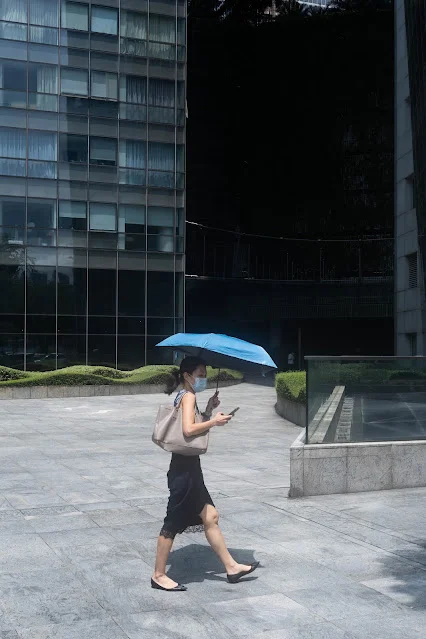
Welcome to Floréal, the eighth month of the French Republican calendar, marking the start of my photography project running from April 20 to May 19, 2023. This project aims to capture the essence of two vibrant cities, Singapore and London, through the lens of various camera systems, effectively allowing for a comparative analysis of both environments.
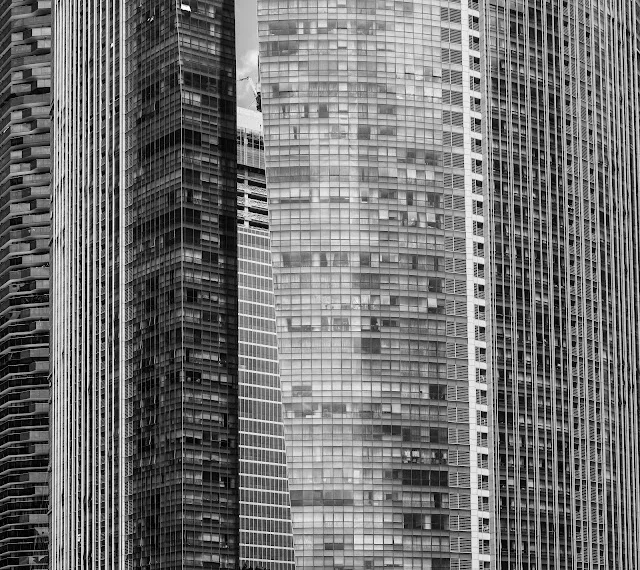
During the initial week, I traveled to Singapore, a city I cherish for its vibrant street life and captivating architecture, perfect for capturing compelling photographs. Walking through its bustling neighborhoods, I found myself surrounded by a mix of modern skyscrapers and traditional shophouses, providing a visually stimulating backdrop that’s impossible to ignore.
For this journey, I chose the Fuji X-T3, a camera that stands out for its compact size, light weight, and fast autofocus. This camera, along with my Leicas, serves as one of my preferred tools for street and everyday photography. The X-T3 allows for quick reactions—the heart of street photography—while its intuitive controls offer significant flexibility in dynamic shooting situations.
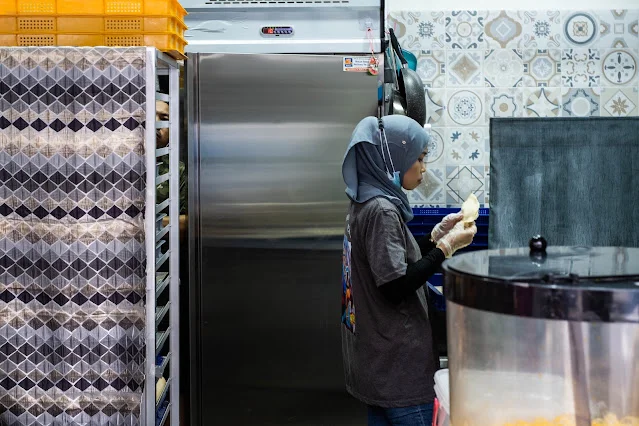
Accompanying the X-T3 was the Fujinon XF27mm F2.8 R WR pancake lens. Its small dimensions and focal length, equivalent to roughly 40mm, make it ideal for versatile photography. The unobtrusive nature of this lens enables candid photography, where the subject remains unaware. Additionally, I packed the Fujinon XF35mm F1.4 R lens—a classic among Fuji enthusiasts. While some users critique its autofocus speed, it provides sharper image quality and slightly longer focal reach, akin to 50mm—perfect for portraits or isolating subjects in busy environments.
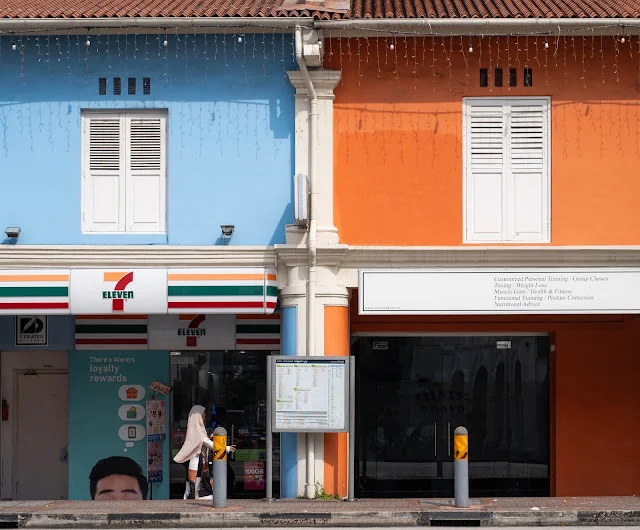
I also included the compact XF16mm F2.8 R lens, renowned for its sharpness, providing a 24mm equivalent perspective. This is particularly useful for capturing wider scenes, from city skylines to crowded markets, adding a unique viewpoint to my collection.
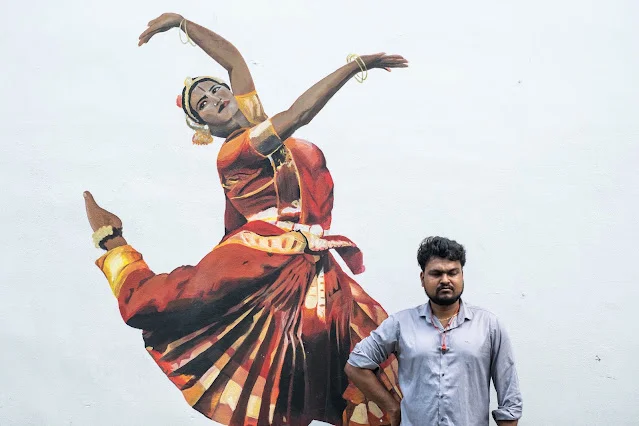
Despite my positive experiences, I encountered a significant challenge—lens fogging due to the humidity when transitioning from air-conditioned spaces to the moist outside. It's a classic issue in tropical climates. Misting primarily affected the rear element, necessitating frequent lens changes to maintain clarity. This serves as a reminder: preparation and adaptability are essential, especially in unpredictable environments.
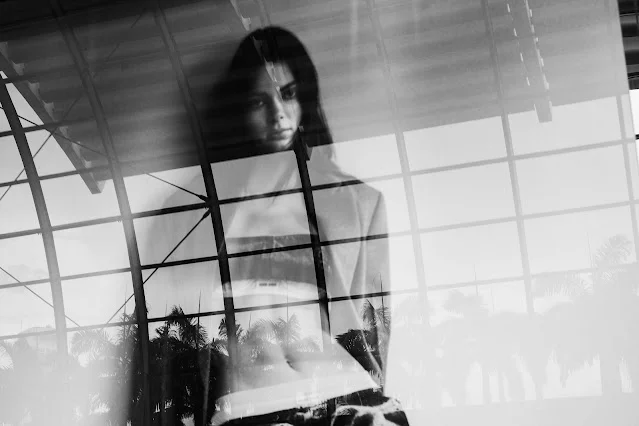


Floréal: Week 2 - Leica M10-R
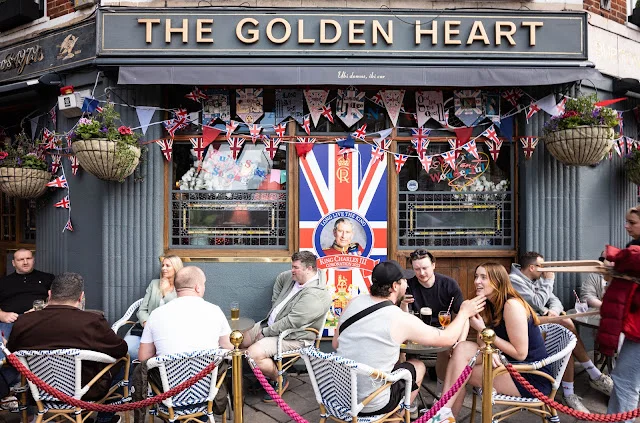
Upon returning to London, I seized the opportunity to acquire a second-hand Leica M10-R at a favorable price. The transition from the M240 to the M10 series offered a notable enhancement in quality and reduced size, establishing the M10-R as an enticing upgrade. Leica's evolution in the M series reflects a meticulous attention to detail that hardcore enthusiasts can appreciate—the M10-R embodies this philosophy.
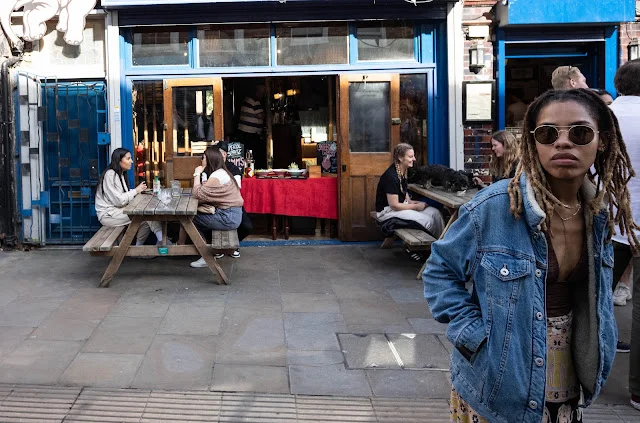
The M10-R boasts 40MP resolution, expanding my capacity for large prints and substantial cropping without loss of image fidelity. Sharpness and detail are vital, especially for those who appreciate the nuances of fine art photography. Marked improvements have also been observed in high ISO performance; based on various reviews and personal experimentation, I’ve established optimal high ISO ratings for my Leica cameras. The M10-R’s performance up to 12,500 ISO stands out among its peers, enhancing low-light shooting capabilities significantly.
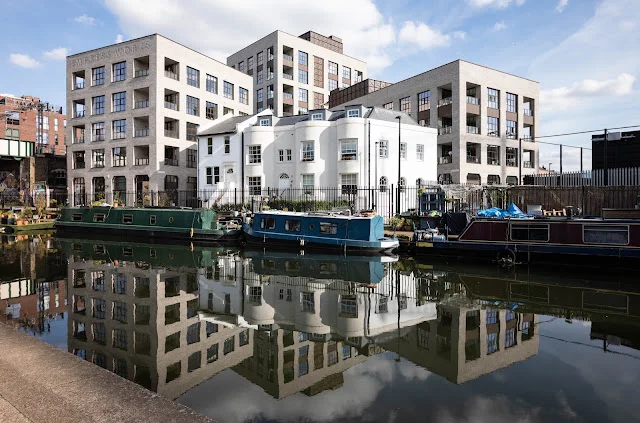

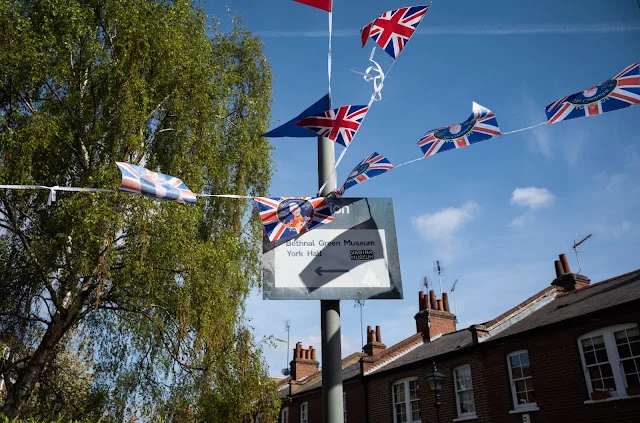
With improved dynamic range compared to the M10, highlight recovery is better, adding another layer of versatility to my workflow. Every photographer knows the importance of preserving details in both shadows and highlights. Moreover, the quieter shutter of the M10-R is a welcome feature, particularly for candid photography. This subtlety means less obtrusiveness during street scenes, allowing for a more genuine interaction between the photographer and subjects.
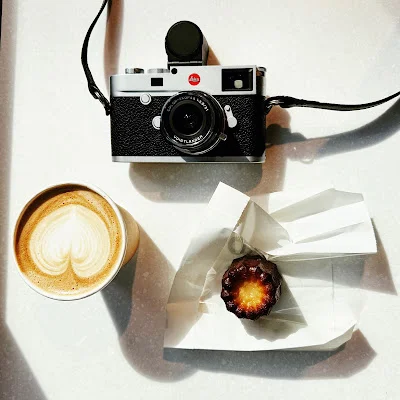

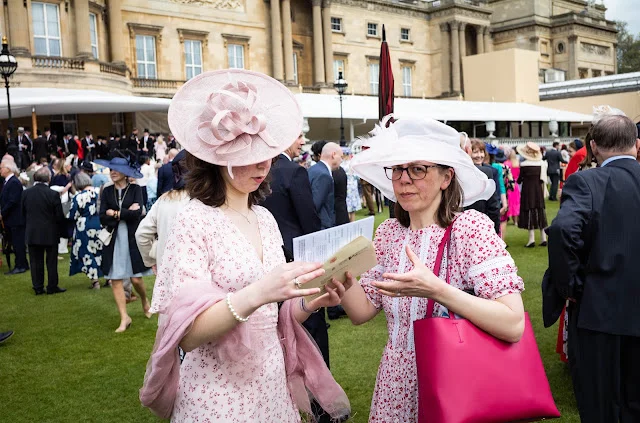
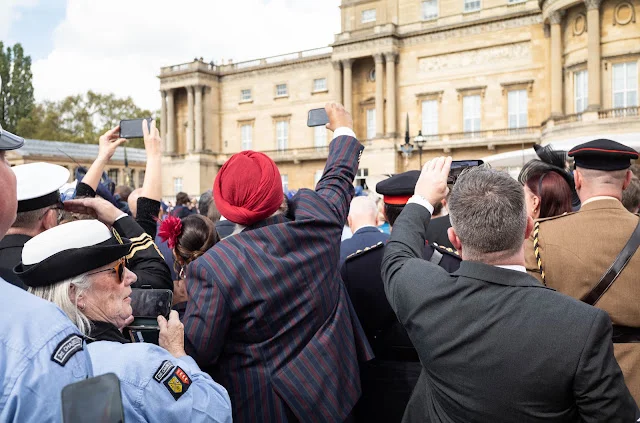
I utilized various lenses on the M10-R, including the Voigtländer 21mm Color-Skopar f3.5 and the Leica Summicron 28mm Asph f2, pushing the boundaries of composition and creativity. By alternating between these lenses, I can adapt my approach based on the scene in front of me. Some might say that's limiting—an argument I find amusing. Each lens invites its unique story. You see your subject differently depending on the glass in front of your eyes.
Floréal: Week 3 - Leica SL2-S
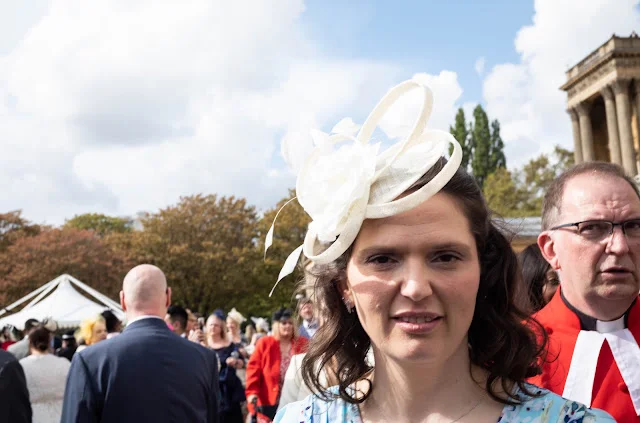
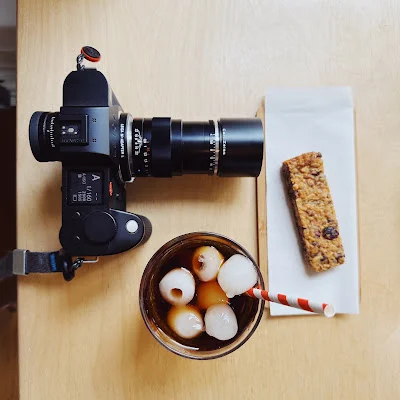
In week three, I revisited my Leica SL2-S, which has emerged as a top contender among all my Leica bodies. This camera’s functionality, excellent electronic viewfinder (EVF), and compatibility with various manual lenses contribute to its versatility as a superb camera. Its user interface embodies that intuitive design Leica has mastered, allowing users to spend less time fumbling through settings and more time focusing on what truly matters—the photograph.
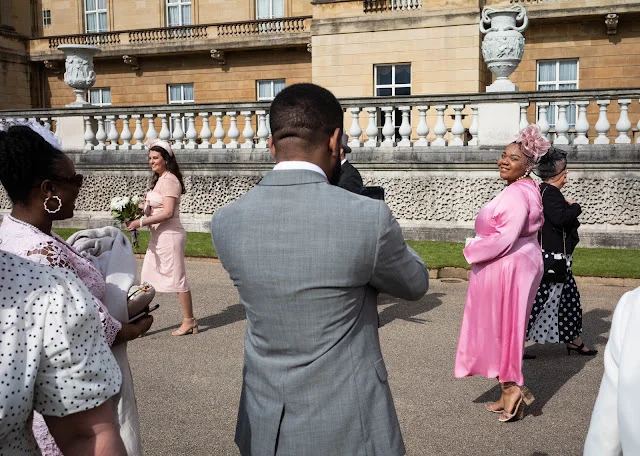
The Leica SL2-S is not only user-friendly but also exceptionally well-balanced. It encounters little resistance when shooting. However, its larger size and weight compared to rangefinders can detract from its overall appeal for everyday use. For those interested in a lightweight option, this could be a downside. But for serious photographers, the trade-off is often worth it, particularly for the high-quality results the SL2-S produces.
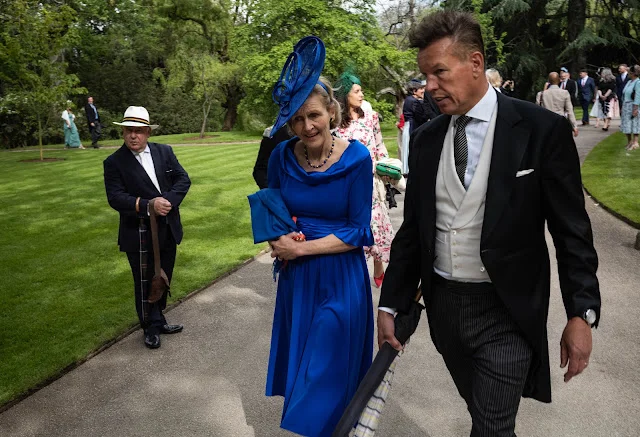

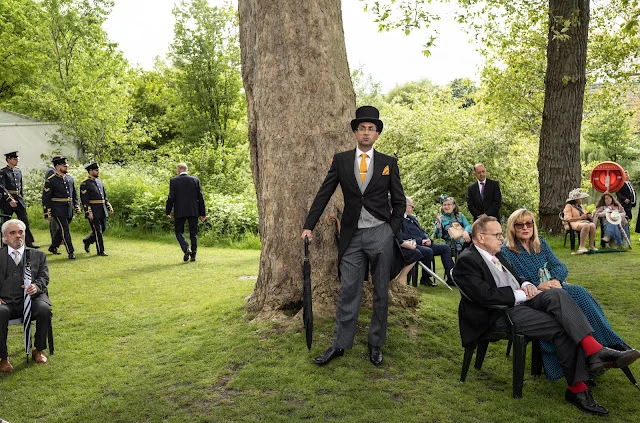
The lenses I chose for the SL2-S included the Zeiss 50mm Sonnar-C f1.5 ZM, the 85mm Tele-Tessar T* f4 ZM, and the Voigtländer 75mm Nokton f1.5 Asph VM. Each lens offers distinctive imaging qualities that enable creative expression and enhance composition. Opting for these specific lenses allows for depth, especially when capturing portraits, as the bokeh and sharpness can contribute to the emotional resonance of an image.
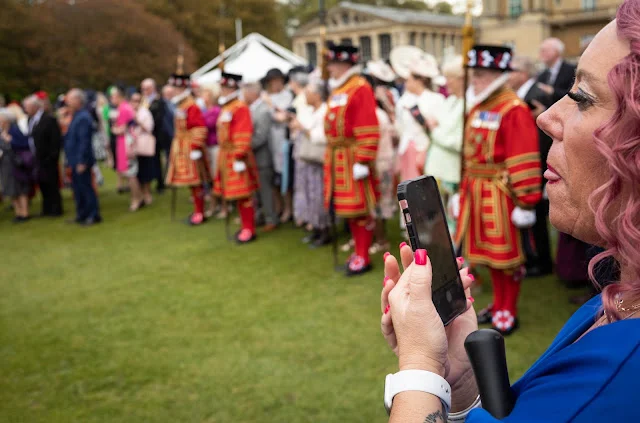
Throughout the month of Floréal, all my photography endeavors—across Singapore and London—culminate in a vast collection of images that illustrate the relationship between my chosen tools and the moments captured. What does it mean, you might wonder? Each camera has its personality, and through interacting with these tools, I find myself growing as both a photographer and an individual. You can view all of these photographs in my Flickr album here.
Thank you for joining me on this photographic journey.
Nick
Implications and Significance
What I’ve documented during this project extends beyond simple photography; it provides insights into the tools that drive artistic expression. As technology evolves, so do the expectations from equipment. The importance of understanding both digital and manual controls can’t be overstated. If you’re working in this space, familiarity with your gear translates to confidence in producing your vision—something that can't be purchased but must be cultivated. This realization could shape not only how photographers perceive their work but also how they interact with the world around them.

As we look at future innovations in camera technology, there’s a blend of anticipation and skepticism. We must ask ourselves: will advancements serve the art of photography, or will they simply contribute to a cycle of consumerism? This exploration of function versus form continues to be a relevant discussion—one that every photographer needs to engage with.