Comprehensive Guide to Stag Beetles: The Lucanidae Family
| Shelf | Editing & Software |
|---|---|
| Date in | |
| Readers | 526 |
Explore the fascinating world of stag beetles in the Lucanidae family, featuring identification tips, regional variations, and captivating photographs.

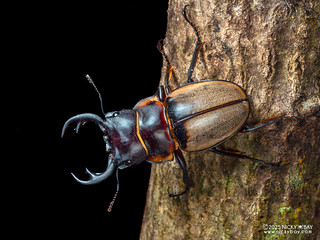
Stag Beetles belong to the family Lucanidae, renowned for their distinctive physical attributes, particularly the males' extraordinary, antler-like jaws. These mandibles serve a vital purpose beyond mere aesthetics; they are instrumental in male-to-male battles for dominance, mating opportunities, and territory. This makes them a profound symbol of power and assertiveness within their species, revealing intricate facets of their behavioral ecology that are often overlooked.
Etymology of the Lucanidae
The name Lucanidae finds its roots in the Latin term Lucanus, which is a reference to Lucania, a historic region in Italy. This etymological link not only highlights the insect's historical significance but also underscores the cultural connections humans have established with them throughout ages. Fascination with these beetles can be traced back to ancient civilizations; records by Pliny the Elder indicate that their impressive mandibles were once fashioned into protective amulets for children. This ancient practice illustrates the deep-seated respect and intrigue people have held for these remarkable insects. Their presence in folklore and early medicine reflects how the natural world has historically intertwined with human beliefs and practices.
Personal Checklist: Encounters with Stag Beetles
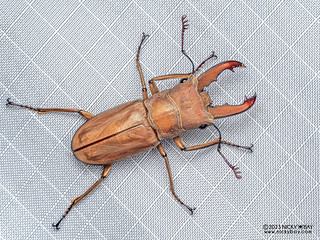
In this guide, I've compiled my personal checklist of stag beetles (Lucanidae) collected over the years, with assistance from vibrant communities on platforms like Flickr, Facebook, and iNaturalist. Each identification process involved meticulous cross-referencing with scientific literature to ensure accuracy, highlighting the dedication required for thorough entomological research.

All photographs featured were captured in the beetles' natural habitats, predominantly showcasing their dorsal view, when possible. These detailed images offer a richer understanding of their exquisite detail and diversity. Since specimens weren't collected, all identifications rely on photographic evidence; as such, any corrections or updates from the community are not just welcomed, they are encouraged.
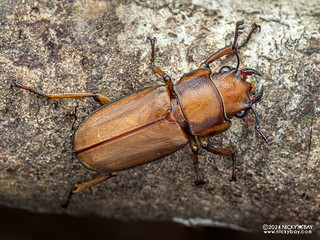
You can explore my complete collection on Flickr: Lucanidae – Stag Beetles.

Region-Specific Observations
This guide presents a systematic checklist organized by regions. By clicking on any specified area, you can filter the records found in that locale, enhancing your understanding of local stag beetle species. This feature serves both amateur entomologists and enthusiasts, enabling them to appreciate the unique biodiversity present in their own backyards. Observations contribute to valuable data sets that could inform wider ecological research.

Classification Overview
Kingdom: Animalia
Phylum: Arthropoda
Class: Insecta Linnaeus, 1758
Order: Coleoptera Linnaeus, 1758
Superfamily: Scarabaeoidea Latreille, 1802
Family: Lucanidae Latreille, 1804
Subfamily: Lucaninae Latreille, 1804
Tribe: Aegini Maes, 1992
Genus: Aegus MacLeay, 1819
Singapore: Aegus parallelus (Hope & Westwood, 1845) ♂


West Malaysia: Aegus sp.

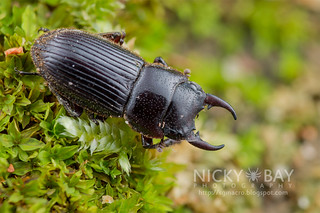
Singapore: Aegus sp.
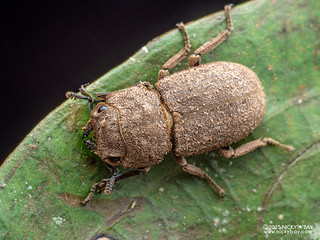

Tribe: Allotopini Maes, 1992
Genus: Allotopus Albers, 1894
East Malaysia: Allotopus moellenkampi (Fruhstorfer, 1894) ♂


East Malaysia: Allotopus moellenkampi (Fruhstorfer, 1894) ♀


Tribe: Figulini Burmeister, 1847
Genus: Figulus Macleay, 1819
Singapore: Figulus delicatus Bomans, 1987
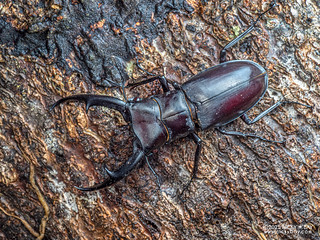

Tribe: Lucanini Latreille, 1804
Genus: Cyclommatus Parry, 1863
West Malaysia: Cyclommatus lunifer Boileau, 1905 ♂


Genus: Dorcus MacLeay, 1819
East Malaysia: Dorcus reichei Hope, 1842 ♀


Genus: Prosopocoilus Westwood, 1845
Thailand: Prosopocoilus astacoides ssp. fraternus Hope, 1845 ♂


East Malaysia: Prosopocoilus occipitalis Hope & Westwood, 1845 ♂
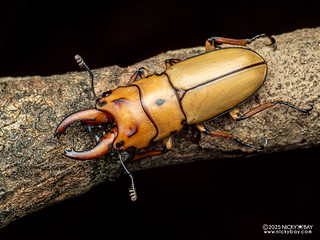

This list continues with myriad genera and species, each showcasing the rich diversity within the Lucanidae family. If you’re an entomologist or simply a casual observer, the nuances involved in stag beetle identification can be both daunting and rewarding. You’ll find that the tiniest variation can lead enthusiasts down intriguing paths of discovery, illustrating nature's complexity.

Engagement and Contributions
As this checklist evolves, input and suggestions for corrections from fellow enthusiasts are genuinely appreciated. Your contributions play an integral role in not only enhancing this guide but also in fostering a greater awareness of the intricate world of beetles. Creating a collaborative environment amplifies the scope of our collective knowledge.

Why does this matter? Engaging with communities on social platforms or through specialized forums like iNaturalist can help cultivate a shared passion for these extraordinary insects. Each beetle represents a small yet vital piece of the ecological puzzle. Understanding their roles contributes to our overall knowledge of biodiversity and the health of ecosystems.

Let’s not just catalog stag beetles; let’s celebrate their captivating nature and inspire a future generation of naturalists and ecologists to explore the incredible diversity of insect life. This engagement could lead to research breakthroughs or simply ignite a passion, reminding us that the smallest creatures can have a profound impact on our environment.

The Future of Stag Beetle Research
As awareness of ecological issues grows, the significance of stag beetles in biodiversity conservation cannot be overstated. Research around this family can lead to greater insights into habitat preservation, the effects of climate change, and much more. Scientists and enthusiasts alike must remain vigilant regarding habitat loss and other anthropogenic factors impacting their populations.

What's clear is that passion drives research. If you find yourself intrigued by stag beetles, consider contributing observations or engaging in amateur collections. Keeping community spirit alive can cultivate a new era of scientific discovery.

Stag beetles are more than mere specimens; they’re emissaries of their ecosystems, reflecting broader environmental health. Melding community engagement with scientific inquiry could yield insights that significantly alter the approaches to conservation and biodiversity studies in the future.