Comprehensive Erotylidae Checklist: Your Guide to Pleasing Fungus Beetles
| Shelf | Photo Techniques |
|---|---|
| Date in | |
| Readers | 688 |
Explore the detailed Erotylidae checklist focusing on the captivating Pleasing Fungus Beetles with images and classifications from various regions.
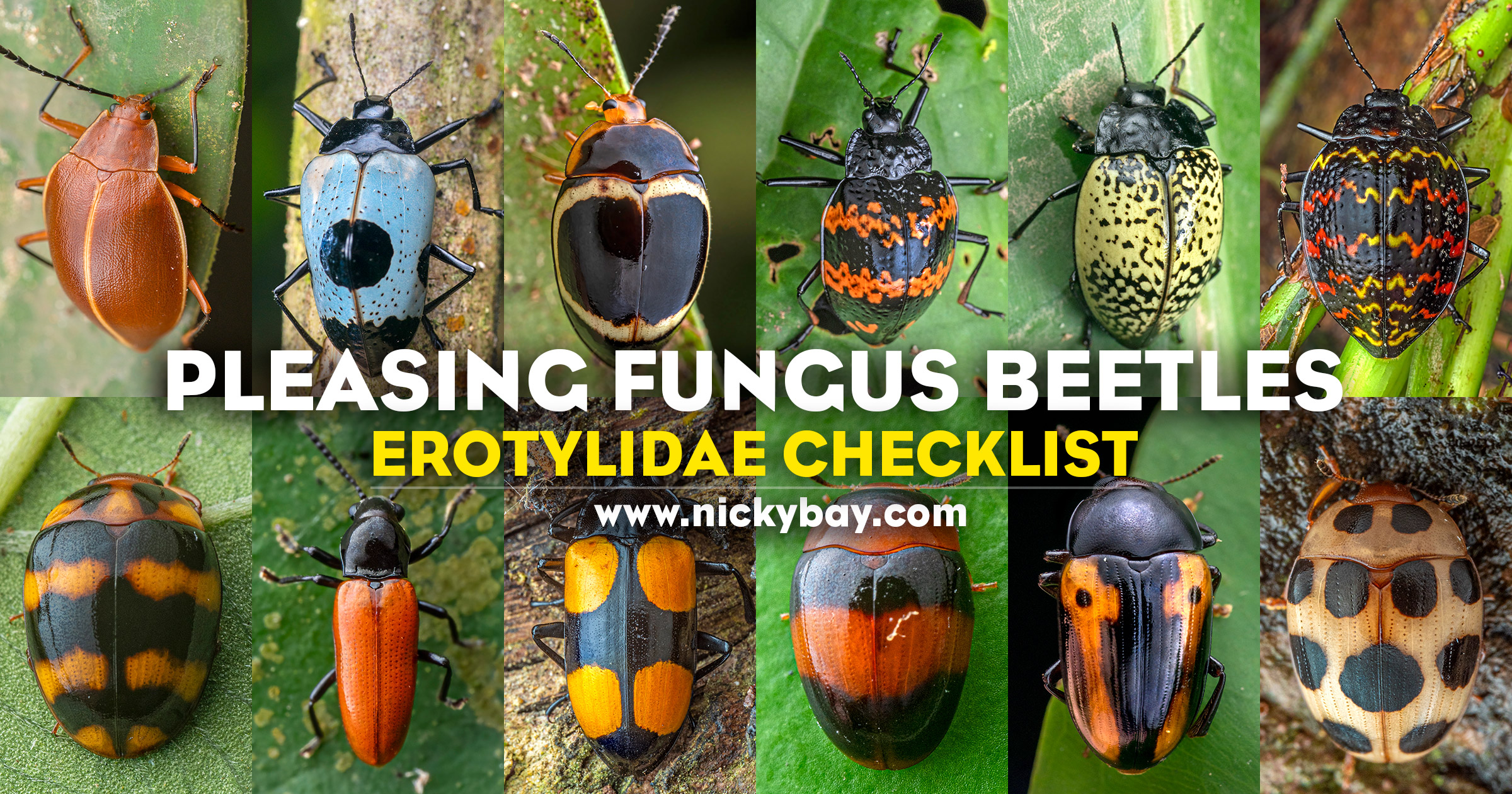
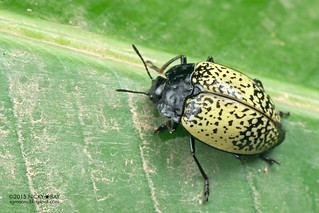
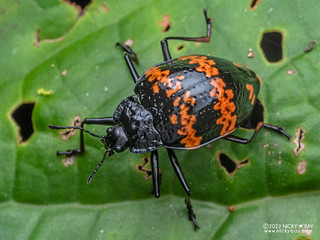
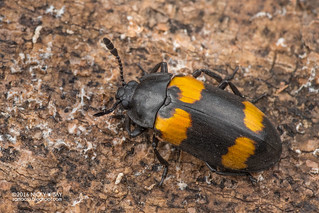
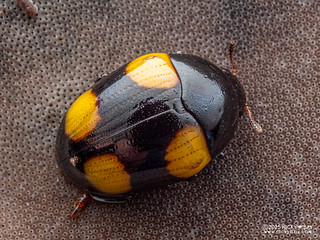
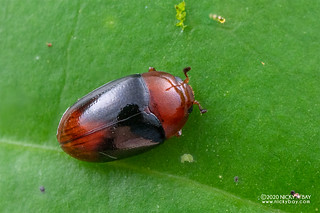
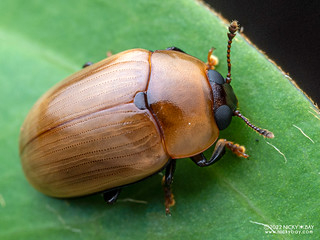
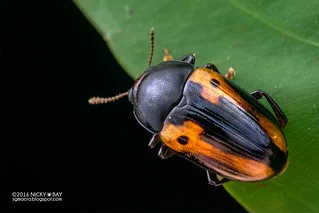
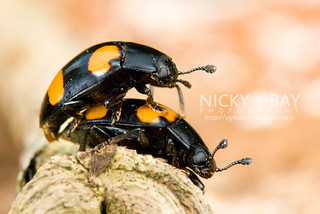
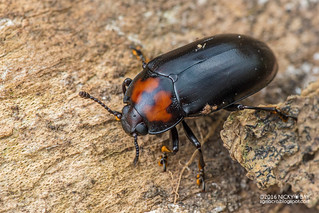
Pleasing Fungus Beetles, belonging to the family Erotylidae Latreille, 1802, are strikingly colorful and hairless insects. These beetles stand out due to their unique clubbed antennae and the distinct five-jointed tarsi which set them apart from other beetle families. Despite the prevailing notion that they primarily feed on fungi, it’s not often that they’re spotted in proximity to fruiting fungi, making these encounters even more intriguing for enthusiasts and researchers alike.
Etymology
The name Erotylidae is derived from the type genus Erotylus, following its division from the former family Languriidae, now categorized as a subfamily within Erotylidae. The term Erotylus originates from the Greek word erōtylos, which translates to "darling" or "sweetheart." The use of “pleasing” in their common name likely highlights the large size and vibrant patterns showcased by numerous species within this family. This linguistic choice may also reflect the aesthetic appeal the beetles hold for both casual observers and dedicated entomologists.
Checklist Overview
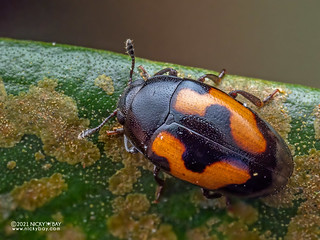
This document features a personal checklist of all Pleasing Fungus Beetles (Erotylidae) I have encountered through my explorations over the years. Many of these specimens were identified with assistance from the knowledgeable community on platforms like Flickr and Facebook, particularly with contributions from individuals like Boris Büche and David Ball. Collaboration within these communities not only enriches individual knowledge but also fosters a collective understanding of biodiversity.
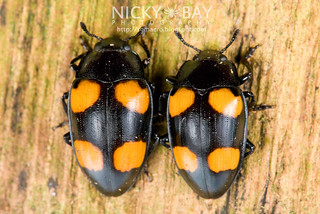
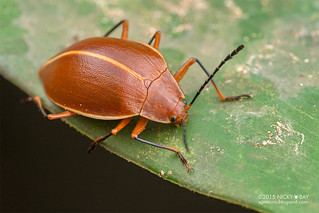
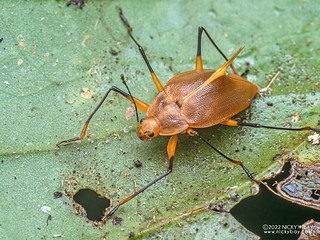
All the images presented are of live subjects documented in their natural habitats, consistently opting for dorsal views when available. The focus on live documentation is particularly important, as it allows for a better understanding of behaviors and environmental interactions. Since specimens were not collected for analysis, identifications were solely undertaken through photographic evidence and may not possess complete accuracy. Any feedback regarding potential misidentifications would be greatly appreciated, as this page will be updated regularly. The community-driven approach in this endeavor underscores the importance of collaborative efforts in scientific observations.
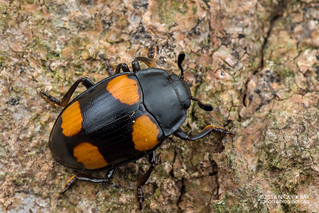
For a complete visual collection, check out my Flickr photo set: Erotylidae – Pleasing Fungus Beetles.

Geographical and Taxonomic Classification
The array of Pleasing Fungus Beetles spans several regions, contributing to a rich tapestry of biodiversity. Their classification offers insight into both their evolutionary history and ecological significance. Breaking down their taxonomy helps illustrate the relationships within the insect world:

Class: Insecta Linnaeus, 1758
Order: Coleoptera Linnaeus, 1758
Family: Erotylidae Latreille, 1802
Subfamily: Erotylinae Latreille, 1802
Tribe: Dacnini Arrow, 1925
Genus: Endytus Bedel, 1882

East Malaysia: Endytus bizonatus (Crotch, 1876)

Genus: Microsternus Lewis, 1887

Singapore: Microsternus sp. 252324


Singapore: Microsternus sp. P7024041

Genus: Nesitis Bedel, 1882

East Malaysia: Nesitis attenuata (Crotch, 1876)
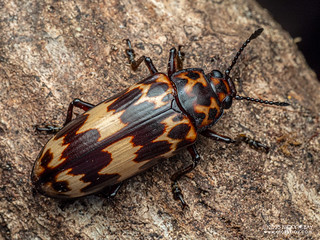
Genus: Triplatoma Gray, 1832

Indonesia (Kalimantan): Triplatoma cypraea Bedel, 1882


Singapore: Triplatoma cypraea Bedel, 1882
Behavior and Ecology
Pleasing fungus beetles exhibit a fascinating array of behaviors that are often overlooked. Observational studies indicate that they engage in mating displays, which can be quite extravagant, showcasing their vibrant coloration as part of courtship rituals. These displays may serve to attract mates in a visually dynamic manner, which could result in higher reproductive success. Factors influencing this behavior could include environmental cues such as humidity and light, which seem to play a role in their mating readiness and activities.
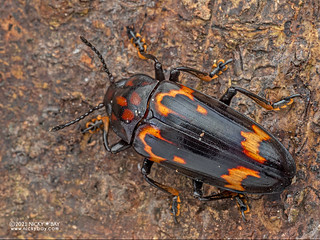
Beyond their mating rituals, the ecological role of Pleasing Fungus Beetles should not be underestimated. While these beetles are often seen near fungi, the specifics of their diet and interactions with these organisms require further exploration. They might contribute to processes such as decomposition and nutrient cycling, acting as essential links within their ecosystem. Understanding their exact role in these processes can enrich our overall knowledge of forest ecology and the intricate relationships that define it. What does this imply for researchers? There's much more to learn.

Future Outlook and Significance
The future of Pleasing Fungus Beetles and their habitats is subject to various environmental pressures. Habitat destruction, climate change, and pollution represent significant threats that could impact their populations and distributions. As researchers continue to observe and document these beetles, this can lead to greater awareness of the broader ecological impacts these insects may have.
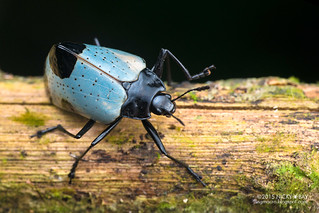
Monitoring their populations can also provide indicators for overall ecosystem health. If you’re working in this space, consider how contributing your observations could play a role in conservation efforts or contribute to biodiversity studies. Documenting changes in their behavior and distribution trends might highlight shifts in ecology that could signal deeper environmental issues. By raising awareness of Pleasing Fungus Beetles, we may also promote a greater appreciation for the complex webs of life they inhabit.
Conclusion
The Erotylidae family encapsulates a vibrant niche within the insect world. Continued observation, photography, and community identification efforts are vital for enhancing our understanding of their diversity and ecological contributions. By sharing your findings and contributing to collective knowledge, you help illuminate the fascinating interactions between these beetles and their environments.
Keep an eye on updates here for new sightings, contributions, and insights into the life of the Pleasing Fungus Beetles. This is just the beginning of a broader narrative that straddles the line between observation and ecological significance.