Exploring the Optik Oldschool SantaColor 800 Film: A Comprehensive Review
| Shelf | Cameras & Lenses |
|---|---|
| Date in | |
| Readers | 441 |
Dive into the Optik Oldschool SantaColor 800, a high-speed color-negative film that boasts vibrant colors and unique characteristics, suitable for both enthusiasts and professionals.
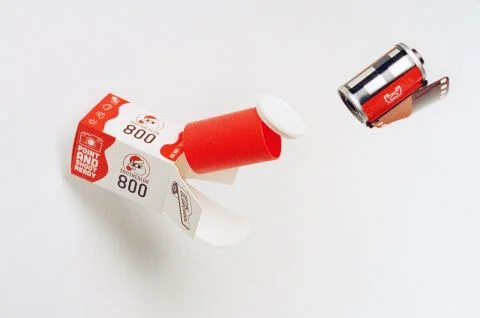
Optik Oldschool SantaColor 800 is a high-speed color-negative film that has recently garnered attention for its attractive packaging and intriguing characteristics. Originally rooted in the Finnish film market, this brand is now thriving under the expertise of the German Optik Oldschool film lab, which assures quality and creativity in its offerings.
This review highlights the distinctive elements of SantaColor 800, discussing its name's origins, color rendition, grain structure, dynamic range, and home development and scanning techniques. Additionally, it will provide pricing and purchasing information, making it a go-to guide for photographers considering this film.
Why the Name, Santa? A Brief History
The story of the SantaColor brand is tightly interwoven with its creator, Juho Leppänen, founder of Kamerastore, who initiated the brand to cater to the demand for film among photographers. Launched around July/August 2019, SantaColor initially paid homage to the festive themes of Christmas, tying the concept of gift-giving to the brand’s offerings. The playful nature of its branding evokes the idea of surveillance—akin to the myth of Santa, who knows which children have been naughty or nice.
The first product under the Santa brand was Santa 1000, a black-and-white film sourced from the Russian Tasma factory, which became a key player in introducing film back into the market. However, the brand evolved quickly when it shifted focus to color film through a successful Indiegogo campaign to secure a bulk roll of Kodak aerial surveillance film, enabling broader access to previously unavailable options for photographers.
Now, as part of Optik Oldschool, SantaColor 800 has made its debut in December 2025. While the exact lineage of this film remains a bit obscure, it is confirmed that it is manufactured by Kodak, aligning it with their established reputation in the film industry.
The Color Characteristics
Photographers looking into SantaColor 800 will find it delivers medium-high saturation levels, with a slight tendency towards purple and green tones in the shadows—similar traits noticed with many Kodak films excluding the Portra series. Testing the film under overcast skies revealed vibrant color output, especially for hues like blue and orange. To achieve the best results, there's a noted benefit to overexposing by one stop, effectively treating SantaColor 800 as if it were rated at ISO 400-640. This practice helps to mitigate muddiness in the shadow areas during development.
Examples from real-world usage illustrate this; portraits shot in even lighting maintain their saturation while providing evidence of somewhat brownish shadow areas. Users are provided with clear guidance on exposure settings and can use editing techniques for enhanced color correction in post-production.
Grain, Resolution, and Sharpness
When evaluating grain structure, SantaColor 800 holds its own among contemporary ISO 800 color-negative films, with grain appearing fine and less intrusive than some black-and-white films available at that speed. Compared to Kodak’s Portra 800, SantaColor 800 may appear sharper owing to its elevated contrast levels; however, it’s essential to note that this often results in reduced dynamic range.
Users can expect impressive clarity when scanned through high-resolution devices, such as the Nikon SUPER COOLSCAN 5000 ED. While it may present a sharper image visually, the inherent contrast can lead to slight variances in tonal detail.
Contrast, Dynamic Range, and Exposure Tips
Unlike the widely praised Ektacolor Pro (Portra 800), known for its resilience to exposure alterations, SantaColor 800 shows variation with features like color casts emerging when exposure strays even by one stop. Therefore, while SantaColor 800 offers reasonable overall dynamic range, it is less forgiving with exposure errors.
For optimum performance, utilizing the DX code present on the film canisters allows automatic detection for film transport and settings—great for point-and-shoot cameras. Engaging in minor tweaks during exposure, such as slight overexposure, can help to alleviate some shadow noise while maintaining film integrity.
Home Scanning and Development Insights
For those interested in home development, SantaColor 800 can be processed traditionally in a typical color negative developer and scanned with a dedicated film scanner setup. Following standard procedures using tools like VueScan, photographers can create high-quality digital negatives. However, due to its lack of edge markings, careful labeling of film strips post-development is advised.
Cost Considerations
Launched in 2026, SantaColor 800 typically retails for $22-$25 in the US and may be a bit pricier when purchased in the UK or EU. While this price point may seem steep compared to other options, the demand for high-speed color-negative films can influence costs significantly depending on market availability.
Where to Buy
For interested buyers, SantaColor 800 can be sourced from the official Optik Oldschool website, as well as through partner stores that may offer competitive pricing. It’s worth ensuring stock availability to secure this unique film quickly.
In conclusion, the Optik Oldschool SantaColor 800 showcases a delightful blend of historical significance, vibrant color output, and technical versatility, making it a solid choice for both creative enthusiasts and seasoned professionals in the film photography community.