Explore Stunning Wildlife Photography from APOY 2026: Highlights and Techniques
| Shelf | Cameras & Lenses |
|---|---|
| Date in | |
| Readers | 544 |
Discover remarkable wildlife photographs from the APOY 2026 competition, along with insights on how to capture similar stunning images.
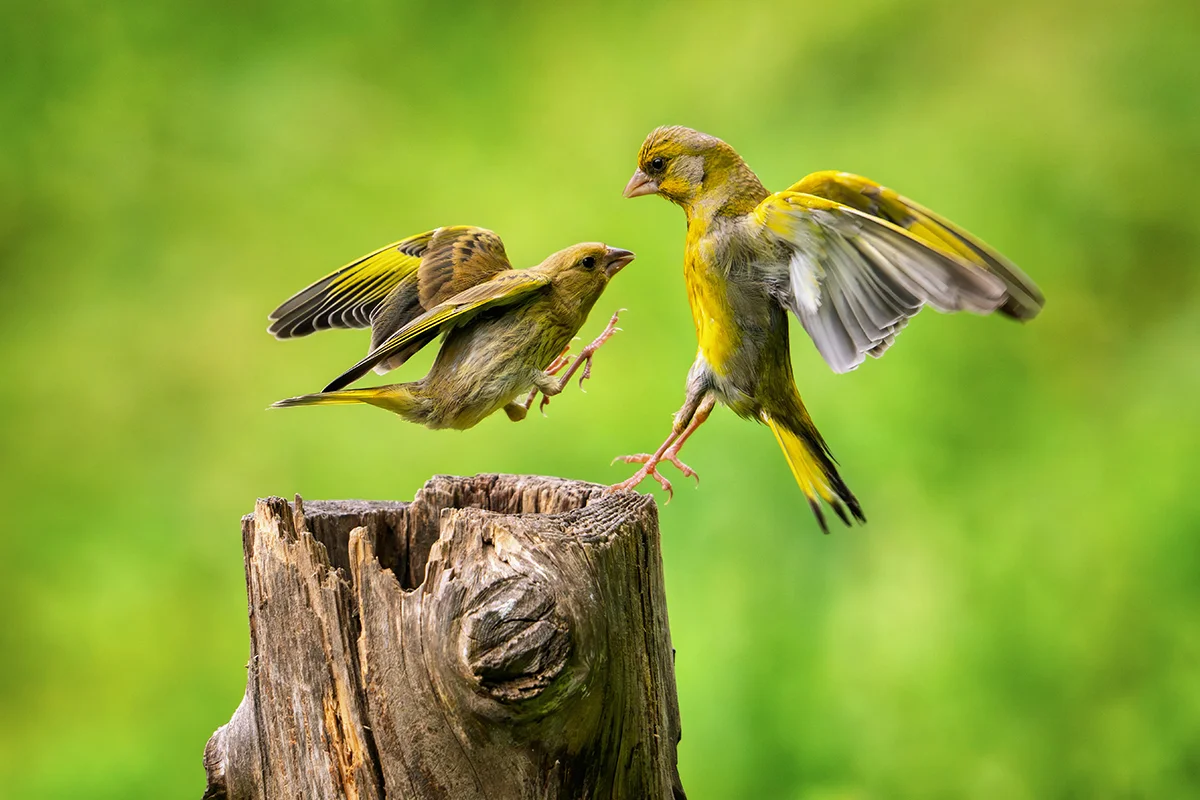
The International Amateur Photographer of the Year (APOY) has unveiled the winners for its Animal Kingdom category in 2026, showcasing a range of incredible wildlife photography. Alongside the top ten winners, we highlight other impressive images that embody creativity and technical skill, offering inspiration and insight for aspiring photographers.

The APOY competition invites non-professional photographers to compete across ten categories, fostering a vibrant community for both experienced and emerging talents. This year also features a specific Young Amateur Photographer of the Year competition, which welcomes photographers aged 13-21 to participate for free.
Stunning Works from the Shortlist
Brown-throated Sunbird by Richard Coulstock
Camera settings: Sony A7R V, FE 200-600mm F5.6-6.3 G OSS, 1/640 sec at f/8
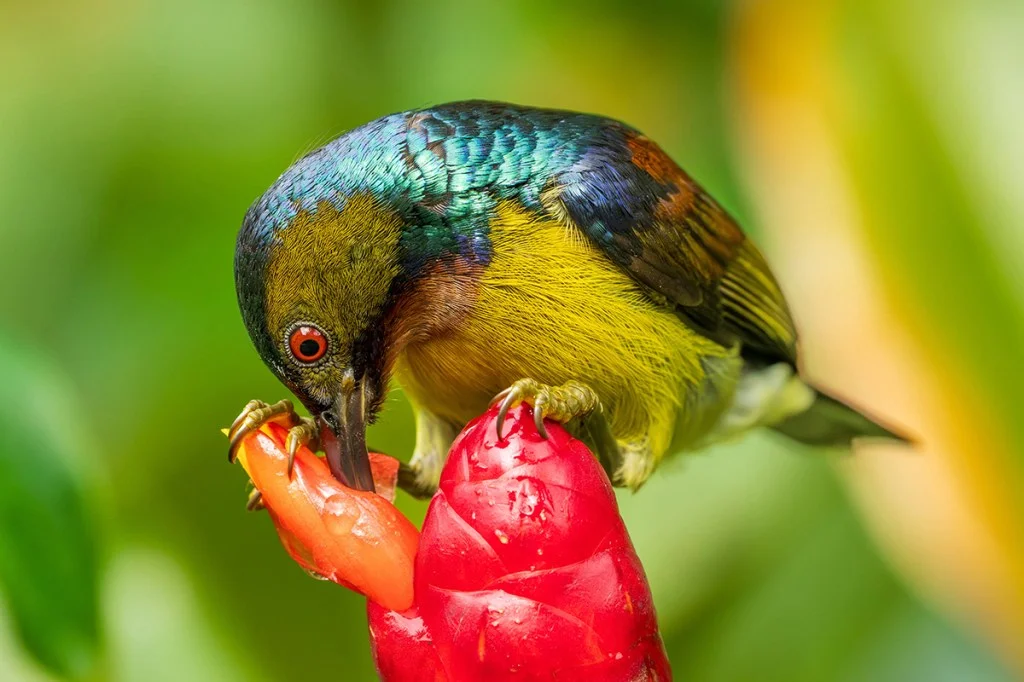
Richard Coulstock, who describes himself humorously on his photography platform, captures a vibrant brown-throated sunbird amidst the lush backdrop of Singapore Botanic Gardens. The camera settings he chose make the most of the 200-600mm lens, allowing him to achieve a beautifully blurred background that highlights the bird's intricate colors and expression. The bright red eye of the sunbird contrasts perfectly with the bright red hues of the flower, demonstrating not only Richard's technical skill but also his understanding of natural light and composition.

Tweet Fight Club by Sara Jazbar
Camera settings: NIKON Z 8, 180-600mm at 420mm, 1/3200 sec, f/6, ISO 1600
In “Tweet Fight Club,” Sara Jazbar brilliantly captures a moment of chaos as greenfinches engage in what appears to be a dispute. The choice of a fast shutter speed of 1/3200 sec freezes the action perfectly, which is especially challenging in bird photography. The lack of distractions in the background emphasizes the drama of the moment, and the dynamic positioning of the birds enhances the sense of action in this expertly composed image.
Fly Bubble by Roger Mepsted
Camera settings: SONY ILCE-1, 90mm, 1/160 sec, f/5, ISO 500

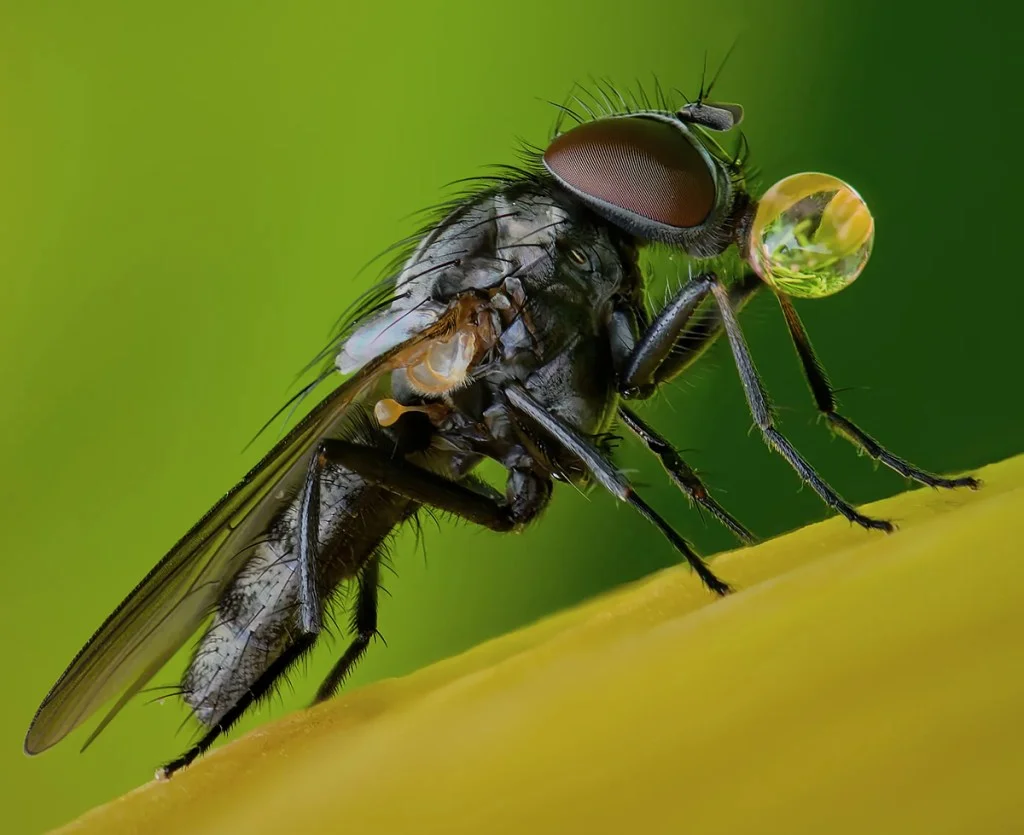
Roger Mepsted's close-up of a fly blowing a bubble invites intrigue and perhaps a touch of horror. Captured with incredible detail at a macro level, the image reveals the fly's hairy body and complex compound eyes. Roger's use of focus enhances the entity and the bubble's perfect spherical formation captivates, showcasing the detail possible within macro photography. This image encourages photographers to explore the beauty and strangeness of the tiny worlds around us.
Gecko on Leaf by Neil
Camera settings: SONY ILCE-7M3, 24-70mm at 70mm, 1/125 sec, f/2.8, ISO 2000
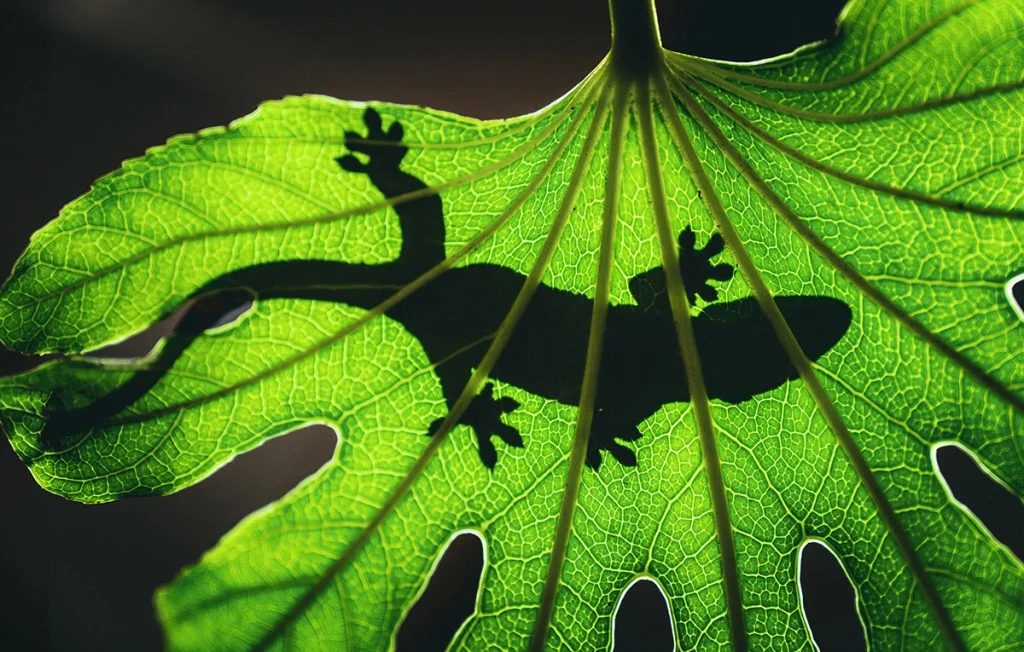
Neil's artistic approach in “Gecko on Leaf” offers a unique perspective. By capturing the silhouette of a gecko against a leaf, he creates a striking image that emphasizes shape and form. The lighting highlights the delicate features of the gecko while the contrasting dark background accentuates its presence. This photograph stands out for its creativity, demonstrating how thoughtful composition can transform a simple wildlife subject into a compelling visual narrative.
Blending In by Jakub Soulak
Camera settings: Canon EOS 6D, 500mm (converted to 700mm), 1/500 sec, f/5.6, ISO 1250
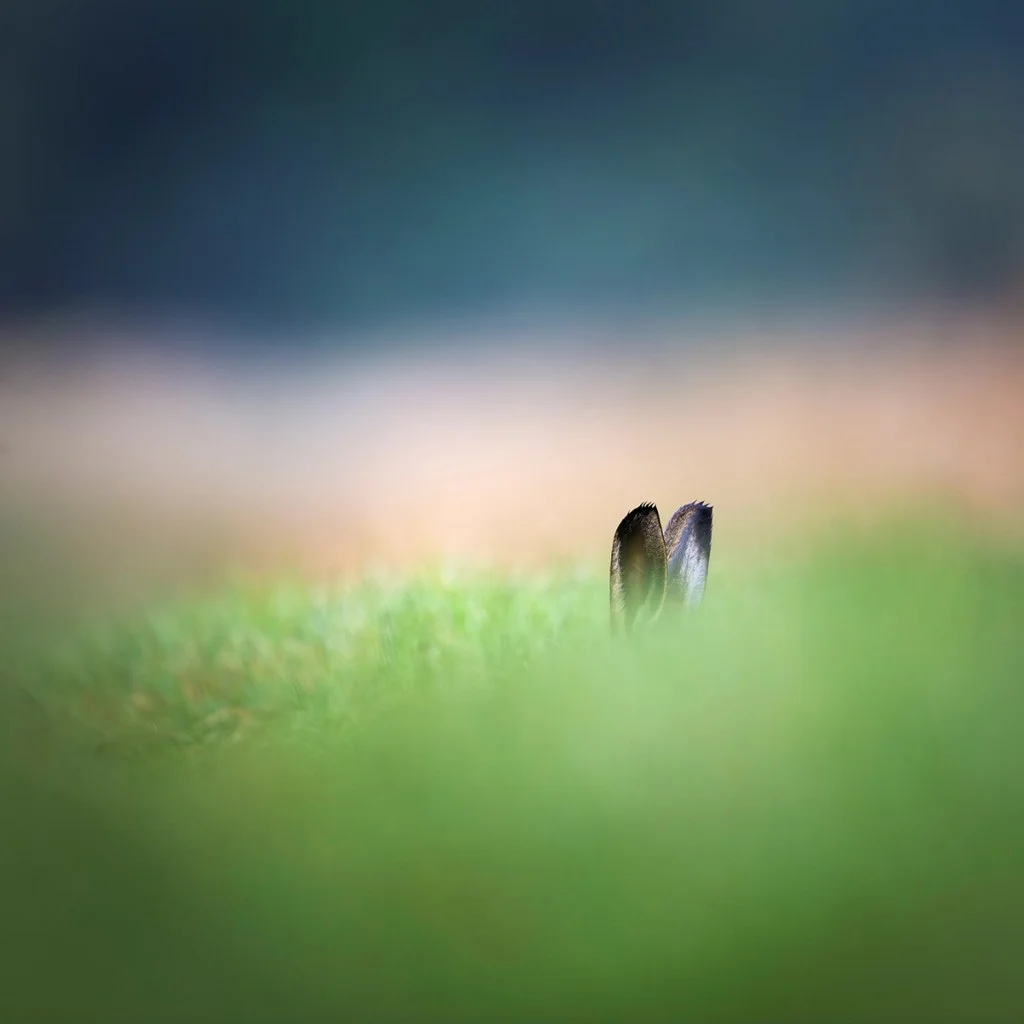
Jakub Soulak's photograph offers a delightful yet elusive glimpse of nature. By capturing only a hare’s ears poking through the grass, Jakub invites the viewer's imagination to fill in the blanks. The impressionistic patterns in the grass and muted colors distinguish his work, contributing to an abstract quality that challenges traditional wildlife photography norms.
Additional Notable Works
This year’s shortlist also includes a variety of stunning works showcasing the vast diversity of wildlife and skillful photography. Here are more highlights:
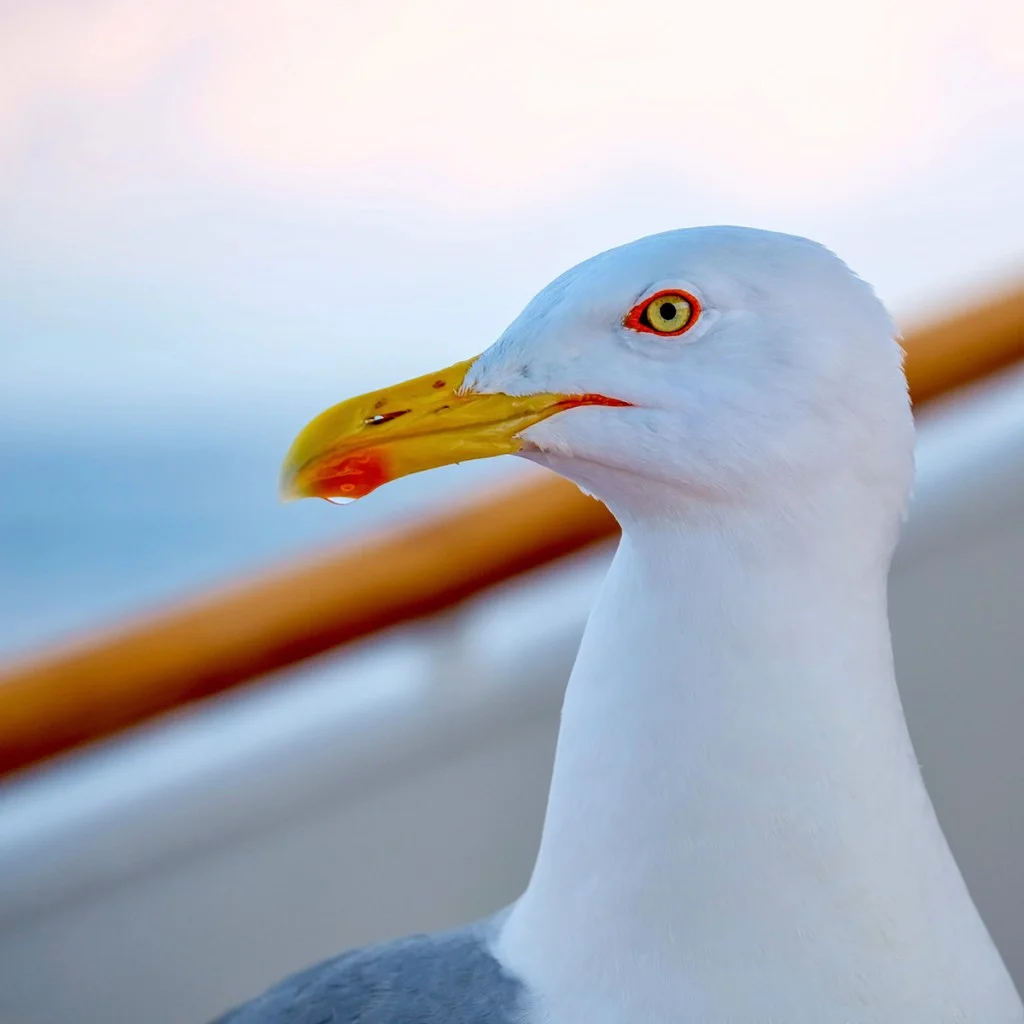
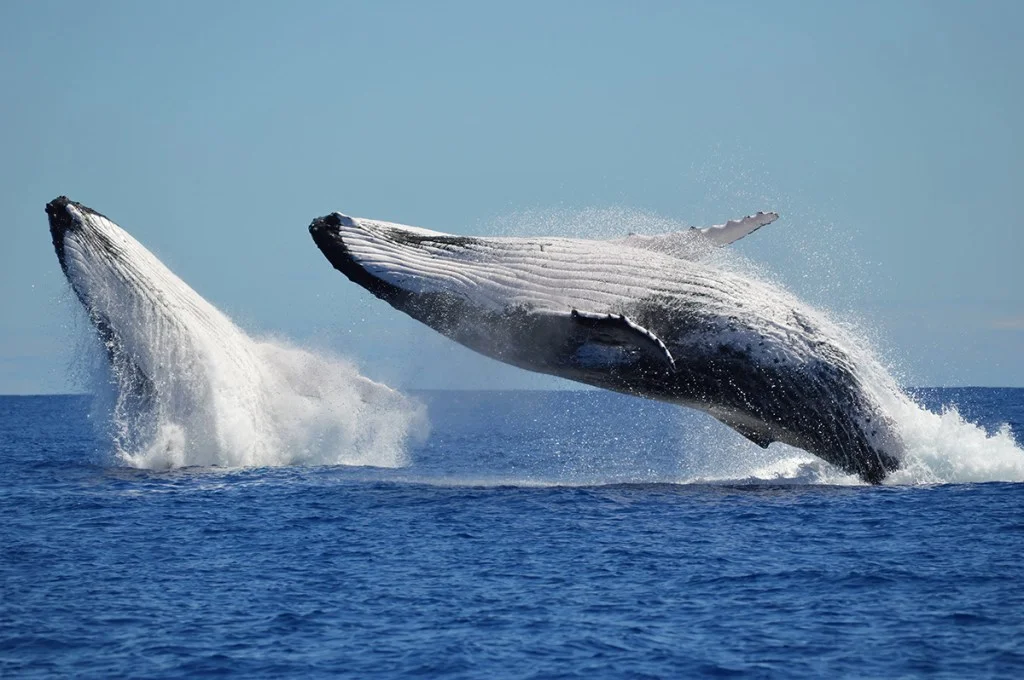
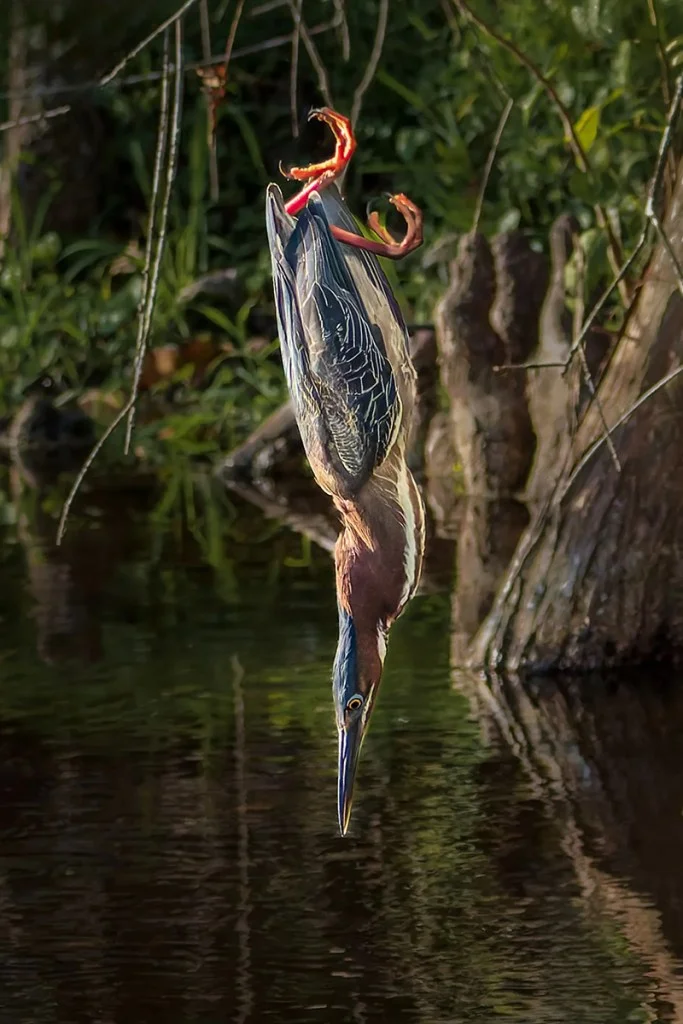
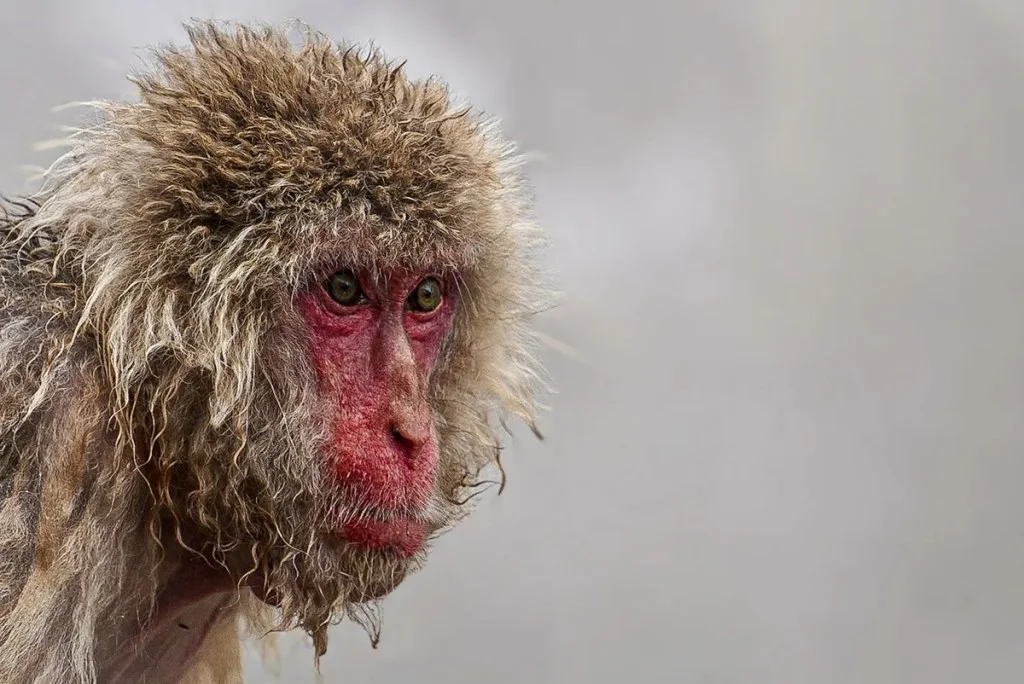
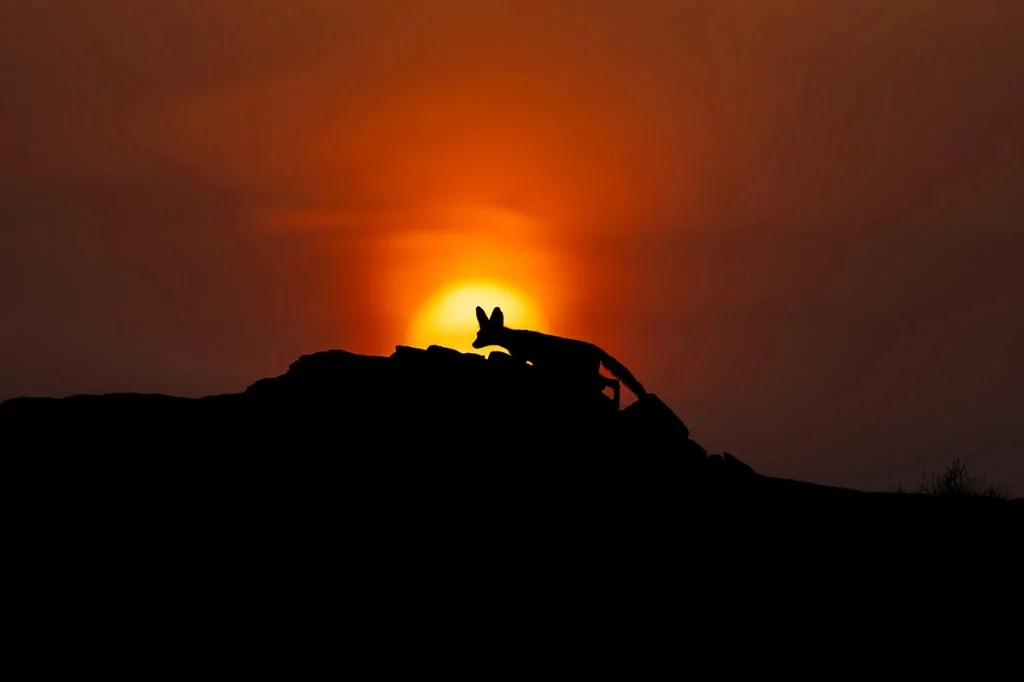
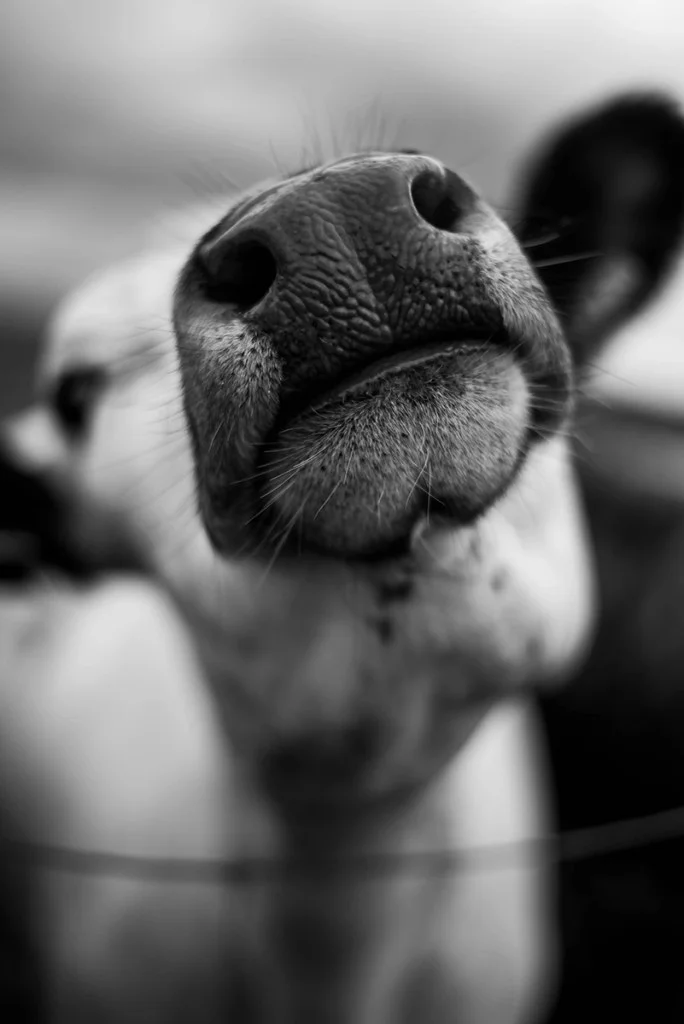
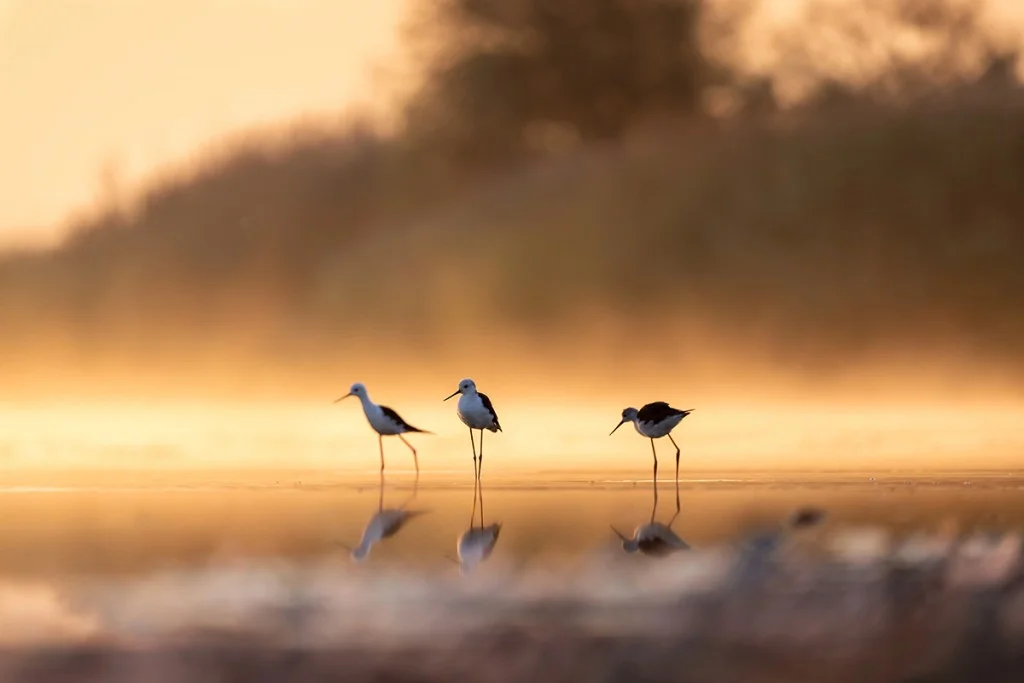
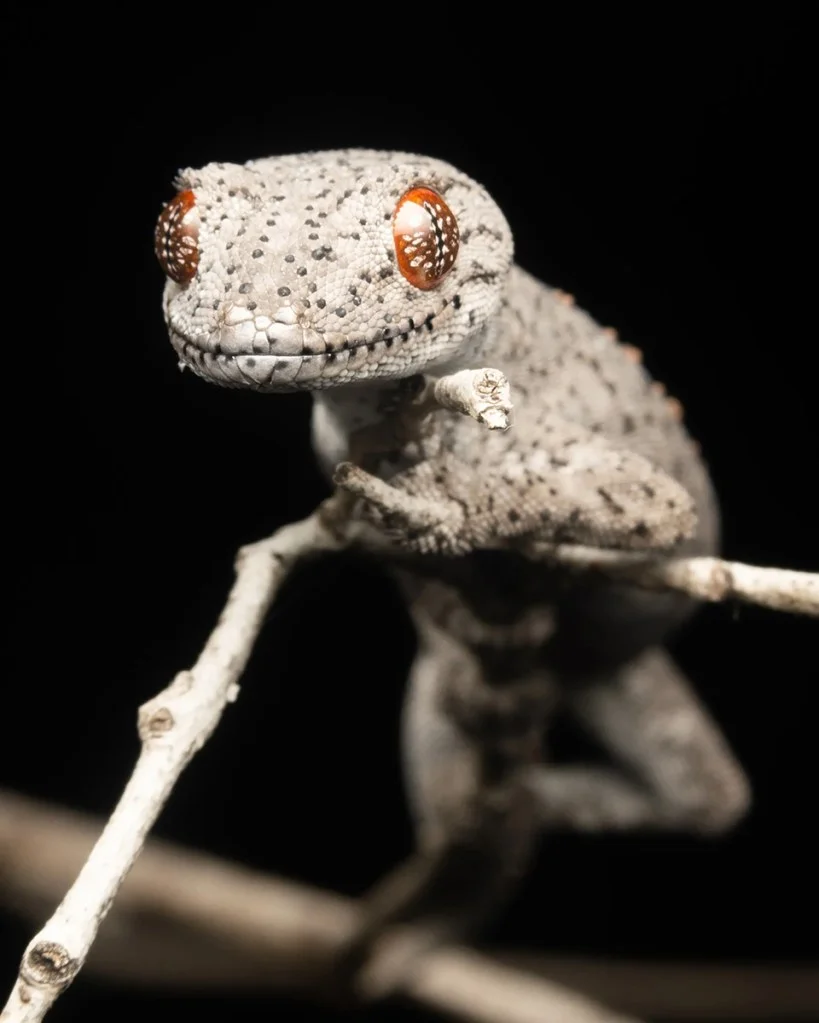
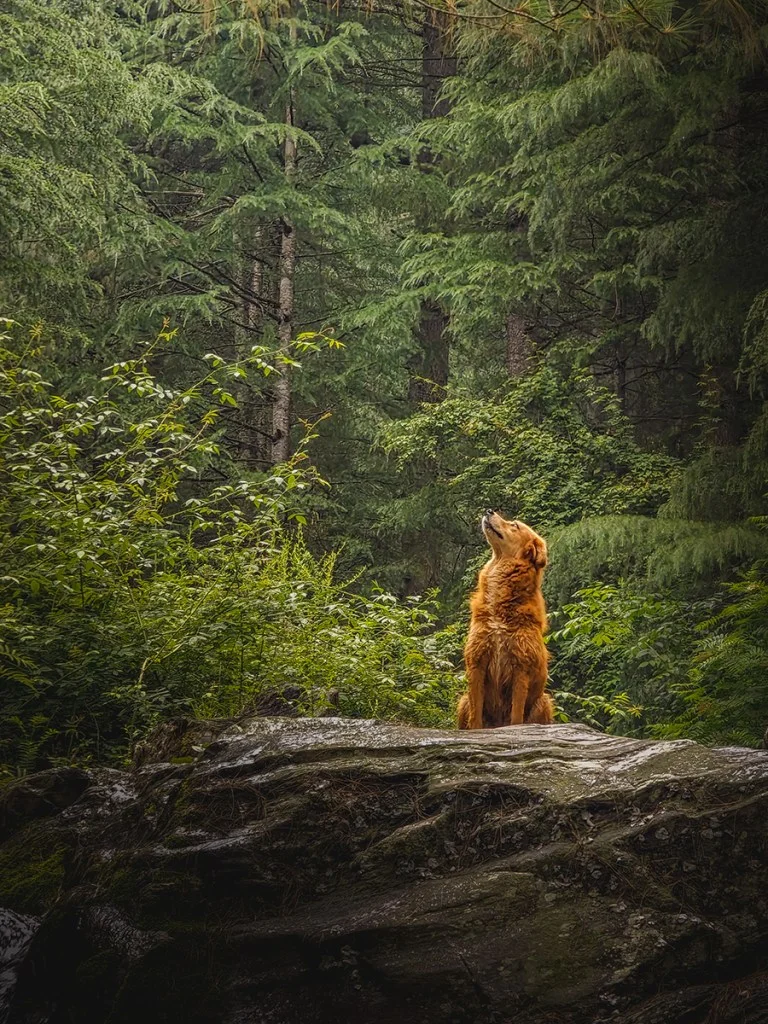
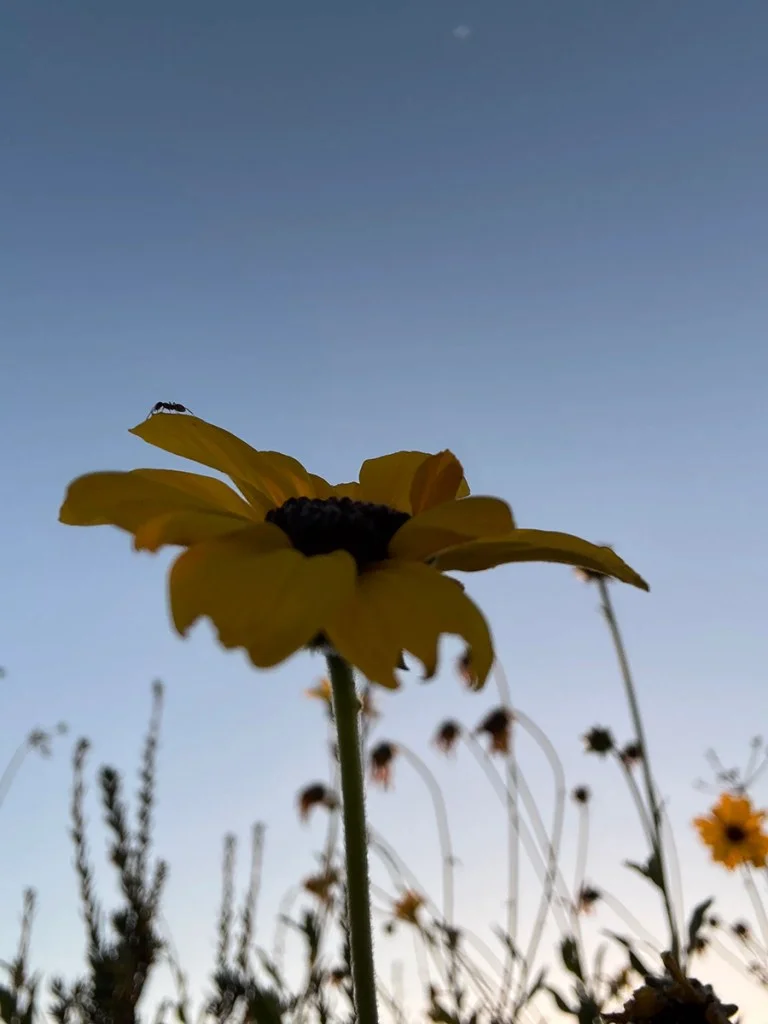
These photographs not only illustrate the talent of the photographers but also serve as a rich source of inspiration for anyone looking to enhance their wildlife photography skills.
Engage with your environment, explore different techniques, and remember that the essence of great wildlife photography lies in patience and observation.


