Top Animal Photographs of the Month from the International Amateur Photographer of the Year 2026 Competition
| Shelf | Cameras & Lenses |
|---|---|
| Date in | |
| Readers | 393 |
Explore the stunning winning animal photos from the International Amateur Photographer of the Year 2026 competition, showcasing diverse wildlife moments and expert techniques.
This month, we celebrate remarkable animal photography showcased in the International Amateur Photographer of the Year 2026 competition. The competition continues to attract passionate photographers eager to share their best captures of the animal world. Leading the pack this year is Lourdes Venard, whose image 'Tulip Time' highlights a savannah sparrow amid a vibrant field of tulips. Following her success, River Keats Kedzier-Hurst took first place in the Young Amateur Photographer category. Below are the top ten entries from Round Three in the Animal Kingdom category, alongside insights from the judges and the photographers themselves.

Significance of Animal Photography
Animal photography never fails to ignite the imagination of photographers and viewers alike. The sheer majesty, playful antics, elusive nature, and sometimes absurd behaviors of wildlife create endless opportunities for captivating shots. Moments such as a lion perched atop a rock surveying its territory, a kingfisher diving for its meal, or a puppy joyfully splashing in a puddle serve as reminders of the beauty and unpredictability of nature. This year's Animal Kingdom category confirms that capturing such moments requires more than just high-end equipment; it necessitates patience, anticipation, and a profound understanding of the animals’ behavior and habitats.
Tulip Time by Lourdes Venard - Winning Image
Camera Info: Canon EOS R10, 150-600mm lens at 500mm, 1/1000sec, f/6.3, ISO 320
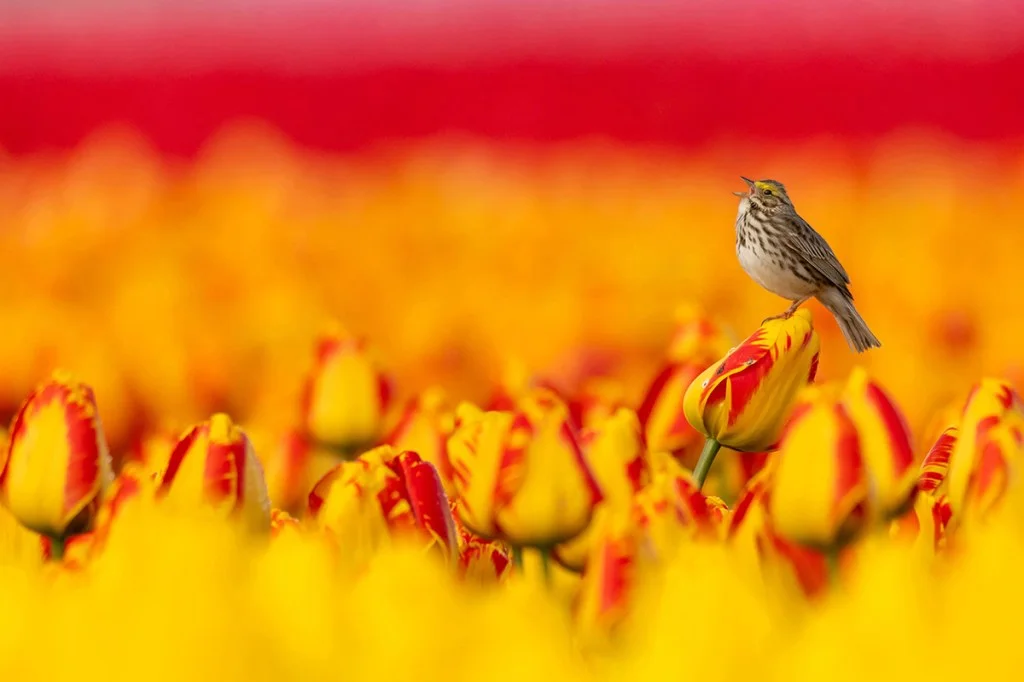
Guest judge Tesni Ward remarked on the admiration for this image, stating that its vibrancy is crucial in drawing the viewer's eye. The contrasting colors of the tulips with the more muted tones of the sparrow create a striking visual harmony. The judicious use of shallow depth of field directs focus solely on the subject, accentuating the beauty of the moment without overwhelming it with excessive detail. Veering away from typical portrayals, Venard’s composition is a compelling example of how color and simplicity can converge to elevate an image.
2. Malachite by Paul Fine
Camera Info: Canon EOS-1D X Mark II, 100-400mm lens at 400mm, 1/2000sec, f/13, ISO 12800
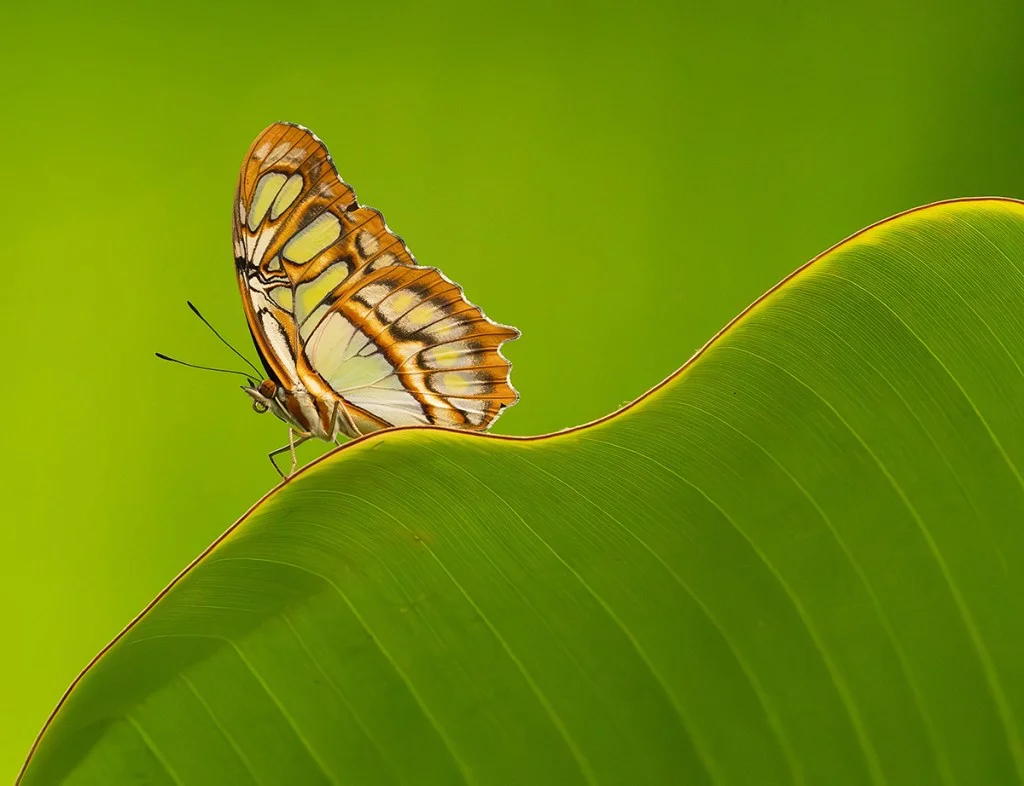
Fine's photograph features a malachite butterfly elegantly posed on a leaf, characterized by a balanced composition that favors minimalism. The gentle curve of the leaf serves as a leading line that guides the viewer’s attention straight to the butterfly, which is sharply focused amidst a smooth green backdrop. The soft blur surrounding enhances the artistic quality of the image, inviting viewers to appreciate the detailed patterns of the butterfly. It’s a notable example of how simplicity can deliver profound beauty and balance.
3. Hungry Hoopoe by Cam Parfitt
Camera Info: SONY ILCE-1M2, 600mm lens, 1/4000sec, f/6.3, ISO 5000
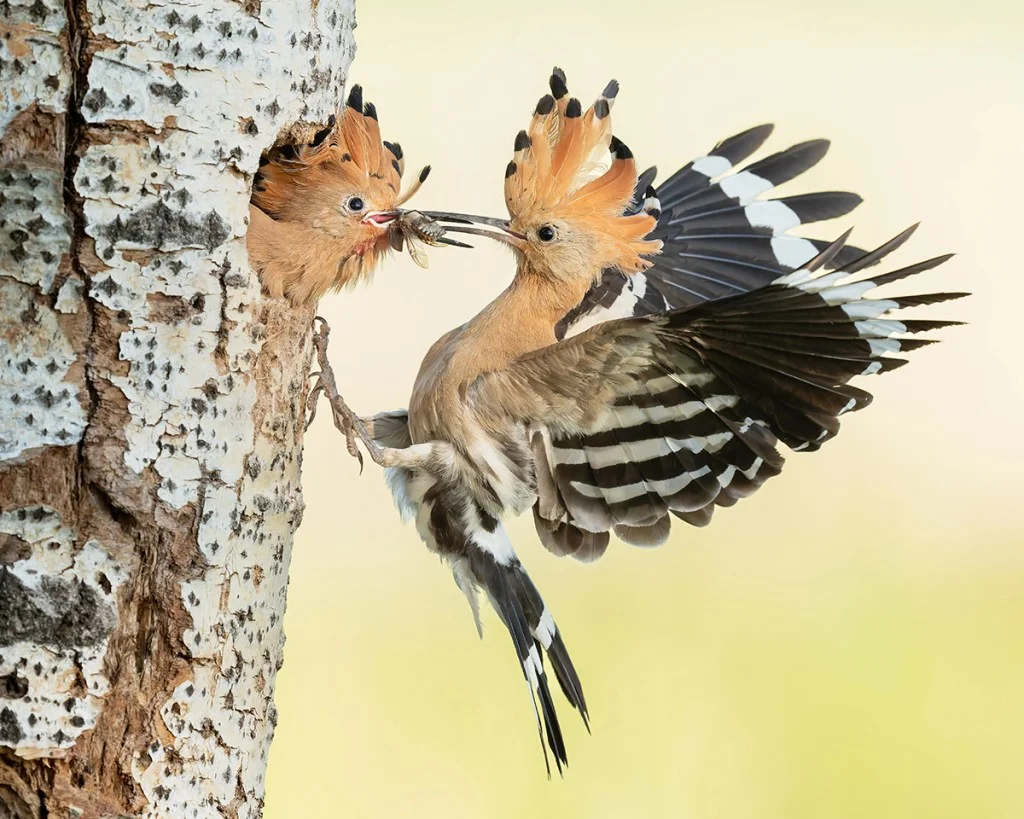
In 'Hungry Hoopoe', Parfitt captures an intimate moment between parent and chick. Timing and fieldcraft are crucial; the adult bird approaches the nest with sustenance for the eagerly awaiting young. The textured bark frames the action while the soft background maintains focus on the emotional moment shared between the two birds. Parfitt's decision to prioritize behavior over mere appearance results in a compelling narrative that encapsulates the dynamics of wildlife photography.
4. Onaqui Silhouette by Dave Olsen
Camera Info: Canon EOS 80D, 70-200mm lens at 191mm, 1/400sec, f/4.5, ISO 100
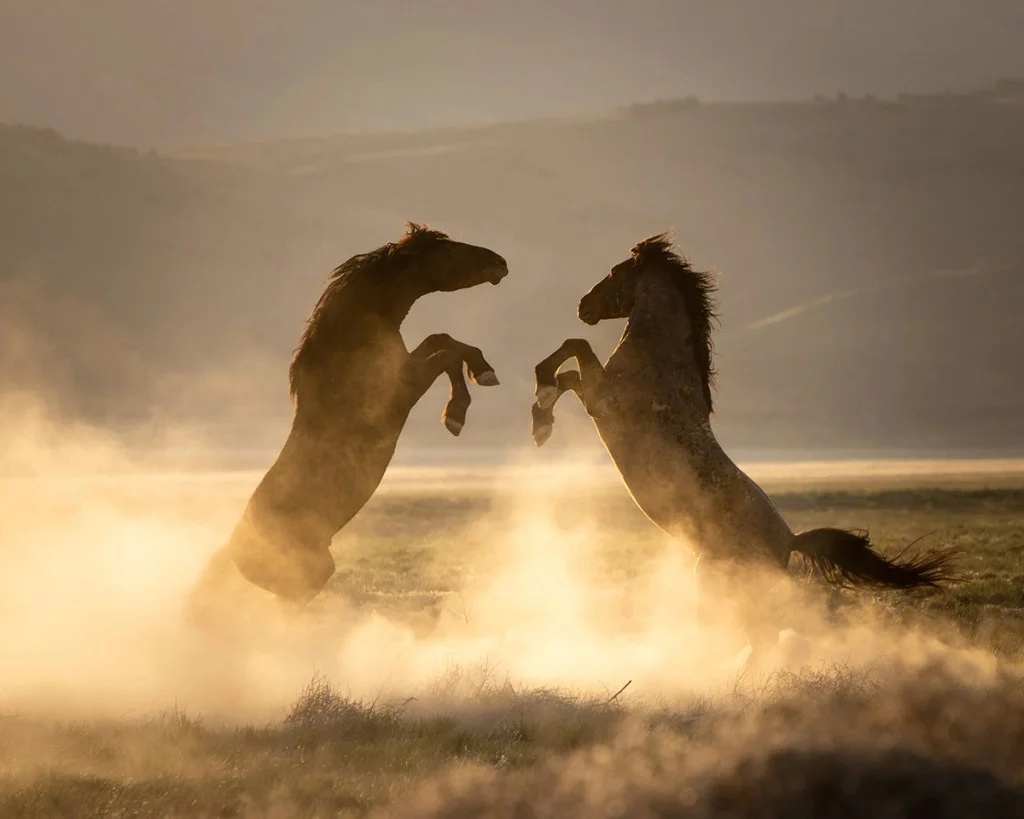
Olsen’s 'Onaqui Silhouette' underscores the impact of lighting and background on composition. The two horses rearing against a dusty backdrop become silhouettes, their forms artistically mirrored. By focusing on shape and movement, Olson creates a scene imbued with a sense of drama and grace without the need for intricate details. The composition channels the powerful nature of the moment, demonstrating how negative space can enhance the stories conveyed in photographs.
5. Seagull Landscape by Hèlène Bürge
Camera Info: Not supplied
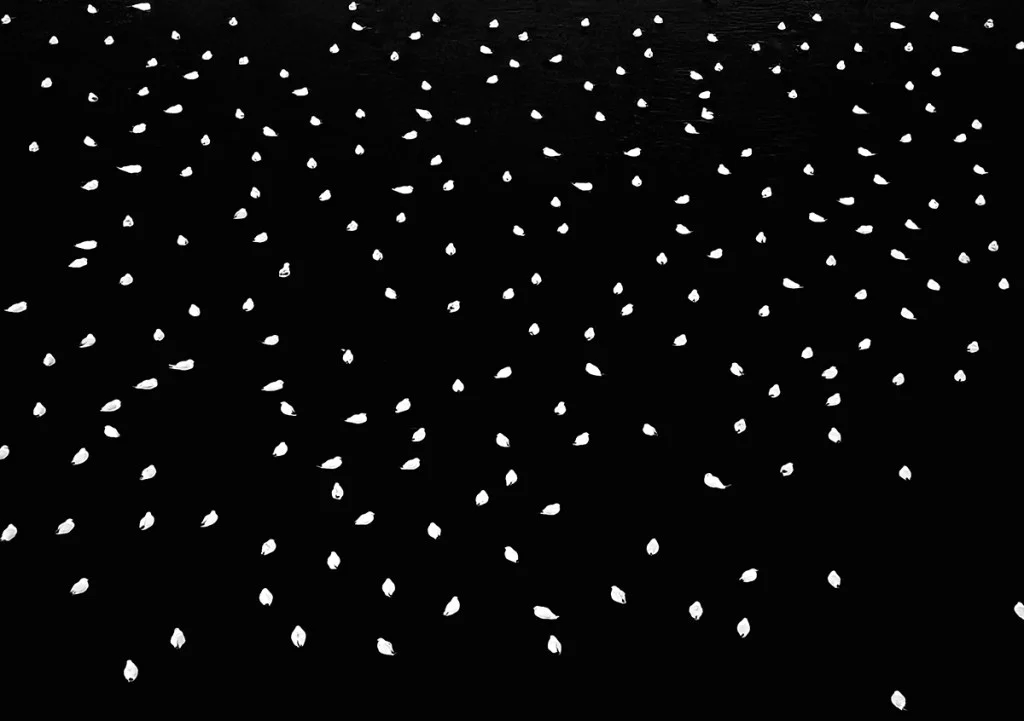
Bürge’s submission invites the viewer to look closely, as her image of innumerable seagulls clustered in the Vltava River resembles a starry night. By stepping back, she transforms a scene into an abstract composition, challenging traditional expectations of wildlife photography. The repetitive forms, coupled with a minimalist approach, inspire viewers to engage their imagination and reinterpret the common flying creatures in a novel light.

6. Making an Entrance by Pete Baker
Camera Info: Canon EOS 5D Mark IV, 90mm lens, 1/200sec, f/16, ISO 100
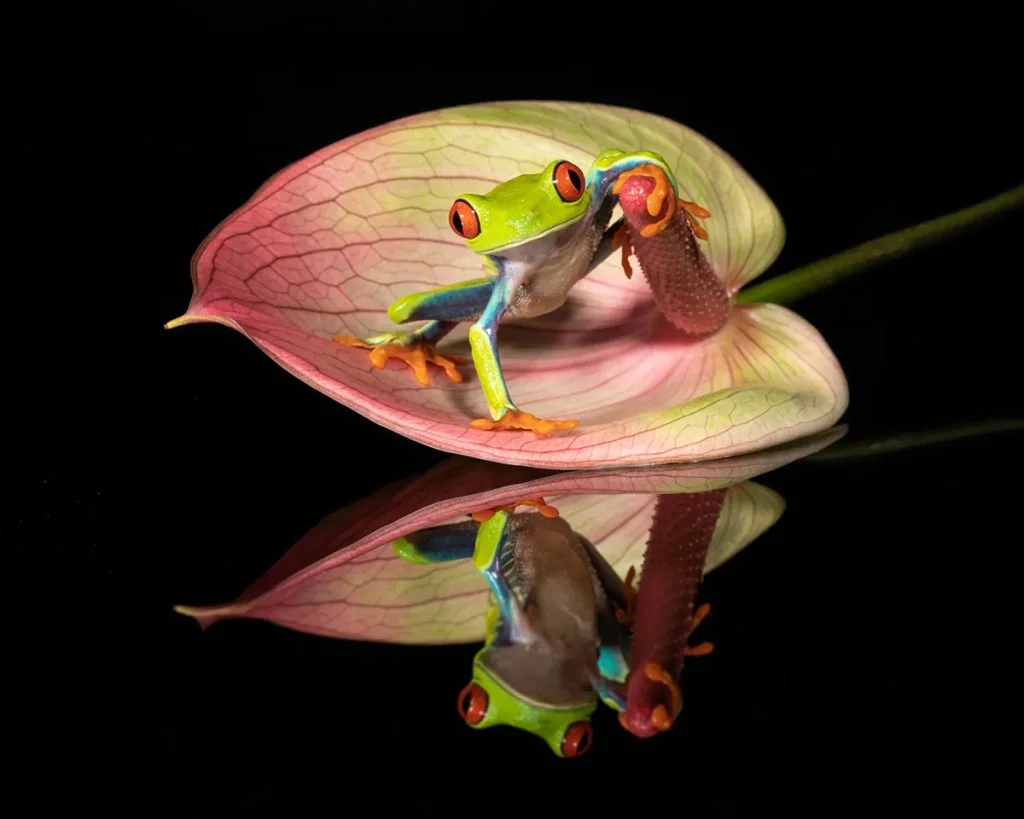
In 'Making an Entrance', Baker captures a delightful moment with a frog seemingly posing for the camera. The symmetry in the reflection adds another layer to the visual enjoyment. The close framing, combined with the low perspective, ensures that nothing distracts from the subject. The focus on the frog’s curious expression forms a captivating connection with viewers, reminding us of the charm inherent in wildlife photography.
7. Asleep by Graeme Youngson
Camera Info: Canon EOS M, EF-M22mm lens, 1/200sec, f/7.1, ISO 200
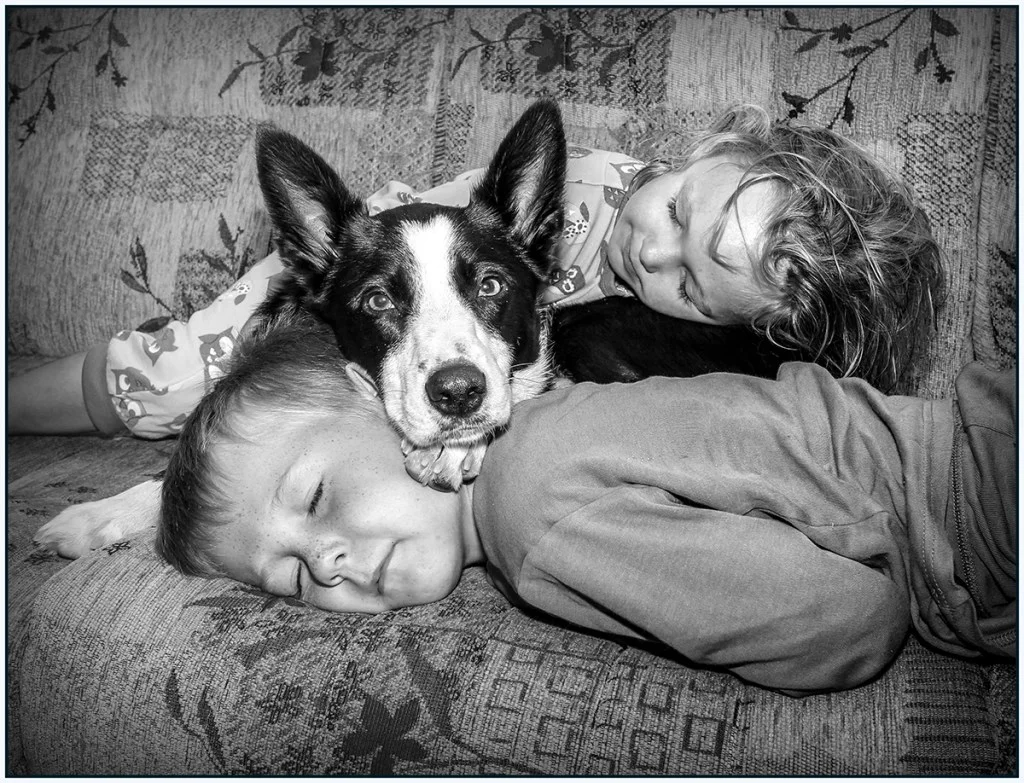
Youngson’s 'Asleep' beautifully portrays a familial bond where two children nap alongside their pet dog. The image gains an emotional depth with the dog’s open eyes, capturing the serene and peaceful coexistence between animals and humans. Converting the photograph to black and white successfully removes color distractions, allowing the viewer to focus on the expressions and textures, solidifying a profound connection.
8. Stag Do by Wes Chambers
Camera Info: NIKON Z 8, 180-600mm lens at 470mm, 1/500sec, f/6, ISO 280
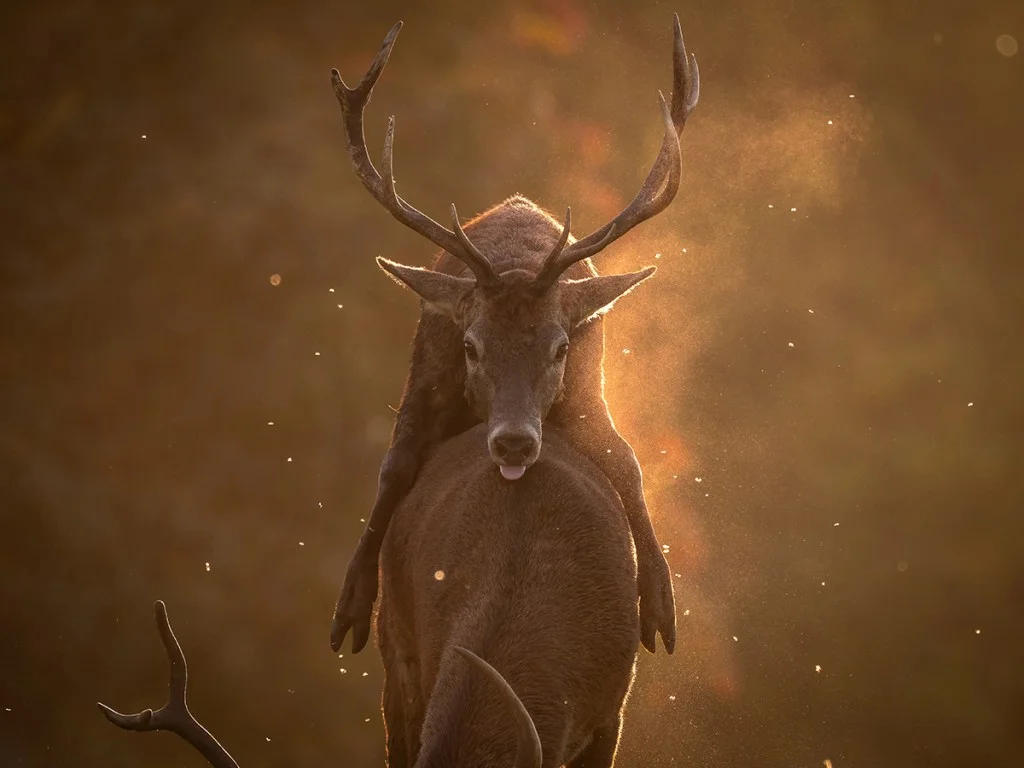
Chambers’ 'Stag Do' captures an unusual and humorous moment during the rutting season, exemplifying the novelty that patience can yield in wildlife photography. The stag’s expression adds an unexpected charm, enhanced by warm ambient light that illuminates the scene and highlights the drama taking place. The clean composition anchors the subject against a simple background, allowing the action to shine through without distraction.
9. First Light by Božidar Grgošić
Camera Info: PENTAX K-1, 380mm lens, 1/800sec, f/8, ISO 500
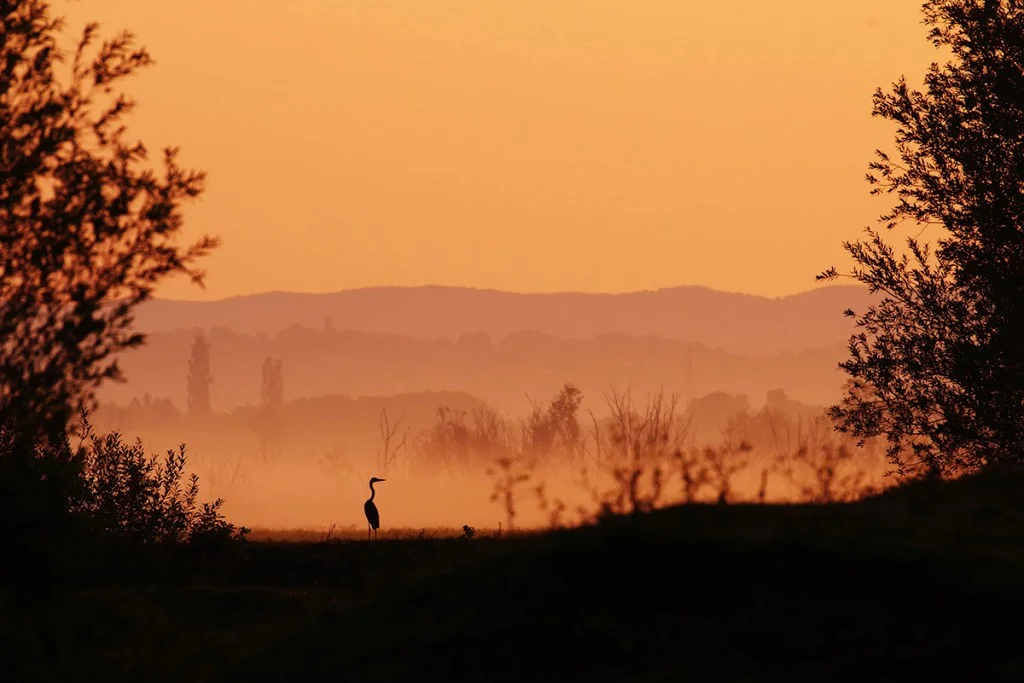
Grgošić delivers a lesson in minimalism with 'First Light', wherein a solitary heron stands elegantly in a tranquil landscape shrouded in morning mist. The composition prompts viewers to search the frame, while the gentle dawn lighting imbues the scene with serenity. By avoiding a dramatic narrative, Grgošić showcases a more peaceful representation of wildlife, underlining that compelling imagery can stem from restraint.
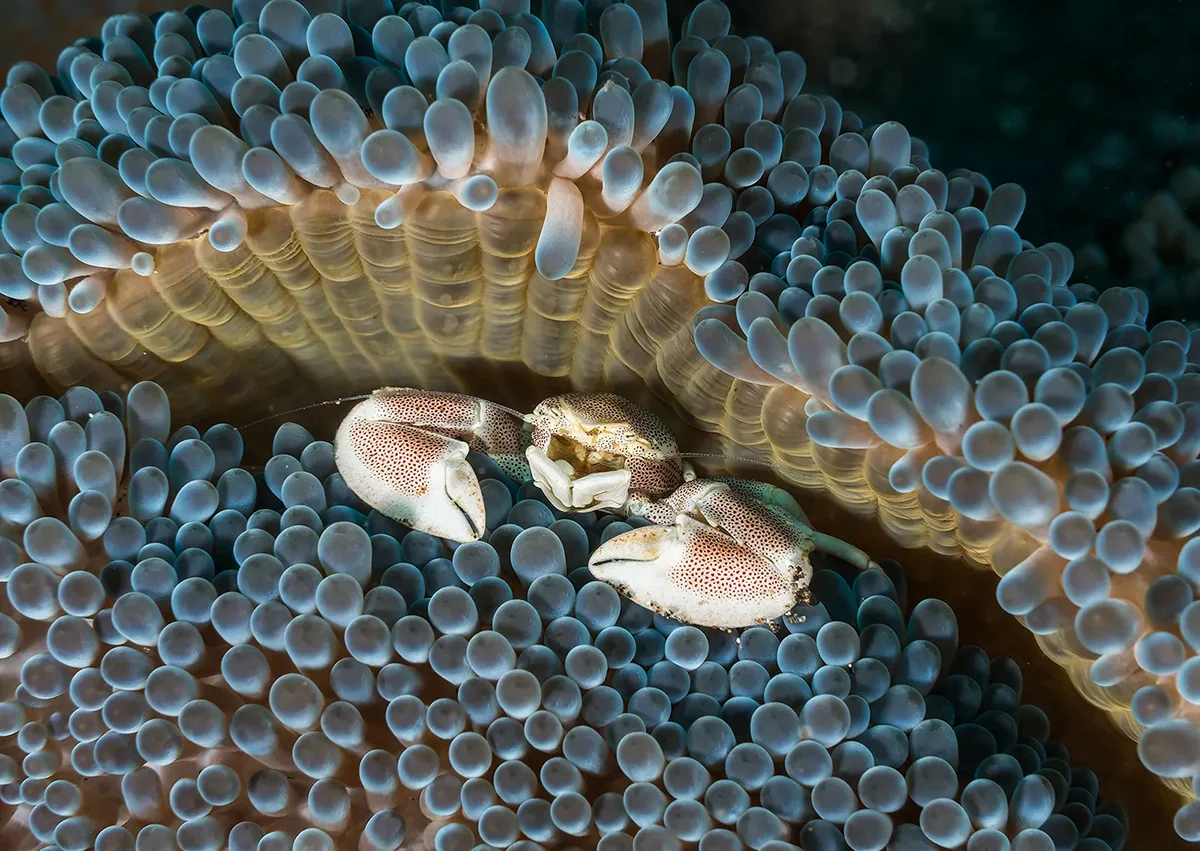
10. Porcelain Crab in an Anemone by Wendy Eve
Camera Info: NIKON D800, 60mm lens, 1/125sec, f/14, ISO 100
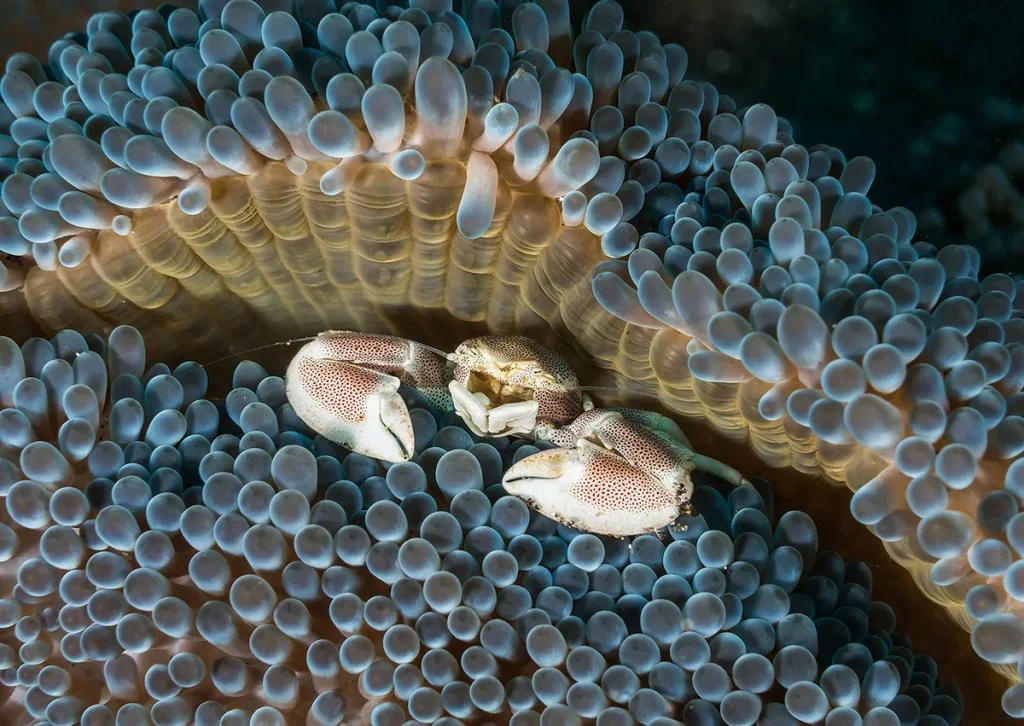
Wendy Eve’s underwater photograph of the porcelain crab presents a stunning treasure of marine life, highlighting the challenges faced in underwater photography. The image captures an exquisite detail of the crab emerging from its anemone home, allowing the colors and patterns of the surroundings to serve as a visually stimulating backdrop. It effectively balances contrast without overwhelming the main subject, inviting viewers into this rarely seen underwater realm.
Young International Amateur Photographer of the Year
You There? by River Keats Kedzier-Hurst
Camera Info: NIKON Z 50, 50-250mm lens at 75mm, 1/200sec, f/14, ISO 640

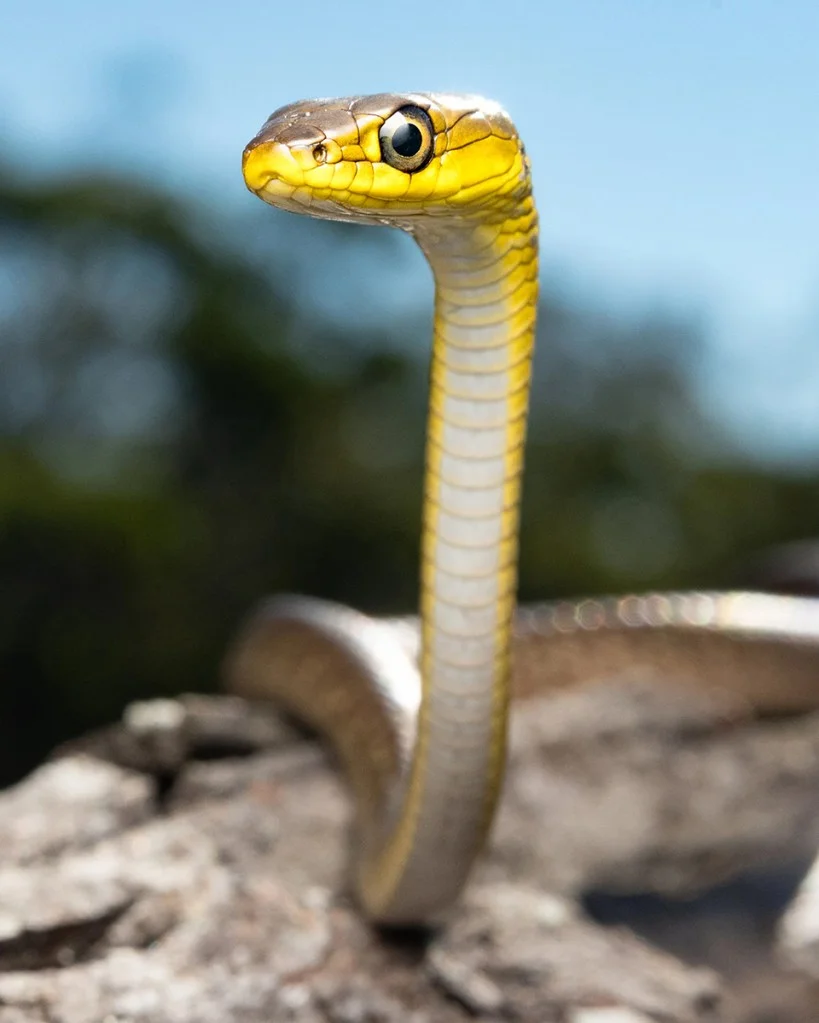
Kedzier-Hurst cleverly captures an engaging portrait of a young common tree snake, which seems more curious than threatening. The low angle transforms the viewer’s perspective, creating a dynamic connection between the snake and the camera. The use of shallow depth of field highlights the snake’s intricate markings, allowing the image to present an often-misunderstood creature in a charismatic light.
2. Lovers in the Mist by Thomas Durrant
Camera Info: Not supplied
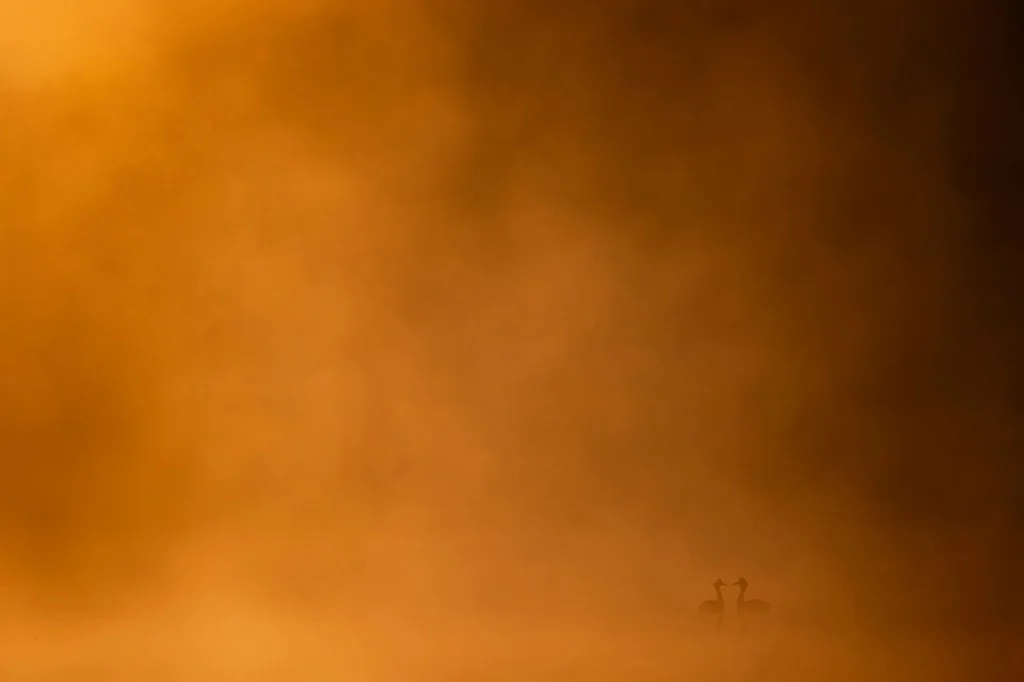
In 'Lovers in the Mist,' Durrant showcases the anticipation built from extensive observation of the great crested grebes and their courtship rituals. The image beautifully contextualizes their interaction against the backdrop of mist and sunrise, presenting the scene with delicacy. The silhouettes emphasize the elegance of movement while elegantly capturing the serene essence of wildlife romance at dawn.
3. Snoot by Mary Louise Kasper
Camera Info: SONY ILCE-7M3, 24-70mm lens at 32mm, 1/500sec, f/3.2, ISO 8000
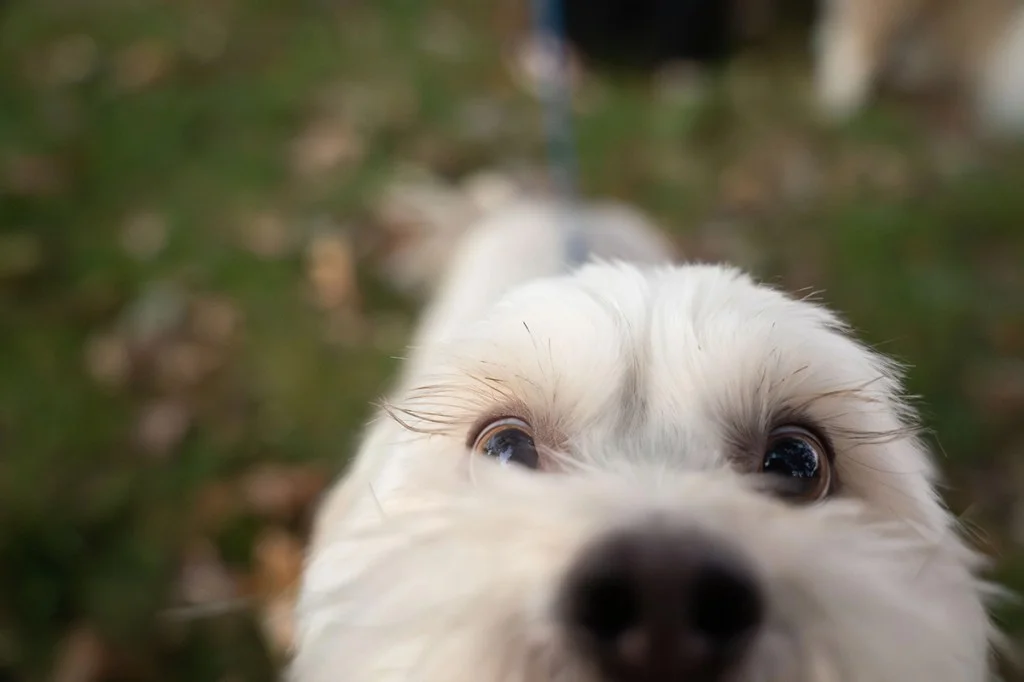
Kasper’s 'Snoot' presents a playful and imaginative close-up of a dog’s nose, cleverly using a wide-angle perspective to exaggerate the dog’s features. The shallow depth of field draws the viewer's attention to the dog’s endearing expression, evoking warmth and personality within the image. This creative approach reminds us that even simple moments can result in memorable photography.
4. A Mother and Her Sleepy Foal by Matteo Botta
Camera Info: SONY ILCE-7M4, 4-105mm lens at 31mm, 1/640sec, f/20, ISO 1250
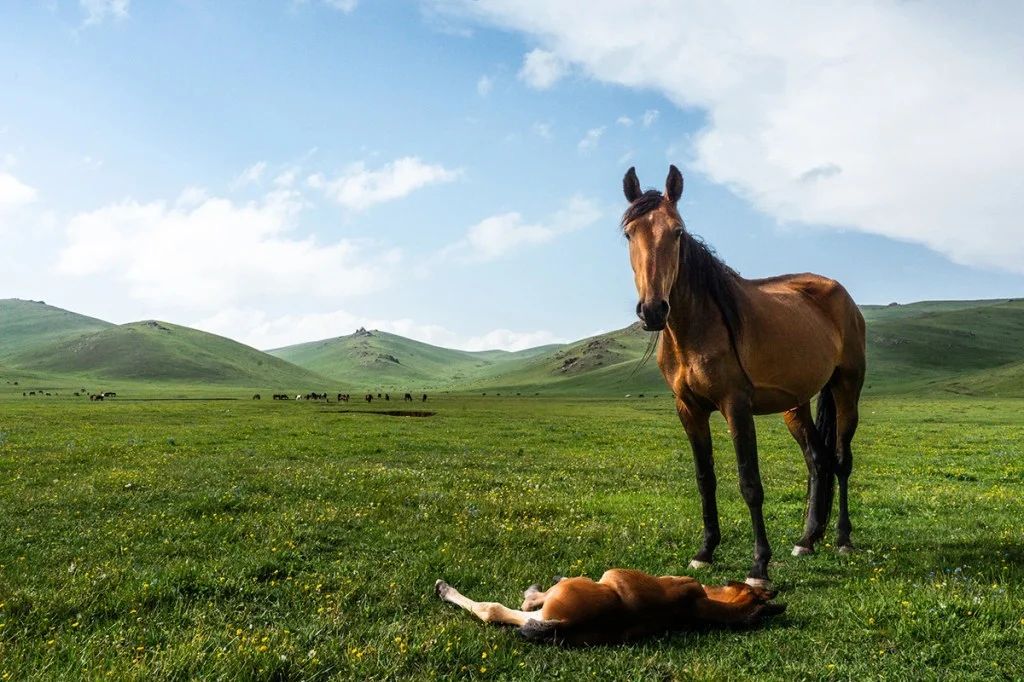
Botta captures the tranquil bond between a mare and her sleepy foal against the rolling hills of Kyrgyzstan. The focus on their relationship instead of action creates an intimate moment portraying nurturing and trust. The composition effectively balances the vastness of the landscape without overshadowing the subjects, emphasizing the quiet beauty found in subtle wildlife interactions.
Highlighting Camera Club Submissions
Throughout each round, we also spotlight outstanding entries from various camera clubs participating in the competition.
The Bear in the Woods by Carolyn Sara Moore
Camera Info: Canon EOS R5m2, 500mm (converted to 700mm), 1/640sec, f/8, ISO 2000
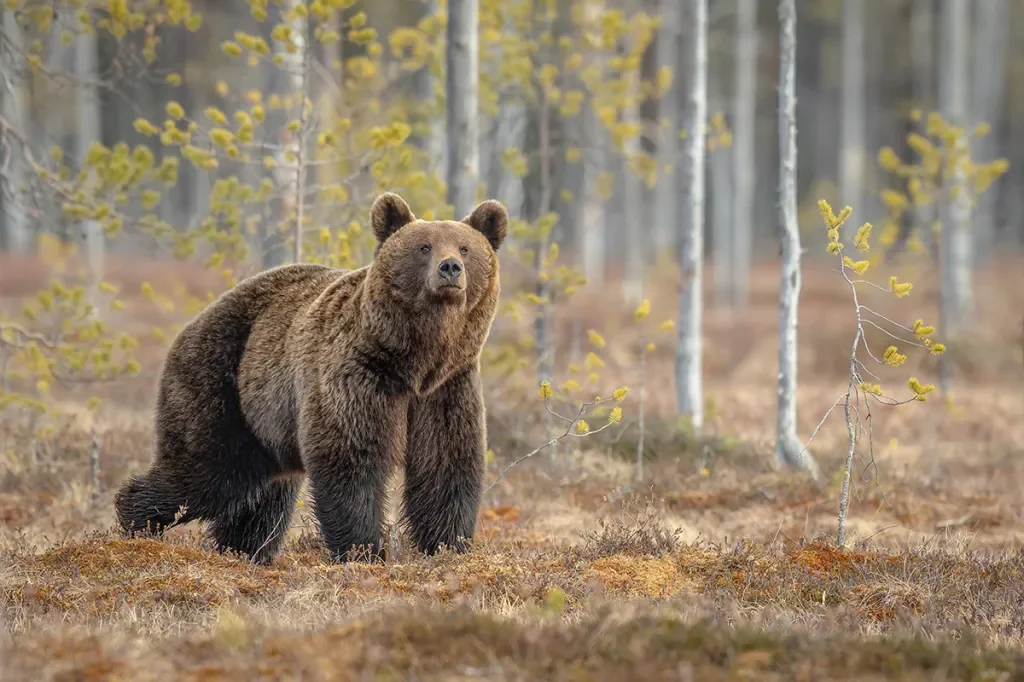
Moore’s 'The Bear in the Woods' captures an essence of wildlife through its detail and depth, offering an impactful portrayal of the bear nestled within a natural setting. The composition reflects a strong understanding of light and texture, contributing to the image’s emotional pull.
Male Frigatebird by Barrie Ockwell
Camera Info: Canon EOS R5m2, 100-500mm lens at 200mm, 1/320sec, f/8, ISO 160
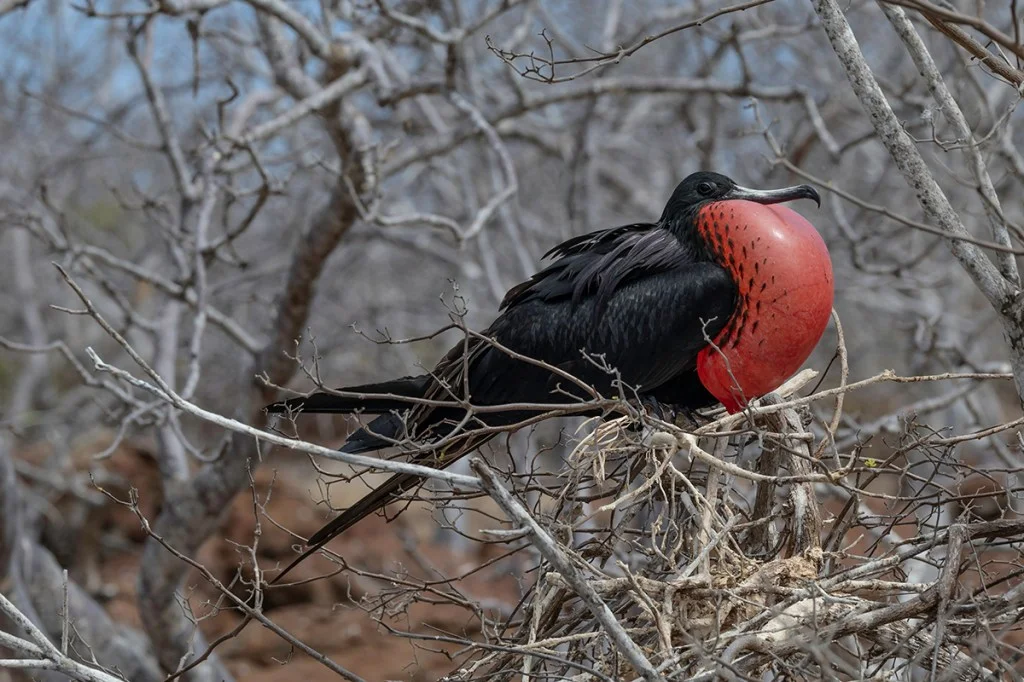
The majesty of the frigatebird is beautifully captured by Ockwell, displaying its regal posture and vibrant plumage as it perches among branches. The attention to detail and composition adds a striking presence to the image amidst the cluttered environment.
Chimp Family by David Muir
Camera Info: NIKON Z 6II, 28-400mm lens at 400mm, 1/400sec, f/8, ISO 2500
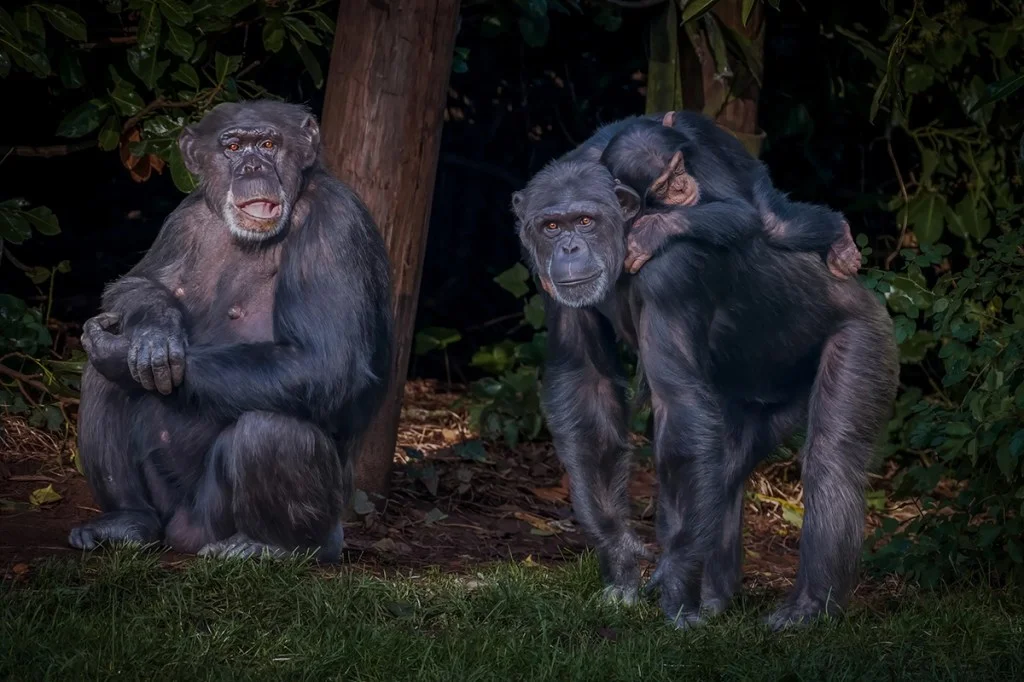
Muir’s intimate portrayal of a chimp family challenges perceptions of captivity, offering genuine observational merit regarding their behaviors and dynamics. The moment encapsulates the deep emotions and connections often found within animal families.
In Flight Meal by Rob Carter
Camera Info: Canon EOS R6m2, 100-500mm lens at 500mm, 1/4000sec, f/7.1, ISO 2000
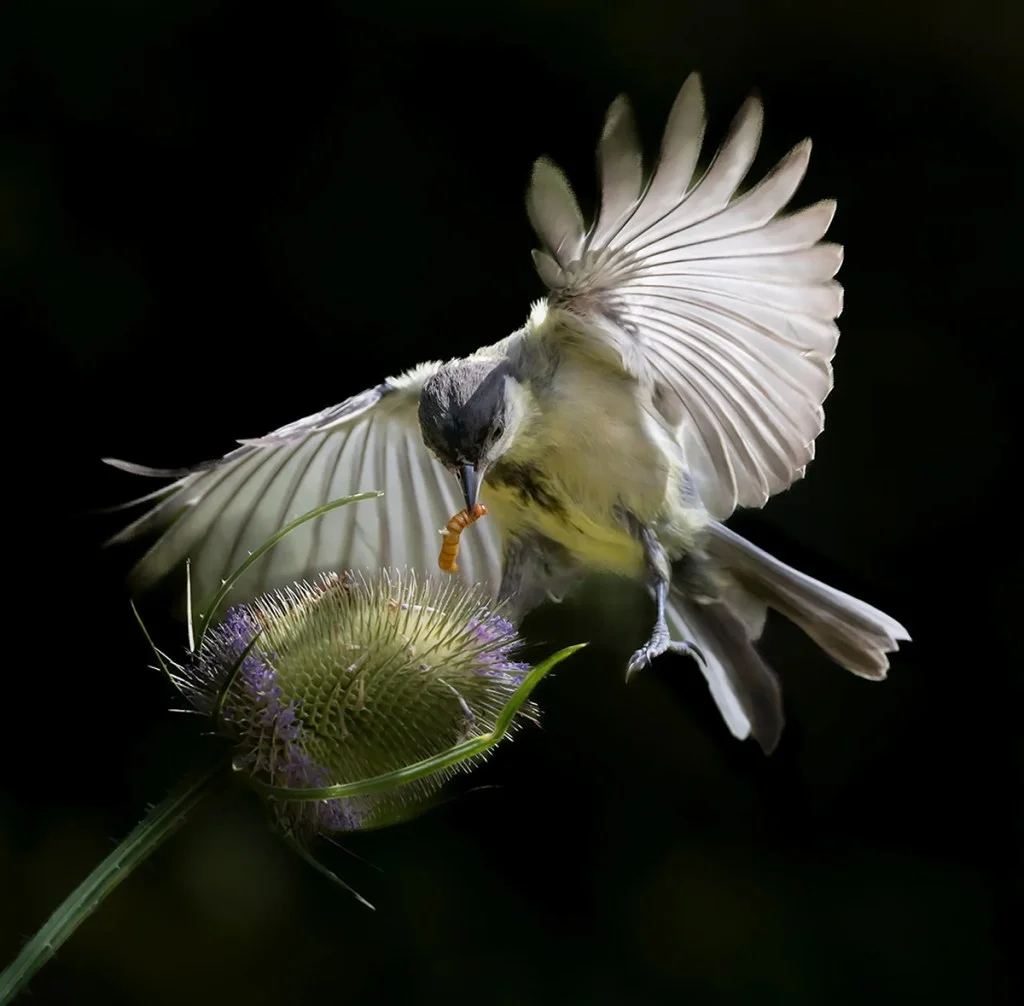
Carter’s image effectively blurs the line between wildlife and theatre, capturing the moment a bird feeds. The clarity and composition engage viewers while highlighting the magic of nature in action.
Burrowing Owl Appearing out of the Dark by Paul Nash
Camera Info: Not supplied
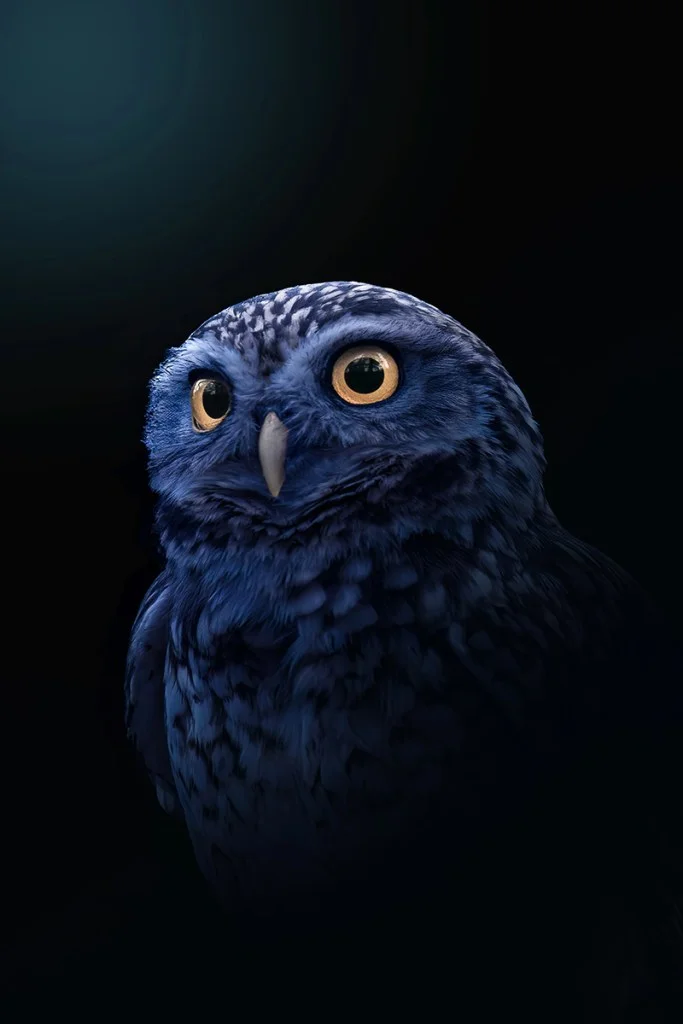
Nash’s striking portrayal of a burrowing owl against darkness highlights the importance of light in photography, creating an almost ethereal quality to the scene. Selective lighting and shadows bring the portrait to life, drawing viewers into this evocative moment.
Winning Equipment Insights
Here's a glimpse at the gear used by the top photographers, which exemplifies the range of equipment suitable for wildlife photography.
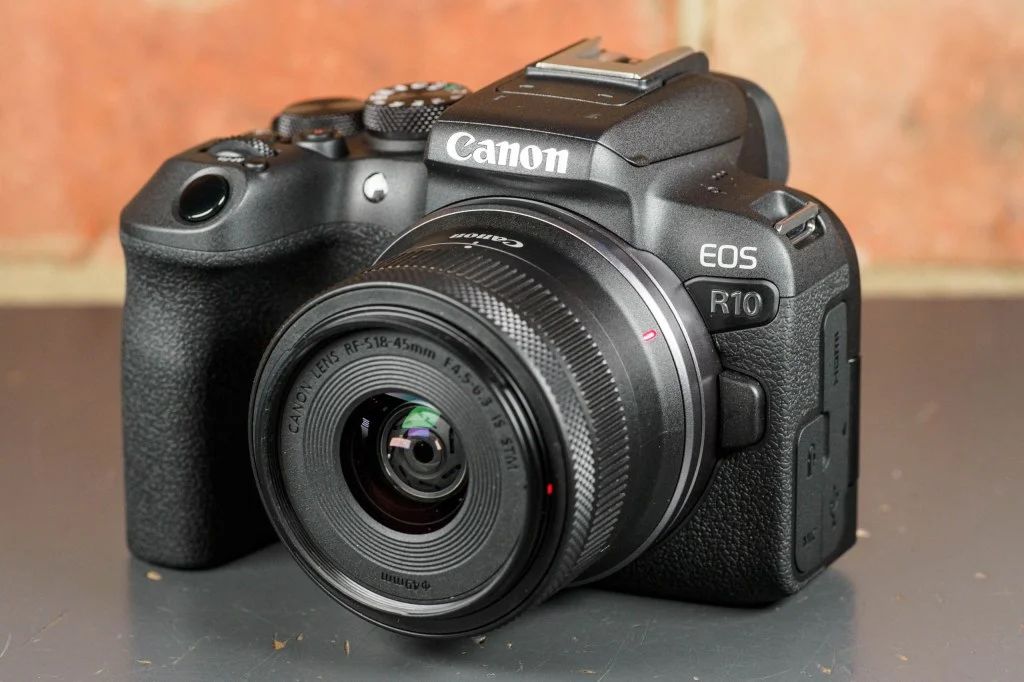
Lourdes Venard's winning shot was taken with the Canon EOS R10 Mirrorless Camera Body, a versatile tool featuring a 24.2-megapixel APS-C sensor and rapid burst modes priced around £679 at Park Cameras.
The Nikon Z 180-600mm f/5.6-6.3 VR lens, utilized by Wes Chambers, offers incredible reach and shake resistance for £1,799, making it a valuable asset for dynamic wildlife shots.
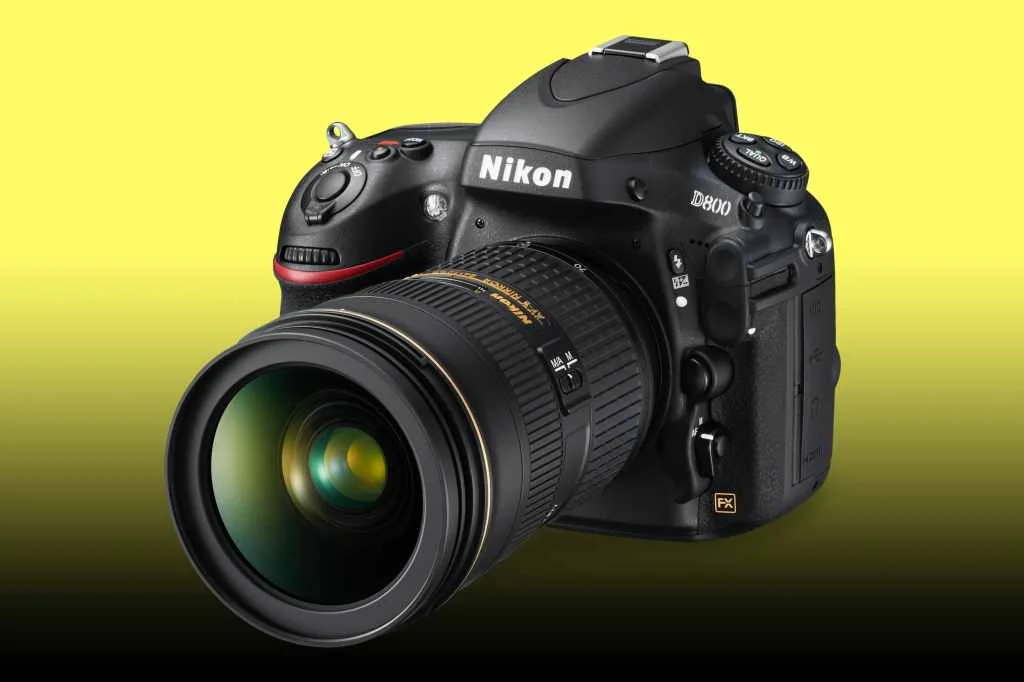
Wendy Eve’s intimate crab portrait was shot with the Nikon D800, a 36.3-megapixel DSLR known for its dynamic range that remains a favored choice among photographers, especially with a used price around £254.
For further insights and the complete range of photographic equipment, visit www.parkcameras.com.
Engaging with animal photography requires a blend of skill, passion, and the right tools. The winners of this month's competition not only showcase extraordinary technical proficiency but also an astute understanding of narrative within their compositions. As the Animal Kingdom category highlights, every photograph tells a story, reflecting the rich diversity and connection inherent in our natural world.


