Exploring Compact Point & Shoot Cameras: A Look at Ricoh, Agfa, Yashica, Pentax, and Jenoptik
| Shelf | Cameras & Lenses |
|---|---|
| Date in | |
| Readers | 781 |
This article delves into five unique compact point and shoot cameras, focusing on their specifications, user experiences, and standout features for film photography enthusiasts.

Camera No. 8: Ricoh FF 9-S
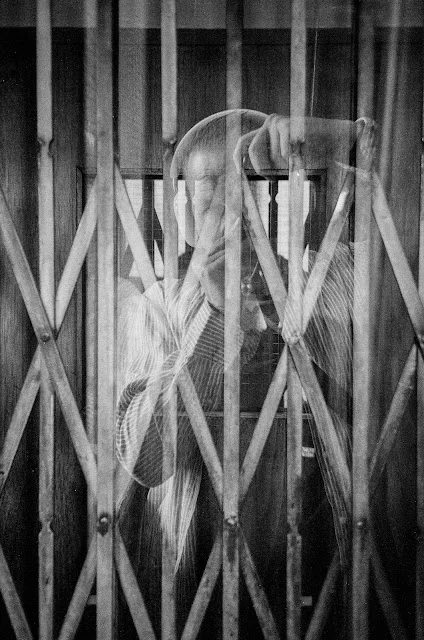

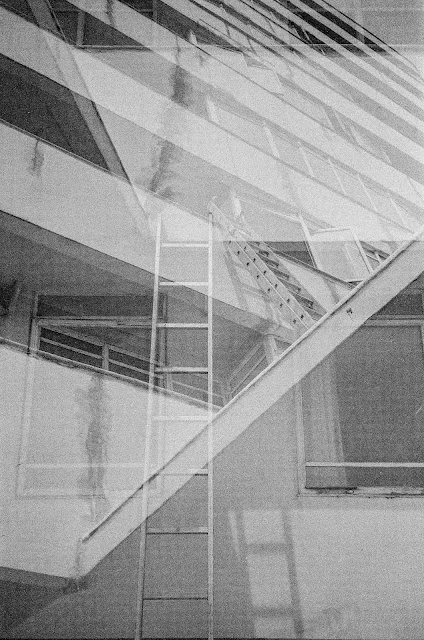
This camera may not be well-known, but it stands out for its impressive hit rate per roll of film. With an entry-level price of £45, the Ricoh FF 9-S, released in 1990, is not only budget-friendly but also fun to use. Despite its somewhat bulky appearance, it boasts a 35mm f/3.5 lens that performs reliably, providing decent sharpness and fast operation. One of its most notable features is the multiple exposure mode, which is rare among compact point and shoot cameras.
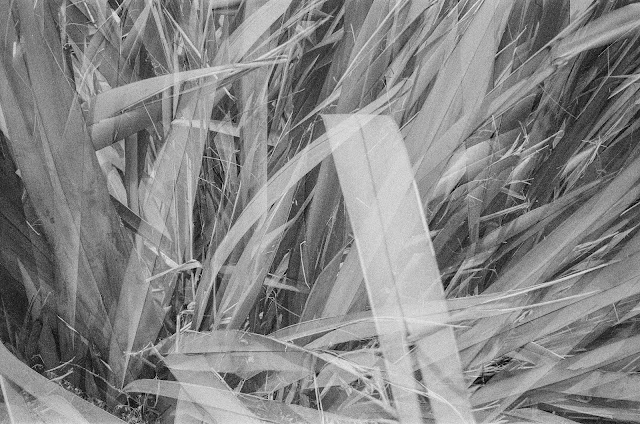
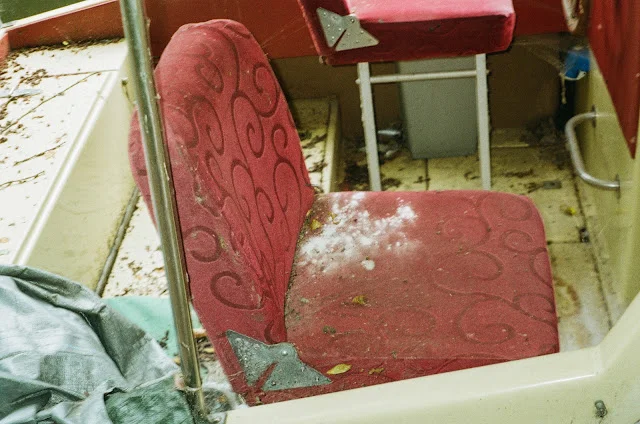
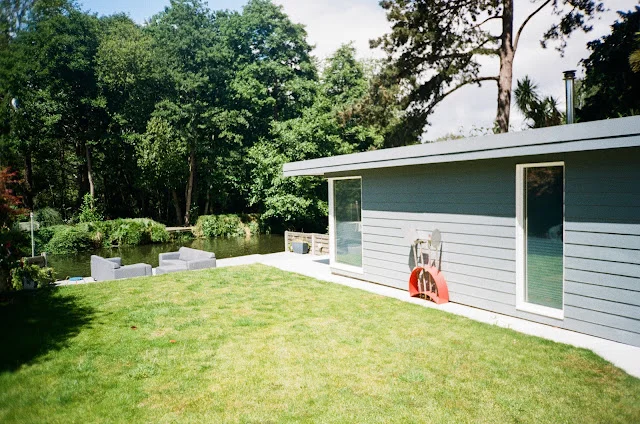
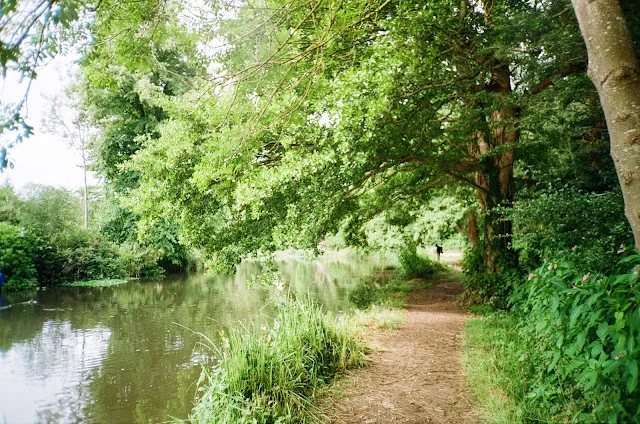
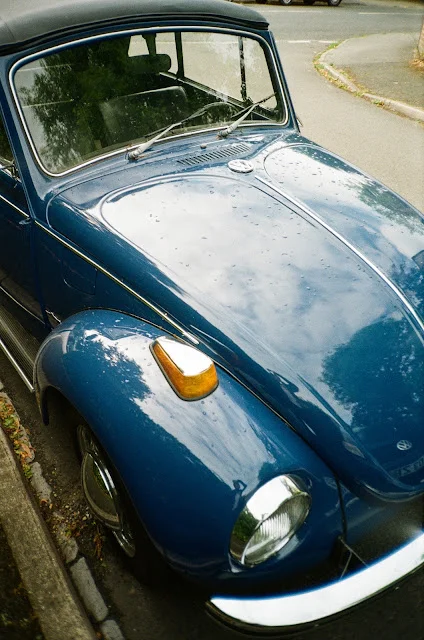
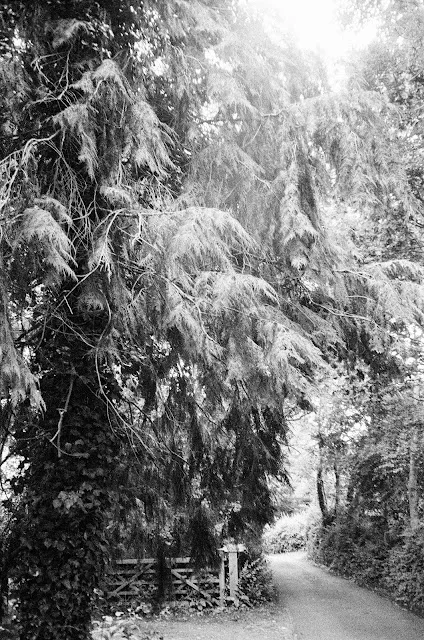
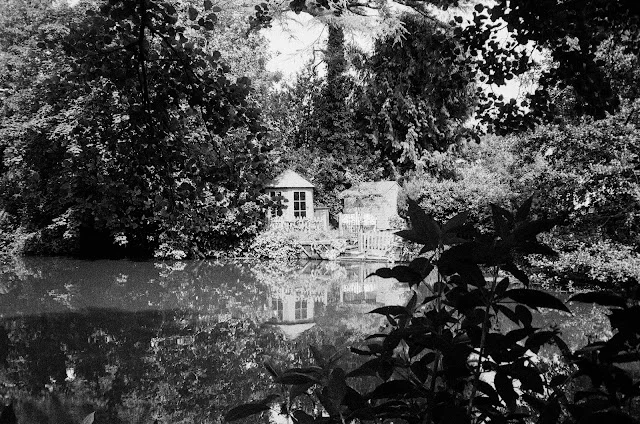
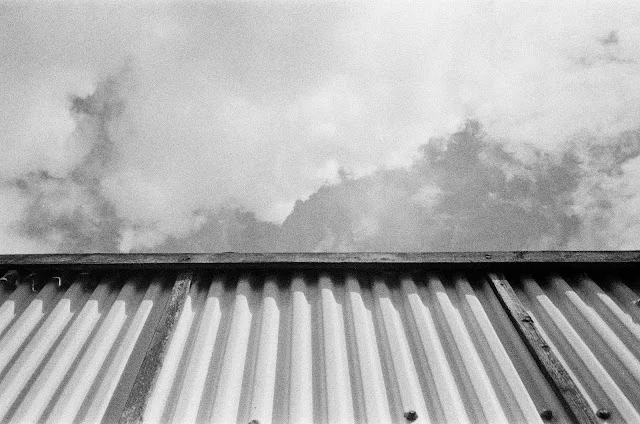
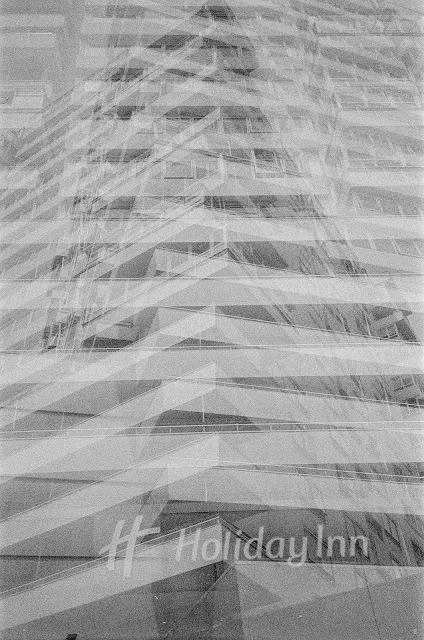
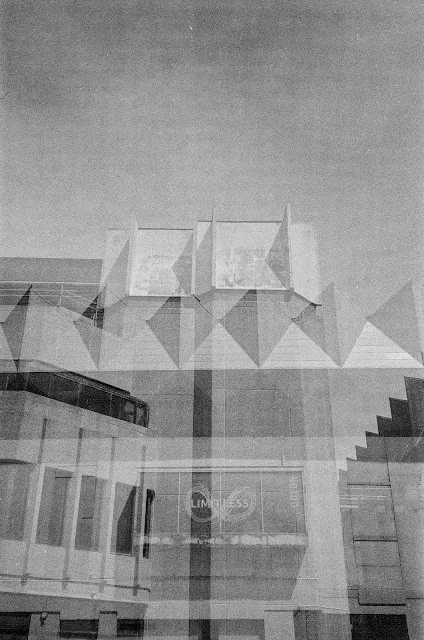
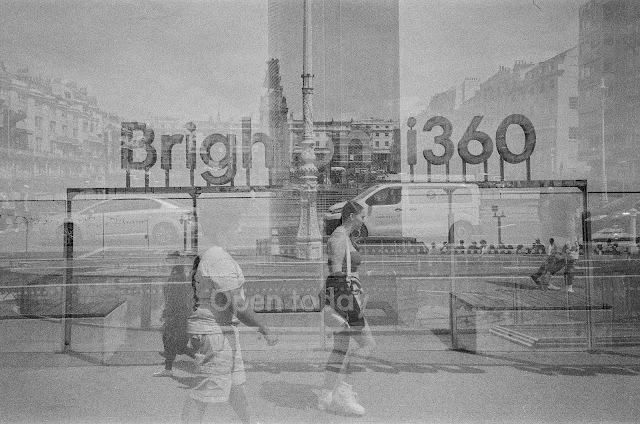
Using it with expired film produced stunning results, and most of the photographs taken showcased the camera's capabilities. This includes a variety of shots utilizing Ilford HP5 film (expired 2021), with noteworthy double exposure photographs that the camera allows, although it requires careful manual exposure management to avoid overexposure.
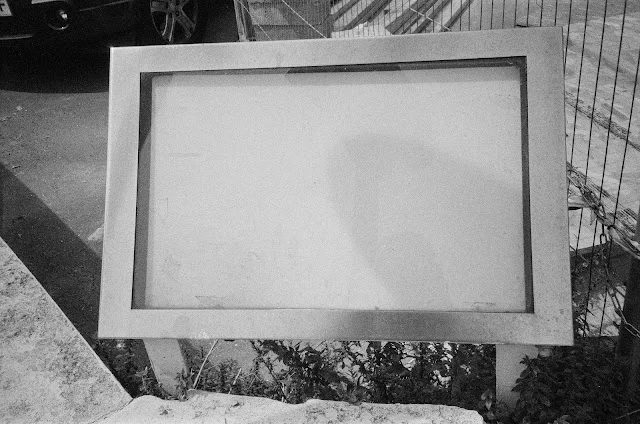
Overall, the Ricoh FF 9-S scores well on various criteria, achieving a total score of 43 out of 50.
Camera No. 9: Ricoh GR1v
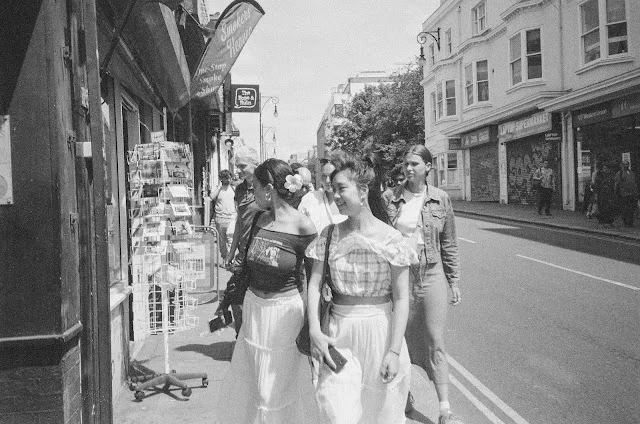

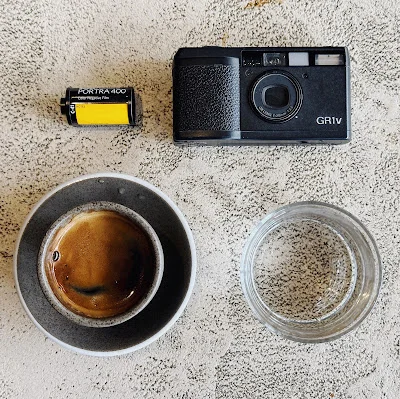
The Ricoh GR1v, launched in 2001, is a cult favorite among street photographers, thanks to its compact size and a very sharp 28mm f/2.8 lens. While it shares aesthetic and functional characteristics with its digital successors, the film version offers unique aspects like an optical viewfinder and an on-camera flash that some digital versions lack.
The camera excels in creative control with an aperture dial allowing settings from f/2.8 to f/22. Though it has a reputation for robustness, some concerns linger regarding its build quality. The GR1v may develop issues like light leaks over time. Prices for this model can escalate, often nearing £1000, placing it among the most expensive compact cameras. Despite this, its optical prowess and ease of carry make it a solid investment for aspiring street photographers. Its total score stands at 40 out of 50.
Camera No. 10: Agfa Optima Flash
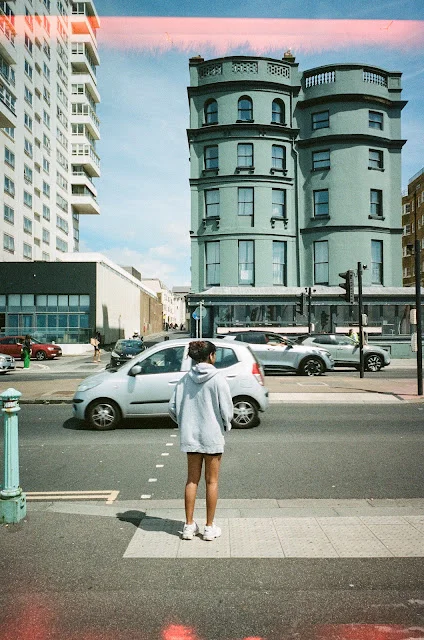

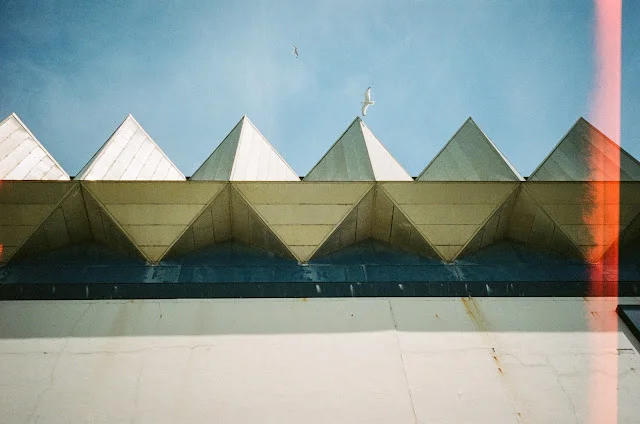
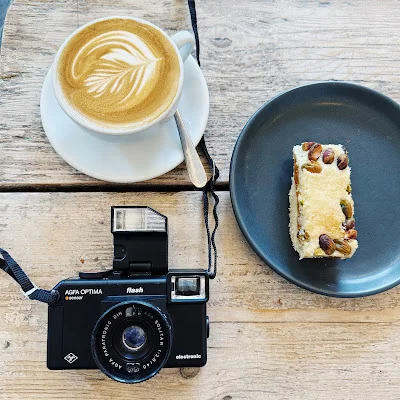
The Agfa Optima Flash, a distinctive compact camera from 1981, stands out due to its manual focus capabilities instead of the prevalent autofocus found in most compacts. With a Solitar 40mm f/2.8 lens, it offers sharp images through an unusual focal length for a compact camera. Its lightweight design allows for easy handling, making it user-friendly even on the go.
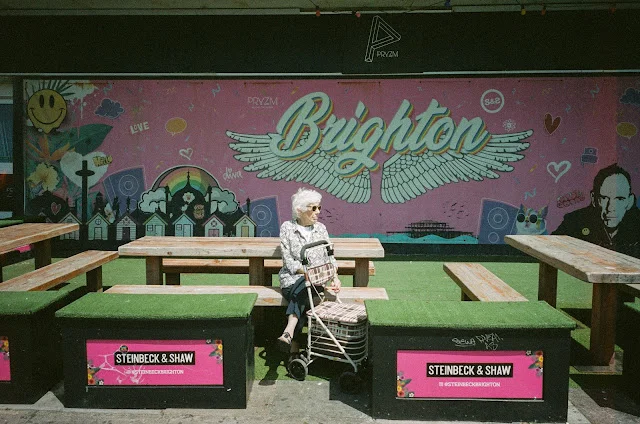
This model may not be the most common choice, but it delivers quality performance, and all photos taken were crisp and well-focused. The built-in flash is notably powerful, often exceeding the capabilities seen in other compact cameras. Users noted enjoying the experience of shooting with this model while using Kodak Color Plus 200 film. Its overall performance leads to a respectable score of 43 out of 50.

Camera No. 11: Yashica T3


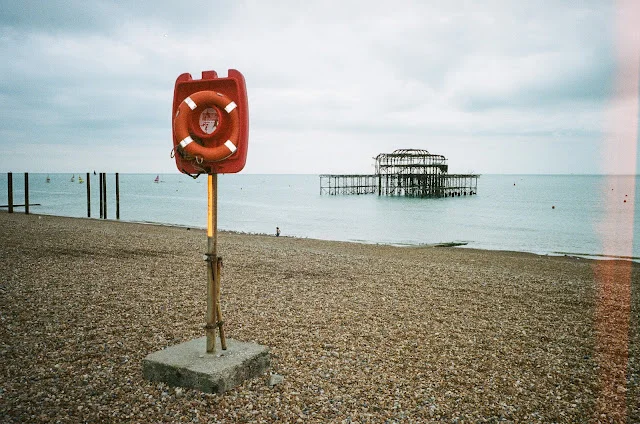
The Yashica T3, engineered by Kyocera, is often seen as the older yet heavier sibling of the T5. It features a fast Carl Zeiss Tessar T* 35mm f/2.8 lens, renowned for its image quality. Although slightly larger and bulkier than its sibling, it includes notable enhancements such as a more powerful flash and an intuitive waist-level viewfinder.
The construction quality of the T3 is commendable, but its size may not be as pocket-friendly as other models. However, it holds its ground in image quality and performance, offering beautiful bokeh that is typically elusive in compact cameras. The Yashica T3 has room to grow in the market, often priced lower than the T5, granting access to high-quality performance without the premium cost. It achieves a total score of 43 out of 50.
Camera No. 12: Pentax Espio 120SW

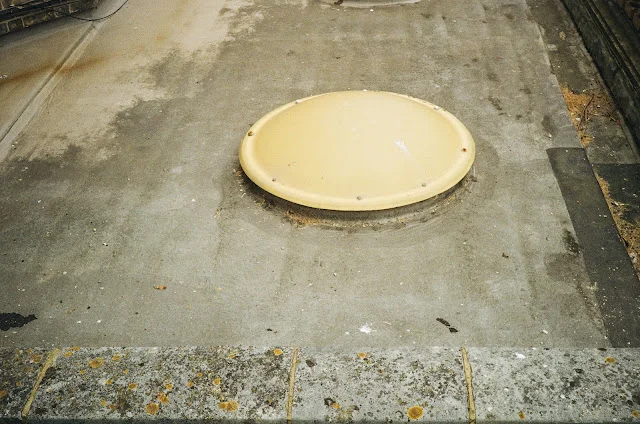
The Pentax Espio 120SW merges compact convenience with a significant zoom range of 28mm to 120mm, making it a versatile tool. Despite its bulkiness when zoomed, it manages to produce quality images, defying initial skepticism about the combination of such a zoom capability in a compact body.
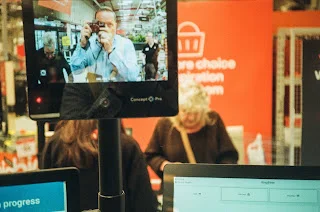
While it may compromise on aperture size, limiting it to f/5.6 at the widest, the image quality remains commendable, particularly at the wider end. With sharp results across varying conditions, users can appreciate its consistent performance. The Espio stands out in the compact segment and earns a total score of 42 out of 50.

Camera No. 13: Jenoptik JC15 AF
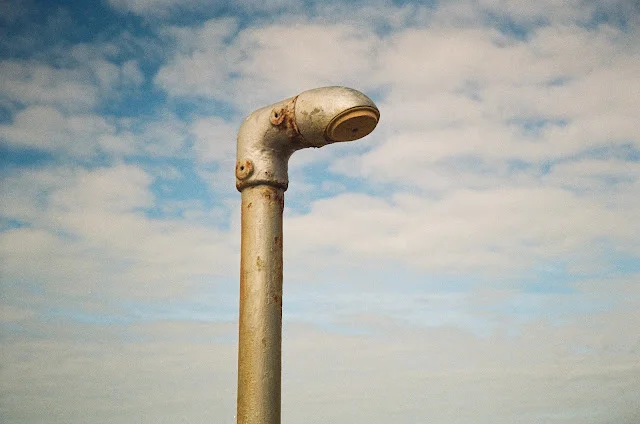


The Jenoptik JC15 AF, a product of East Germany's renowned Carl Zeiss Jena, boasts a 27mm lens. Unfortunately, it doesn’t declare its maximum aperture, which adds an air of mystery to this camera. While it feels more plasticky and less robust during handling, the images it produces exhibit soft, ethereal qualities that some photographers may appreciate.
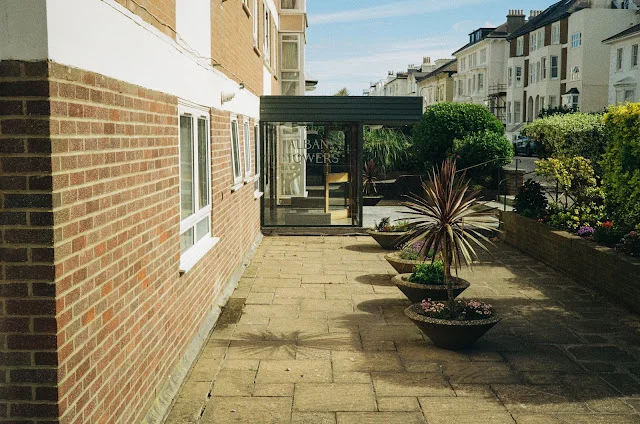
Without sufficient information on the lens or camera specifics online, users may find it a gamble, but it also holds a unique character that could appeal to certain photographers looking for distinctive results. It achieves a total score of 37 out of 50.

Camera No. 14: Ricoh FF-10
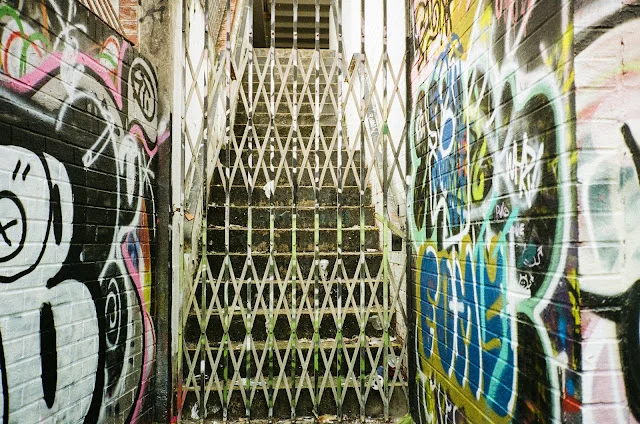

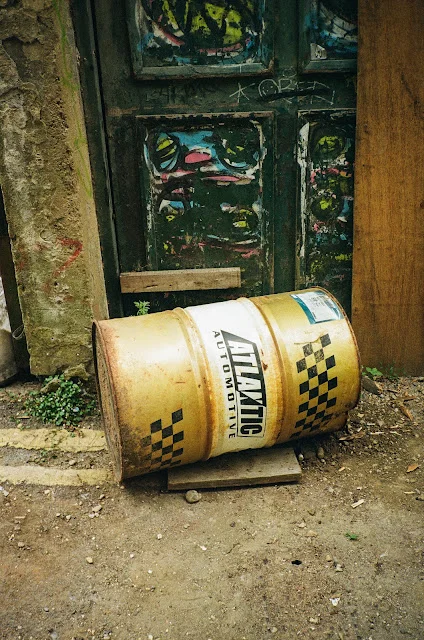
Similar to the FF 9-S, the Ricoh FF-10 introduces a zoom lens with a range from 38mm to 60mm. While the zoom range could be considered limited, it still offers flexibility for casual photography. It's a sound choice for someone seeking budget-friendly options within the compact category.
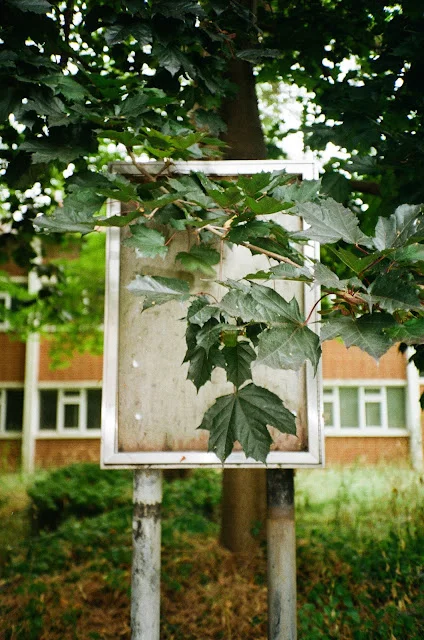
Though the FF-10 does not support double exposure, it remains rugged enough for regular use. Many users find that the sharp lens produces commendable results. With a score of 41 out of 50, this model stands out as a practical choice for amateurs and enthusiasts alike.
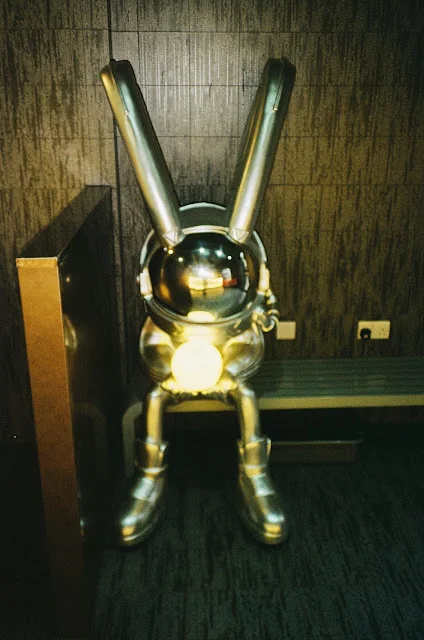
Please stay tuned for Part 3 of this comprehensive overview on the next five compacts in my project: Fuji DL 500-W, Konica Big Mini, Contax TVS II, Konica Hexar AF, and Konica Auto S3. To view all my compact photography, check out my Flickr album.
Thank you for reading,
Nick