Understanding Shutter Mechanics: Focal-Plane vs. Leaf Shutters Explained
| Shelf | Cameras & Lenses |
|---|---|
| Date in | |
| Readers | 892 |
Explore the differences between focal-plane and leaf shutters, as well as electronic shutter technology, to enhance your photography skills.
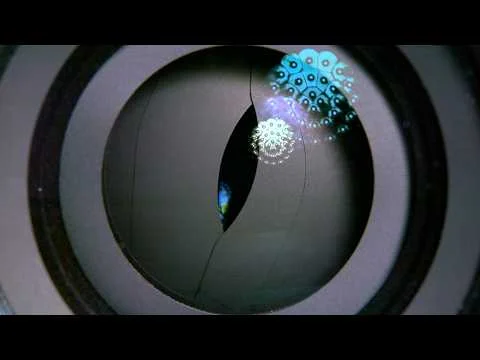
The Slow Mo Guys' latest video from Gav revisits the fascinating world of camera shutters through high frame rate cinematography. The update showcases not only digital cameras but also incorporates a film camera, which leads to a thorough comparison between focal-plane shutters and leaf shutters. For a deeper dive into these types of shutters, check out an informative article from Analog.Cafe.
Mechanical Shutter Mechanics
At the core, one of the primary advantages of a digital shutter over its film counterpart lies in its speed capabilities. Focal-plane shutters are particularly known for the limitations they impose, mainly concerning synchronization with flash. If you exceed a certain shutter speed, the exposure can become uneven due to the way these shutters operate. To get high-speed photos with a flash, it’s essential to stay within the maximum flash sync speed—commonly around 1/200 to 1/250 second on many DSLRs and mirrorless cameras. Beyond this threshold, you risk achieving only partial exposure of the image sensor.
Leaf Shutters: A Different Approach
Leaf shutters function differently; they essentially operate like apertures that open to expose the entire sensor plane at once. This design makes them immune to the uneven exposure issues that can occur at higher speeds, allowing for consistent flash exposure regardless of shutter speed selection. When you close down an aperture to a smaller size, such as f/16, you won’t notice vignetting or black circles around your image; it’s a counterintuitive trait that highlights their unique capability. Understanding this characteristic can greatly benefit photographers working in bright conditions, where using a flash becomes essential for balanced exposure.
Moving to Digital: Challenges of Electronic Shutters
In Gav's updated video, he also touches on the challenges presented by digital cameras' electronic shutters. These shutters are not mechanical; they capture the image electronically rather than through a physical movement. While electronic shutters eliminate the wear and tear associated with mechanical components, they bring their own challenges, especially concerning uneven exposure during high-speed shooting. Gav couldn’t physically capture the rapid flow of electrons working through a sensor, so he opted for an animated diagram instead. While this visual aid can be helpful, it may leave viewers with lingering questions about how global shutters achieve instantaneous readout compared to the conventional shutter designs.
Global Shutter Technology: Mechanisms at Work
To further clarify, global shutters utilize a mechanism known as the Transfer Gate. This component operates like a shutter but is unique in that each pixel has its own Transfer Gate. This design allows all pixels to be turned on or off simultaneously, facilitating a faster response time. Instead of blocking light, it manages the flow of electrons. This precision ensures that exposure remains uniform, even in high-speed situations.
Globally, charge-coupled device (CCD) sensors are better suited for this technology. CMOS sensors, while more prevalent in modern devices, often have components that can interfere with the implementation of individual Transfer Gates. To tackle this, newer CMOS designs bury certain components deeper beneath the sensor surface, thus making room for these specialized gates. If you'd like to explore this topic further, consider reading a detailed study available in a research paper which provides extensive technical insights along with electron microscope images.
Additional Resources
If you're interested in unravelling further differences between CCD and CMOS technology, a simpler comparison can be found in this article from Gatan. For an in-depth overview on CMOS image sensor technology, I recommend this resource from Evident Scientific.
As you delve into the mechanics and technology of camera shutters—both mechanical and electronic—you'll enhance your understanding of the principles at play when creating images. This knowledge can be invaluable in making informed choices about gear and techniques that suit your photographic style.


