Exploring the Balance of Experimentation in Film Photography with Provia 100F
| Shelf | Cameras & Lenses |
|---|---|
| Date in | |
| Readers | 891 |
This article delves into the unique challenges of experimental photography, focusing on the Provia 100F film and the unexpected outcomes of creative risks.
Embracing a non-traditional approach to photography can lead to remarkable discoveries, but it often comes with risks. For instance, my experience with various film experiments, including using Provia 100F, reveals the delicate balance between photographic innovation and failure.
The Nature of Experimental Photography
In today's photography landscape, especially as digital cameras dominate, engaging with film can feel like stepping into an eccentric world filled with unpredictability. When relying on film, each shot carries the possibility of failure, influenced by myriad factors such as exposure, development techniques, and even equipment. I often reflect on the numerous times I've ruined frames—like when I accidentally shot 40 frames of nothing due to improper film loading. Each experience adds to a collection of lessons, albeit sometimes painful.
Transforming Failures into Artistic Opportunities
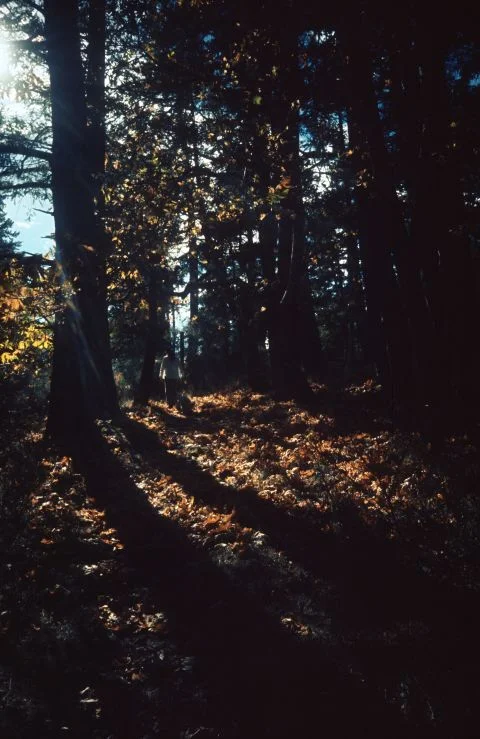
Interestingly, failures in film photography can be nonlinear. A substantially flawed roll can still yield useful images. Often, these failed attempts can challenge you to think creatively, forcing you to discover new perspectives or techniques for recovery. For example, when I developed some Provia 100F through an experimental process, the bleach didn’t fully clear it, leaving me with initially dense and dark images. However, my concern quickly shifted to excitement when I realized many of the images retained their essential details, even if they required significant post-processing.
To salvage these images, I utilized a Nikon SUPER COOLSCAN 5000ED for scanning, selecting a 16-bit TIFF output. The process involved histogram stretching in film Q to adjust blacks and contrast, followed by fine-tuning in Photoshop. By using these methods, I managed to bring out rich details hidden within those shadowy areas without introducing disturbing noise.
Understanding Provia 100F's Qualities
One key reason why I enjoy using Provia 100F is its ability to maintain smooth shadows, allowing for brighter adjustments without degrading the quality. This is particularly notable when comparing it to other films that may show stark noise in shadows under similar circumstances. However, the results I ended up with were not the ideal quality that a properly processed film would provide. Instead, the bold and somewhat unexpected look achieved through these conditions took on a distinct aesthetic reminiscent of Kodachrome films, offering textures and color shifts that organic production wouldn’t render.
This aesthetic discovery also coincided with reflections on how much I relied on film, precisely because it allows for such unique visual results, including soft textures and grounded colors. While I initially felt dissatisfaction over technical issues, revisiting those images with the lens of experimentation reminded me of the artistic freedom film inherently offers. One cannot replicate a film's raw, serendipitous essence through digital manipulation alone.
The Unexpected Beauty of Serendipity
Occasionally, film photography also presents surprises that don't solely stem from technical mishaps. For instance, shooting on an ordinary hazy day, I anticipated muted tones due to nearby forest fires affecting the light. Instead, I received unexpected bursts of bubblegum blue across the sky, an unforeseen delight that dramatically altered the mood of the image. These serendipitous moments illustrate the unpredictable nature of film and the pleasure of being open to artistic surprises.
The Artistic Reflection
Forming a connection between the “faults” of film and cinematic art, I found parallels between my unexpected image shifts and styles found in classic films, like those crafted by Hitchcock. The starkness and contrast I achieved with the flawed output suggested that despite any anxiety over imperfect execution, there’s value in the uniqueness it brings—an aesthetic closely akin to recognizable artistic styles. This realization shifted my focus away from technical perfection and towards appreciating the character within experimental outcomes.
Ultimately, the essence of my practice in film photography is about experimentation—celebrating the unpredictable, deeply personal, and occasionally challenging journey of creating. Embracing the results of my techniques, whether they lead to triumph or failure, continually enriches my understanding of the medium. The lessons learned often translate not just to future experiments but enhance the broader narrative of my photographic journey.
As I look to further projects, I’m more inspired than ever to continue pushing the limits of what my camera and film can achieve. Today’s challenges will no doubt yield tomorrow’s discoveries, maintaining a vibrant dialogue between failure and artistry within film photography.