Fujifilm Fujicolor 100 Review: Exploring its Unique Color Stability and Grain
| Shelf | Cameras & Lenses |
|---|---|
| Date in | |
| Readers | 402 |
Fujifilm Fujicolor 100, exclusive to Japan, offers exceptional color stability and fine grain, making it a worthy investment for serious photographers.
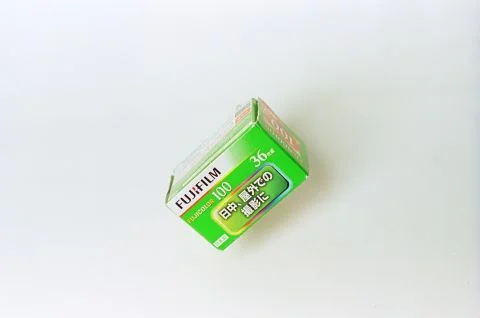
Fujifilm Fujicolor 100 is a unique color-negative film produced exclusively in Japan, which means that for most photographers outside this region, it must be imported. This film stands out from other ISO 100 options on the market, as it doesn't share the same characteristics as those from Kodak or other manufacturers. The edge markings on the developed film clearly show the iconic Fujifilm design, signaling its authentic lineage.
This comprehensive review will discuss various attributes of Fujicolor 100, including its color fidelity, grain resolution, contrast, dynamic range, pricing, and availability. If you're considering adding this film to your repertoire, read on to understand why it might be worth the investment.
A Brief History of Fujicolor 100
Fujifilm, despite its rich legacy in film production, has seen a gradual reduction in its product lineup over the years. Many enthusiasts hold films like Velvia and Provia in high regard due to their exceptional image quality. However, production cutbacks over recent years have left just seven films, with only a limited offering available internationally. As of now, only two films — Superia Premium and Fujicolor 100 — are manufactured on Japanese soil.
The narrative behind these discontinuations often revolves around dwindling customer demand, although the current trend contradicts this, with renewed interest in film photography. The challenges of sourcing raw materials have prompted Fujifilm to halt the production of many popular lines, leaving enthusiasts scrambling for alternatives. Furthermore, while films like Fujifilm 400 and Fujifilm 200 circulate globally, these are manufactured in the U.S., typically by Kodak.
Fujicolor 100's debut goes back to around 2008, though it officially resurged around 2019. Its unique characteristics separate it from other Fujifilm products of the past, showcasing its evolution as a standalone film choice.
The Colors
When evaluating the color characteristics of Fujicolor 100, it’s crucial to understand how films react to post-processing effects, scans, and enlargements. Some films, including Kodacolor 100, tend to yield similar results that can be edited to look alike. However, certain inherent qualities — particularly saturation and contrast — cannot be easily adjusted without altering the integrity of the image.
One standout feature of Fujicolor 100 is its ability to avoid color shifts due to over- and underexposure. Testing alongside other ISO 100 films showed that Fujicolor 100 maintained consistent colors even with varying exposure levels. This attribute allows photographers to navigate high-contrast environments and errant exposure settings without fear of losing critical color fidelity.
Compared to Kodak films, which can produce unwanted tint shifts in their shadows, Fujicolor 100 maintains a more neutral tonal balance. This balance empowers photographers to work in challenging lighting conditions while achieving faithful color representation. For example, images taken under harsh lighting conditions showed minimal variance in color saturation, confirming Fujicolor 100's superior handling of exposure discrepancies.
Photographers can modify the overall tone in post-processing, but this film lends itself well to these edits due to its low-contrast nature. The colors are bright yet remain nuanced, allowing potential for manipulation without leading to undesirable noise or degradation of details.
Grain, Resolution, and Sharpness
According to the datasheet, Fujicolor 100 boasts "New Super Uniform Fine Grain," a feature that suggests the film achieves its fine grain throughout various exposure conditions. Unlike many modern films, which exhibit coarser grain in shadowy areas due to light absorption, Fujicolor 100 manages to maintain a finer texture, even in lower light circumstances.
This film delivers similar grain characteristics as Kodak Pro Image 100, albeit with a smoother shadow rendition. As a result, images will often display a clean, polished aesthetic — especially when considering the film’s exposure latitude.
Contrast and Dynamic Range
Many films in the market, like Kodak Portra, deliver remarkable dynamic range (up to 12.5 stops), often permitting overexposure without negative consequences. Fujicolor 100 does share some of this flexibility, yet it has a more modest dynamic range of approximately 8.5 stops — an attribute that remains competitive within the lower-end consumer color-negative spectrum.
The effectiveness of Fujicolor 100 in handling exposure variations stems from its gentle roll-off in highlights. While it performs admirably in capturing colors across a range of settings, Fujicolor 100 does struggle with underexposed regions, where it may leave details lost in the shadows.
The combination of its limited dynamic range and adept handling of tonal contrast positions Fujicolor 100 as an appealing choice for various photography styles, particularly for those looking to capture vivid landscapes or portraits.
Cost and Availability
Pricing for Fujicolor 100 is generally more favorable in Japan, where the film sells for a modest price. For international customers, importing this film can range between $20-$25 plus shipping. However, it’s crucial to distinguish Fujicolor 100 from other variations like Fujifilm Industrial, which may also be marked as ISO 100 but offers different characteristics.
The longevity of film beyond its expiration date typically is a boon, and Fujicolor 100’s datasheet confirms its resilience. For those lucky enough to come upon older stocks, acquiring them may provide viable options for experimentation.
Where to Buy
For photographers outside Japan, the best avenue for obtaining Fujicolor 100 is either to find a local seller who imports or to purchase directly through Japanese eBay retailers. This film is a must-try for color-negative film enthusiasts aiming to explore unique options while they remain available.
Ultimately, Fujifilm Fujicolor 100 presents a compelling choice not only because of its vibrant colors and fine grain but also due to its capacity for consistent performance across varied exposure situations. Enthusiasts are advised to grab it while supplies last, ensuring they capitalize on this exceptional film.